

It shouldn’t be a plot twist that book influencers are now acting as free marketers for publishing houses and authors. Advance Reader Copies, deluxe editions and promotion kits all thrown to the social sea to spread interest. With Booktok, a bookish community within TikTok amassing more than 20 million sales in 2021, it’s no surprise these influencers get the first taste.
But primary platforms like TikTok, Instagram, and Youtube are reliant on capturing attention quickly. Videos longer than 60 seconds are sped up, text heavy posts are scrolled past. So now you’ll see them use shortcuts such as generic tropes, spice levels, the book synopsis retold, and an emotional responses to describe a book.
These “reviews and reccomendations” aren’t helpful. Readers doesn’t need to deeply engage with the book or even give it much of a second thought just to say “this book ruined me, in the best way possible,” whilst violently shaking it around. In fact, you could even replace the cover for something roughly in the same genre or readership and you’d get the same reaction. It begs the question, if viewers don’t engage with lengthy discussions, why bother with deep analysis?
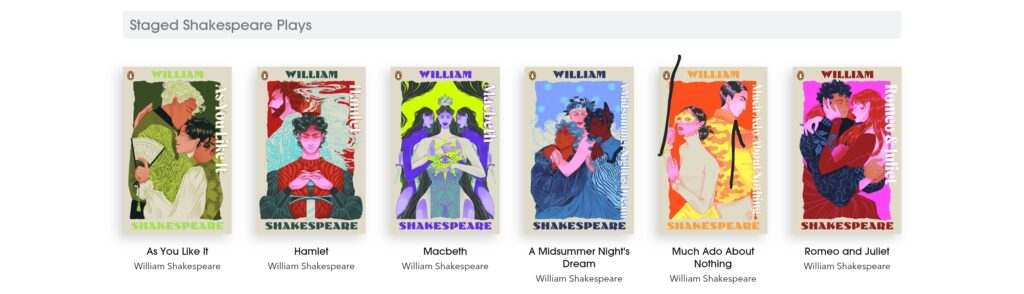
Publishers aren’t any different, Penguin Random House is now working to re-release Shakespeare’s plays with the intention to target the Young Adult audience. Covers are illustrated and cartoony, a deliberate blend of the YA style and contemporary romance cover style. Whilst the blurb is catered to its age demographic, it begins with its leading trope in bolded font. Described as Forbidden Love, Romeo and Juliet now sits in the same tropey camp as Twisted Love, Fourth Wing, and The Seven Husbands of Evelyn Hugo.
A book is more than just a few simple tropes or vibes. Each author, publisher and reader have their own perspective and takeaways that can’t easily be captured in such simple phrases. Shouldn’t we be wanting to explore how we personally engaged with the book?
 Joleen Jublee
  Jamez
Jamez  Scarlett Johnstone