
https://store.steampowered.com/app/4001890/How_to_Fish/?utm_source
How players judge a game’s value—and what it takes to make one.
Feature Article are 1800 words, need 7 mins to read
What is “How to Fish”?
https://store.steampowered.com/app/4001890/How_to_Fish/?utm_source
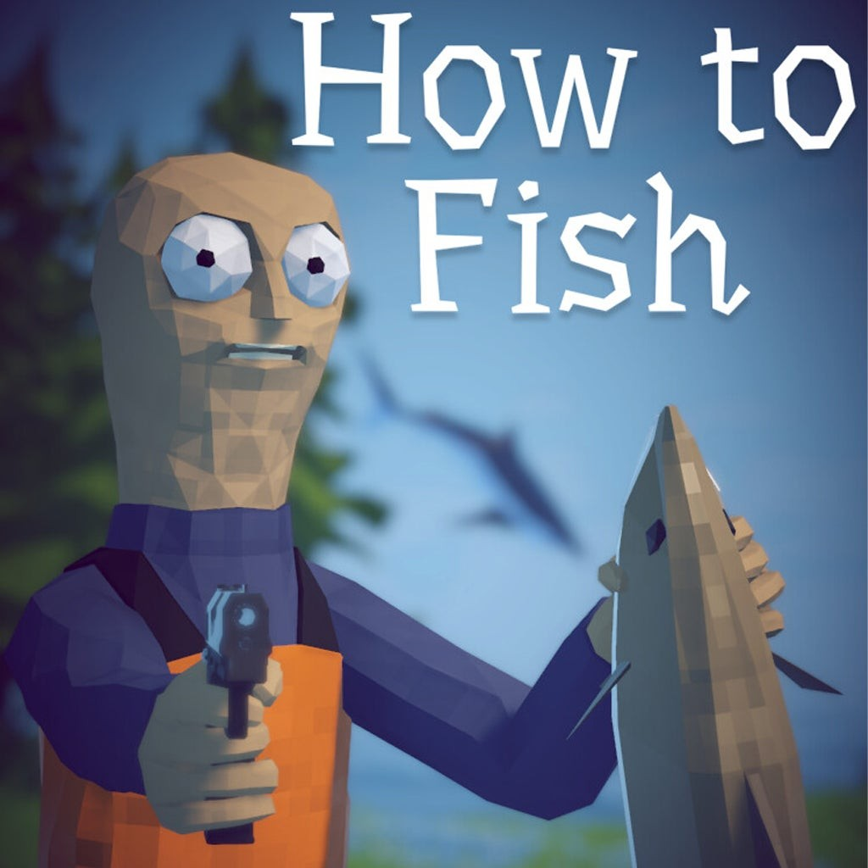
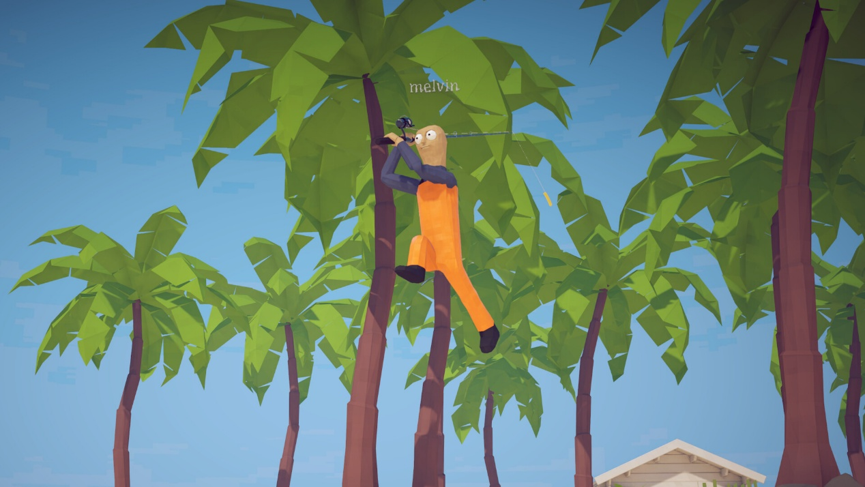
How to Fish is an indie game by Dazed Games that mixes fishing, combat, upgrades and island exploration. I enjoyed its unusual mix of fishing and combat, and I think the game is worth its price. Still, I would be happy to see more content added in future updates. Wanting more content does not mean that I feel the game offers poor value. This experience made me wonder how players decide whether a short game is worth buying. It also made me curious about whether developers can afford to make games at these prices. It is easy to treat a game’s value as simple maths. If a game costs ten dollars and lasts ten hours, that sounds like one dollar an hour. If another game costs the same but ends after two hours, it may look like a worse deal. But this way of counting leaves out what happens during those hours. A long game can feel repetitive, while a short one can leave a strong impression. My view is that playtime matters, especially when money is tight, but it cannot decide value on its own. Price, enjoyment, replay value and clear expectations matter too. A fair judgement should also consider whether the price can support the work needed to make the game.
Use price-per-hour test?
https://store.steampowered.com/app/4001890/How_to_Fish/?utm_source
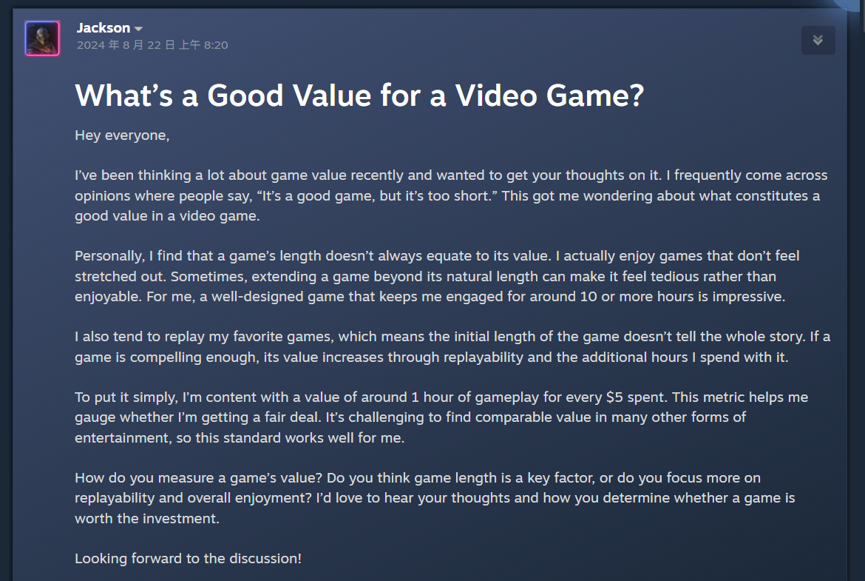
A Steam discussion called “What’s a Good Value for a Video Game?” shows why players use playtime as a guide. One commenter, D. Flame, says a game is a good deal if it gives the player more than one hour of play for each dollar. The person who started the discussion suggests a different personal measure: about one hour for every five dollars. These rules are not market standards. They show how some players turn a purchase into a calculation they can compare with other games. That is why players can value the same short game differently. A buyer comparing several games may prefer more hours for the same price. Someone with limited free time may prefer a complete story that ends before it feels repetitive. Their needs change what counts as value. The price-per-hour calculation can help people who have limited money or little time to waste. Before buying, a player may want to know whether a short game will give them enough to do. Playtime is visible and easy to compare, while enjoyment is harder to predict from a store page. Other commenters in the same discussion argue that more hours do not always mean more value. Some say a short and memorable game can be better than a long and boring one.
Others point out that players may replay a favourite game, so the first playthrough does not tell the whole story. These comments are useful examples, but they do not represent every player. Still, the discussion shows that short games face two questions: “How long will I play?” and “Will I enjoy the time I get?”

Response to How to Fish
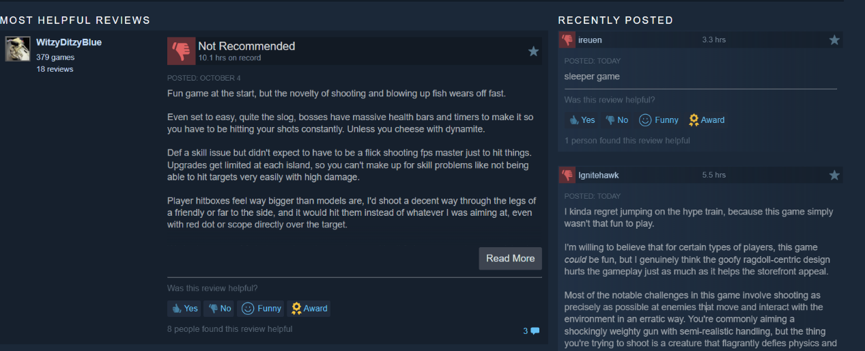
The Steam page for How to Fish describes a fishing game with combat, upgrades, quests and new islands. That list helps explain why the game caught my attention: it promises several kinds of play rather than one simple activity. Yet players can enjoy that mix and still disagree about whether the game offers enough for its price. In a positive Steam review, a player called X reports 3.3 hours of play and says the game’s length suited its price. The review describes the game as short but enjoyable. A critical review on the game’s Steam page sees the short runtime differently. Its writer finds the repeated cycle of fishing, buying weapons and fighting bosses boring, and says the game does not offer enough reason to replay it.
https://store.steampowered.com/app/4001890/How_to_Fish/?utm_source
The first player values the experience they had, while the second compares the repeated gameplay with what other games offer for the same money. Neither review settles the question for everyone. Playtime on a profile is not always the same as the time needed to finish the game. Players may spend longer exploring, playing with friends or repeating activities. Reviews also reflect personal taste. But the contrast is useful: one player sees a short and enjoyable game, while another sees repetition. My own view is that How to Fish is worth its price. I enjoyed its fishing and combat, and I would welcome more content in future updates. Wanting the game to grow does not mean that I regret buying it.
An example from a brother game
A Short Hike gives a useful comparison. Its Steam store page presents a small island to explore, with characters to meet, hidden items to find and optional activities such as fishing and swimming. These details suggest that reaching the ending is only one part of the experience. They are all small game and design by a same company.
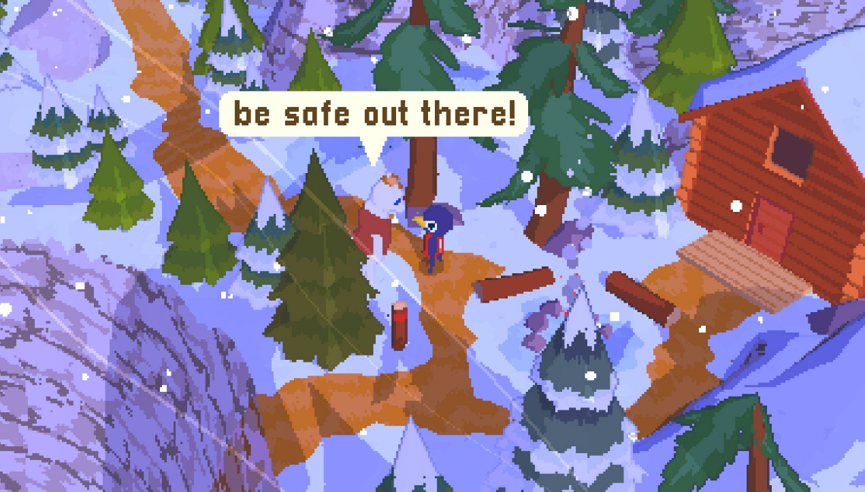
A Steam reviewer, Fukurou, says the main story took just under 5 hours, He felt the game was worth the price he paid, and highlighted its gentle story, music, and scenery, just like a lovingly short hike. Their review suggests that optional moments can make a short game feel fuller, even if the main journey is brief. This is one person’s response, not proof that every player will feel the same. Someone who wants a long story may still prefer a longer game. But A Short Hike makes a useful point: game length is not the only way to give players more to enjoy. A small world can invite players to explore, meet characters and find stories at their own pace. The comparison shows why a single hours-per-dollar rule can miss important details. A player who rushes to the ending may have a different experience from someone who explores every corner. The game’s value depends partly on what it offers and partly on how each player chooses to spend their time.
Refund rules and developer worries
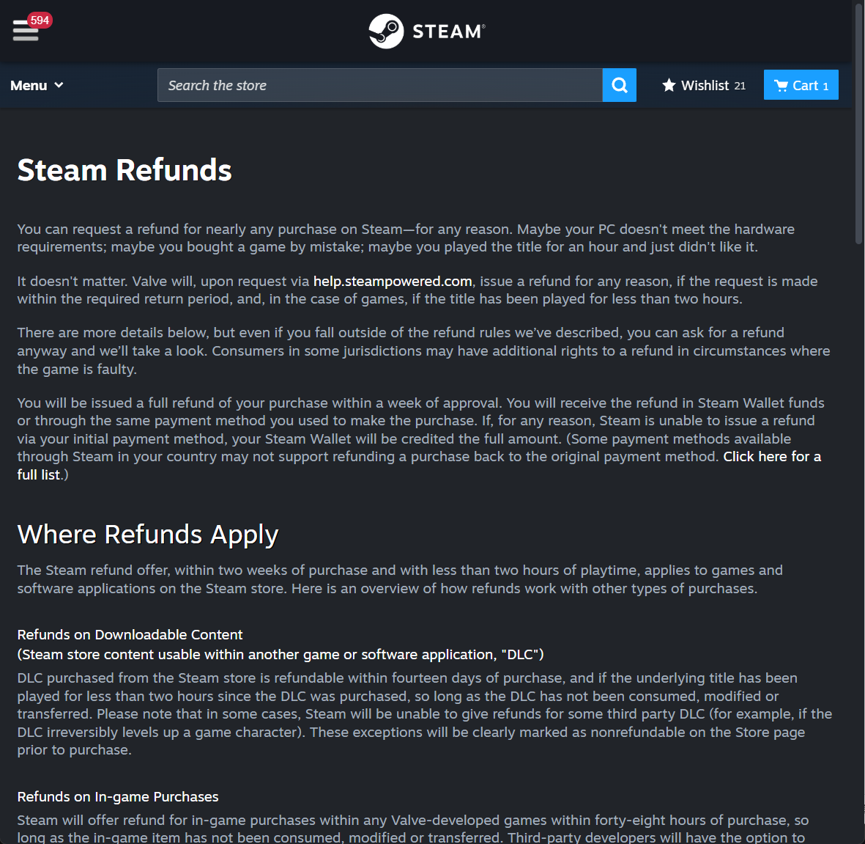
Short games can also raise a practical concern for developers: what happens when a player finishes the game within Steam’s refund window? Steam’s refund policy says that most game purchases can be refunded within fourteen days if the player has spent less than two hours in the game. This policy creates a risk for games designed to last under two hours, but it does not tell us how often short games are actually refunded.
Developers and players also discuss this worry on Reddit. In a discussion about pricing short games, commenters disagree about how serious refund abuse is and what can make a short game worth buying. In a separate Reddit thread about refunds, a developer describing their own one-hour game reports a six per cent refund rate. They also say that reasonable pricing and clear expectations matter.
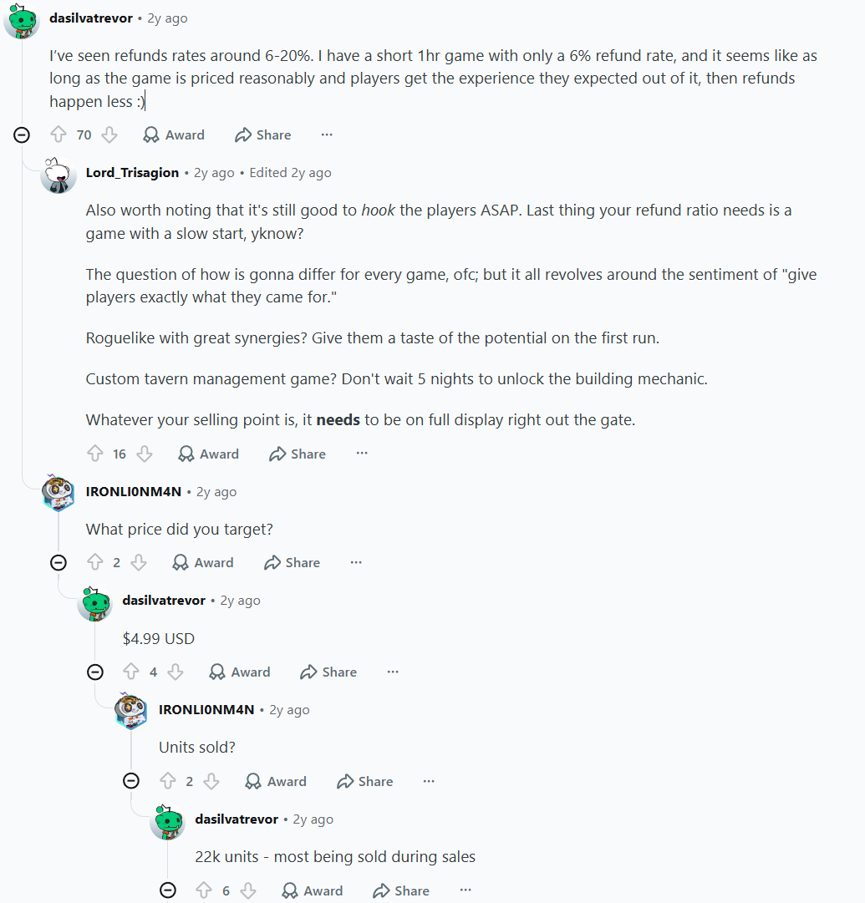
They also say that reasonable pricing and clear expectations matter. This is one developer’s account, not a reliable rate for the whole industry. For buyers, a clear store page can help set expectations before purchase. It can explain whether a game is a brief story, a replayable challenge or a small world with optional activities. For developers, a fair price can help the offer feel honest. This two step cannot make sure every player will be satisfied, but both help buyers understand what they are paying for.
Can a small team afford to make a low-priced game?
How to Fish offers a specific example of how a small studio may control production costs. In there office website we can see, Dazed Games said that its two founders handled the main work on game design, programming, art, physics and networking. Other people helped with the music and sound design, so the game was not made by only two people. In an interview with GameWith, they also said that they used free software because they had very little money at the time.
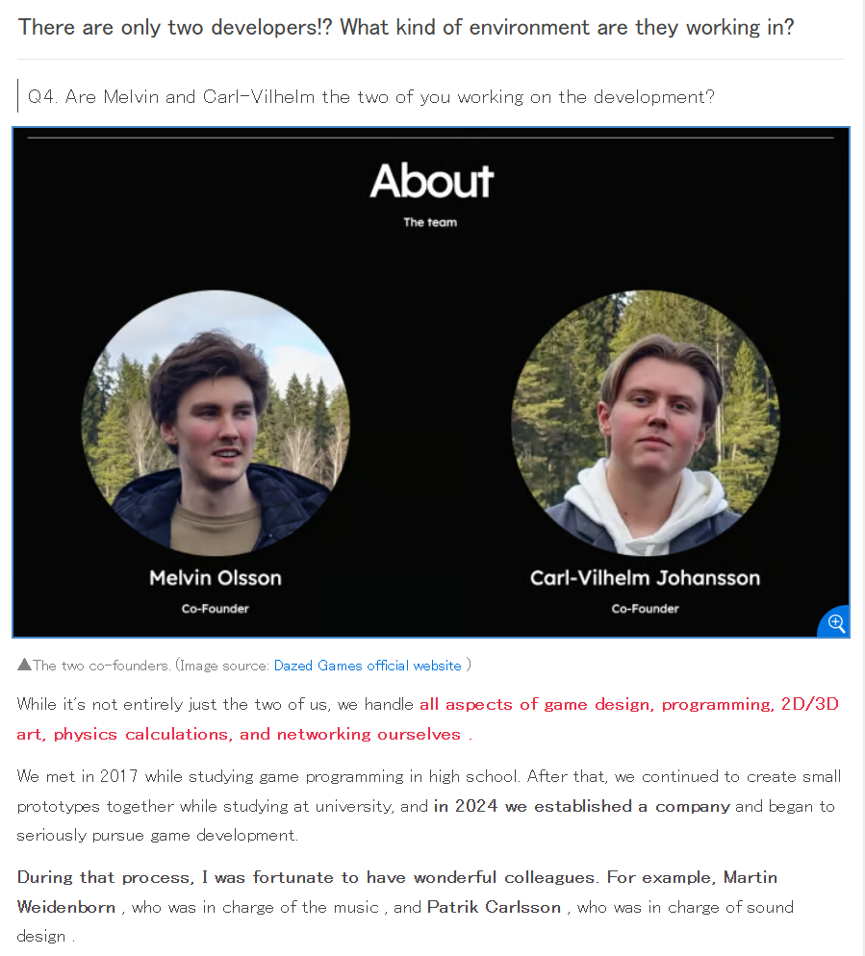
A small core team and free tools may have helped them control costs, although we do not know the game’s full budget. A low price can attract buyers, but developers still need enough sales to cover the work of making the game. For example, 10,000 purchases at five dollars would create 50,000 dollars in gross sales before taxes, refunds, store revenue share and development costs. That figure is not the same as the money the developers keep. Steam explains that developer payments are calculated from net revenue after applicable adjustments, followed by the agreed revenue share. The developers also said that they shared videos on TikTok and Instagram to build interest in the game. They reported that these posts helped increase the number of players who added the game to their Steam wishlists. This suggests that keeping costs low is only one part of the business. Developers also need people to discover and buy the game.
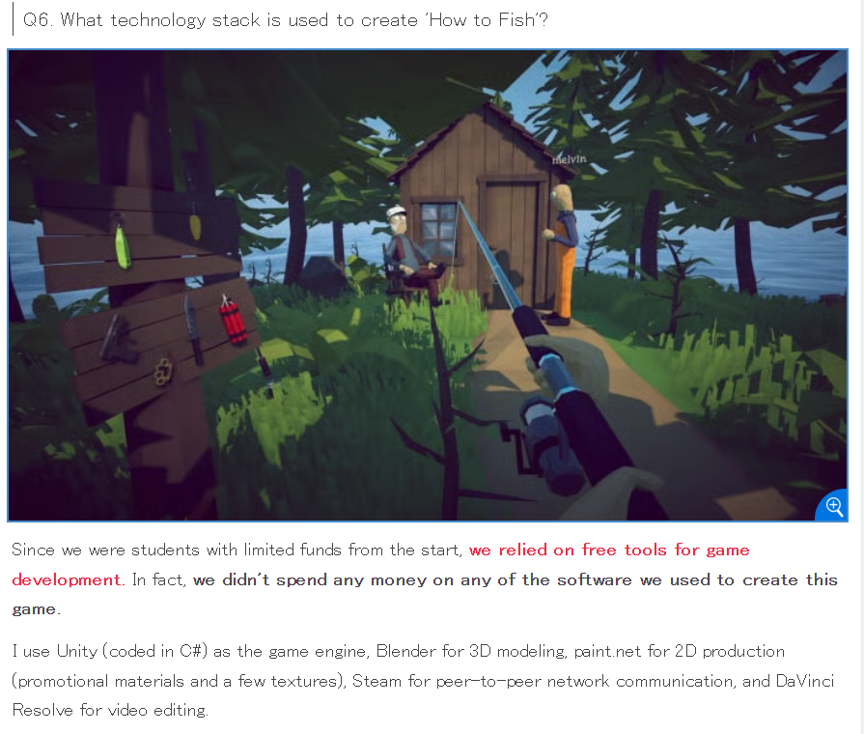
How to Fish became very popular, but its success should not be treated as typical for every low-priced indie game. A small team may need fewer regular staff costs, but it can still spend a long time making a game and face the risk of low sales. So a game’s low price may be supported by a small team and low-cost tools, but its financial success still depends on sales, costs and player interest.
So, what is a short game worth?
A short game can be worth its price, but there is no single number of hours that proves it. The price-per-hour test can help players who need to make careful choices with limited money. At the same time, reviews show that people also care about whether a game is fun, memorable, complete or worth replaying. The developer’s side matters too. A low price may work when a team controls its costs and enough players choose to buy the game, but neither result is guaranteed. For me, How to Fish is worth its price. I enjoyed its fishing and combat, and I would be happy to see more content added in future updates. A Short Hike shows another way to make a short experience feel fuller: give players a world worth exploring beyond the main path. Neither game can tell us what every player should value. Before buying a short game, I would consider its price, the experience it promises, what reviews say about its length and whether there is more to do after the ending. Developers can help by describing the game clearly and setting a price that fits what it offers. In the end, playtime matters, but so do the experience players receive and the costs developers need to cover.
 Megan Anne
 Liz Farnfield
 Lillian Ninyett