
The cycle of hyper sexualization through branding in digital media and internet culture.
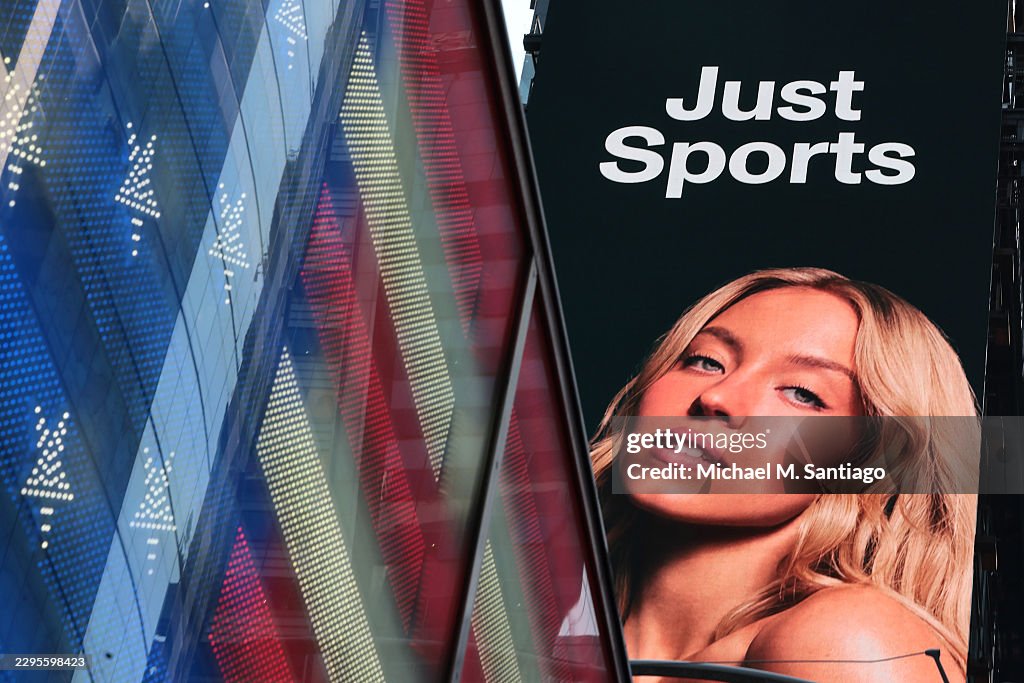
In this day and age, hyper sexualization lives in just about every entertainment outlet, but with the evolution of the internet and web culture; media controversy on sexualization has skyrocketed. Novig, an online sports betting company, released its latest ad campaign that features the infamous Sydney Sweeney in close to nothing, aside from two footballs in hand and a scanty jersey. Serving vulgarity and gaudiness on a silver platter, the internet devoured it in seconds. In contrast to another ad that didn’t spark as much online buzz, was Kendall Jenner’s Beats360 ad campaign , that featured a well-dressed, Parisian-chic Jenner who embodied the role of barista and coffee connoisseur under warm lighting.
Despite the “live laugh love” energy, the internet bit off the sides and tossed it under a growing pile of disgruntlement. It’s safe to say this result all leads back to human DNA–the appeal to sex, chaos and desire evokes emotion, and emotion can funnel into fantasy or outrage, which in the “Attention Economy” leads to capital. The attention economy comprises a system where human attention is treated as a commodity that is capitalized and traded by digital traders and platforms. So yes, sex and chaos still sell in 2026, but there’s so much more behind the context.
So, where do you draw the line between sexualization and monetization in media and internet culture?
The balance between sexual appeal, controversy and its monetization is a fine line, it’s one that hangs by a thin thread. Media figures and companies continue to bank on a reused tool of profit–emotion. Provocation, rage baiting, intensity, subtext and context all oil the wheels of good marketing while weaving the threads of cultural capital, aesthetic capital, and shock value. But beneath the controversy, there’s more than what meets the eye.
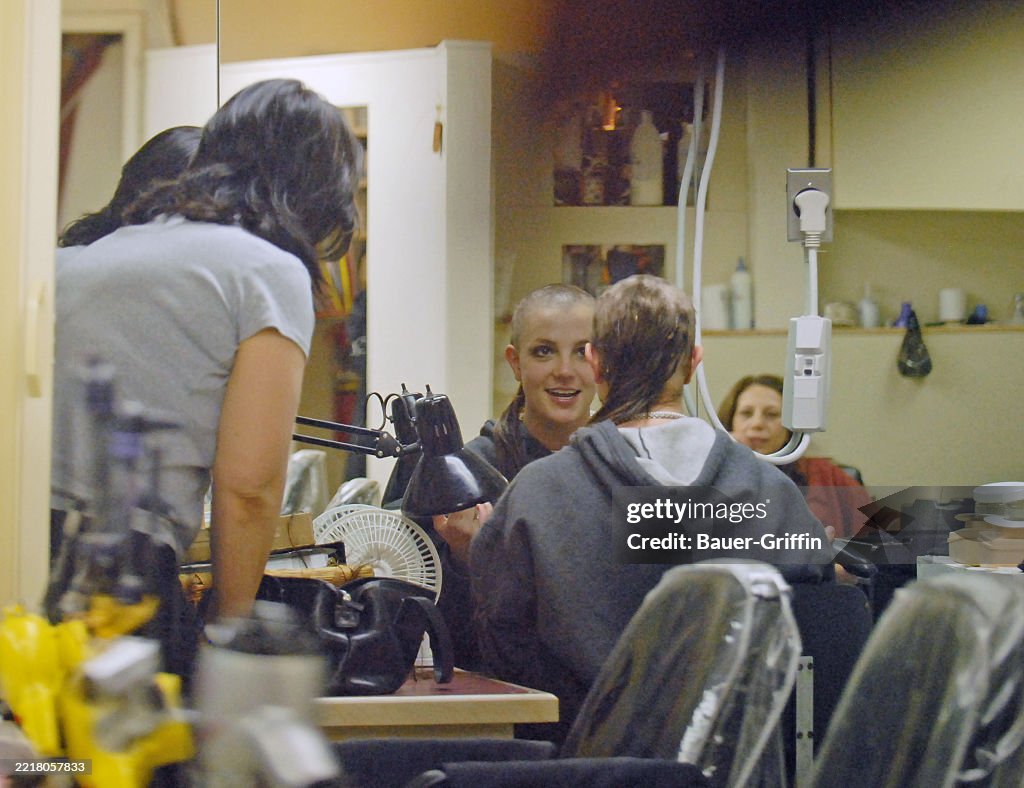
Hypersexualized controversial icons of the early internet, like 2007’s Brittney Spears or Kim Kardashian and her 2014 champagne-bottle photoshoot, propelled the internet’s attention-grabbing economy to new heights. These infamous forerunners used the tools they had to build their image and social empires. Cloaked in controversy, Kim Kardashian’s hypersexualized image and media stunts slowly lit the match that burned down the unhealthy skinny wave of the early 2000s. While Brittney’s emotional spiral created a deep dive into mental health, postpartum depression and its effects. Using controversy as their launching pad, these figures used emotion and vulnerability to walk the fine line of sexualization and monetization.
The Attention Economy: Branding and Media
The digital domain has funneled vast amounts of wealth into the marketing sector through its massive consumer database. In 2017, approximately one-third of global advertising spending was curated for digital channels. Big corporations have capitalized on the attention economy and its role in digital society through marketing campaigns that glorify the male gaze. Tracing the lineage of controversy all the way back to 1980 with Brooke Shields’ “Nothing comes between me and my Clavins,” campaign, which featured a semi-nude young Shields attempting to put on her Calvin Klein jeans. The spectrum of vulgarity and proclivity has turned with the turn of the decade, including Kim Kardashian’s infamous 2014 “Break the internet” cover photo for a story in Paper magazine. It acted as another example of visual capital that has been carefully catered to draw in attention and controversy. The story eventually broke the internet, racking up a viewership of 40 million on Paper Magazine’s website in 2014 which catapulted Kim Kardashian’s net worth by up to 28 million in 2014.
Bringing it back to 2026–because of the backlash of the attention economy, Sweeney is swimming in the infamy of Novig’s success. A bird’s eye view of the voyeuristic campaign can easily catch the subtext of the hypersextualization of women in sports and the negative connotations along with it. Retired Olympic swimmer Ariarne Titmus, in an interview with The Guardian, emphasized on how she thought:
“This type of bullshit marketing was a thing of the past.”
However when you switch the lens and put the practicalities into context, Sweeney, a stakeholder of Novig, a sports gambling male-dominated online platform, used the male gaze and squeezed the attention economy of all its juice. Novig’s valuation has risen from 500 million to 2 billion within the past few months, as per reports from the Wall Street Journal.
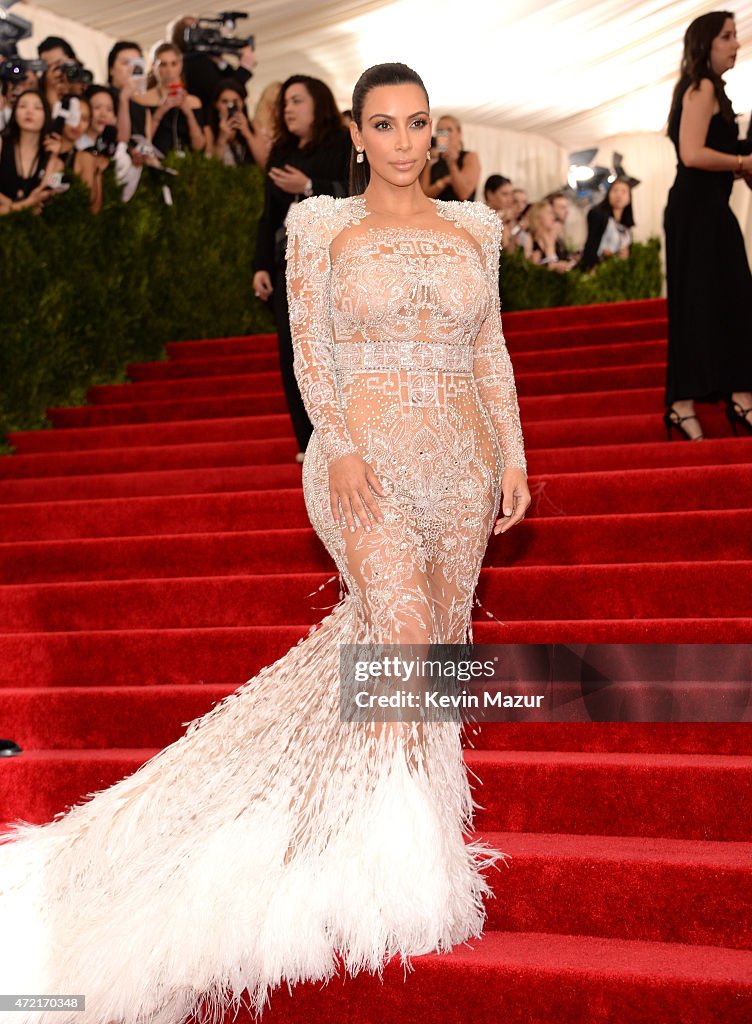
All three women mentioned above created a sufficient amount of physical capital through their hypersexualized campaigns. Using their bodies as tools in front of the attention economy to push expectations despite the bad press. Brooke Shields reigns as an iconic symbol from the 80’s, one of beauty and grace. While Kim floats through controversy while unconsciously fueling social media trends. Sydney Sweeney, a fairly new controversial non nepo baby, is growing under a harsh light. Her euphoria-based rise to fame swindled her popularity with sexualization, being loved and hated by all parts of the gender discourse. In the midst of society’s fourth wave feminism, the backlash received from the millions of women who follow her doesn’t shine enough light on the issue that so many women fought for not too long ago–body and sex positivity, coupled with free speech.
The male gaze vs ownership and porn chic
The male gaze was coined by Laura Mulvey in her 1975 essay “Visual Pleasure and Narrative Cinema.” It is described as placing women as objects of heterosexual male desire and nothing else. When looking at prominent figures from the past, such as Marilyn Monroe, the IT girl during America’s post-war period, whose bouncy blonde hair, curves and iconic white dress were stripped back by every tabloid. Her beauty was objectified and peeled back into nothing but sex, despite being well read, and a credited actress, the overarching male gaze of 1950’s America shadowed her very being.
However, when you change the perspective, Monroe stands immortal in iconography as a model and actress through her beauty and sexual prowess. The very gaze that shot her down in one direction opened a wide net of opportunity, as her first 23 films grossed over 200 million dollars in 1960. She won critical acclaim and was taken seriously as an actor through her role as Sugar Kane in Some Like It Hot (1959). While growing as an immortal icon, Monroe paved the way for body positivity through embracing her sexuality and beauty. In subverting the negative aspects of the male gaze, Monroe played with her sexuality as a power that redefined her as a woman on a generational run.
There is another aesthetic factor to consider when taking into account the media’s appetite through the male gaze, and it’s known as “Porn Chic”. “Porn Chic” is a style that has found a home in the commercial market of influencer and media culture. Being described as a style that reflects the mainstreaming of the aesthetics of commercial pornography within Western societies. A good example would be Kate Upton’s 2012 Sports Illustrated magazine cover. 19-year-old Kate Upton fell under scrutiny over her hyper sexualized and “overtly voluptuous” Sports Illustrated cover. The semi-orthodox internet era of 2012 convulsed at the sight of a curvaceous body rather than a tiny, slender one on a magazine’s front cover. Upton flaunted her curves in pride through the bad press while helping push Sports illustrated’s revenue to nearly one billion since its release in 1964. Not only did the controversy of this hyper sexualized scandal increase Upton’s personality, but the trend of body positivity also grew from it. Hidden under the cloak of “Porn Chic”, the scandal created a new wave of acceptance and growth for all types and shapes of female bodies.

Male objectification – Banking on Looksmaxing and the role of the prosumer
In a stark contrast to the male gaze, male objectification has also been growing at a strong pace in the past few years. Many have spun this objectification around and turned it into a selling point. For example, Clavicular (Braden Peters), the internet’s now infamous “Looksmaxing” boy, channeled his sharp jawline, strong facial features and toned body into the algorithm of thousands of girls and boys. His atypical method of self-promotion created a new movement online, “Looksmaxing.” A term of endearment for mostly young men who aim to get better at taking care of their physical appearance. For internet personalities like Clavicular, popularity rises through what is known as the prosumer wave.
The prosumer is a key aspect in digital cultures today. Alvin Toffler coined the term “Prosumer” to describe people who both produce and consume goods in the digital age. Jenna Drenten describes their importance by stating that “the ability to monetize the prosumer labour invested in generating this digital content hinges upon the amount of attention produced.” Clavicular’s rise to fame started due to his controversial grooming standards, such as smashing jawlines and bones to sculpt, using off-label drugs and heavy testosterone to an audience of nearly 1 million on Instagram and TikTok. Thus, all these attention-grabbing tactics trickled down into an unassuming audience that fed off the content. Despite Clavicular’s disreputability as of 2026, his content attracted a flock of prosumers, rooted in self-improvement, however ill-advised they may be.
Critical thinking in a media frenzy
The internet will always have something to say, irrespective of who you are or what you’re doing. Media backlash for Sweeney’s Novig ad has catapulted a sea of feminists, sports enthusiasts and a general audience who see the vulgarity and provocative imagery presented. While I agree that it does tarnish a sense of women’s representation in sport, the larger picture feels overlooked, as it always does when it comes to women’s bodies. As an equity shareholder and strategic partner of Novig, Sydney simply used what was in her toolbox to tighten her profits while expressing herself the way she knows best, through her body.
The 1980’s body and sex positive movement led by feminists such as Anne Koedt shed light on taking ownership and pride in the female body. In her article on the Political Sexual Revolution of 1980, Emma Welland defines the sexual revolution as “a series of changes driven by women, brought about by an all-encompassing claim to sexual autonomy and self-determination.” This idea transpires into this decade through the ownership of hypersextualization, porn chic and controversy by women and men in power to grow not only capital but also create subtext behind the allegations, backlash and controversy.
So, in the end, maybe we did just look at it all wrong. The line between sexualization and monetization exists; it always has, we just didn’t know where to look. Vulnerability, emotion and human prowess are the boundaries where the line sits and where capital is extracted. So walk the line and see where you sit, cause it’s 2026 and yes, sex still sells.
 Yang Wu
 Liz Farnfield
 Lillian Ninyett