
I hate to admit it: AI has won the competition against human creativity. I’m averse to AI slop, and generated AI ‘art’ lacks the one thing that makes human creativity worthy of attention: soul.
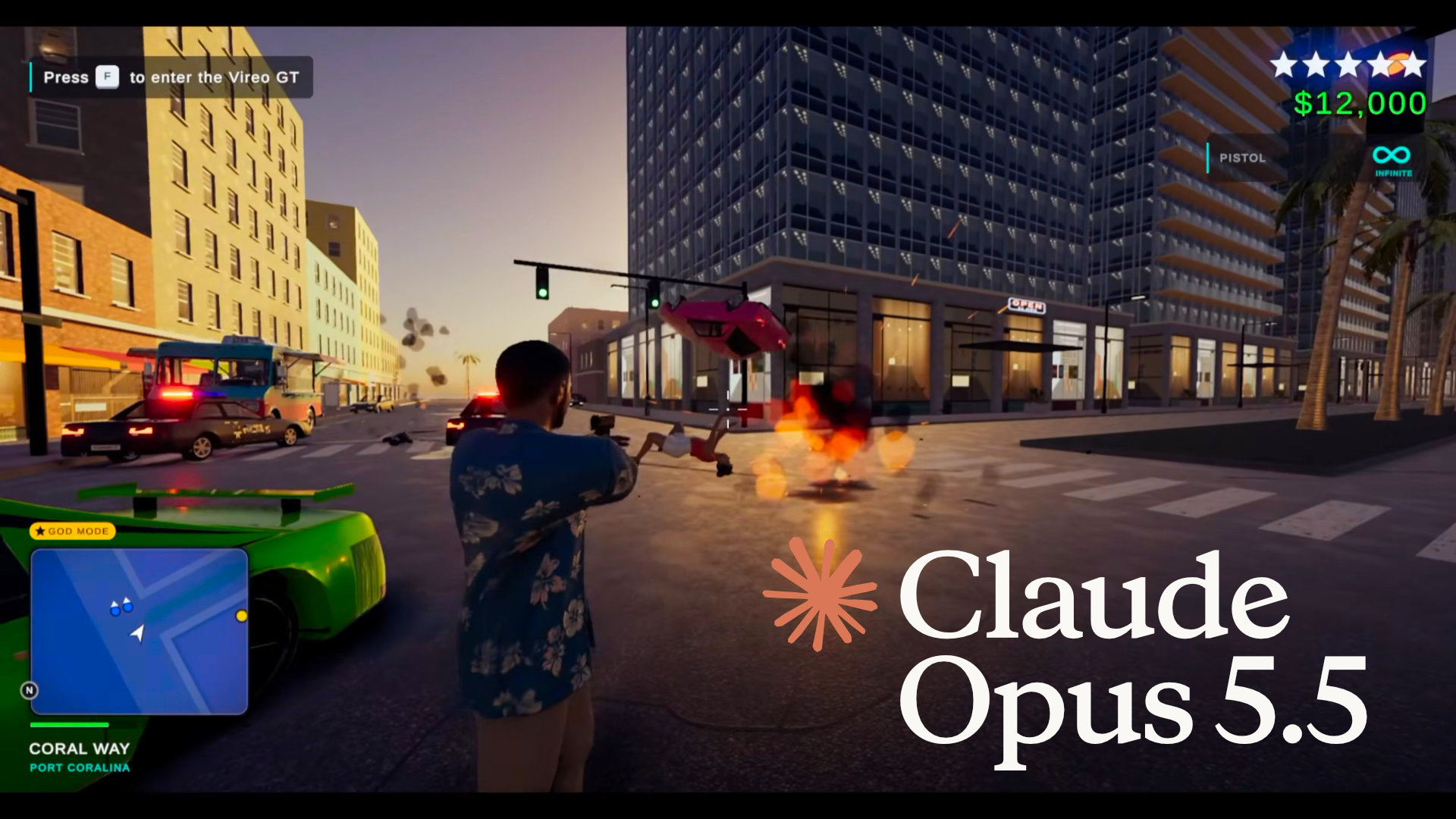
But, this past week, following the release of new AI models, including Claude Opus 5.5, and GPT-6 Luna, eager synthographers have made impressive, playable clones of Minecraft, Spider-Man, Mario Kart, Terraria, Grand Theft Auto, and Fortnite—and more—each in a matter of hours (see below).
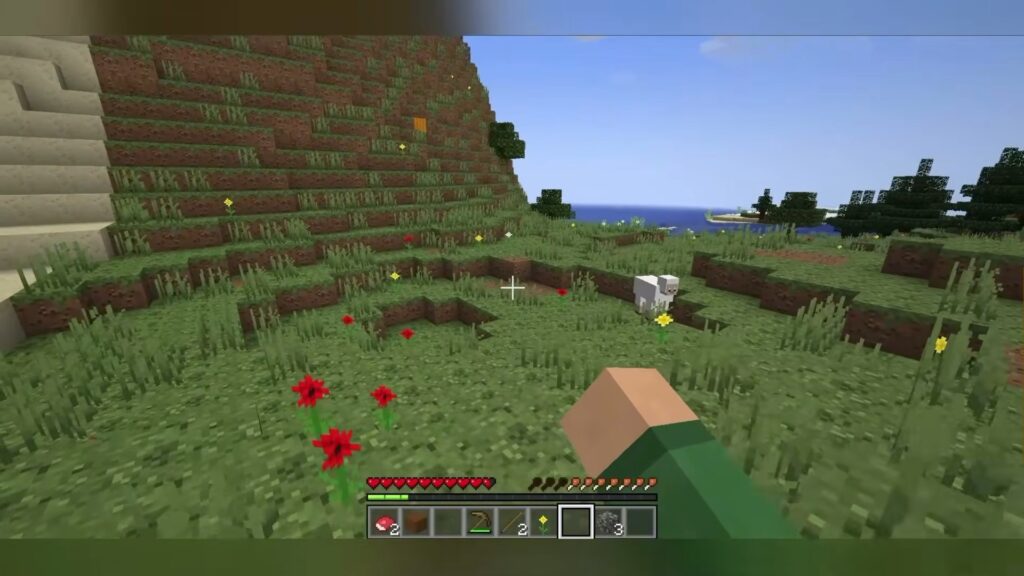
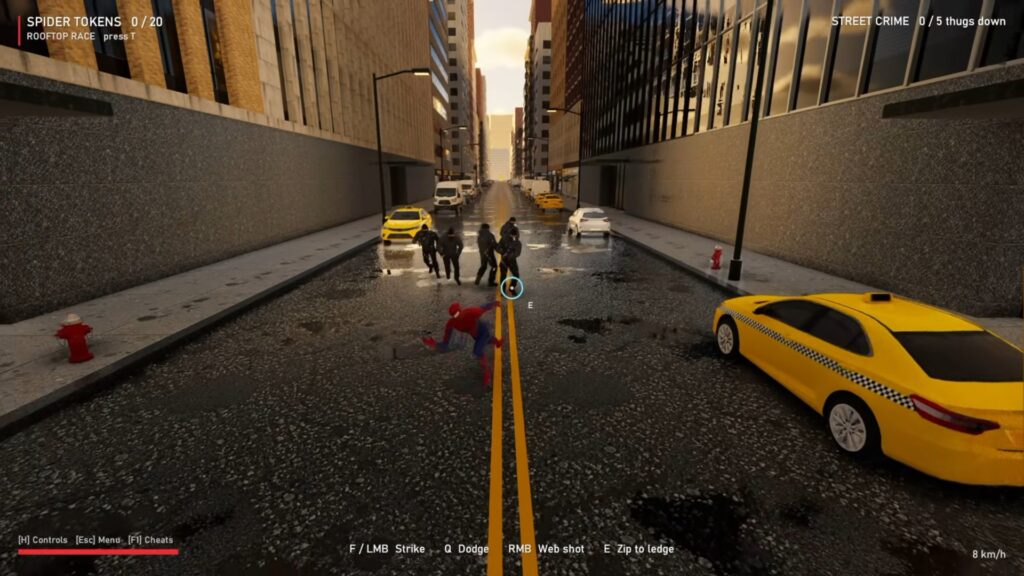
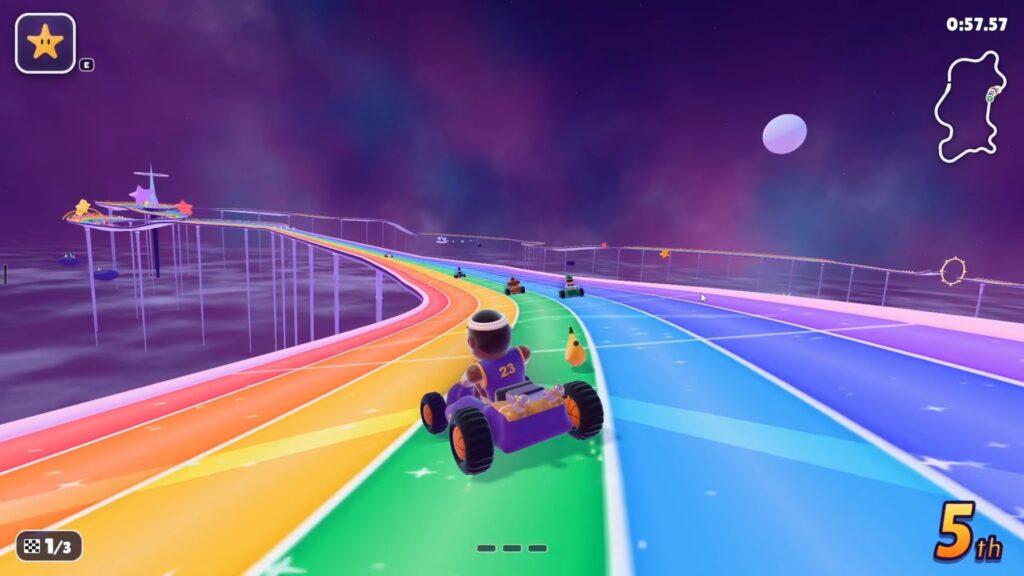
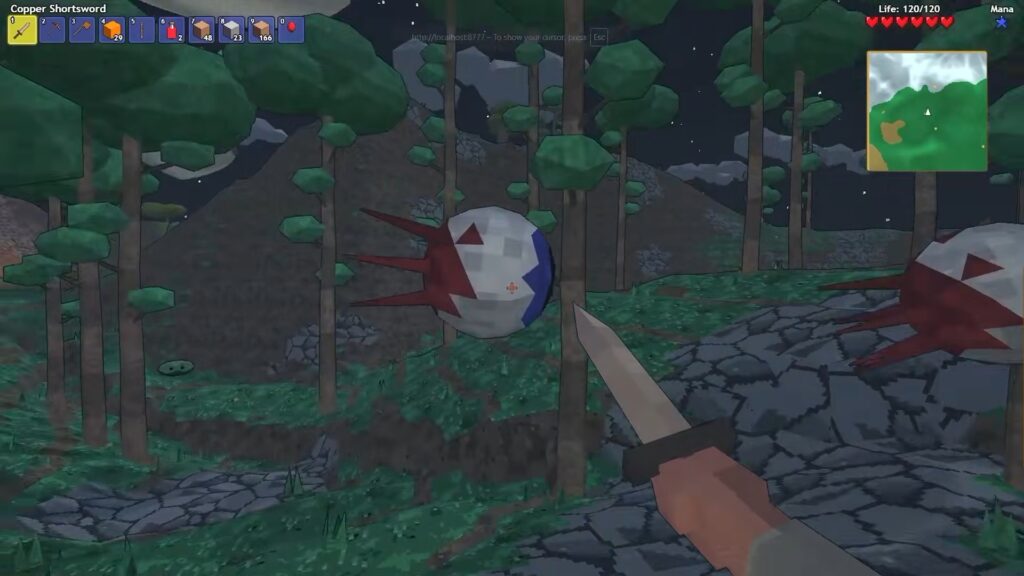
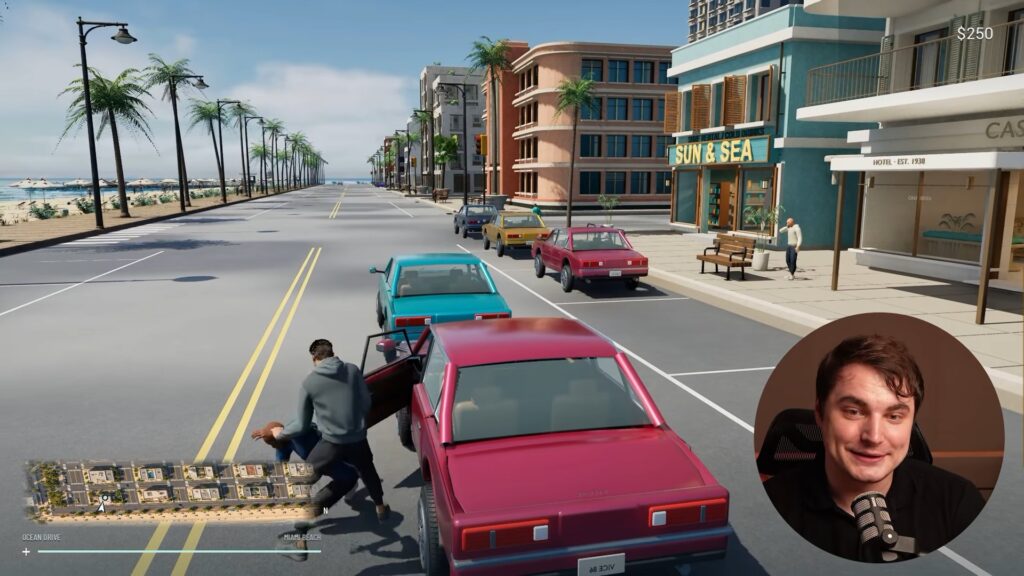
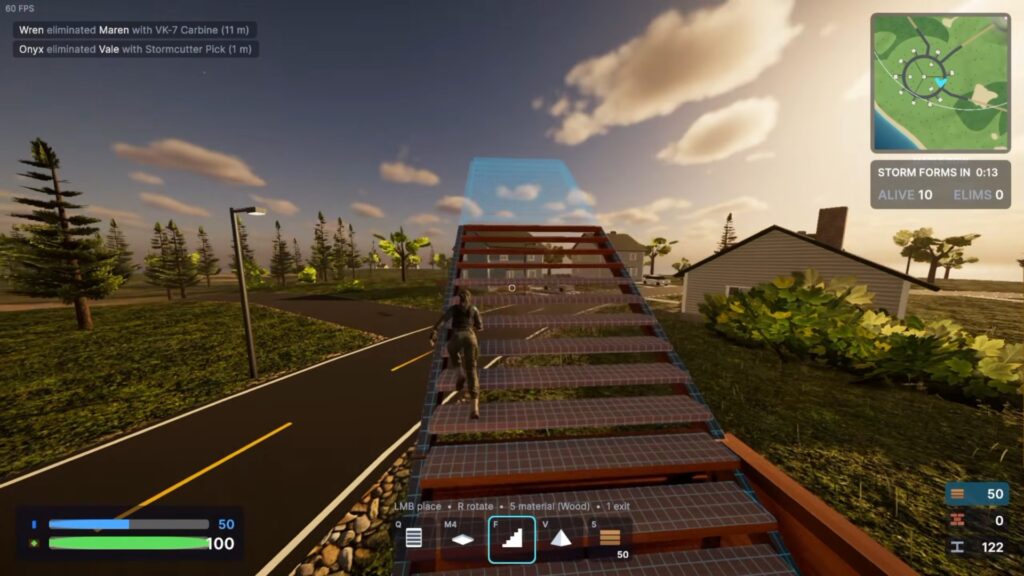
Videogames are the culmination of all forms of digitisable art: the final frontier for generative AI (until it conquers the realm of physical creation). I know the struggle of putting ideas to code, building 3D models, and creating experiences. So, it’s exciting and bitter-sweet to see that AI can produce such functional videogames, with so little human prompting. And, once AI is recursively self-improving, it won’t need any more human capital for training data.
“What’s about to happen to us over the next few years is going to be really, really hard. But it is not the end of human creativity. I don’t believe that.”
– Jack Conte, CEO of Patreon, SXSW 2026.
Conte may be right, but those that carry the torch of human creativity will be niche artisans, taken for granted by newer generations. In 30 years’ time, a Generation Beta couple will walk by a market stall selling small, handmade paintings, and the husband will remark, “‘Handmade’? So, these weren’t made with prompts? Wow.” “That’s so cute!” commiserates the wife, as they continue on.
Even now, the general populace can’t tell the difference between human and AI creativity. A blind 2025 study even found that participants preferred AI-generated art over human art. Dishearteningly, ‘soul’ and the connection between artist and consumer are not valued enough.
The market will determine the fate of artists, but you can vote with your attention.
You can keep art alive.
Choose soul over slop.
Right now, the truth is clear: AI is the future, either way.
 Bethany Miguel
  Sonya Murphy
  bella
bella