

By Damien Humphrys
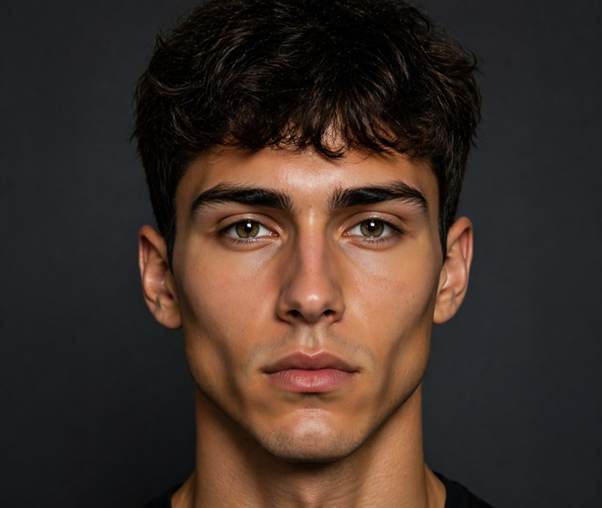
Figure 1: Looksmaxxing content often focuses on achieving an idealised male appearance. Source: Nostrofiglio (2026).
People love saying that looks don’t matter, but I don’t think anyone actually believes that.
We spend hours on social media looking at attractive people, celebrities make millions partly because of how they look, and most of us put at least some effort into our appearance before leaving the house. So why has “looksmaxxing” gained such a bad reputation?
If you ignore all the weird terminology, the basic idea is pretty normal. Looksmaxxing just means trying to improve your appearance. Going to the gym, getting a better haircut, taking care of your skin and finding clothes that suit you could all technically count.
And the reality is that appearance does matter to some extent. A meta-analysis published in Personnel Psychology found that physically attractive people can receive advantages in employment-related situations. It might be unfair, but pretending it doesn’t happen doesn’t make it disappear.
For me, the problem isn’t wanting to look better. It’s how obsessive looksmaxxing can become online.
Scroll through enough of this content and you’ll see people analysing things most of us probably never thought about before. Suddenly your “canthal tilt” matters, your jaw isn’t wide enough, your face isn’t symmetrical enough, and someone better looking than you is “mogging” you.
At that point, are you really improving yourself, or are you just finding more things to be insecure about?
This is especially concerning when younger guys are constantly exposed to it. The American Psychological Association discusses the pressure boys and men can experience around body image, including the influence of idealised bodies in media.
I don’t think looksmaxxing itself is the issue. There is nothing wrong with wanting clearer skin, a better physique or a haircut that actually suits you.
But if improving yourself leaves you feeling worse every time you look in the mirror, then what exactly are you improving?

Figure 2. Looksmaxxing content often frames self-improvement as an alternative to simply accepting your appearance. Source: Welcome.jpeg (2025).
 Debbie Choo
 Bethany Miguel
 Tarkyn Sharples