
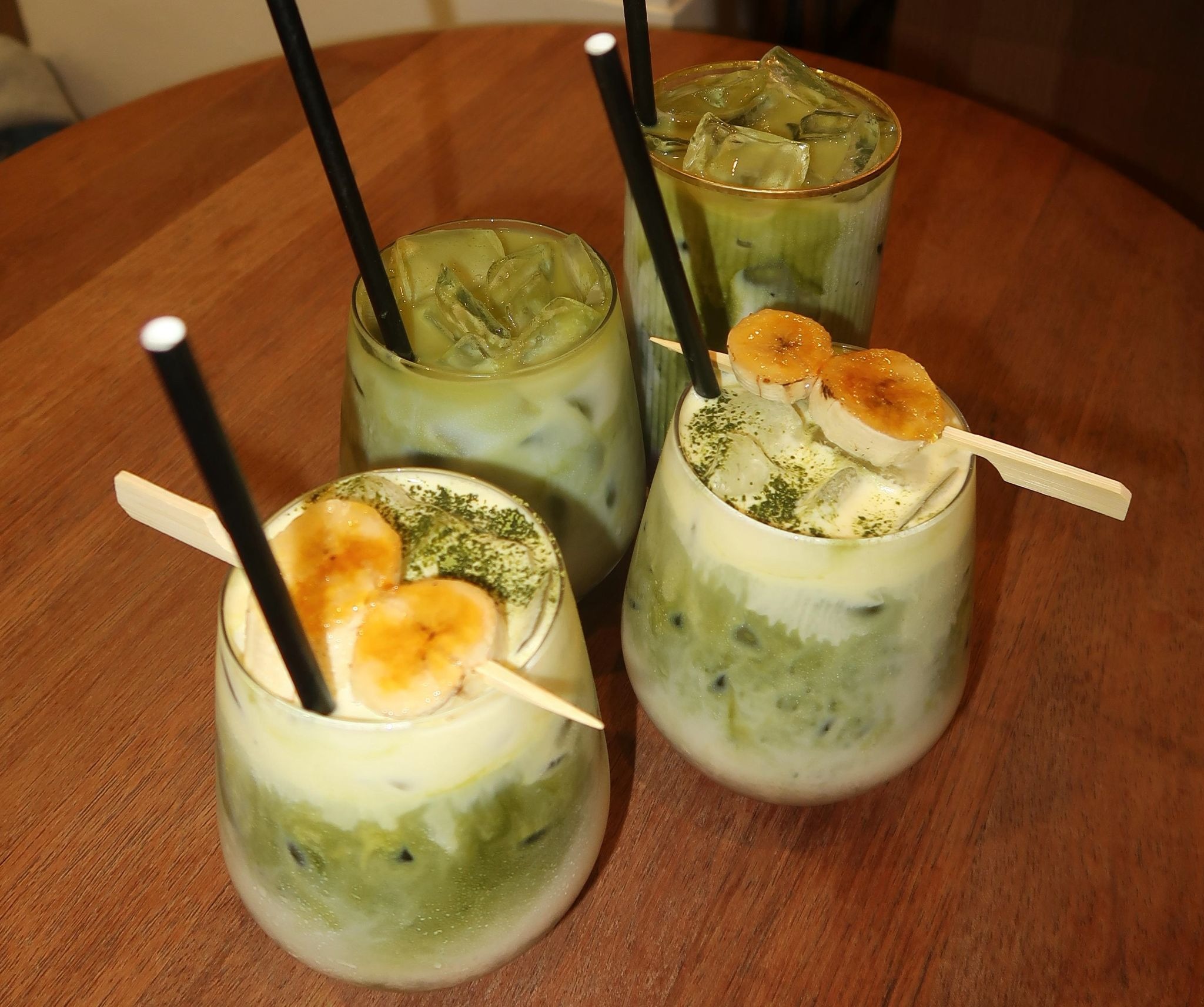
Matcha might be everywhere on social media, but Japan is struggling to keep up with demand. As matcha-related videos and aesthetic morning routines continue to fill social media feeds, the drink’s popularity is creating challenges beyond the screen. Rising global demand has contributed to matcha shortages and record prices in Japan.
Long before becoming a popular café order, matcha held an important place in Japanese tea culture. Traditionally prepared by whisking powdered green tea with hot water, it is closely associated with Japanese tea ceremonies. Today, matcha is also enjoyed in flavoured lattes and shared through carefully curated lifestyle content.
TikTok and Instagram have introduced matcha to a wider audience, turning it into a symbol of wellness, aesthetics and online identity. While this popularity has encouraged creativity and new ways of enjoying matcha, it has also changed how the drink is represented, often placing its modern lifestyle image ahead of its cultural background.
Matcha Before Social Media
Long before matcha became a social media favourite, it held a deeper meaning in Japanese culture. Although powdered tea originated in China, its introduction to Japan helped shape a tradition closely connected to Zen Buddhism. The Zen monk Eisai introduced powdered tea preparation to Japan in the late 12th century, laying the foundations for its development within Japanese tea culture.
Known as chado, or the Way of Tea, the Japanese tea ceremony goes beyond simply preparing a drink. The Urasenke tea school identifies four guiding principles: harmony, respect, purity and tranquillity. These values encourage mindfulness, appreciation and meaningful connections between the host and guests.
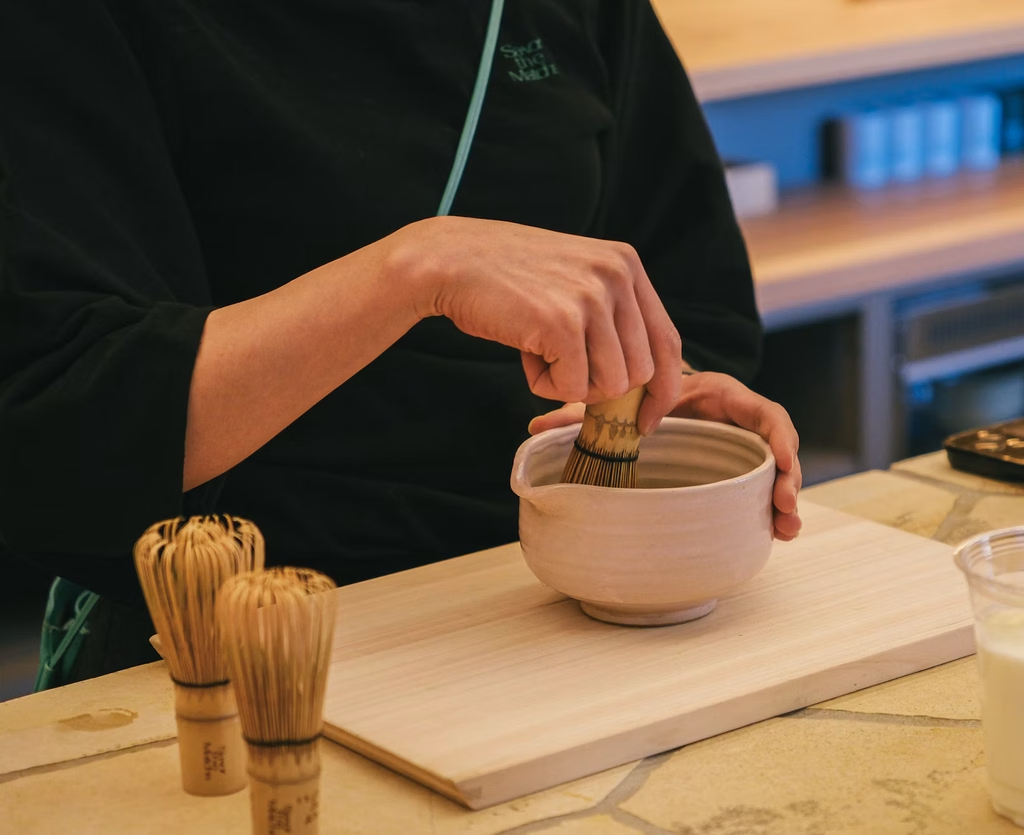
Traditionally, matcha is prepared by whisking finely ground green tea powder with hot water using a bamboo whisk called a chasen. Each movement is performed with care, reflecting the importance of patience and attention.
Today, matcha appears in everything from strawberry lattes to colourful café creations. Its growing popularity has introduced new ways of enjoying the drink, but its cultural significance is not always as visible as its modern presentation.
Social Media and the Matcha Boom
Scrolling through TikTok or Instagram, it is hard to miss the growing obsession with matcha. From experimenting with different syrups to discovering new flavour combinations, creators have turned the green drink into a popular subject for taste-testing videos and creative recipes. What was once closely associated with Japanese tea traditions has become a drink that people can personalise and share online.
Social media creators have become influential tastemakers in this shift. Their taste-testing videos introduce viewers to unfamiliar flavour combinations, making matcha feel more accessible and encouraging people to experiment at home. As viewers discover and recreate these drinks, social media becomes more than a place to watch food content. It also influences what people choose to consume.
A study of matcha content on TikTok and Instagram found that the drink is increasingly presented as a symbol of wellness, social status and aesthetic consumption. Its vibrant green colour and creative presentation make it especially appealing on visual platforms, where appearance can influence how people perceive everyday products. These trends demonstrate how quickly social media can turn creative experiments into new ways of consuming matcha.
Matcha as a Lifestyle
For many young people, matcha has become more than a morning drink. On TikTok and Instagram, it frequently appears alongside skincare routines, Pilates classes, journaling and slow mornings. These carefully curated moments present matcha as part of a balanced and aesthetically pleasing lifestyle, where even making a drink becomes an opportunity to share a glimpse of everyday life.
The growing popularity of home matcha stations reflects this shift. Bamboo whisks, ceramic bowls and neatly arranged matcha tins have become familiar features of lifestyle content. Videos showing creators organising and decorating their matcha stations demonstrate how the space surrounding the drink can become just as important as the preparation itself. Rather than focusing only on making matcha, these videos turn an everyday routine into content that others can watch and recreate.
Beyond its appearance, matcha has become a symbol of wellness and lifestyle, with its appeal shaped by the image people associate with drinking it. By sharing their matcha stations online, creators are not only showing how they prepare a drink. They are also presenting their personal tastes, routines and the kind of lifestyle they want others to see.
However, there is a difference between enjoying a mindful routine and feeling the need to make it look perfect. As matcha becomes increasingly linked to online aesthetics, its appeal is shaped not only by the drink itself, but also by the lifestyle it represents.
Tradition vs Trend: What Happens to Matcha’s Meaning?
As matcha continues to gain popularity online, its cultural meaning is changing alongside the way people consume it. In Japanese tea culture, preparing matcha reflects mindfulness, respect and appreciation of the present moment. On social media, however, these values can take a back seat to colourful lattes, creative flavours and attractive presentations. Although both involve the same green tea, the experiences and meanings associated with it can be very different.
This shift raises questions about authenticity, particularly in how matcha is marketed. Terms such as ceremonial grade are often used to promote matcha as a premium product, suggesting higher quality and a connection to Japanese tea traditions. However, ceremonial grade has no official grading standard in Japan, meaning its definition can vary between sellers. Research into ceremonial matcha and social media marketing also explores how branding influences what consumers consider authentic. This raises the question of whether people are paying for the quality of the tea or the image surrounding it.
Still, modern adaptations should not automatically be seen as a threat to tradition. Flavoured lattes and creative recipes can introduce matcha to people who might otherwise never explore Japanese tea culture. These new experiences can encourage cultural appreciation, especially when they inspire curiosity about the drink’s origins and traditional preparation.
The concern is not that matcha is being enjoyed differently, but that its cultural background can become overlooked when appearance and marketing take priority. Social media can introduce Japanese traditions to a wider audience, but visibility does not always lead to cultural understanding.
Ultimately, matcha’s traditional meaning has not disappeared. It now exists alongside a newer identity shaped by digital trends, lifestyle marketing and consumer preferences. Matcha is no longer just being consumed differently; it is being understood differently, too.
Online Popularity, Offline Impact
Matcha’s popularity may have grown through social media, but its impact reaches far beyond the screen. As colourful lattes and matcha-making videos attract global attention, Japanese tea producers are facing growing pressure to keep up with demand. What appears to be a simple café trend has become a much bigger challenge for the industry behind it.
The shortages mentioned earlier show how difficult it can be for producers to meet growing international demand. Some Japanese matcha brands have introduced purchase limits, while rising prices have made the drink more expensive for businesses and consumers. Unlike social media trends, tea production cannot expand overnight. High-quality matcha requires careful cultivation, harvesting and processing, making it difficult for producers to respond quickly to sudden demand.
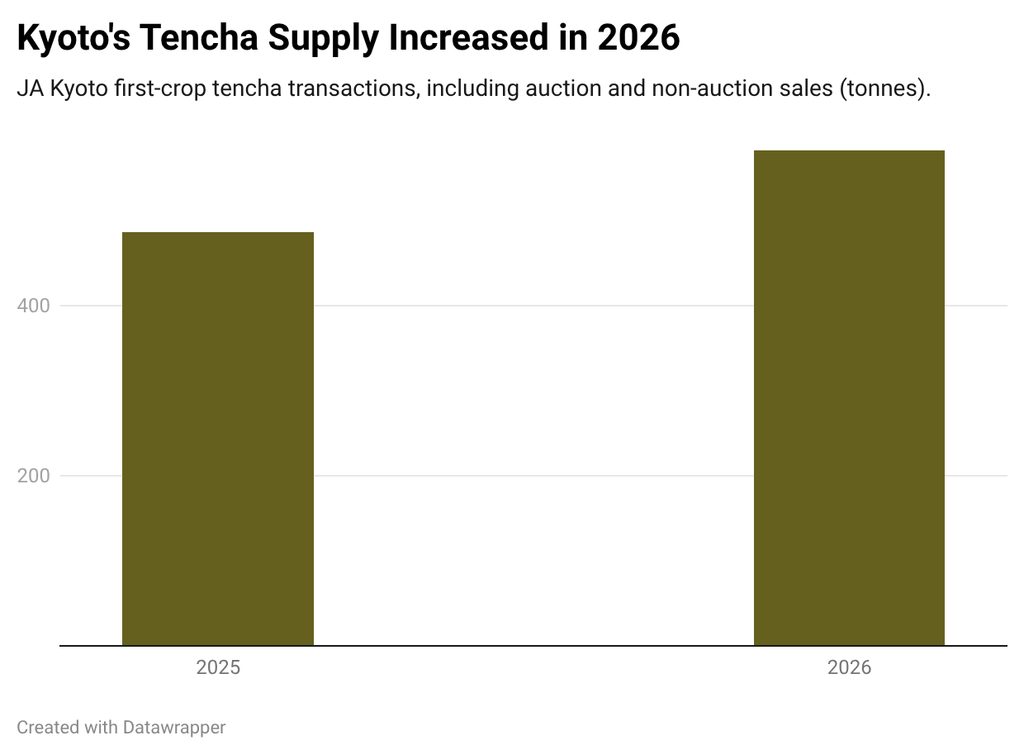
However, recent figures suggest the situation is changing. Kyoto’s first-crop tencha transaction volume increased from approximately 487 tonnes in 2025 to 583 tonnes in 2026. Tencha is the tea leaf used to produce matcha. Despite this increase, average first-crop auction prices were still around 22% higher than the previous year.
Beyond these economic challenges, matcha’s global popularity has also changed how people understand its cultural meaning. While social media has introduced the drink to new audiences, its traditional roots can sometimes be overshadowed by modern lifestyle trends. However, enjoying creative variations does not mean abandoning Japanese tea culture. Both can coexist when people remain curious about matcha’s origins.
Ultimately, appreciating matcha should mean more than following the latest trend. It should also mean recognising the culture and people behind every cup.
 Joleen Jublee
 claire
 Jonte Siegel