
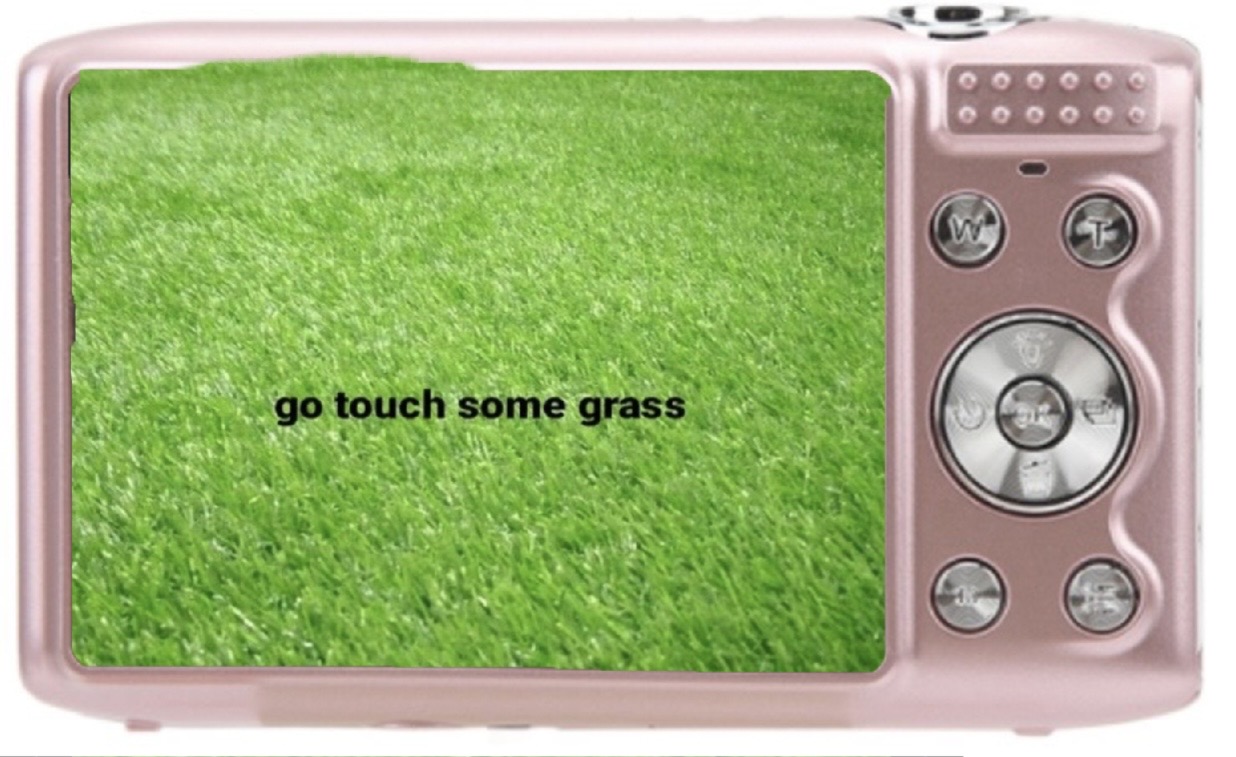
By Jonte Siegel .
Posted 23/10/2026
The first time I noticed that being offline had become trendy, I was online.
I had just returned from a day’s work, checked my social media and saw a stranger’s video about the joys of being offline. The video about not being on your phone, being filmed on a phone, and posted online was perplexing.
This video, amongst countless others, is positioned at the centre of a trend that is all over social media. Gen Z is picking up flip phones, digital cameras and other technology that was quintessential to 2000’s culture. Some of these users pick up the ‘old’ tech in an active attempt at disconnecting from social media and living in the moment, whereas others see it as a style focused trend that is no more than a picture to post with a wellbeing caption.
This article gives both of these perspectives an equal hearing in an attempt to find the reasoning behind this new ‘trend’.
Gen Z Under Strain
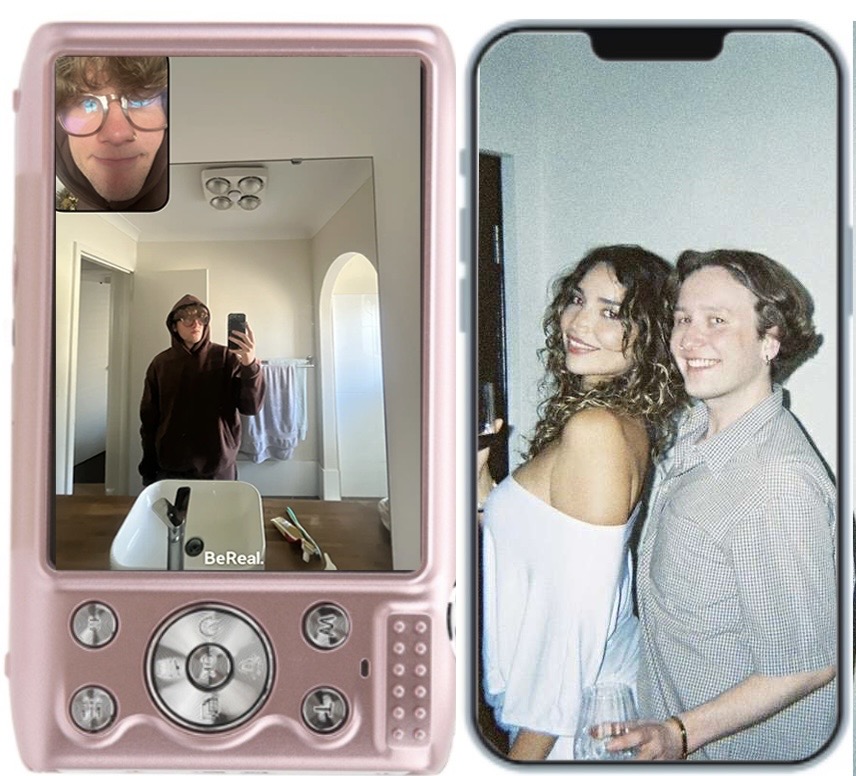
A 2025 Civic Science Survey found 68% of Gen Z adults with digital devices consider themselves addicted to their appliances. The same research found ‘as many as 23% of consumers with a smartphone say they’re at least ‘somewhat’ likely’ and ‘39% of Gen Z adult smartphone owners’ are likely to make the switch to a flip phone or cellular device that is absent from social media.
Perhaps this desire to switch back to a simpler cellular alternative is derived from a sense of nostalgia or envy. A report from NPR explains that the youngest of Gen Z have not lived in a world without an iPhone, which could describe their yearning for a simpler way to communicate. Whereas older Gen Zs have experienced the vast technological advances in cellphones and technology, and miss the nostalgia of simple technology and the time associated with it.
The Wellbeing Case
Siobhan Peter, a 23 year old online University student who does a majority of her learning on the internet, frequently goes offline for her mental health. Her new routine derives from a need to prioritize her wellbeing.
She says:
“I spend everyday studying online and communicating with friends online and I just felt… gross about it. I heard the term touch grass and went the extra mile. Logging off actually helped me study because being on the internet made me feel… productive for a change because I associated technology as a study tool, not a social one.”
What was interesting however, is that she did not dismiss the aesthetic side of this trend. Though her priority is her wellbeing, there’s the added value of its aesthetic.
“I mean I only use a digital camera when I am out and about… and it is fun! And when I relog on to social media for a few days, I post those photos because those are the only photos I have. So I guess more people could ease into using older tech because they think it’s trendy, but it is also helping them!”
The Style Case
The other argument is purely based on aesthetics. Within the NPR report, a freelance lifestyle reporter Elizabeth Gulino says people are nostalgic for the party lifestyle and ‘living in the moment energy’ of the early 2000’s that can be encapsulated in the grainy film of a disposable camera.
But the line blurs on whether it is actually living in the moment or if people love the digi-photo and flip phone aesthetic for what it connotes on social media: early nostalgic fun.
TikToker, @lifewithhope posted an aesthetic ‘unwinding video’, made for the ‘unwinding’ trend. But it appears as an antithesis. Disconnecting from the online world, by posting it to the world. It’s examples such as this, and the claim of ‘2000’s nostalgia’ that make the wellbeing perspective seem redundant, and positions this trend as purely based in aesthetics.
The Indifference Case
Curious if a similar mentality was shared with someone indifferent to the trend, I spoke to Eva Li, a 24 year old lawyer who neither follows the trend nor is trying to make a disconnect from the Internet.
I asked her whether she feels the trend is performative or sincere.
She says:
“Look, I like digital camera photos… but the trend side of it I think is only reaching the people that actually care to talk about it. If I am given a photo of me from a flip phone or whatever, I post it because it is a nice photo”
She proceeded to say,
“If I post a photo that’s been taken from an old phone or whatever, it’s not because of an aesthetic or mental health thing… It’s because I look good in it.”
Her point about the trend only reaching those that care about using Y2K technology intrigued me. Perhaps, regardless of why people are using older technology, the bubble only exists between the two opposing sides. Separating them as aesthetic vs. wellbeing driven could be simplified as those who use older technology vs. those who don’t.
The Commercial Case
The market has seen this trend and has taken it under its wing.
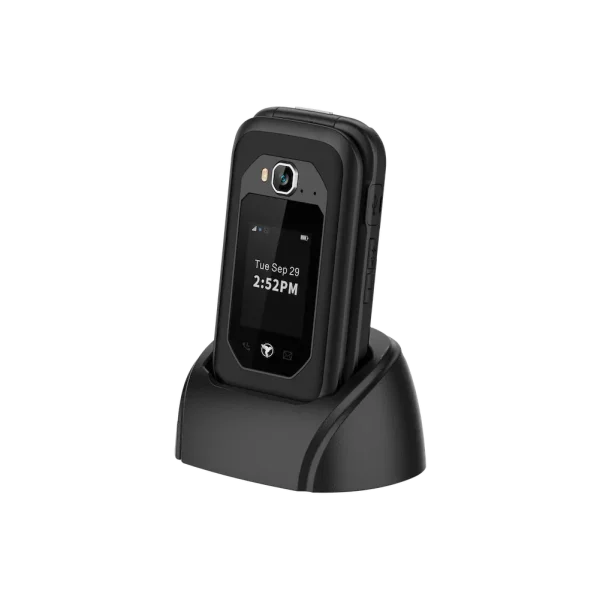
New phones, some of which are detailed in Nathan Covey’s Substack post, are the new phones that emphasise a wellness angle, whilst maintaining modern features to make the transition into digital-disconnectivity easier. Maps, a camera and touchscreen features are some of the aspects that these new phones possess, whilst keeping it simpler than a new age phone.
These new style phones work for cases of people who tried the digital disconnect, but could not function without the accessibility phones give us today.
A Doorway, Not A Destination
To frame this trend as strictly for wellbeing or aesthetic is counterproductive. The trend is neither, but also both. Feeding into one another. People may start using older tech for aesthetic value, and later adopt the lifestyle. Or some people may want to take a step back from the internet, and end up posting their time because it looks aesthetic. Both can be simultaneous. If someone wants an aesthetic photo and using a digi-camera makes them look away from their phone and be in the moment, is that not unintentionally a wellbeing improvement?
With a completely connected digital world, and the rise of AI, a small step to a disconnect regardless of the method in which it is achieved, is a positive.
There is of course, the possibility of this trend dying like other resurgence cycles. The revival of 80’s fashion in the 2000’s for instance.
So what is the answer? I don’t think there is, and I suspect it is not a fixed perspective for everyone using a flip phone or holding a digi-camera.
The trend is a gateway. A partly performative, partly authentic lean into better habits.
Whether more people lean into this disconnect or not, only time will tell.
 Joleen Jublee
 claire
 Karissa Pereira