
Silar, CC BY-SA 4.0, via Wikimedia Commons
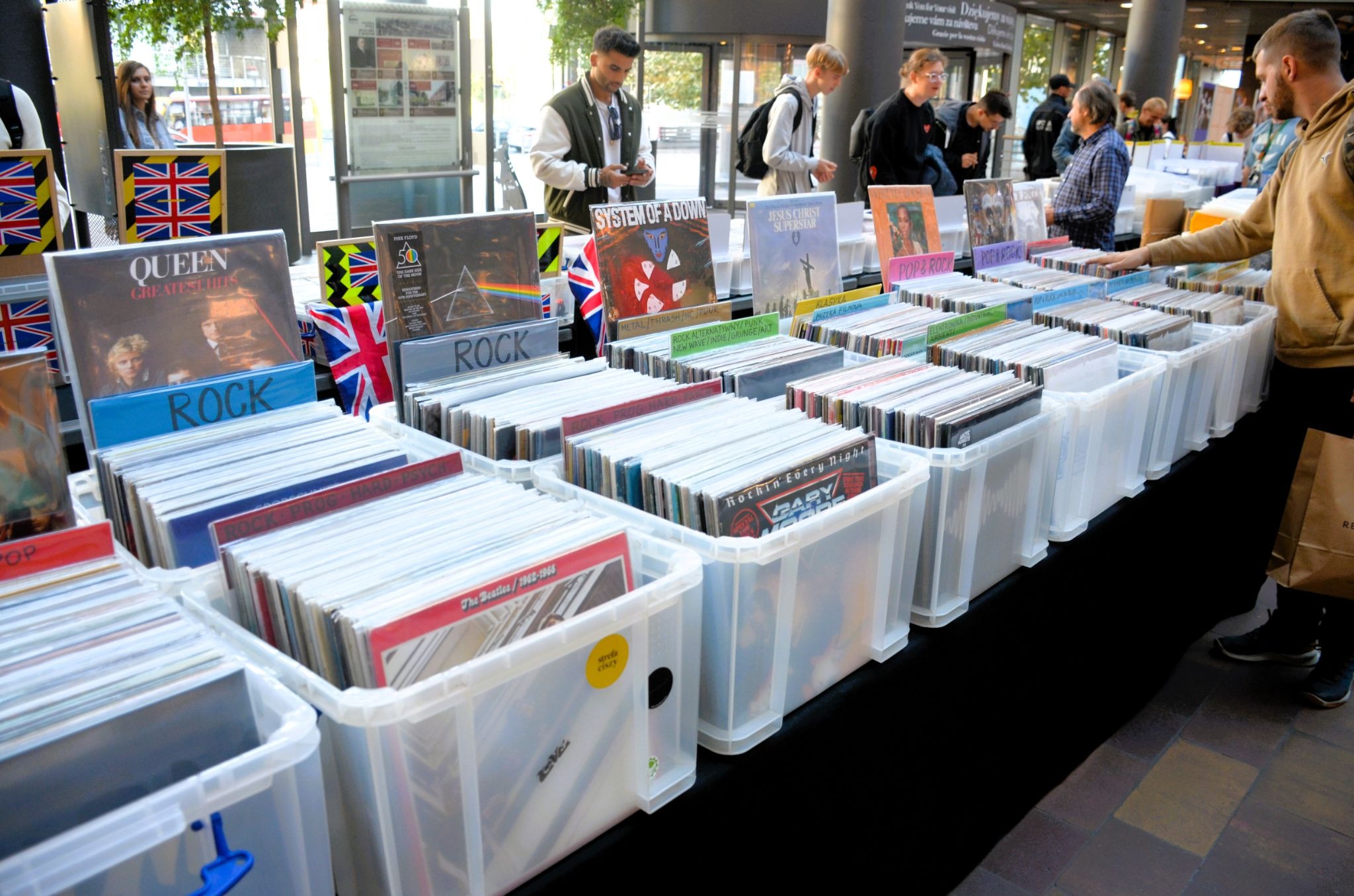
Music has never been made easier to access. With digital platforms such as Spotify, YouTube Music and SoundCloud, millions of songs have been made accessible through the touch of a button. Whether that is through the free plans with advertisements, or the paid plans costing about $8 to $16 per month for unlimited access. On the other hand, vinyls can cost about $40 or even much more, take up physical space, and require you to go through a whole process to play a song. Despite this, people are still buying them, even with the availability of convenient digital streaming services.
As a vinyl collector myself, I’ve wondered why I’m willing to spend so much on vinyl when I can find the same songs online, and what exactly I’m getting out of it that streaming doesn’t provide. What are we really buying when we purchase vinyl? With streaming as a dominant method of music consumption, its continued appeal raises a bigger question. Is it the music itself, the experience, or the ownership and connections that come from having a physical record?
Vinyl revenues in Australia have increased by 4.1% to AUD$46.3 million, with over 1.2 million vinyl albums sold according to the Australian Recording Industry Association (ARIA). At the same time, streaming accounted for 71% of music revenue in Australia. And this isn’t just happening in Australia. The International Federation of the Phonographic Industry (IFPI), which represents the recording industry worldwide, has also reported that physical music revenue has grown by 8%, reaching US$5.3 billion, with vinyl revenues increasing by 13.7%, and noting that 2025 was the 19th year of its consecutive revenue growth (IFPI, 2026, p. 8). These figures highlight an interesting contrast. Streaming is dominating music distribution, yet vinyl is still seeing substantial growth. This growth suggests that the convenience of streaming may not necessarily be what people consider when experiencing music.
Tangible Ownership, Collecting and Album as Artworks
NEXUS6N6MAA10816, CC BY-SA 4.0 , via Wikimedia Commons
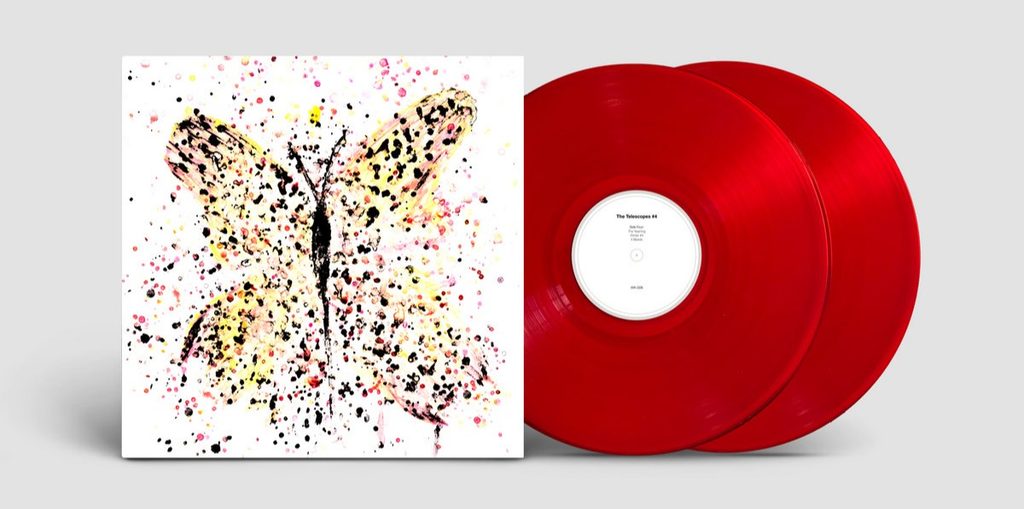
I think part of vinyl’s appeal for me is its tangibility. Streaming platforms provide easy access to lots of songs, but that access is different from physically owning a copy. A record can sit in a shelf, on a display or even in a frame. For collectors like myself, building a collection can be a way to express individuality, document taste or even as a way to keep personal memories. The record then feels like more than just pressed songs, but instead has a sentimental value for vinyl enthusiasts. Furthermore, in an interview with The Age, the creative director of The Vinyl Factory, Sean Bidder, recognises vinyl as artist merchandise that supports artists.
“It’s a bit like wearing a T-shirt by a band you like – it’s an expression of how passionate you are, how committed you are. They’re also valued as beautiful objects worthy of display, or simply a way to detach from your phone and computer.” – Sean Bidder, 2026
As a part of its tangibility, the physical vinyl cover designs, sleeves and inserts can be seen as art and an experience. Mac Miller’s “The Divine Feminine” 10th Anniversary Deluxe Vinyl is an example of vinyl as artwork. It demonstrates how a physical release can turn an album into something fans can experience physically, display and collect.
Another good example is zoetrope vinyls. Its presentation becomes a part of how listeners engage with music, rather than the music existing solely as audio on a screen.
In an interview for the BBC, BBC Radio Ulster broadcaster Ralph McLean stated that “People love to be able to hold the record and read the sleeve notes. They love to be able to look at the art of the record sleeve.” So maybe the appeal lies not just in the music itself, but also in the physical, artistic experiences that come with it. For vinyl collectors, these things can make an album feel like something worth keeping, even though it is readily available online. This raises the question of whether vinyl consumers are simply buying music or an object that can represent their identity and interests.
Vinyl as a Ritual and Experience
Shixart1985, CC BY 2.0 , via Wikimedia Commons
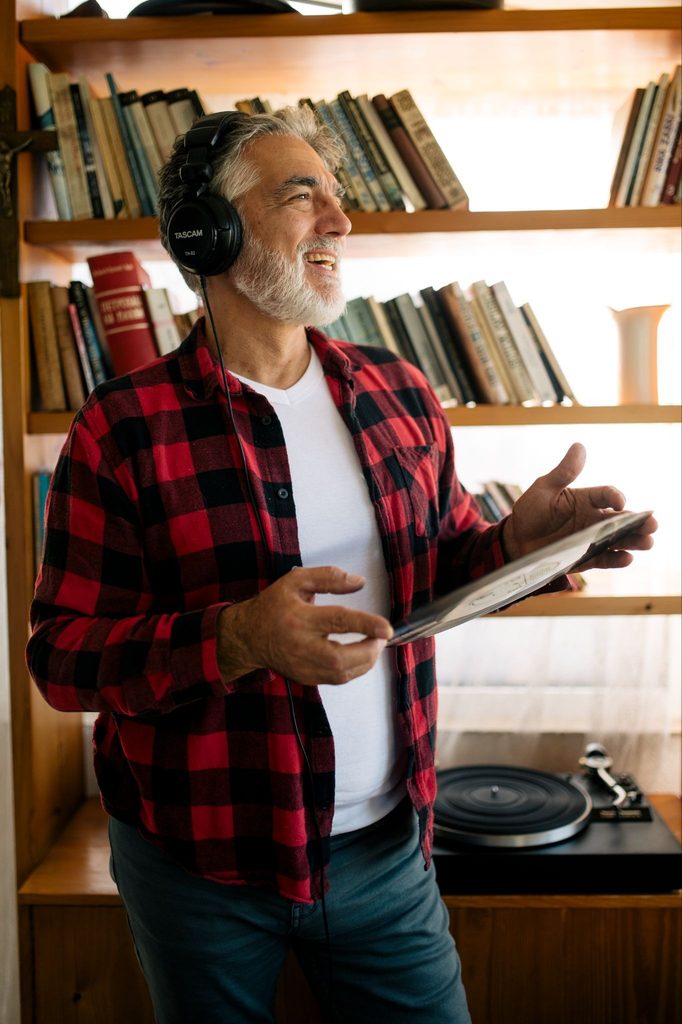
Playing a record requires a series of physical actions: picking a record, removing it from the sleeves, placing it on a turntable, dropping the needle and then flipping it over after. Comparing that to streaming, where you can just click play and a song will start instantly, these added steps can make listening feel more intentional. This longer process that you have to do to listen to a song could encourage listeners to spend more time with an album, and appreciate it fully. Streaming on your device could make listening much easier and efficient, but it’s also much easier for you to skip songs, switch playlists, or move between artists instead of appreciating the artistry and intentional placements of an album sequence. That doesn’t mean listening through streaming can’t be intentional, but rather that vinyl introduces a ritual that can make listening feel more intentional and focused. It can even be nostalgic for some, allowing listeners to relive an earlier era of music consumption that can help to bring back experiences that may be associated with certain records or even the act of playing a vinyl itself, and not to mention the sound quality and warmth that vinyl provides.
Mitchel Lensink lensinkmitchel, CC0, via Wikimedia Commons
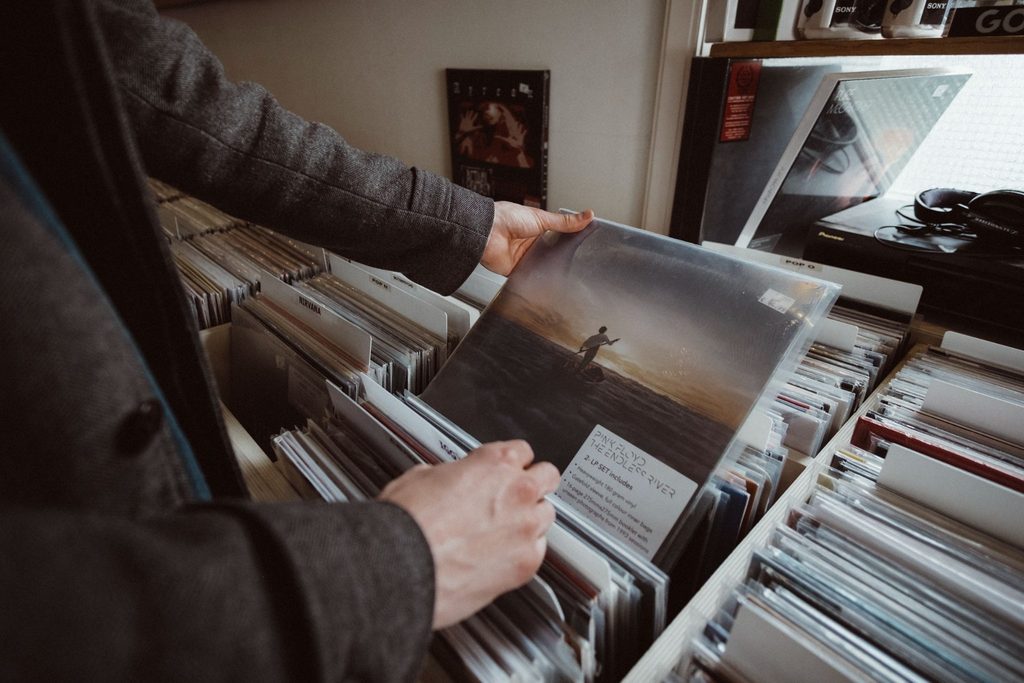
Beyond playing a vinyl, its experience extends to vinyl shopping and finding music that one enjoys while browsing through a store. Flipping through albums, examining which artworks or titles seem familiar, looking for a vinyl you’ve been wanting can all be part of the experience. In an interview with the BBC, vinyl store owner Nico Devito says that “You can get anything at one click, but I think people are starting to appreciate the beauty of being able to walk into a shop and have that experience of lifting the thing and checking it out.” Events such as Record Store Day, which is celebrated with exclusive releases and special editions, further encourage people to go down to vinyl stores and participate in the shared experience of vinyl culture and its collection.
These experiences do come with a cost. Records can be expensive, especially if they are limited edition releases, and you’ll need to get a record player, speakers and any additional equipment, which will need more time and care compared to streaming on a device. Do the experiences justify the costs? I think it ultimately depends on what the listeners value. For vinyl enthusiasts like myself, maybe the extra effort is what makes vinyl worth while.
Algorithms, Digital Fatigue & AI
https://www.hippopx.com/en/free-photo-zdlit
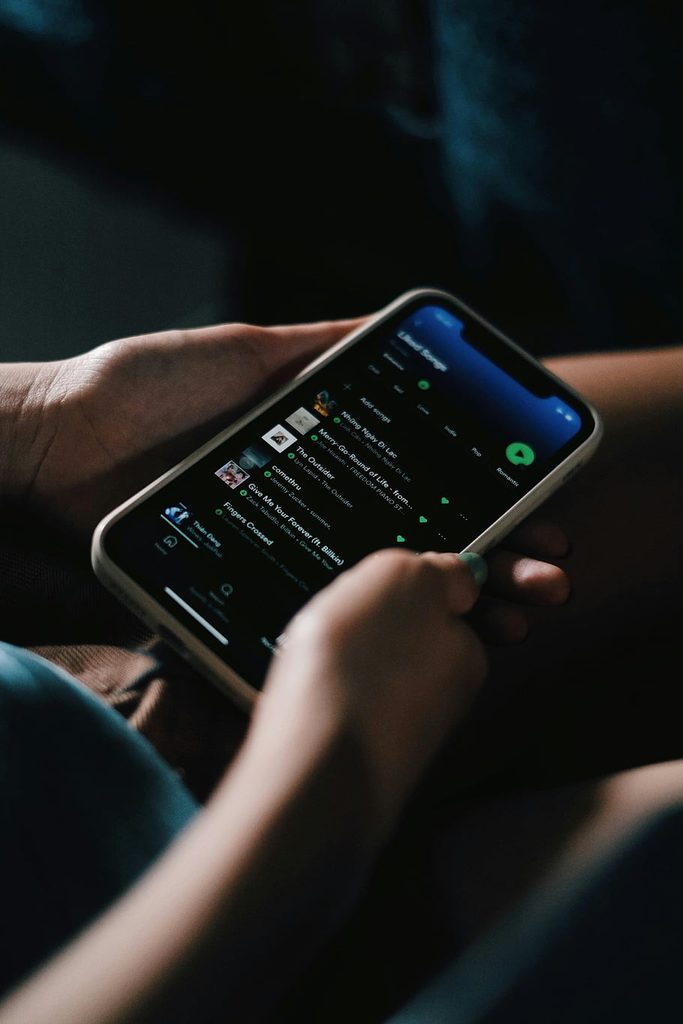
Digital streaming platforms have an abundance of music, with custom playlists or curated “daylists” and automated recommendations which can make music discovery easier than ever. However, while these features can help to introduce listeners to artists they may not have known otherwise, it can also influence how people encounter music. If users were to depend on suggestions, which are based on their past listening habits, it can be harder for listeners to find something new or different. Music listening can be more convenient, but perhaps less deliberate.
Vinyl can be seen as a more meaningful or deliberate way to engage in music and have control over the music that you want to listen to. Perhaps vinyl can offer a stronger sense of connection to music. Compared to just playing a song from a digital platform, listeners have to intentionally pick out what they want to listen to, or in the context of vinyl shopping, it could be picked based on the artwork, whether it was on display, or if someone were to recommend it.
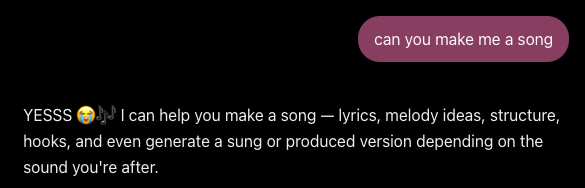
It may not be directly responsible for the growth of vinyl, but perhaps the rise in artificially generated music may provide another example of contrast between digital media and the finite and tangible nature of physical records. The ease in creation and accessibility for AI music has increased with generative applications like Suno. This could possibly raise questions on creative integrity and authorship, however there is no clear basis that confirms AI music as a reason listeners prefer vinyl consumption. Instead, it highlights a broader tension within the digital music market, where music is easily accessible and increasingly produced.
Ultimately, vinyl’s continued popularity despite the availability of efficient accessible streaming methods suggests that there is more to vinyl than the music itself. Whether it is the tangible ownership, building a personal collection, displaying or experiencing an album as interactive artworks, its experience, or a response or protest against repetitive and limited algorithmic suggestions and AI generated music. I still find myself spending loads of money on vinyl despite my premium streaming memberships that cost a fraction of the price. I find that there is just something satisfying about intentionally picking and listening to albums as a whole, appreciating the storytelling portrayed through its experiences, which I feel are difficult to replicate through a screen. Perhaps vinyl and streaming platforms are not competing with the same purpose, but rather that people can value different formats for different reasons.
References
Australian Recording Industry Association (2026). Recorded Music Grows in 2025. https://www.aria.com.au/industry/news/recorded-music-grows-in-2025
Elie.vinyl (2026) My Prettiest Vinyl Records https://www.tiktok.com/@elie.vinyl/video/7666110235978779936?q=elie.vinyl%20zoetrope&t=1792774390198
Hidef. (2026) Unboxing Mac Miller’s The Divine Feminine 10th Anniversary Deluxe, and THIS is how you do an anniversary release https://www.tiktok.com/@hidef/video/7695891451128909069?q=mac%20miller%2010th%20anniversary%20vinyl&t=1792774156776
Indie Vinyl Den (2026) What Is a Zoetrope Vinyl? The Animated Picture Discs Collectors Love. https://www.indievinylden.com/blogs/news/what-is-a-zoetrope-vinyl-the-animated-picture-discs-collectors-love?srsltid=AYCX9vILyTZpPHbF1d6OGUI5k26_1jrACi_IjeKfbGkRoFnkeBRVDMmz
International Federation of the Phonographic Industry. (2026). Global Music Report 2026 – State of the Industry https://www.ifpi.org/resources/
Jinman, Richard. (2026) Everyone said vinyl records were dead. Gen Z had other ideas. The Age. https://www.theage.com.au/culture/music/everyone-said-vinyl-records-were-dead-gen-z-had-other-ideas-20260507-p5zuuy.html
Mac Miller Shop (n.d.) THE DIVINE FEMININE 10TH ANNIVERSARY DELUXE VINYL https://shop.macmillerswebsite.com/products/the-divine-feminine-10th-anniversary-deluxe-vinyl?variant=44190637293646
Record Store Day (n.d.) About Us https://recordstoreday.com/CustomPage/614
Spotify. (2023.) Get Fresh Music Sunup to Sundown With daylist, Your Ever-Changing Spotify Playlist
https://newsroom.spotify.com/2023-09-12/ever-changing-playlist-daylist-music-for-all-day
Sproule, Luke. (2025) Vinyl boom is ‘lifeline’ says music shop owner. BBC News. https://www.bbc.com/news/articles/cj4yj5xvdlqo
Suno (n.d.) Home https://suno.com/home
The Vinyl Factory. (n.d) About https://www.thevinylfactory.com/about
YouTube (n.d.) YouTube Music Premium https://music.youtube.com/music_premium
 Joleen Jublee
 Jonte Siegel
 Karissa Pereira