
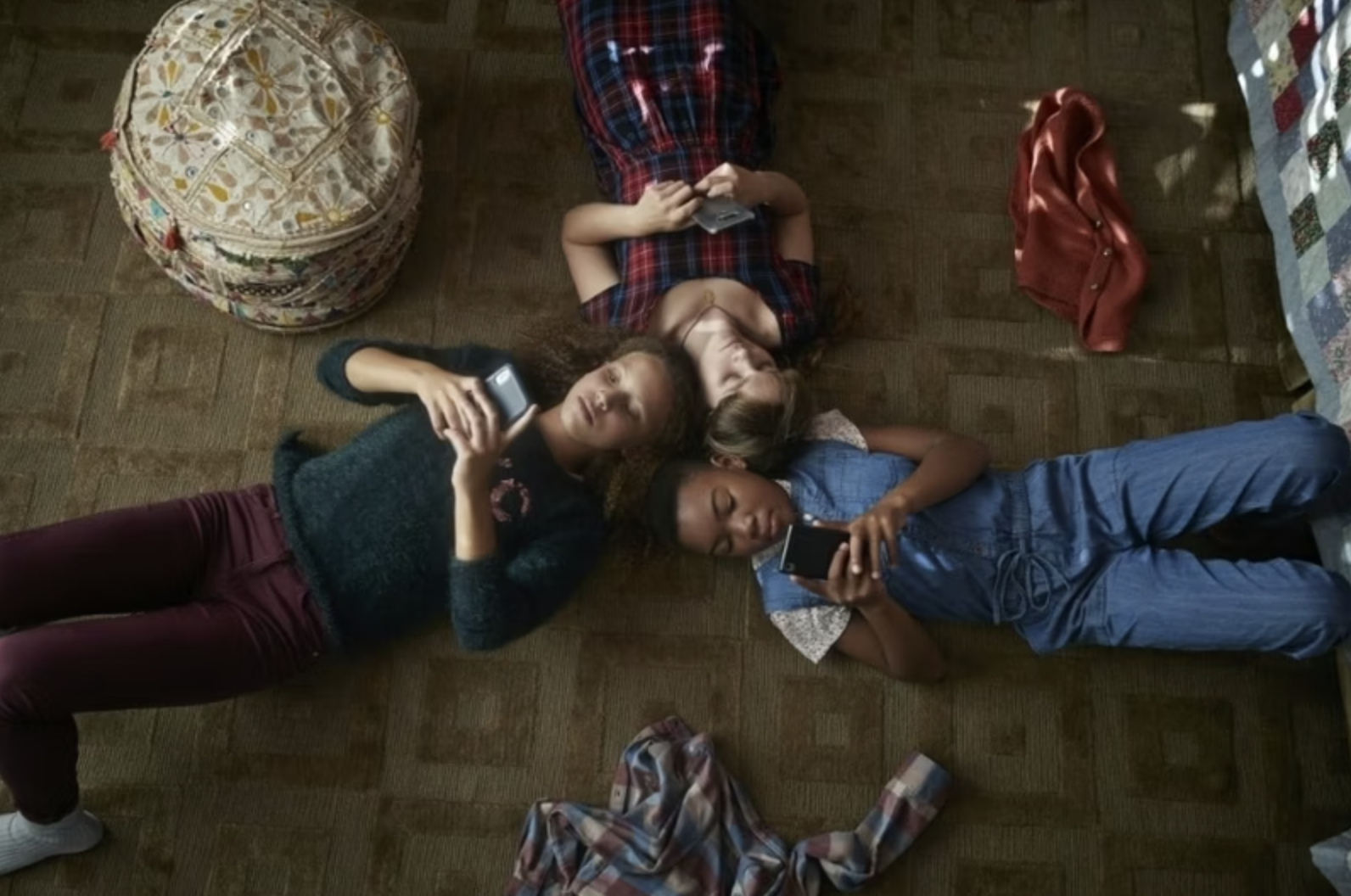
What is true? Is it the emotion you really feel now, or the screen in front of you?
Imagine a sunset, a birthday dinner, or a trip with friends. For many people today, the first reaction is often not to enjoy the present, but to shoot, edit, publish, and then refresh the screen to confirm whether the content is popular.

The Image Source above: Getty / Diana Hirsch The Image Source picture below: PhotoMeister
This transformation is closely tied to the rise of the attention economy, where human attention has become a profitable resource for digital platforms (Newman, 2026). Social media platforms no longer simply provide spaces for self-expression. Instead, they shape how users present themselves online by rewarding content that attracts engagement and visibility. Under this system, everyday life is increasingly transformed into a form of unpaid digital labour that generates commercial value for platforms.
This article argues that the attention economy transforms lived experience into performative digital labour by encouraging users to shape their lives for visibility, online validation, and platform profit.
The following analysis will examine how algorithms shape visibility, how likes train users to perform, and how platforms profit from this unpaid labour.
The Invisible Architect: How Algorithms Decide What is ‘Real’
Social media algorithms, in the logic of the attention economy, have an unprecedented power in controlling what is online and what social media users perceive as valuable, worthy of attention. Algorithms do not act as neutral classification tools, but encourage users to participate in interaction, thus affecting the way people show themselves and record their lives on the Internet.
Duffy and Meisner (2023) argue that social media platforms operate through systems of algorithmic governance that reward content capable of maximising visibility and interaction while suppressing posts with lower commercial or engagement value. Similarly, Duffy and Sawey (2022) note that platforms encourage users to reproduce specific visual styles and online behaviours that align with platform-driven engagement metrics. Under this system, visibility is no longer distributed organically but increasingly determined by commercial and algorithmic platform logic.
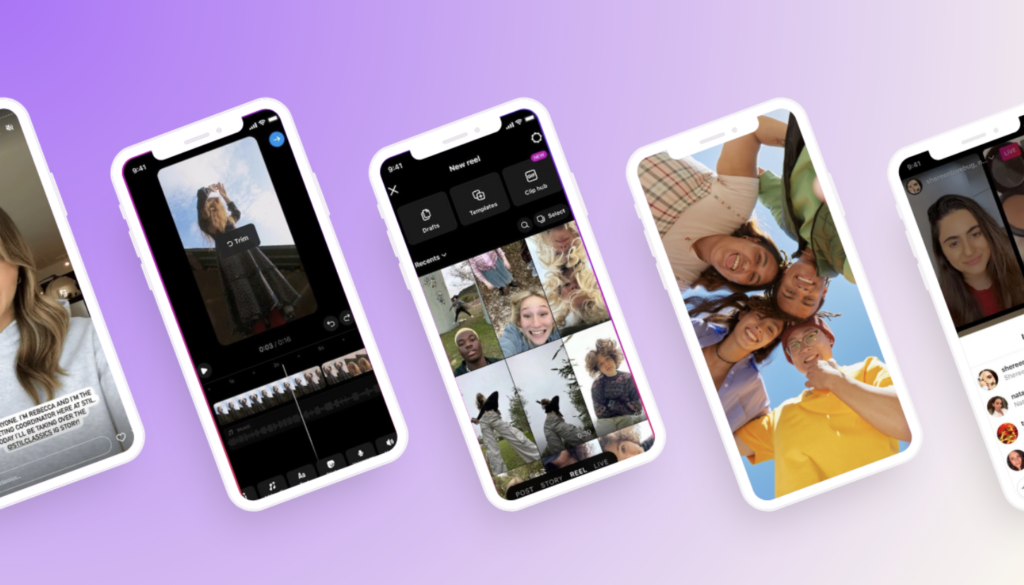
Image Source: Shannon Jade
As a result, users gradually internalise algorithmic expectations before they even post online. Rather than documenting experiences spontaneously, individuals often filter, edit, adjust, or stage moments according to what is perceived as visually appealing, shareable, or likely to gain engagement. Everyday experiences are increasingly evaluated through the lens of potential visibility, encouraging users to prioritise content performance over authentic expression.
This influence is particularly visible in the rise of “check-in culture” across platforms such as Instagram and TikTok. As Blount (2020) observes, many tourists now focus more on capturing algorithm-friendly photographs than genuinely experiencing the places they visit. Iconic destinations such as Horseshoe Bend have become heavily staged photo backdrops, where visitors reproduce similar poses and visual compositions designed to maximise online engagement.
This logic extends to cafés, restaurants, and home interiors, which adopt predictable “Instagrammable” aesthetics to attract attention. The physical environment itself begins to conform to algorithmic preference: a café that does not offer a visually striking corner may be overlooked by visitors whose primary goal is content creation rather than consumption. In this sense, algorithmic visibility does not merely reflect existing popular places; it actively reshapes how spaces are designed and experienced.
Over time, this constant pursuit of visibility contributes to a noticeable aesthetic homogenisation across social media platforms. When the same visual templates consistently generate higher engagement, users gradually abandon more personal or unconventional ways of documenting their lives. Diverse personal experiences are increasingly compressed into predictable, platform-approved content styles. For example, a traveller visiting a famous landmark may take the same photograph from the same angle as thousands of previous visitors, not because it is personally meaningful, but because that specific composition performs well.
Furthermore, this homogenisation affects how users perceive the boundary between public and private moments. A spontaneous family dinner may now be staged as shareable content if it fits algorithmic expectations. Users learn to recognise which aspects of their daily lives have ‘post potential’ and which do not, gradually filtering out the mundane or unstructured. Over time, what gets documented is not a faithful record of lived experience, but a curated subset aligned with what the algorithm rewards.
Thus, algorithms do not simply reflect social behaviour; they increasingly shape how users experience, evaluate, and represent reality online. The decision about what feels worth remembering becomes entangled with what the algorithm is likely to see.
The Digital Stage: When Life Becomes a Performance
Why do users care so much about likes and comments? The answer lies not in the features themselves, but in what they have come to represent. On social media platforms, a post with few interactions is often interpreted not as unlucky timing, but as social failure. Users learn to read low engagement as a sign of personal inadequacy, which in turn prompts them to constantly monitor audience reactions and adjust their behaviour accordingly.
Over time, visibility itself becomes a form of social capital closely related to identity, recognition, and self-worth. When likes, comments, and follower counts become measures of social approval, people begin judging their own lives based on how others respond online. Instead of simply living in the moment, many users begin thinking about how an experience will look online before they fully experience it themselves.
Without fully realizing this shift, people begin measuring personal milestones by likes and shares. A birthday, a promotion, or a holiday is measured partly by how many likes it receives. This institutional pressure does not just change what gets posted online; it changes how life is experienced offline. Private existence gradually becomes a calculated, curated performance.
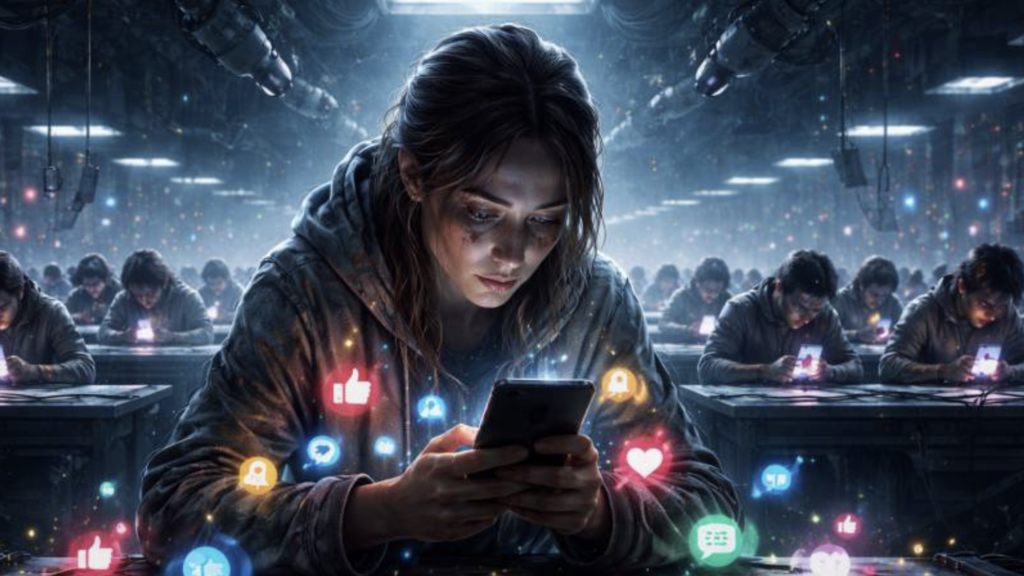
It is within this context that social media engagement metrics such as likes, comments, and shares function as powerful reward systems that encourage users to transform everyday behaviour into deliberate online performance. Within the attention economy, these forms of interaction are not simply casual feedback but a form of social validation that shapes how individuals present themselves and experience their lives.
Lindström et al. (2021) explain that social media platforms operate similarly to a modern “Skinner box,” where users are conditioned to repeat behaviours that receive positive reinforcement through likes, visibility, and engagement. As a result, users increasingly adjust the content, timing, and style of their posts to maximise digital approval. Over time, engagement becomes a dominant measure of personal success, gradually replacing genuine emotional satisfaction with platform-based validation.
This reward-driven system has contributed to the rise of what Maares et al. (2021) describe as “authenticity labour,” where users carefully construct performances of naturalness and relatability while still conforming to platform expectations. In other words, users have to work hard to look like they are not working at all. They delete awkward photos, rewrite simple captions several times, and choose filters that make ordinary moments look warm and real. All of this effort is invisible to the audience.
Although social media increasingly celebrates “being real,” authenticity itself has become highly strategic and performative. Users are expected to appear spontaneous, emotionally open, and unfiltered, while simultaneously maintaining visually appealing and engagement-friendly content.
This contradiction is particularly visible in contemporary social media trends such as “photo dumps,” casual lifestyle vlogs, and “Get Ready with Me” videos on TikTok, where content is intentionally designed to appear effortless and authentic despite often involving extensive planning, editing, and aesthetic curation. Even ordinary experiences such as birthdays, meals, friendships, and daily routines are increasingly documented with an imagined audience in mind. Users learn to balance relatability with visibility, shaping their emotions and identities according to platform expectations and popular engagement norms.
Furthermore, this constant exposure to meticulously planned “effortlessness” intensifies destructive social comparison. When individuals repeatedly consume idealized lifestyles and curated moments, they begin to evaluate their own messy realities based on unrealistic standards set by the platform. Emotional well-being is suddenly tied to quantitative indicators—likes, comments, and follower counts—prompting users to equate algorithmic visibility with personal human value.
As time went by, people began to regard the attention received online as the true value. What feels “real” online is no longer an unmediated emotional experience, but the successful performance of relatability for public consumption. As users continuously reshape their identities to align with corporate expectations, their creative and emotional energy is quietly converted into commercial profits for tech platforms.
What started as a personal memory becomes a commodified product,what felt like fun becomes an endless job without pay.
The Hidden Price of Free: Working for the Machine
While social media platforms present themselves as spaces for free self-expression and connection, users’ everyday online activity functions as a form of unpaid digital labour that generates significant commercial value. Under the attention economy, every post, photograph, comment, and interaction contributes to a continuous flow of user-generated engagement and behavioural data that platforms systematically monetise.
Hödl and Myrach (2023) argue that platform capitalism transforms ordinary social behaviour into invisible forms of labour embedded within leisure and self-expression. Unlike traditional employment, this labour is difficult to recognise because users participate voluntarily. By investing time, creativity, and emotional energy into maintaining visibility and engagement, users increase the economic value of social media platforms without receiving direct financial compensation.
This labour becomes visible in everyday user behaviour. Creators maintain daily posting schedules to avoid algorithmic punishment. Many users check their post analytics—likes, shares, view counts—multiple times an hour, adjusting future content based on what performs best. Some report emotional burnout from the pressure to stay visible yet continue posting because stopping would mean losing audience or relevance. In this sense, the platform does not need to demand work; the fear of invisibility is enough to keep users engaged.
A key characteristic of this system is that users rarely see themselves as workers. Participation on social media is voluntary, emotionally rewarding, and often enjoyable. Platforms do not need to force users; instead, they encourage people to keep seeking connection, visibility, and validation online.
This extractive model is reflected in the popular phrase,
As the saying goes, if you’re not paying for the product, you are the product. Social media platforms are engineered to capture and hold attention, translating human focus into profit.
Rather than selling content itself, social media companies commodify user attention, behavioural patterns, and engagement data for advertisers and commercial partners. The profitability of this model is immense. According to Statista (2024), Meta’s annual advertising revenue grew from $764 million in 2009 to $131.95 billion in 2023, demonstrating how user activity and attention have become highly profitable economic resources.
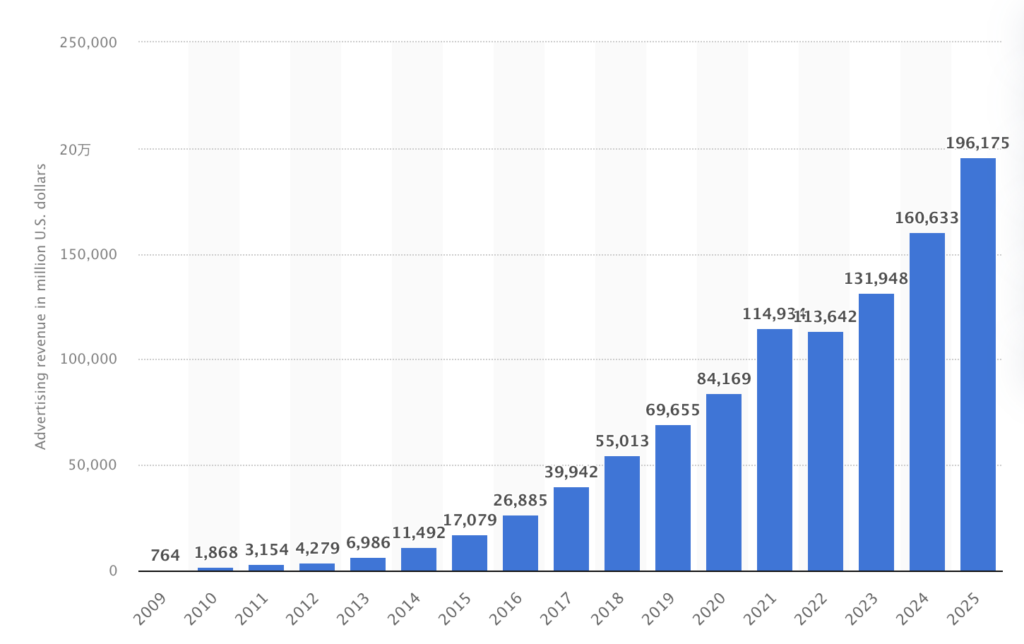
Image Source: Published by Thuy D.
In this system, every curated photograph, emotional confession, or performative display of authenticity serves a dual purpose. Users seek visibility, validation, and social connection. Platforms simultaneously convert these interactions into advertising revenue, algorithmic data, and commercial profit. Moments that once belonged to private life are now turned into content, data, and advertising value.
Thus, the attention economy blurs the boundary between personal expression and economic production. What feels like casual scrolling, posting, and sharing for users is quietly generating profit for social media platforms. Within this system, users are both consumers and producers, while the system profits from their emotions, identities, and everyday experiences—turning human attention itself into a tradable commodity.
In summary, the attention economy is not only capturing human attention but also reshaping how people experience and understand everyday life. By transforming genuine personal moments into profitable digital activity, social media platforms have created an invisible system that connects private experience to commercial value.
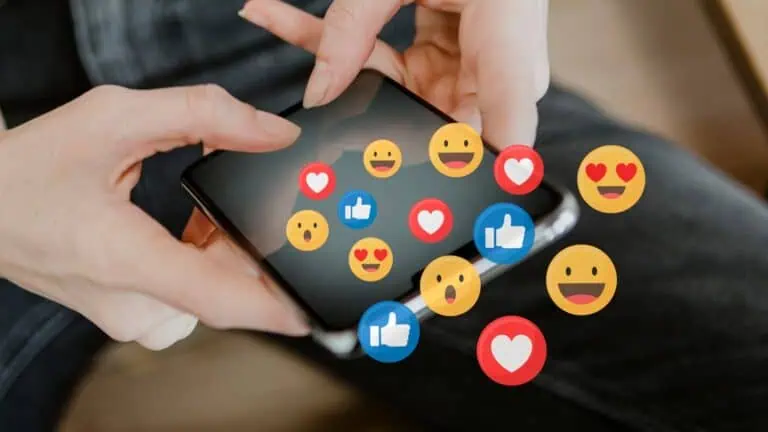
Image Source: Tara Maggiacomo
This article has shown how algorithms regulate visibility and encourage self-censorship, how platform reward systems drive users to perform authenticity for online validation, and how these everyday interactions are ultimately transformed into unpaid digital labour under platform capitalism. What feels like casual posting and scrolling for users is quietly generating enormous profit for social media platforms.
As online visibility becomes closely tied to identity, validation, and social recognition, genuine experience risks being replaced by carefully curated performance. To regain autonomy, individuals must learn to value lived experience over digital exposure and presence over performance.
Try this: next time you take a photo, wait one minute before posting. Ask yourself if you are capturing the moment for yourself or for the screen. That small pause can make a big difference.
After all, life’s most meaningful moments should belong first to those who live them—not to the algorithms profiting from them.
 TianYuran
  Lu Yunyan
  Pauleen