

A video advertisement for the company Novig was released to promote sports betting ahead of the upcoming NFL season. Viewers were shocked when actress Sydney Sweeney appeared in the ad posing with sports equipment while barely wearing any clothing. Many debates on social media had sparked, with some questioning the ethics and whether this was encouraging the sexualisation of women, an issue already present. According to the Guardian’s coverage, Australian Olympic swimmer Ariarne Titmus and six other athletes had criticised the campaign for using women’s bodies to promote sport, stigmatising women by recognising women for their sexual appeal over their sporting achievements. This stunt highlights the ongoing issue that women’s appearances are a source of gaining attention rather than their abilities as athletes.
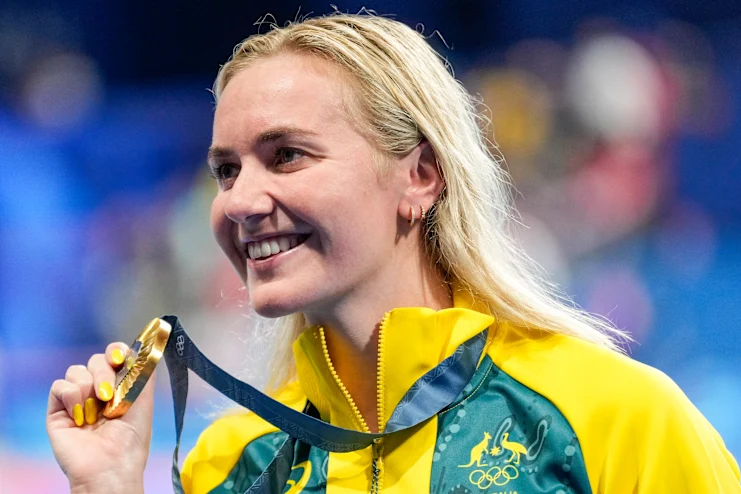
“Not only is this a kick in the face to every woman who has dedicated her life to perfecting her craft, but every woman who enjoys sports for what it really is – teamwork, friendship, dedication, excellence, unity … the list goes on.”
– Ariarne Titmus as reported by Nine News (2026)
This issue does not just occur in traditional sports advertising but extends into everyday fitness culture for many Gen Z women. Content such as workout routines and fitness transformations has been increasingly growing on social media platforms such as TikTok and Instagram. Although these types of videos can help women feel confident and encourage exercise, fitness videos that focus more on appearance can lead women to have unrealistic expectations of what a fit woman should look like. With this increase in appearance-focused fitness content online, an important question arises. Is Social Media crediting women’s physical capabilities, or is it escalating the issue and placing greater value on how their bodies look?
Before Social Media, Women’s Bodies Were Already Part of the Marketing
This issue is not new. Before popular platforms such as TikTok and Instagram were created, female athletes were already being faced with an expectation of how they should look as well as how they should perform. This was particularly visible where the appeal of women’s uniforms was used to attract audiences to beach volleyball. In 2012, the International Volleyball Federation (FIVB) changed its rules to allow athletes to wear shorts and T-shirts as an option. This highlights how, over time, the expectations around female athletes have changed.
This issue was further examined in research that explored the relationship between sexual appeal and the promotion of women’s sport. Kane, LaVoi and Fink did a study in 2013, they interviewed 36 female athletes and asked questions regarding media representation. Although the majority of the participants preferred the representation of their sport through athletic images and gaining respect, 47% believed that images that sexualised women would generate greater public attention. The findings from this study further emphasised the tension between women’s athletic achievements and the use of their appearance to attract audiences.
From athletic performance to physical appearance
Although times have changed with social media, large media companies still have control over traditional ad spots and how female athletes are presented. Platforms such as TikTok and Instagram have given women the freedom to create and share their fitness content and to have power over how they want to be represented. Although social media does enable greater freedom, it also has its downsides, including the pressure to attract attention and maintain audience engagement. Fitness content can feel like the goal is focused entirely on getting lots of clicks on their videos and gaining viewers, rather than on the exercise itself. Fitness influencers may choose to use appealing camera angles and poses that detract from improving form or overall health. A study done in 2022 that examined 400 Instagram fitness images found that female fitness influencers posted sexualised content that was focused more on appearance. Fitness brands were the ones that shared content more focused on exercise itself.
Objectification in TikTok Fitness Content
This issue became more concerning when fitness content shifted from focusing on exercise and health to objectifying their bodies. A 2024 study by Nuhn and colleagues examined 297 workout videos on TikTok and found that approximately one-quarter of the content depicted women as visual objects. These results showed that even content that is intended to promote exercise can unintentionally reinforce the idea that women’s bodies are to be judged rather than recognised and appreciated for their strengths. Making you really wonder how athletic achievement is represented on social media
Appearance vs. Athletic Performance
However, the issue is not as simple as women choosing to show their bodies online. While Fitness influencers can use their platforms to encourage others, the issue lies when physical appearance turns into the main measure of fitness, which can overshadow qualities such as strength, endurance and athletic skill. Gen Z, who are religiously online on social platforms, can frequently come across and engage with this type of content. These misrepresentations can shape the idea of what physical fitness looks like—shifting the discussion from how women are presented online to the effect of this representation on the people consuming the content.
Beyond the Screen: The Impact on Gen Z Women
In a generation that has grown up around social media, Gen Z is more vulnerable to the influence of mispresented fitness content. Being constantly exposed to these types of content where certain body types are portrayed as a fit body, it may encourage young women to look at their bodies and compare them to the ones they see on their screens. This is reflected in a study that examined 120 Australian women between 18 and 25, to see if there is a link between fitspiration content and its impact on the way they see their body and the negative effects it has on participants’ mood based on the responses from the participants ‘ responses, exposure to these types of content had an influence in the particpants with responses showing an increase in apperance comarisons and a negative mood. While the intentions of some fitness videos are meant to be positive, intended to motivate and inspire viewers, the study emphasises how this content may affect young women’s moods and the way they see themselves.
How social media shapes fitness expectations
With the representation of fitness on social media sometimes looking like toned muscles, a slim waist, or even a specific body shape, these features do not reflect an individual’s strength, endurance, or overall fitness. A study in 2015 found a link with consuming fitspiration content and an increase in dissatisfaction with body image and a decline in mood among women. This shows that these unrealistic expectations are affecting the way women see their own bodies. These representations create unrealistic expectations about fitness, even though the focus on exercise should be on improving health and wellbeing. The question now turns to whether this confidence comes from being able to celebrate what their bodies can achieve or from being able to look a certain way and meet the expectations portrayed online.
Sexualisation or Empowerment?
While there is a rising concern about the sexualisation of women’s fitness content, women simply presenting their bodies online does not necessarily lead to objectification. On Social media, some influencers take advantage of this freedom to express their confidence and celebrate their physical progress with others, believing it may inspire their audience. Research by Victoria Lupinetti on the Instagram accounts of female figure competitors found that participants used their platforms to serve as role models for other women, sharing fitness knowledge and motivation. This sheds light on the different ways fitness content can be presented. Platforms are used to positively express a person rather than to focus on physical appearance. However, it remains debatable whether this form of self-expression and freedom constitutes empowerment.
Can Sexualisation and Empowerment Coexist?
However, while there is freedom in how women present themselves online, it does not mean women are free from beauty standards that influence fitness culture. Research done by Daudi (2023) explored the relationship between sexualised self-presentation and female empowerment, with the research around the question of whether showcasing one’s body challenges or reinforces the expectation placed on women’s appearance. While fitness influencers may genuinely feel a sense of confidence and empowerment sharing their bodies online, their content can still reinforce the physical ideals that are often promoted on social media. This tells us that empowerment and sexualisation can overlap with each other. On one hand, young women often make their own choice to participate in these trends because it feels empowering, and on the other hand, part of the reason that influenced their choice is due to the outside pressures to look a certain way.
The discussion surrounding the stunt pulled off by Sydney Sweeney in the sports betting advertisement highlights that the sexualisation of women remains an ongoing issue that is present beyond traditional sports advertising and is more present in today’s social media fitness culture. While TikTok and Instagram can provide Gen Z women with motivational content to build confidence and self-expression, they can also influence young minds by reinforcing expectations about how fit bodies should look. Fitness culture should not revolve around meeting a particular beauty standard and should extend to improving wellbeing and health. Perhaps, the measure of progress should step away from simply how a body looks and focus on what women’s bodies can be celebrated for what they can achieve.
 Jessica Goff
 somewhatdamaged
 Fynn Thompson