
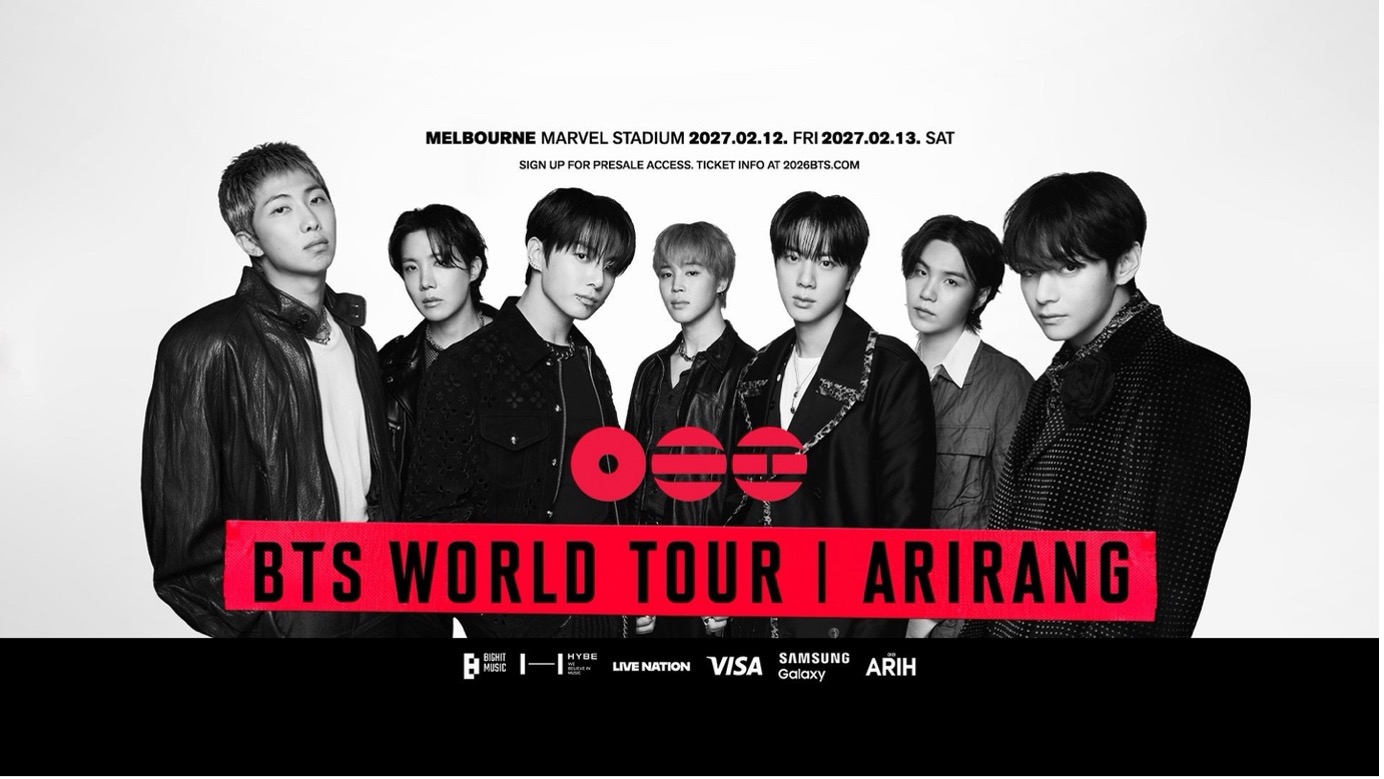
When BTS tickets went on presale in Australia this June, not every fan entered the sale in the same way. The first presale was only open to ARMY Membership holders who had registered through Weverse. In Melbourne, tickets including VIP packages ranged from A$152.69 to A$662.44, and the VIP allocation for both original shows was gone before 11 a.m. The more expensive packages were not only about getting a better seat. They also included soundcheck access, early entry, an exclusive gift and early merchandise shopping. As a result, there were already very different levels of access before BTS even stepped on stage.
The demand is not surprising. BTS will return to Australia in February 2027 for the first time after eight years, after the group paused activities while its members completed military service. But the way these tickets were sold also shows the big change happening in the music industry. “Superfans”, which means people do much more than simply listen to their favourite artists’ music. This term gets more attention than before. Luminate estimates that around 20% of US music listeners can be considered superfans, based on engaging with artists and music in five or more ways. For the industry, these fans are important because their support can go beyond streaming into concerts, merchandise, physical albums and paid services specifically for fans.
That does not mean being a superfan is simply about spending the most money. Luminate also separates purchase-based superfandom from engagement-based superfandom. It shows that spending and participation are not exactly the same thing. Fans can support an artist by following their activities, joining online communities, creating fan content or sharing their music without buying every single album or VIP ticket. At the same time, the music industry is creating more products for fans who want something extra, from paid fan apps and album variants to premium concert access.
What happens when more fan experiences become premium products designed for superfans?
Why premium fandom works?
It seems like a bit insane to pay an extra hundred dollars for a concert package. But for fans, the value is not always in the physical things that come with it. For example, BTS’s Soundcheck VIP package gives fans early entry and the chance to watch the group before the main concert starts. If someone has followed BTS for many years, that short soundcheck can feel more special and meaningful than simply getting a better seat. What they are paying for is not only access, but also the chance to have a rare experience.
This makes more sense when fandom is seen as more than just listening to music. A recent study of BTS fans found that ARMY can also give people a sense of belonging, emotional support and identity within a digital community. Fans talk to each other online, share personal experiences and build relationships around their interest in BTS. In that context, a concert ticket or fan membership can mean more than what is written on the product page. It can become part of the way someone participates in the fandom and feels connected to it.
Physical products can work in a similar way. Research on ARMY consumption found that BTS-related objects and experiences can become part of fan participation and belonging. A limited album, light stick or exclusive item is still something being sold, but fans may connect or link their own memories and meaning to it. That is why I don’t think premium fandom can be explained only as companies try to make fans spend more. There is real value on the fan side too. The harder question is what happens when more of these valued experiences are only available at a higher price.
When access becomes a product
That value becomes more complicated when access itself is part of what fans are paying for. For BTS’s Australian tour, fans who wanted to join the ARMY Membership presale had to hold a Global ARMY Membership and register through Weverse before the deadline. This did not guarantee them a ticket, and fans without a membership could still try during the general sale later. But membership gave some fans an earlier chance to enter the ticketing process. After that, VIP packages created another level of privileges, offering things such as soundcheck and early entry.
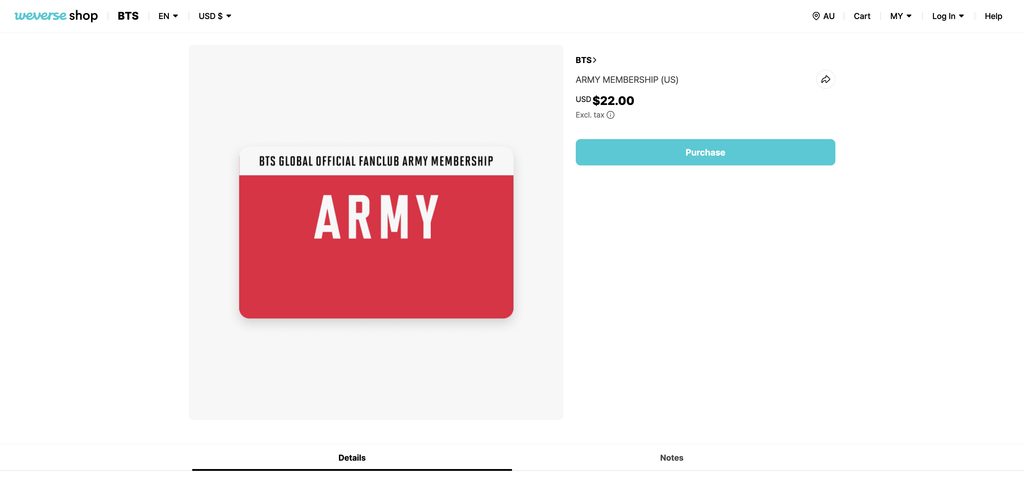
I would say Weverse is kind of like a centre of BTS’s official fan ‘ecosystem’. It is not only a platform where fans get updates or talk about BTS. It is also connected to official memberships, merchandise and ticket-related benefits. Grant Bollmer and Bethany Tillerson use the term “platform fandom” to describe this kind of system. Their study argues that Weverse brings the social and commercial sides of fandom into the same platform. Fans can follow artists and feel part of a community there, while the same system can also direct them towards memberships and other paid products.
This does not mean BTS fandom is behind a paywall. A fan doesn’t need a paid membership to listen to the music on a streaming platform, follow BTS or call themselves ARMY. Even for the Australian concerts, there was still a general sale after the membership presale. The difference is that paying can open up some extra chances, such as an earlier ticket sale, soundcheck, early entry or other exclusive benefits. From that perspective, money does not decide whether someone is part of the fandom, but it can start to shape which parts of the fan experience are available to them.
Engagement Is Not Spending
This is where “superfan” becomes a complicated label. Luminate’s 2026 report helps to show why spending should not be treated as identical to engagement. It distinguishes purchase-based from engagement-based superfandom, and points out that fandom includes non-purchase activities such as online interaction and creating fan content. Samantha James’s study of K-pop fandom describes fans as more than consumers. They also build information networks and take part in different forms of fan labour. A fan may spend many years following an artist, translating the artist’s info for fans in other countries, making edits, running fan accounts or making community projects without spending money on albums or concert tickets. It shows that fandom can also happen without a transaction. Another fan may have higher income and be able to purchase premium access when she/he doesn’t have much free time to participate in fans’ events. Both can be genuine fans. But in terms of commercial, it is a lot easier to set a price for tickets instead of measuring how much emotional commitment or loyalty a fan has.
Kahlert makes a similar point in a simpler way: some of the most engaged fans may not have enough money for every limited vinyl release or tour T-shirt, while someone with less time to engage may be able to spend more. Money can be one kind of support, but it cannot show the whole relationship a fan has with an artist.
This is where premium fandom starts to matter. An ARMY who does not buy a membership or Soundcheck VIP package can still listen to BTS, follow the group, join fan discussions and support them for years. But for the Australian tour, ARMY Membership gave registered fans an earlier chance to buy tickets, while the VIP package added soundcheck, early entry and other benefits. Paying more does not make someone a “better” ARMY. It does, however, open up a different version of the concert experience.
And this is not only a BTS issue. A 2026 UK Parliament fan-led review of live music says “pricing, availability and resale practices can exclude some audiences, especially people on lower incomes.” Fans also said the rising costs make them to be more selective about which shows they will go. Premium products are not automatically unfair, and fans should be able to choose whether those extras are worth paying for. But when more of the things fans value, such as earlier access, better seats, or exclusive experiences, the spending power starts to become important. Not in deciding who counts as a fan, but in deciding what kind of fan experience they can have.
BTS’s Australian tour shows how the same fandom can now include very different levels of access. Some fans may only buy a normal ticket, while others can pay extra for membership presales, soundcheck or early entry. These experiences can be meaningful, and there is nothing wrong with fans choosing to pay for something they value.
But spending and engagement are still not the same thing. A fan can be deeply involved in a fandom without being able to afford every premium option. As more fan experiences are sold through memberships, VIP packages and other paid products, money may have a bigger influence on what kind of access a fan can get.
That does not decide who is the “better” fan. It simply means that in the growing superfan economy, devotion may be shared, while the experience of fandom is not always equally available.
 Imogen
 Jordey Petersen
 Montana K