
Not often do I finish watching a football match and wish for the most entertaining part of the game to be the argument that followed on social media. Yet it seems to some, these ‘debates’ are the highlight of their night.
Premier League fans are calling for their manager to be sacked after one poor result, while NFL supporters decide their quarterback is either the greatest player alive or should never touch a football again. Sports fans have certainly mastered the art of overreacting.
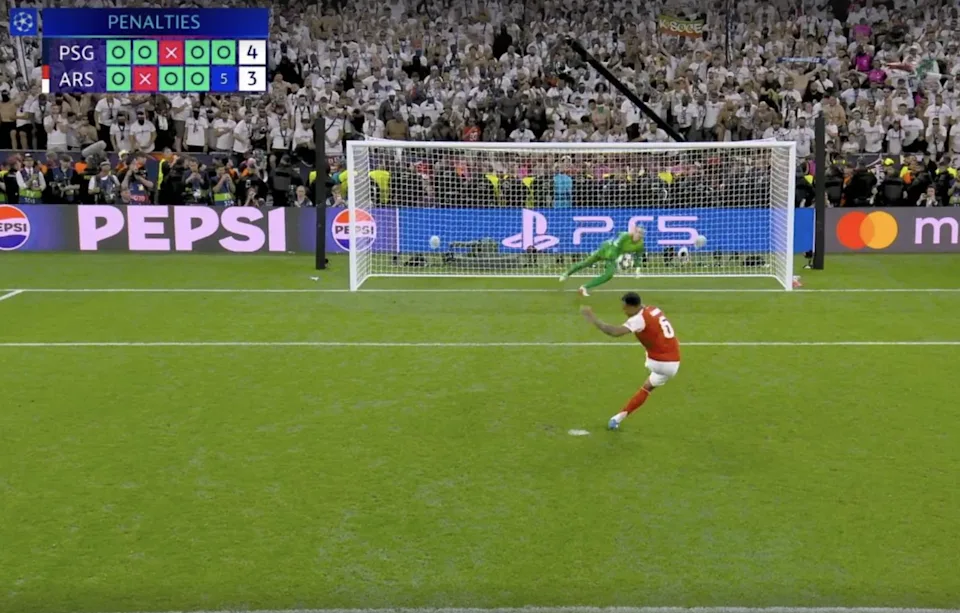
Social media has made following sport more entertaining than ever. Highlights are everywhere, players can interact directly with fans, and you can argue with someone on the other side of the world without leaving your couch. However, these platforms have also made rivalries increasingly personal. A missed penalty becomes a week-long, hell, even a many month-long meme, and a bad performance can define an entire career.
Don’t get me wrong, rivalry is what makes sport great. Beating your mate’s team is always better than beating a team nobody cares about, but there is a difference between harmless banter and spending your evening abusing a footballer because they missed a chance. When did supporting a team become less about enjoying the game and more about winning arguments online?
The beauty of sport is that everyone has an opinion. The problem is that social media gives everyone a microphone, and apparently, absolutely no reason to switch it off.
While this creates stronger connections, it also makes abuse easier. Anonymous accounts provide distance from consequences, while screenshots and reposts ensure nobody ever really has to let anything go.
Research by the Alan Turing Institute found that around 60,000 of 2.3 million tweets directed at Premier League players during the 2021–22 season were abusive. That’s a lot of people apparently convinced that insulting a professional footballer is a productive use of their afternoon.
The NFL is similar. One interception can turn a quarterback into a meme, with fans digging up old clips to prove they were right about him all along. Laughing at a bad performance is part of being a fan, but there is a difference between taking the mickey out of someone’s performance and making personal attacks against them. Social media also creates a sense of familiarity with athletes. Fans follow their lives and interact with their posts, sometimes forgetting that this connection is largely one-sided. Supporting a player doesn’t make you their mate, and it certainly doesn’t make you their manager.
This is massively relevant with the rise of Fantasy sports apps, where people genuinely lose their minds because a player isn’t doing everything to get them the 10 points they need to stay undefeated.
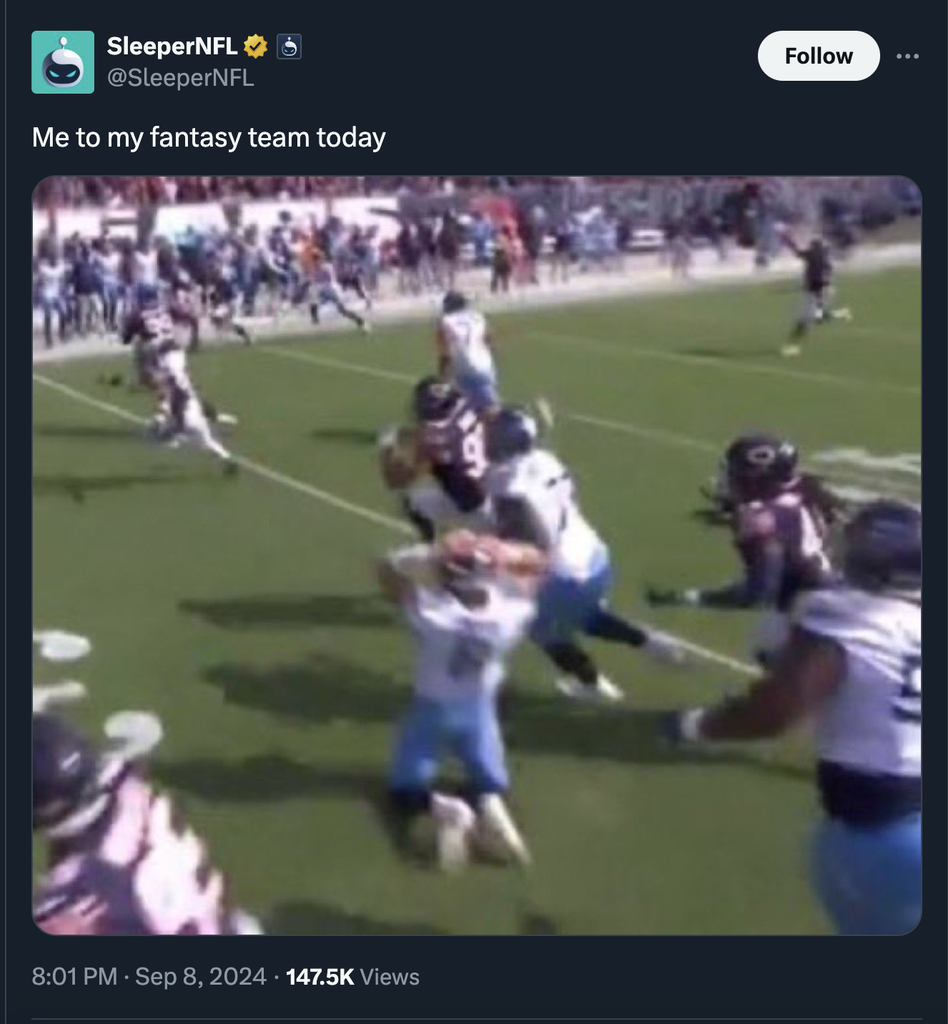
At some point, the conversation stops being about the game. The result becomes a weapon, the player becomes a target, and the actual football gets lost somewhere in the comments section. After a Premier League match or an NFL game, TikTok fills with reaction videos and X becomes a competition to produce the most outrageous take. One loss later, a manager supposedly building a dynasty is apparently incapable of organising a Sunday league team.
Some fans could genuinely watch their team lose a premier league match 4–0 and come away more interested in explaining why the opposition’s supporters are unbearable than discussing the match itself.
There is nothing wrong with analysing performances. The problem is when the aim shifts from understanding what happened to proving somebody else wrong. A debate about a referee becomes an argument about intelligence, and a poor performance becomes an excuse to label a player a fraud. A short clip of a mistake can spread further than a balanced analysis of the match because context takes time, while a dramatic caption takes three seconds.
Unfortunately, the consequences can extend beyond arguments and memes. Everton midfielder Abdoulaye Doucouré received racist abuse following his celebration after the Merseyside derby in February 2025, prompting condemnation from both clubs. A moment of football rivalry had crossed into something far more serious.
Rivalries should be emotional. That’s the point. But celebrating a victory is different from believing an opponent deserves personal abuse an here’s the frustrating part: the angriest person in the comments isn’t necessarily the most knowledgeable fan, but they might be getting the most attention.
Social media platforms use engagement signals to help determine what content reaches audiences. A creator calmly explaining why an NFL offensive scheme failed might struggle to compete with someone shouting that the coach should be fired immediately and the organisation should be liquidated. And why stop at a reasonable opinion when you can call a player washed, a manager clueless or an entire club a disgrace?
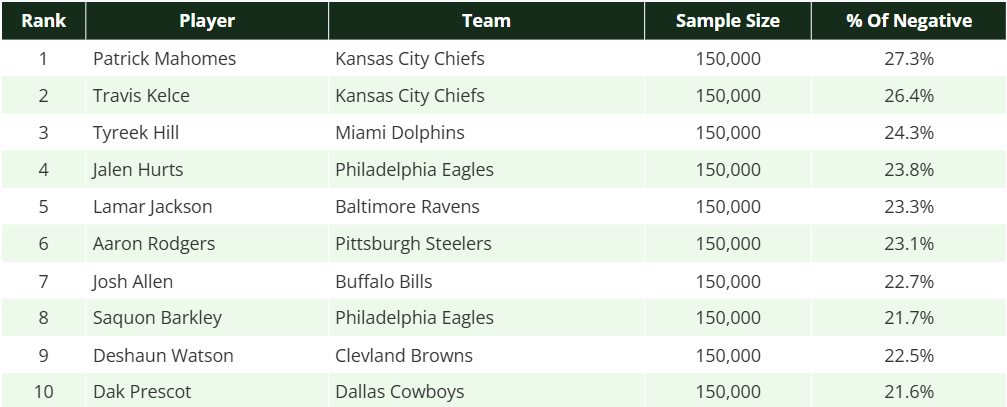
Some research found that across these top 10 most criticised NFL players, all of them are receiving over 20% of negative/abusive posts
Apparently, nuance doesn’t make for a particularly exciting and enticing read.
The Premier League is full of this content. After a defeat, fan accounts compete to deliver the harshest verdict, while controversial referee decisions fuel arguments long after the match ends. Research examines sensationalism and clickbait-style journalism on X, offering insight into why provocative content can be so appealing in online discussions, and how it continues to be a dangerous spiral of ever-increasing engagement based algorithms.
Of course, not every controversial opinion is rage-bait. Passionate debate is part of sport’s appeal. However, when extreme takes attract attention, creators have an incentive to keep pushing them. A measured discussion might be informative, but a ridiculous claim can generate hundreds of angry replies.
Being right is good. Going viral is better, at least according to the algorithm.
Eventually, fans can find themselves performing their loyalty rather than enjoying their team. Admitting a rival played well becomes difficult, and changing your mind feels like losing. The irony is that sport already gives us a scoreboard, yet some fans need a second one online.
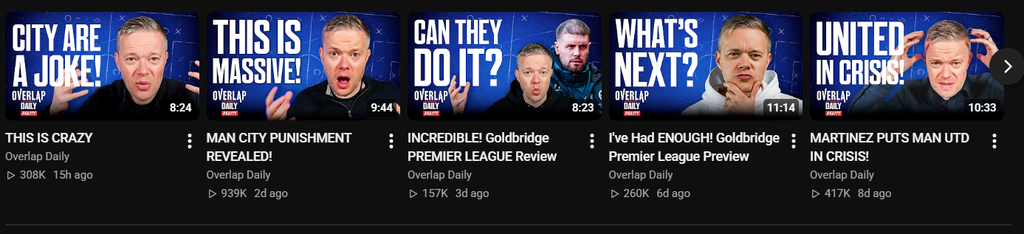
Traditional sports media hasn’t escaped this either. News outlets, pundits and journalists are competing for attention in a world where a controversial headline can travel further than an actual analysis of the game. Why explain a manager’s tactical decisions when you can spend 10 minutes arguing about whether he should be sacked? Much easier, and probably better for the views.
It does make it sweeter when your team proves everyone wrong though.
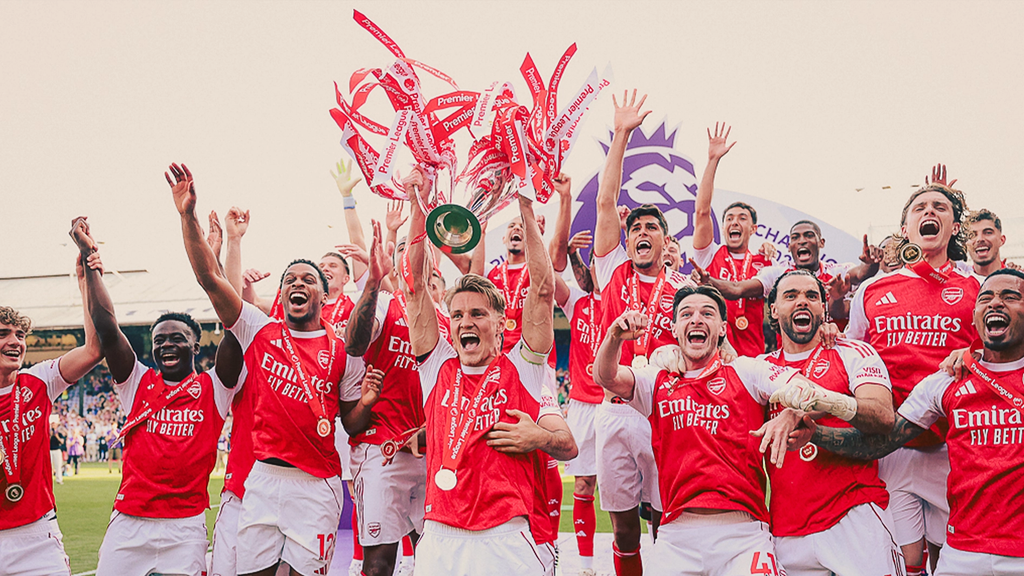
Now social media has changed what gets attention, and traditional media has had to adapt. In sport, this can mean turning one viral opinion into a much bigger story than it deserves. A few angry tweets suddenly become evidence that an entire fanbase has turned against a manager.
Of course, sometimes a manager really does deserve criticism. I’m not suggesting we should all sit around pretending everything is fine after a 4-0 defeat. But there is a difference between legitimate criticism and creating outrage simply because it gets clicks. Apparently, a calm discussion about football tactics doesn’t quite compete with a thumbnail of a manager looking miserable beside the words “IT’S OVER”.
But there comes a point when the banter simply stops being funny.
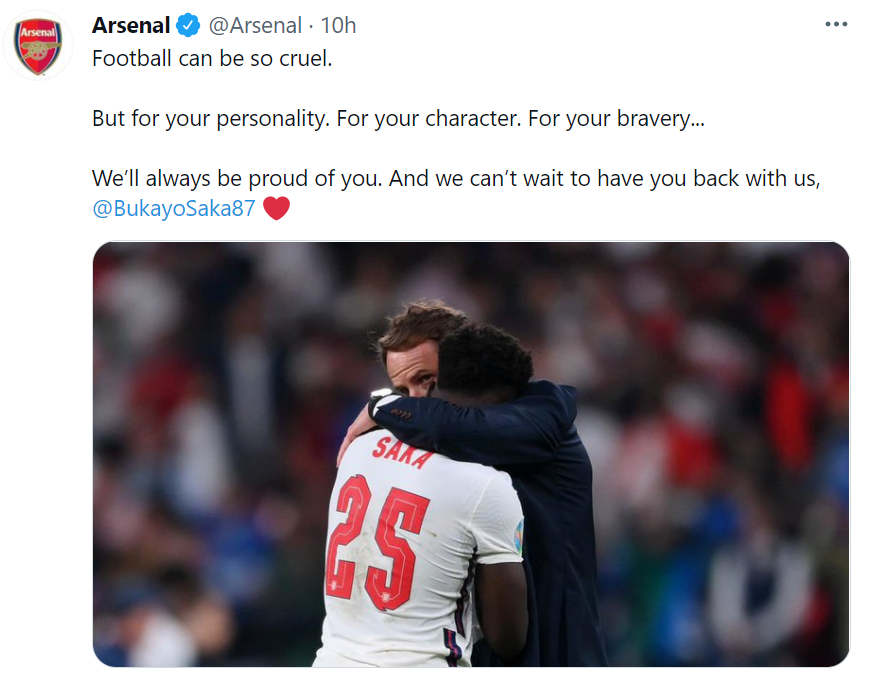
Social media allows people to direct racist, sexist and deeply personal abuse towards athletes, sometimes with little apparent concern for the consequences. World Athletics investigated online abuse targeting athletes during the Paris Olympic Games, showing that this issue extends well beyond football. Whether it’s an NFL player receiving threats to their safety after a poor performance or a footballer facing racist comments after a match, this goes beyond just sports banter.
Seriously, imagine spending years working towards becoming a professional athlete, only to have strangers questioning your worth because you missed a crucial penalty. Criticism comes with professional sport, but there is a difference between holding someone accountable and making their life miserable because they didn’t deliver the result you wanted.
It also raises questions about what younger fans are learning from this behaviour. If they constantly see athletes treated as acceptable targets for abuse, where do they draw the line between supporting their team and attacking someone who plays for another one?
Ultimately, this culture risks taking some of the enjoyment out of sport itself. Fans can become so caught up in arguments, rivalries and online narratives that watching the actual game almost becomes secondary. Athletes are expected to perform under enormous pressure, knowing that one mistake might become tomorrow’s viral clip. Meanwhile, supporters can feel compelled to defend their team at all costs, even when admitting the opposition played better would be the reasonable thing to do.
Imagine that. Your rivals actually being good at football. I know it’s hard to hear, but it happens.
Sport will always involve arguments, disappointment and the occasional questionable referee decision that your mate will remind you about for the next five years. That’s part of the fun. I certainly don’t think we need to eliminate rivalry or stop taking sport seriously. We live and breathe for a bit of controversy and intrigue.
But perhaps we could try to remember that losing a football match isn’t reason for a personal attack, and supporting a team doesn’t require treating everyone else like an enemy. Social media has made it easier to share our passion for sport, but it has also made it easier to turn that passion into hostility. When outrage gets more attention than a reasonable discussion, we need to really have a think about what social media is turning into.
I find it hard to accept when people tell me it’s only a game, but at the end of the day it really is only a game, and we need to remember that sometimes.
 Maddison
 Montana Puckeridge
 Miles Norris