
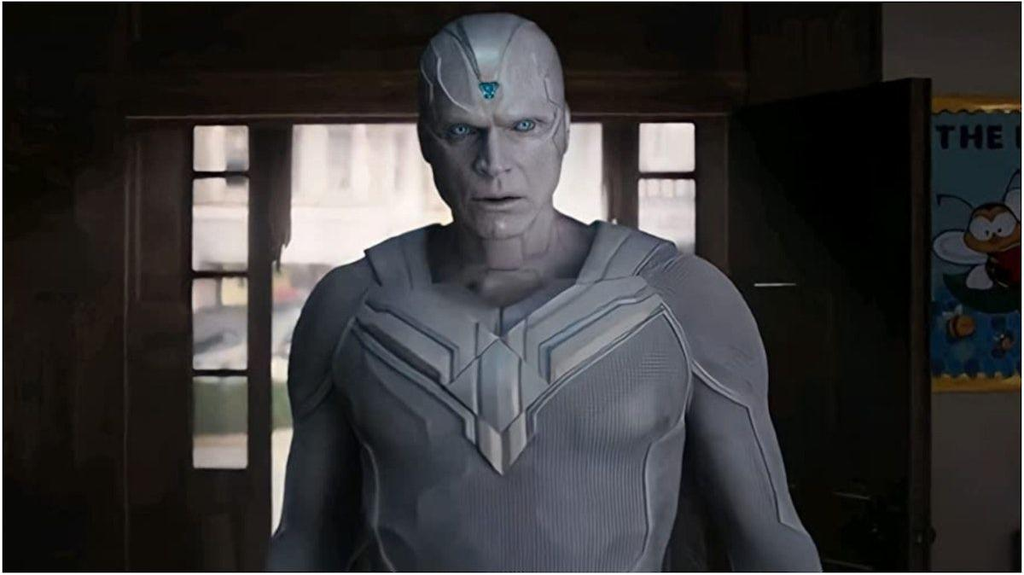
VisionQuest, the latest Disney+ TV show by Marvel, presents a remarkably human theme. The eight-episode TV show was released on October 14, 2026, starring Paul Bettany as Vision, a superhero android character. Science fiction, family drama and artificial intelligence are some of the elements found in this intriguing TV show. However, the ambitious themes of the TV show have made it difficult for it to produce emotionally compelling content. Marvel – Official VisionQuest announcement
https://www.marvel.com/articles/tv-shows/marvel-television-visionquest-release-date
A story about identity and memory
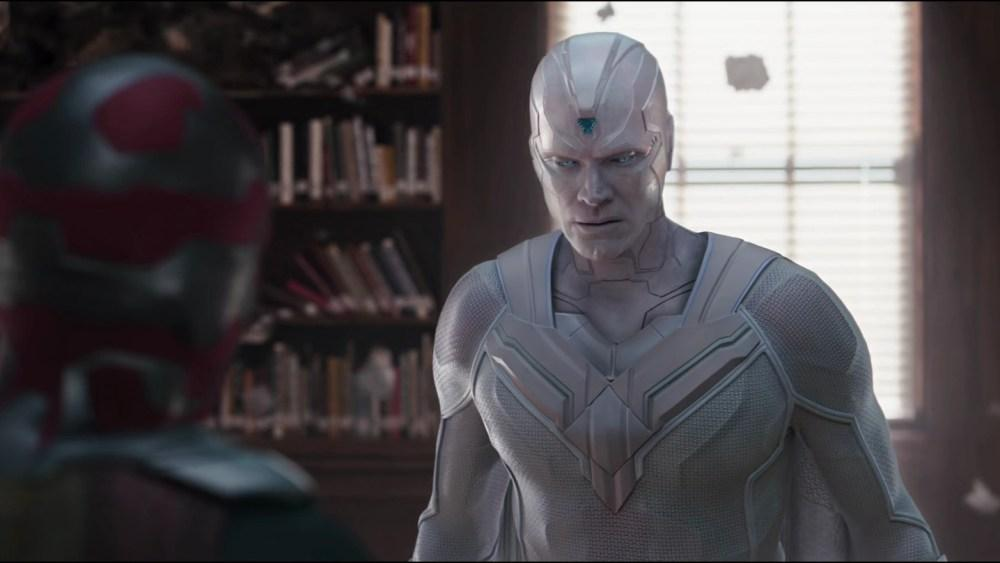
Written by Terry Matalas for the television show, VisionQuest shows Vision trying to learn who he really is, now that he is reborn with no memories. He lives in Edinburgh where he is entangled with Thomas Shepherd, a teenager who might have some connection with Vision’s family. At the same time, the reappearance of Ultron, whose voice was provided by James Spader, makes Vision come face-to-face with the technology and history of his creation.
VisionQuest closes the informal trilogy on television that includes WandaVision (2021) and Agatha All Along (2024). However, the TV show moves away from the theme of Wanda Maximoff’s grief and traditional sitcom plots and explores the functioning of artificial intelligence and the essence of consciousness.
That is the most compelling aspect of the show. Vision is no longer a superhero fighting his arch-enemy, but he is a person trying to establish if memories, emotions, and relations make him human. Given the rapid development of AI tools and their impact on the creative industry and communication, the storyline seems timely and relevant.
Clever ideas, complicated storytelling
The best thing about VisionQuest is the visual imagination of the show. This TV series presents the inner world of Vision’s digital mind through an eerie world with artificial intelligence personas. This technique allows the show to have a unique vision and add humour to it.
Nevertheless, the story of the series is not well-crafted. VisionQuest introduces a number of storylines and recurring characters along with referencing some of the previous MCU productions. For those viewers who do not know WandaVision, it will be hard to understand the story.
According to the article from The Guardian released on 14 October, the series is too much into exposition, continuity and sometimes dialogue takes over emotional concept. The Guardian – VisionQuest review
As for the review from Los Angeles Times, the series was positively assessed. They said that the series was entertaining and talked about love, loss and family. Los Angeles Times – VisionQuest review
Can Marvel still tell original stories?
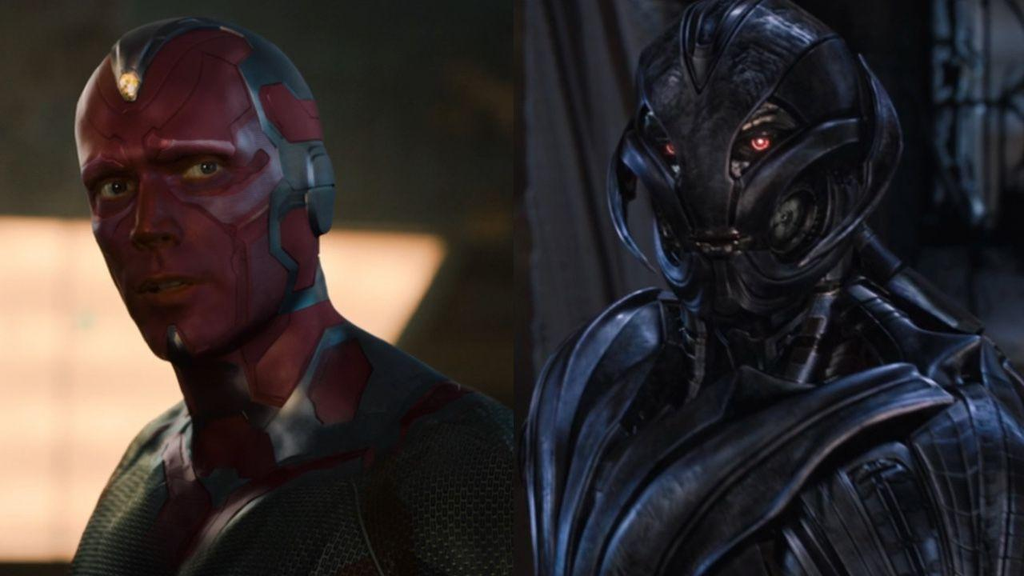
Bettany’s performance aids in keeping the story cohesive. He shows restraint in his acting in order to capture Vision’s confusion in comprehending human behavior, whereas Spader’s reprise of Ultron introduces conflict and humor. The relationship between these two characters also poses the question of whether artificial intelligence can evolve outside of the will of its creator.
However, VisionQuest exemplifies one of the problems that are faced by franchise television shows – the struggle for balance between innovation and intellectual property. The show has some innovative ideas but at the same time often suffers from dependence on already existing characters and history.
This critique is relevant in the context of streaming, where numerous sequel and spin-off stories compete with each other. While viewers do like to see their favorite characters, this does not mean anything good per se.
Verdict: ambitious, but uneven
VisionQuest is a compelling drama about identity, memory, and artificial intelligence, backed by clever production design and solid performances. The show’s biggest problem is that complex plotting sometimes makes the human issues at hand seem secondary.
Overall, the series is recommended for those who enjoy sci-fi and the connection between technology and humanity in particular, especially those already engaged in the MCU universe. Yet, it fails to deliver on emotional resonance that made WandaVision stand out.
Conclusion: VisionQuest proves that Marvel still has room for experimentation, yet its crucial task is making sure that experimentation benefits the characters and not just the mechanics of the universe.
 Paul L
 Nicole Campbell
 Nicolas Jorquera