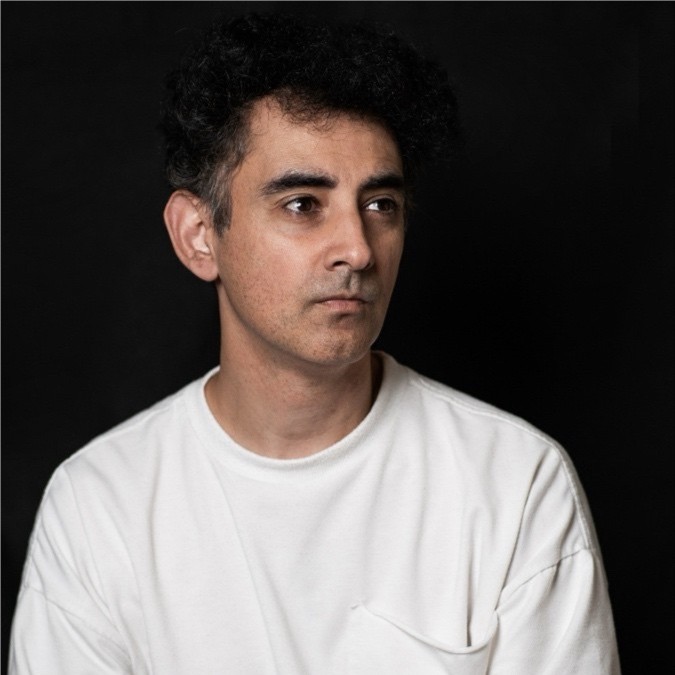
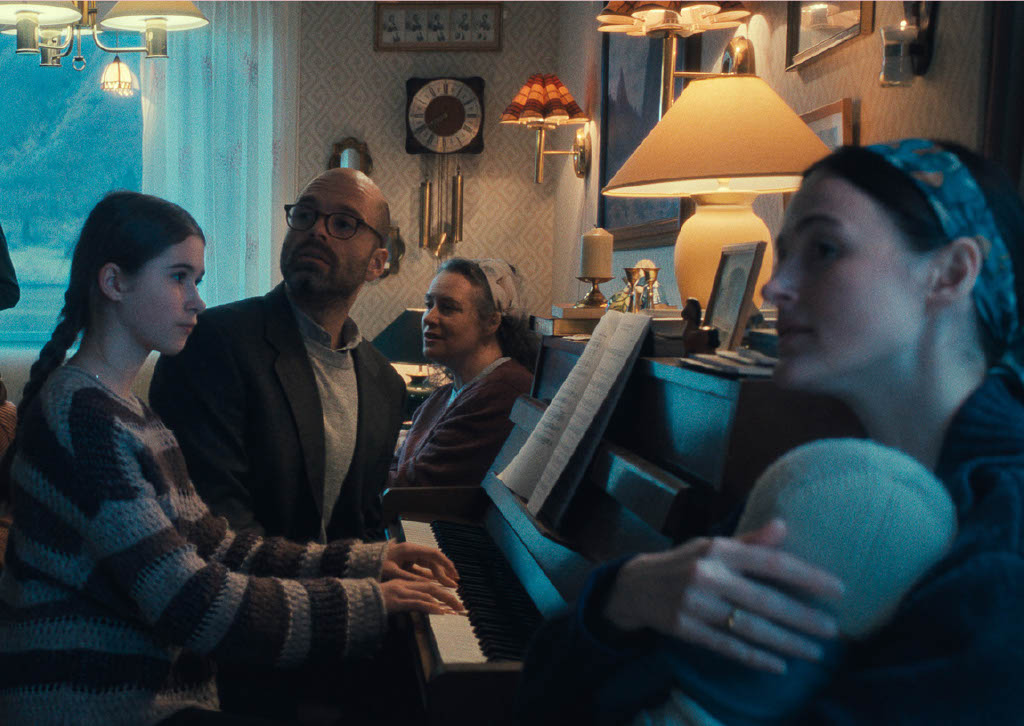
In 2026 as the culture wars shape public debate around the world, Cristian Mungiu’s film Fjord examines the tensions between conservative values and progressive institutions through the story of a conservative immigrant family settling down in Norway.
The Romanian writer/director is no stranger to using political themes in his movies. In fact, his film, 4 months, 3 weeks & 2 days explored themes of abortion in the backdrop of Communist Romania.
His two leading actors Sebastian Stan (Captain America – The First Avenger) and Renate Reinsve (Sentimental Value) are a perfect casting choice with both turning in exceptional performances worthy of Oscar nominations. Stan, looking unrecognisable as a balding Romanian conservative father, plays Mihai Gheorghiu and is convincing as he navigates his new life in Norway with his Norwegian wife, Lisbet (played by Reinsve) and their five children.
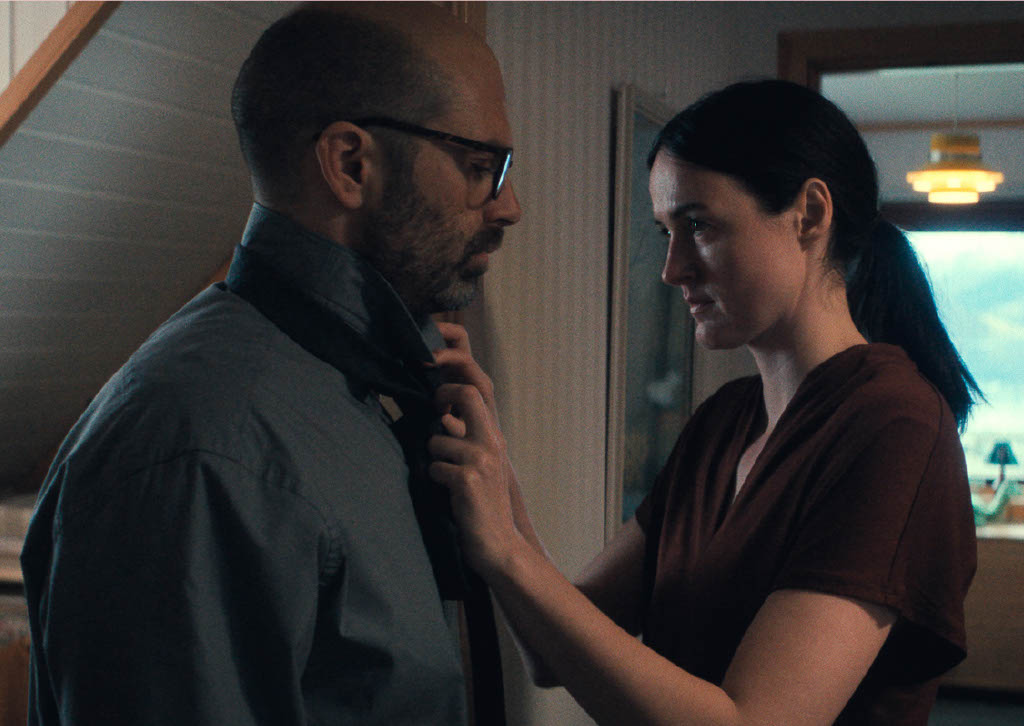
Upon entering a new school in a remote Norwegian town, their eldest daughter Elia (played by Vanessa Ceban) is found to have bruises on her body which leads to a teacher calling child services and accusing the parents of child abuse. What starts out as a family settling into a quiet town and making new friends, turns into a family nightmare as Mihai and Lisbet have all five children taken from them and put into foster care.
So, what makes this film so divisive? It’s the way the story is told with two very clear sides, liberalism vs conservatism with the family holding conservative religious views which stand in contrast to the Norwegian political system and its community.
As the Gheorghiu’s operate within a legal system they are not accustomed to, they concluded that they are being discriminated against for their religious beliefs and targeted for being immigrant outsiders. This is where the story really makes you take sides.
Mungiu is known for his neutrality when it comes to directing films with political themes, but one wonders with his characters if this remains true in Fjord. The family comes across as the victims of a political system gone too woke. The parents hold a questionable style of parenting with very strict rules for their kids. However, I feel like Mungiu brushes past the family violence aspect with there being a conscious choice to not show the family ever hitting the kids and showing the parents as always so kind and softly spoken. While the characters on the opposing side such as the lawyers and child service workers are very aggressive and hard to like. The leftist stereotype is driven hard with the counsellor and social worker depicted as childless and ruthless when trying to break this family apart.
Mungiu’s attempt to keep the film neutral is lost within the stereotypical characters he creates but perhaps this is purposeful to further highlight his stance that both right wing and left-wing fundamentalism is destructive as he discusses in an interview with France 24 that society is becoming very polarised.
The cinematic tone of the film makes you feel like you are in the room with the characters. The takes are long and the dialogue is heavy. The cool blue tones of the colour palette used in the film really makes the Norwegian landscape feel grand and at the same time chilling. This mirrors the emotional turmoil that the Gheorgius are going through. Overall, we get a feeling of the town being a cold place to live with the townsfolk being community minded but closed off from the rest of the world.
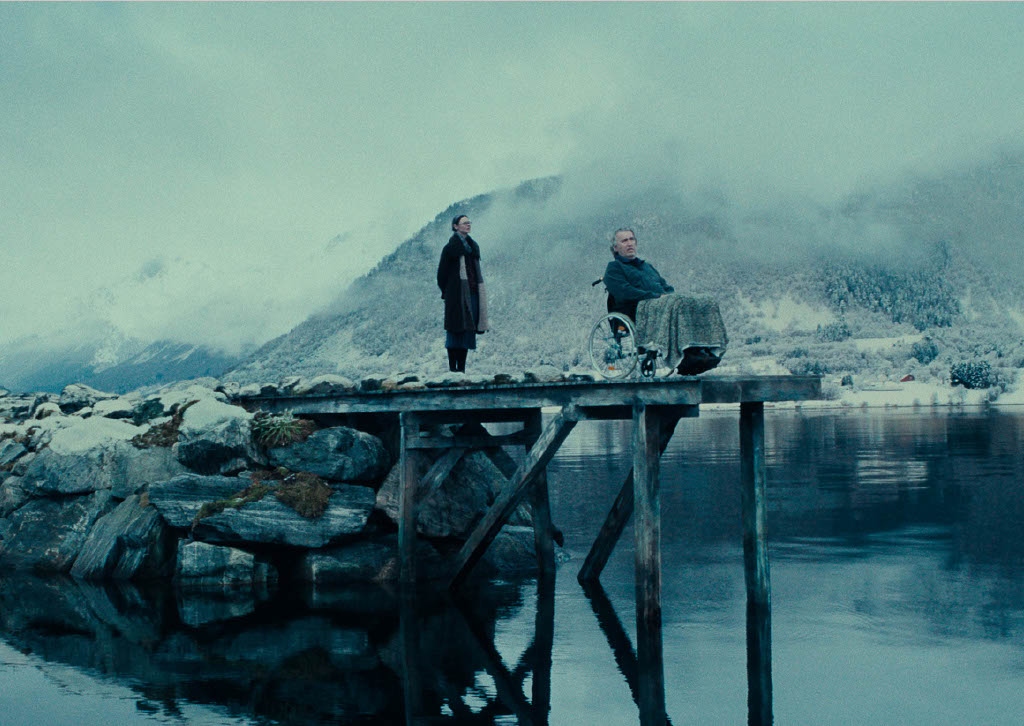
With so many themes running throughout this film such as xenophobia, migration, religion and family violence sometimes it feels like Mungiu is biting off more than he can chew but somehow, he pulls it off and I found myself emotionally invested in the difficult situation this family was going through.
So far, the reviews have been kind to Fjord and critics have been heaping praise on its director. Both Stan and Reinsve are utterly captivating and it will be interesting to see how Fjord does at the Oscars with its automatic qualification after winning the Palme d’Or at Cannes. Overall, I think it’s a film that makes even a fence-sitter take sides. It shows you the dark side of being an outsider and makes you question your moral compass in a world increasingly divided.
 Paul L
 Nicole Campbell
 Montana Puckeridge