
Seven years after Samsung opened the foldable phone category, Apple has arrived with a $3,499 device and enough brand power to make an old idea feel new.
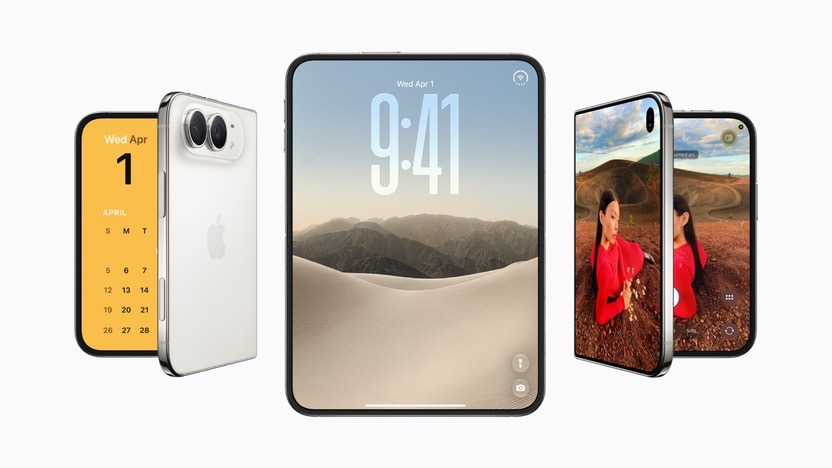
Apple did not invent the foldable phone. Yet before most people have touched the iPhone Duo or tested its hinge, Apple has changed the conversation. For the ball suddenly feels important again. This is quite an achievement for a company joining a market Samsung 30 years ago.
Apples first foldable iPhone starts at A$3,499 in Australia. It has a 5.4-inch outside screen and opens to a 7.6-inch display. The phone is expensive, attractive and immediately recognisable as Apple. Yet the excitement created a bigger question: Do people want the technology, or do they want it because Apple has placed its logo on it?
The timing makes that question more relevant. With Australian pre-order opening on 16 October, the Duo is no longer just an object in a launch video. It is a real choice for buyers. For me, the proof says more than the hinge. Paying A$3,499 means paying for more than a useful screen. Buyers must believe Apple’s version belongs at the most expensive end of the market.
Samsung opened the door first
Samsung revealed the original Galaxy Fold in February 2019. It combined a small screen with a larger flexible display inside. The device also introduced the main features people now expect from a book style foldable where it has a central hinge, a phone that turns into a small tablet, and enough screen to use several apps.
The first Fold had obvious problems. Reports about screen damage showed how hard it was to build this type of phone. Samsung could have treated it as a failed experiment. Instead, it kept developing the idea. Those years of mistakes, criticism and improvement helped create the market Apple is entering today.
Samsung also faced the risk that comes with arriving first. After faults appeared in early review units, it delayed the release and changed the design before the phone’s September 2019 launch. That awkward beginning belongs in the story, but it should not cancel Samsung’s role. First generation products reveal prob;ems that later companies can avoid. Samsung learned those lessons in public, while Apple had seven years to see which ideas worked.
This history is easy to miss when the Duo is viewed only through Apple’s launch event. Inside the wider phone industry, Apple is clearly arriving late. Reuters reported that foldables were still a niche led by Samsung and Chinese brand, although analysts believed Apple could bring the format to a much larger audience. Samsung build the door, Apple may be the company with enough influence to make a crowd walk through it.
Why arriving late can still look innovative
For Apple, arriving late is not necessarily a problem. The company often waits while another brand explains a new product category and deals with its early weakness. Apple can then offer a polished version to customers who already know and trust its products. Analysts quoted by Reuters suggested Apple could do for foldables what it did for smartwatches and wireless earbuds like turn an existing product into something ordinary consumers notice. That is not invention, but it is powerful popularisation.
This difference between inventing a product and making it popular is central to the story. Samsung has the longer history of engineering foldable phones and taking risks with them. Apple’s strength is presenting technology in a way that feels familiar, desirable and safe. Both companies have influenced the category, but not in the same way.
Apple is selling more than a folding screen
It would be too simple to dismiss the iPhone duo as clever advertising. Apple has paid close attention to the design. It highlights the titanium body, precision hinge, reduced glare display, and software that changes with the phones position. Users can place side-by-side, while the hardware and IOS work together. This could create a smooth experience, particularly for current iPhone users.
A direct comparison makes the situation more complicated than saying Apple is better or simply copied Samsung. Samsung’s Galaxy Z Fold8 has a 5.5-inch cover display and a 7.6inch inner screen. Samsung promotes its lighter design, wider shape and years of experience. Apple’s Duo has a similar arrangement, but Apple focuses on its hinge, IP68 protection, Split View and responsive iOS. Their specifications are closer than the launch excitement suggests. The main difference may be the software, services and brand a customer prefers.
Samsung’s advantage is experience. It has spent several generations improving the hinge, display, weight and multitasking tools. Apple’s advantage is less visible on a specification sheet. Its new phone joins a familiar group of products and services that many customers already use every day.
Research on Apple’s product ecosystem suggests that links between its devices can increase customer value, strengthen identification with the brand and make changing systems feels costly. A person who already owns an iPhone, MacBook, Apple Watch and Airpods may find another Apple purchase easier than moving to Samsung. The Duo does not enter that person’s life as one separate phone. It connects with a system that is already in place.
The same research suggests that the difficulty of switching can shape loyalty even more than the value of each connection. This gives Apple an advantage that cannot be measured in a camera test. A Samsung foldable may be excellent, but changing brands can also mean learning new habits, replacing accessories, moving cloud storage and changing devices to communicate. What begins as convenience can gradually turn into commitment.
The Designer handbag effect
This is where Apple starts to resemble a designer fashion label rather than an ordinary technology company. Imagine two handbags made with similar leather, metal and zippers. On cann still cost far more because of its logo, history, styling and reputation. Customers are not only paying for the material. They are also paying for what the bag says about them.
Apple sells a similar kind of meaning. Other phones use strong processors, premium materials and high quality screens, yet the Apple logo adds something that specifications cannout sho. For some customers, owning the newest iPhone communicates taste, money or membership in a certain social group. Apple’s bright stores, carefully controlled launches and simple advertising support this image. The phone is presented as useful, but also as an object people should want to be seen with.
Research into luxury buying supports this idea. A study of status signals in online luxury markets found that consumers may pay extra for products that communicate status, even when the signal is subtle. Another study of Apple users found that positive experiences and emotional attachment can increase willingness to pay a premium. Price does not always push people away. In some cases, a high price makes the product feel more special.
Apple is often called a “masstige” brand because it is widely available and recognised, while still carrying a sense of prestige. A 2025 study of 378 Apple users in Indonesia found that good brand experiences strengthened emotional connections, which were then linked to a greater willingness to pay premium prices. The study cannot explain every customer, but it shows why buying a phone is not always a purely practical decision. The Duo’s price may cover costly materials and engineering, yet it also helps Apple present the device as exclusive.
So, is the Duo worth A$3,499?
Whether the Duo is worth A$3,499 depends on what a buyer thinks they are receiving. If it is judged only as a phone with a folding screen, Samsung deserves more credit for introducing the formal and improving it over time. If it is judged as a polished part of Apple’s wider ecosystem, the price becomes easier to understand. Even then, it will be difficult to justify for most students and many ordinary users.
For many young Australians, A$3,499 is not the price of a simple upgrade. It could pay for study expenses, or for a good laptop and a capable phone together. The Duo may help make cheaper foldables more common in the future, but its first buyers are likely to be wealthy customers, collectors and technology enthusiasts. A product can receive mainstream attention without having a mainstream price.
Apple does not need to be first every time. One of its greatest strengths is taking unfamiliar or imperfect ideas and making them seem simple, polished and culturally important. This does not erase Samsung’s work, and it does not prove that Apple’s phone is better. It shows that innovation is partly about engineering, but also convincing people that a product belongs in their lives. It also explains why a familiar logo can attract more attention than years of quieter work by an earlier company.
Samsung made foldable phones first. Apple may be the company that makes people want one. That is a genuine achievement in design, marketing and cultural influence, even if it is not the same invention. As the Duo reaches stores, one question remains: If exactly the same phone carried a less famous logo, would customers still pay A$3,499 for it?
 Megan Anne
 Yang Wu
 Liz Farnfield