
Have you ever looked at someone and wished you could dress like them? What about their style enticed you? Did they have a particular theme or style that was signature to them?
Well if you can think of a few key words that summarise their style and slap the word ‘aesthetic’ on the end of it, you’d probably be able to curate a new wardrobe on Amazon.com and have it shipped to your doorstep next week.
Fashion notoriously has history. For example, goth styles came out of the UK in the late 1970s, a reflection of post-war economic stress, and turning away from the previous 60s preppy mod look. It was also popularised by the music scene of the time, bands like Siouxsie and the Banshees were pioneers. It was a macabre, deep and a personal choice to reflect a way of life.
In 2026, the goth style is sexualised and commercialised for clicks. Rapper Drake hosted a live stream on August 8th with self proclaimed ‘goth girl’ Pinkchyu which went viral.
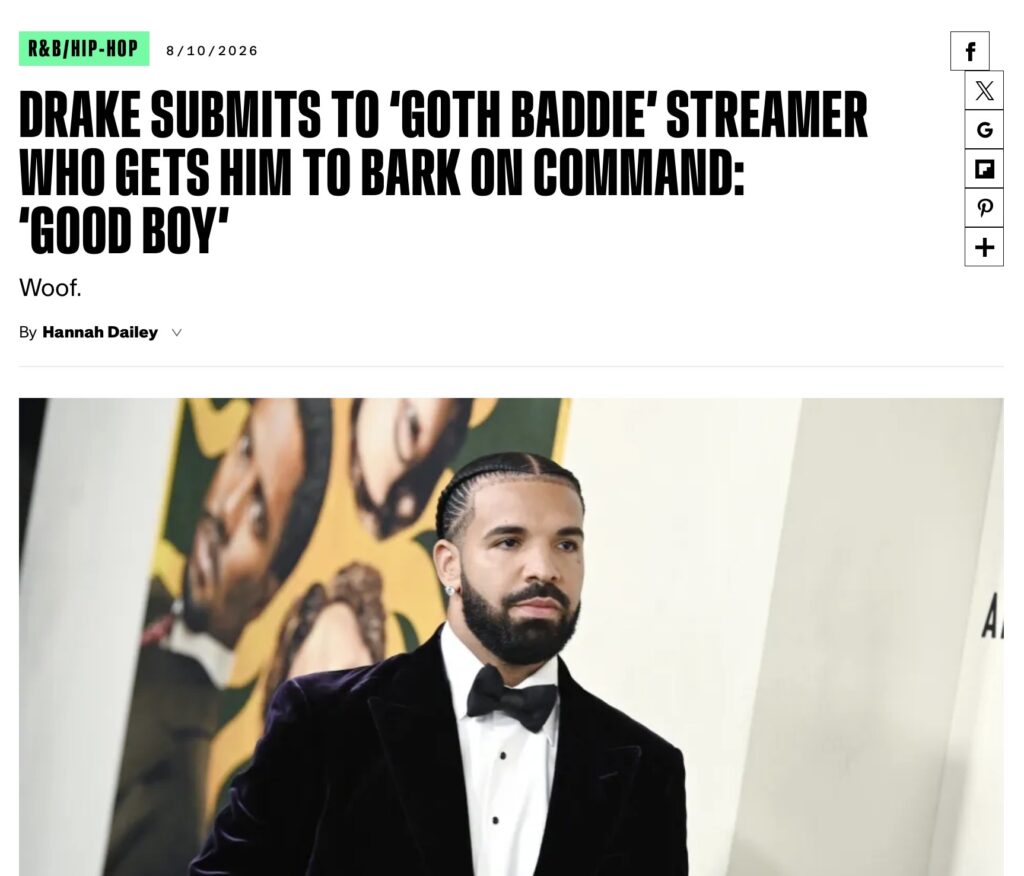
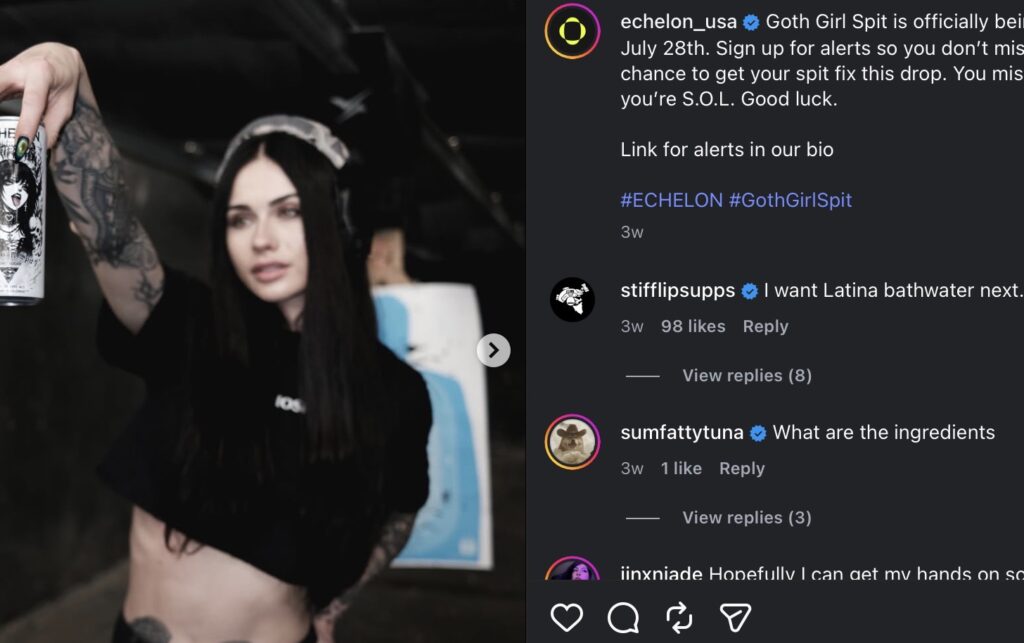
The goth aesthetic is fetishised relentlessly, girls partaking in goth fashion are labelled online as “goth mommy’s” or “goth baddies,” BDSM culture playing largely into the fetishisation. In May of 2026, companies Whitephospor and Echelon partnered together to create a sugar-free energy drink called “Goth Girl Spit.” The product sold out instantly.
Punk fashion was birthed through social and political unrest, a community built against polished society, often donning ripped clothes, tartan and safety pins. Yungblud, a UK rock musician has been called out many times by critics saying he is a poser in the punk community considering many controversies regarding his upbringing as middle class, as well as creating his own affordable festival to make music more accessible, while still charging heightened prices and keeping profits.
Both styles have lush history, depth and meaning. In 2026 both styles are largely popularised throughout the internet, but if you look beneath that there’s nothing. Aesthetics are just a policed set of rules to create a persona, something you want to be perceived as, often based on what’s trending at the time.
Fashion was never just about clothes, nor was it about profiting off what was popular at the time.
 Oliver BF
 Maddison
 Montana Puckeridge