
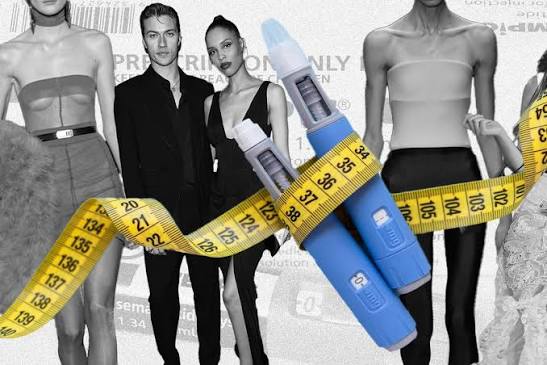
For a while, it seemed as though we were moving forward as a society, with body positive and healthy living content being fed through our feeds constantly. The 2010s normalised the fuller, healthy female body, and post-COVID-19 sparked a new optimism with a drive towards wellness and positive attitudes. But why now does it seem as though this has all been forgotten? Body image and beauty trends are everchanging, but it appears we have taken a major step back in time, neglecting body positivity as if it were the 1990s. A-listers are appearing on red carpets looking almost malnourished, and influencers are normalising the use of GLP-1 medications. This is beginning to have a major impact on how women view themselves and others, as society is consistently being influenced by those in the public eye.
At the birth of the digital era, thinness was recognised as beauty, with this idealisation pushed through music, television and media. Being told by fictional TV characters that a size 6 is the new 14, or by Lily Allen that “everything’s cool as long as I’m getting thinner” sets damaging standards for young women, and this is deeply rooted in society today. However, the 2010s brought around an optimistic change, with the Body Positive Movement becoming a global phenomenon. This sparked influential figures to drive a focus towards self-acceptance and encourage women to feel comfortable in their own skin; but why now does it feel as though we’re going back to when the “heroin chic” was aesthetic?

Meghan Trainor, and her hit song “All About That Bass” took the charts by storm as she celebrated women with larger bodies. Since that point, Trainor’s career skyrocketed as she was known as an empowering plus-sized artist. Despite her body-accepting nature and empowering anthem, she, too, has fallen victim to this recurring “skinny epidemic”, losing 60Ibs due to appetite suppression medications. This ultimate switch up is utterly confusing for women who are constantly navigating how to feel comfortable in their own bodies, and Meghan Trainor’s contradiction is a prime example of the current decline in body positivity.
As mentioned previously, post-pandemic sparked a new focus towards health and fitness, and while this has positive impacts and encourages optimistic mindfulness, many individuals have adopted a toxic fixation on the ideals of healthy living. The constant feed of ‘Get Ready with Me’ and ‘What I Eat in a Day’ videos, combined with celebrities contradicting their once body positive ideals with drastic weight loss, has a major impact on how women and young girls believe they should be living their lives. Social media is centred around engagement and validation, so users post curated content, such as daily routines, for the likes of their audience. Much of this content falls under the topics of beauty or fitness, aligning with the post-covid ideal of living and looking ‘healthy’. But the #pilatesprincesses and #skinnytok has made the healthy goal unhealthy, setting unrealistic standards for audiences and contributing to the current decline in body positivity.
Some could say that celebrities are the top of the food chain when it comes to public and cultural influence, with the ability to shift trends in a matter of hours. Society is so invested in the lives of celebrities, placing them on a pedestal and using them as a mould to shape their own individual identities. But this isn’t just limited to how these famous figures act or live. The way they look, and dress is often fixated on by fans and audiences, and due to the number of A-listers appearing wildly thin in the media, they are heavily contributing to, if not sparking, the current decline of body positivity.
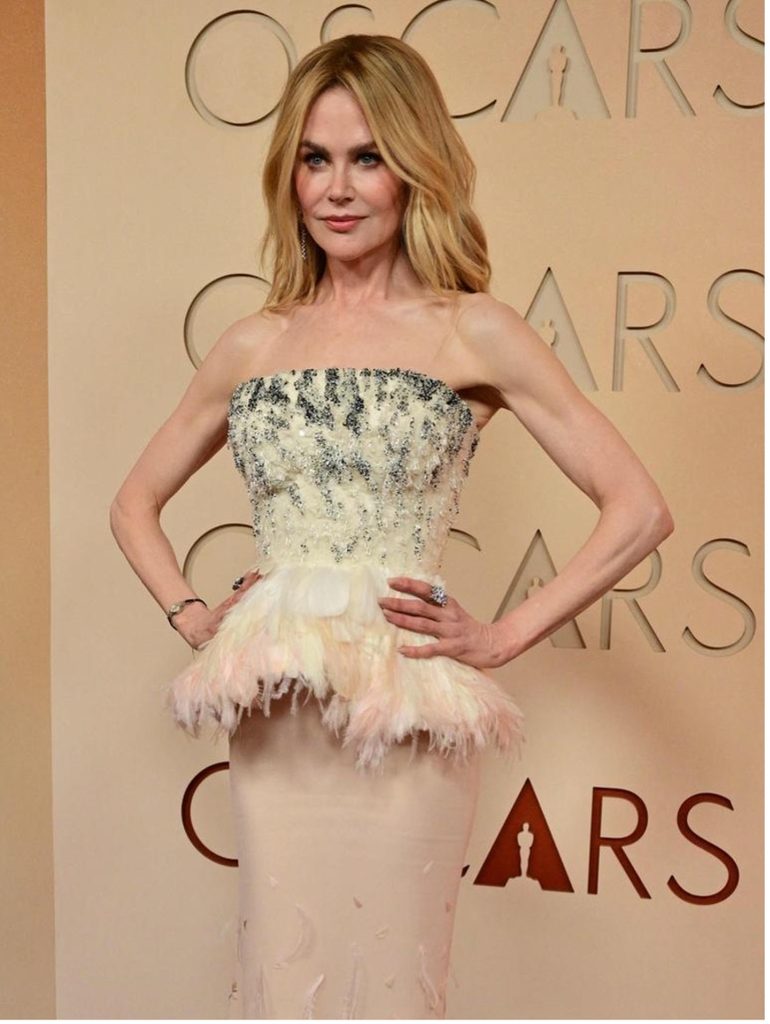

Meghan Trainor isn’t the only artist who has preached for body positivity, then has contradicted these ideals by appearing in the public eye with major weight loss. Rebel Wilson or better known as “Fat Amy” in the Pitch Perfect Trilogy, and American musician, Lizzo, have both gained much traction in recent years for their body transformations. While these artists have actually been praised by fans for their weight loss journeys, it is entirely at odds with their once-body-positive ideals. It suggests to young people, who may be of a larger size, that they should lose weight, with many resorting to unhealthy methods due to the accessibility of GLP-1 medications, which will be explored further throughout this article.
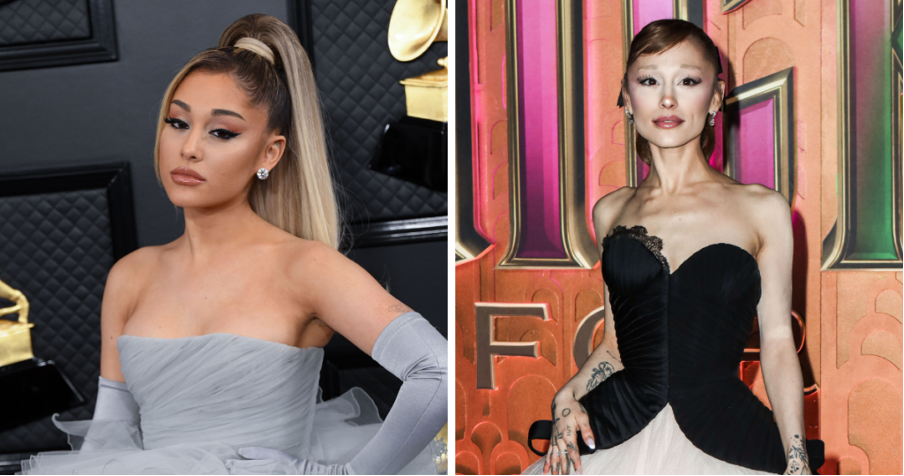
This issue of contradicting body positive messages is not just limited to plus sized artists endorsing on weight loss journeys; celebrities are appearing in the media looking almost malnourished and gaunt. There has been much social media discourse revolved around the cast of Wicked and their intense body transformations. However, due to the “Ozempic era”, society is rapidly jumping to the conclusion that GLP-1 medications are the cause of thinness. While the accessibility of these substances is raising concerns currently, it has become a standard response to believe that any thin person is resorting to these unnatural methods. Although, one thing is for certain, the cast have become unusually thin since the launch of the first film in November of 2024, and this contributes to the media’s impact on the decline of body positivity. Social media platforms, such as TikTok, are engagement orientated and will boost content that provokes an emotional response and generates conversation. Body comparison videos of the Wicked cast have the ability to negatively impact an individual’s self-esteem when they are constantly fed to users online. The actions and looks of celebrities influence individuals, particularly women and young girls who are constantly navigating pressure to conform to societies ideals.
Body consciousness amongst young people has always been apparent, but the issue is incredibly impactful today, with the widespread use of appetite suppression medications, particularly amongst young women. I was recently scrolling online and came across a video that opened with “just take the peptides”. These substances are so accessible and normalised, to the point where individuals are made to feel as though they should be taking them. This completely contradicts the message of the Body Positive Movement, that aims to celebrate women no matter their size. Instead it encourages women and young girls to believe that being thin is the only option, and there is ‘no excuse’ to be anything else.
As these appetite suppression medications are advertised online and are incredibly normalised, young people have had the ability to gain access to them without proper supervision and a lack of awareness surrounding the real medical implications. Traditionally, GLP-1 medications were taken to treat type 2 diabetes by managing metabolism; however, medical professionals have recognised the widespread use of these substances amongst those who don’t need to be consuming them, and how this has circulated online. The medications were initially made for and tested in diabetics; therefore, the harms are unknown for someone who doesn’t fit within this category. With influencers sharing their weight-loss journeys on Ozempic, audiences are led to believe that this easiest and best solution for weight loss.
While many are open about their GLP-1 weight-loss journeys, some will disguise it, leading others to believe that they have truthfully lost weight naturally in such a short duration. This sets unrealistic standards for women and young girls who are navigating weight-loss journeys and has the ability to damage self-esteem and acceptance. Body dysmorphia is a slippery slope, and when women and young girls are presented with false depictions of weight loss, it is likely to severely impact their mental health. With a rising focus towards well-being post-pandemic, society has become fixated on being thin as opposed to truly being healthy. This, combined with the widespread normalisation of appetite suppression medications, is a key contributor to the current decline in body positivity.
Within half an hour creating an account and scrolling on TikTok, users are presented with some form of body-image content. From a time where society was focussed on acceptance and feeling comfortable in one’s own skin, to an Ozempic-orientated world where the only option is to be thin, body positivity has been overshadowed. The constant feed of curated healthy living content, celebrities and public figures appearing extremely slender and the normalisation of GLP-1 medications means we have taken a major step back in time, neglecting our once-body-positive ideals. Perhaps it’s time we rethink what the ideal women should look like and instead consider why the media and society get to define one.
 Jessica Goff
 somewhatdamaged
 Fynn Thompson