
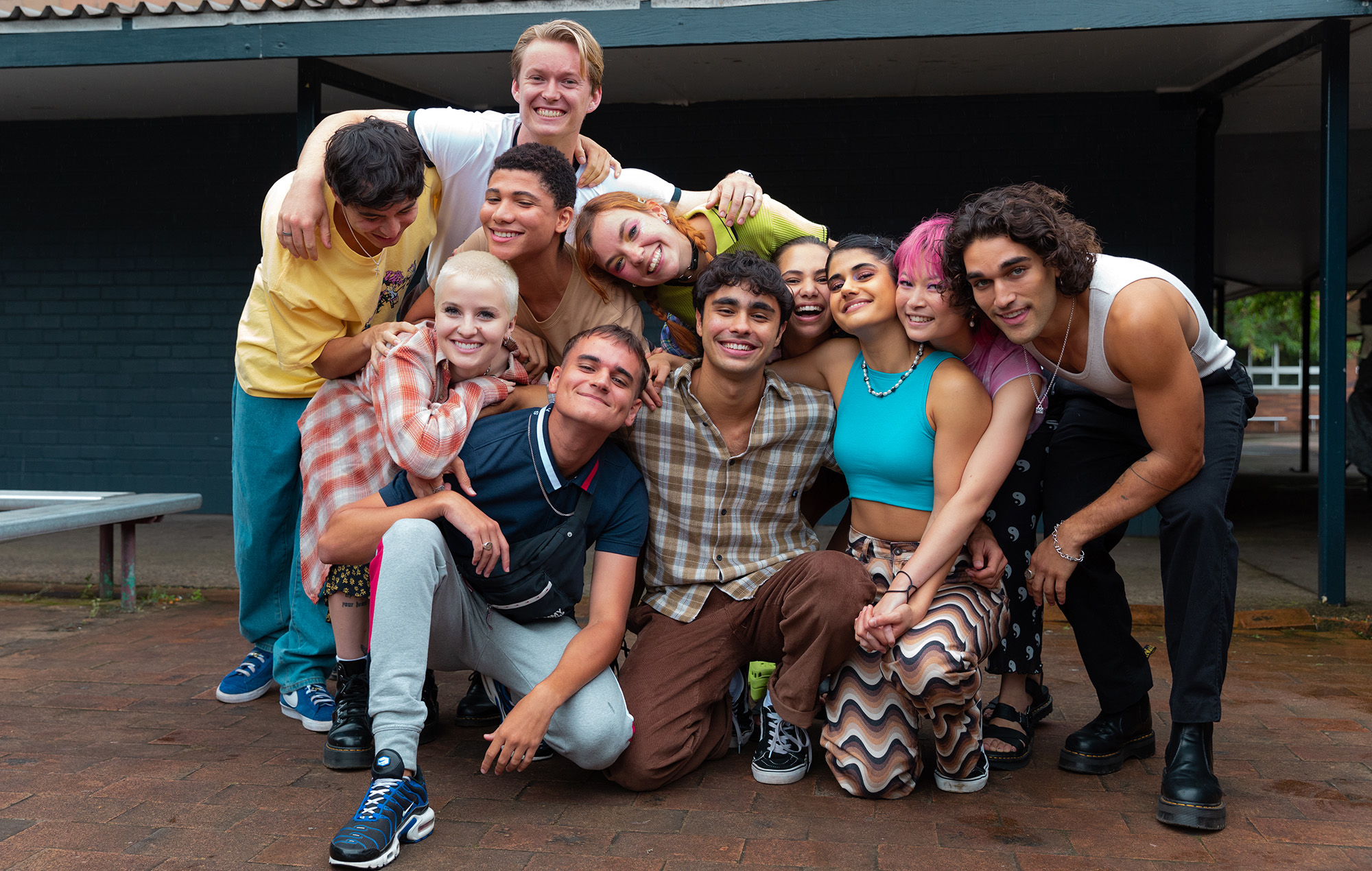
In 2022, Netflix released the comedy-drama series Heartbreak High, created by Hannah Carroll Chapman, and earlier this year the story came to an end with the release of its third and final season. The series follows a group of Australian Gen Z year 11’s at Heartley High who are forced to attend a sexual literacy tutorial, or as the students call it, “Sluts”, after a graffiti map exposing student hookups is discovered on campus.
This coming-of-age series is a reboot of the 1994 Australian drama series with the same title, reimagined to explore how contemporary teens navigate romance, identity, heartbreak, trauma, and sexuality and develop unlikely friendships. Central to this are complex, authentic, and diverse representations of Australian teenagers and modern society. I argue that these contextual, diverse, and meaningful narrative representations of youth in Heartbreak High are what set it apart from other contemporary media.
As an Australian media student and avid comedy-drama fan, I have noticed that most popular teen dramas focus on the American or UK context. Furthermore, I have noticed that Australian characters and narratives are becoming increasingly uncommon in popular media. Heartbreak High, on the other hand, is undeniably and unapologetically Australian.
Set in Sydney, Australia, this series features themes, dialogue, and storylines that are unequivocally Australian. For instance, in episode 8 of season 2, the students excitedly broke out into dance to perform the Nutbush at their school formal (Murfet & Oldfield, 2024, 16:05). An iconic—and uniquely Australian—line dance to Tina Turner’s Nutbush City Limits, routinely performed at gatherings across the country. Other notable Australian themes include references to Centrelink, bush doofs, ABC Rage, and Schoolies. Not to mention the frequent use of Australian slang such as rack off, gatho, povvo, wagging, and, of course, eshay. These highly contextual themes and dialogue allowed the show to showcase the cheeky and brash side of Australian culture and authentically represent the experiences and attitudes of Australian teenagers today.
“It’s been really fun to see how our phrases and attitudes have resonated globally. There are super cuts of our characters saying ‘oi’. I think we really wanted to capture what makes Australia different.” —Anna Curtis, producer (2026), Screen Australia
Screen Australia (2023) found that authentically Australian voices, settings, and experiences support audience connection and distinguish local content. Specifically, in their Heartbreak High case study, they found that the show’s distinctively Australian settings and tone fostered audience connection and appreciation and sparked significant online engagement (Screen Australia, 2026). Personally, I have never seen such a realistic depiction of Australian youth, especially in such a niche, contextual way. According to Jenner (2024), the “flattening out” (p. 1481), or avoidance of national specificity, is an increasingly common strategy, frequently utilised within the teen genre by streaming services, such as Netflix, to appeal to transnational audiences (Jenner, 2024, p. 1484). Heartbreak High, however, did notsoften, reduce, or explain nationally specific themes, dialogue, or narratives. In fact, one of the show’s main priorities was not “dumbing down” the slang or Australian essence for international audiences (Brzeski, 2022). This highly contextual depiction of Australian society is one reason why Heartbreak High’s representation of youth stands out from other contemporary media.
“Heartbreak High isn’t the kind of show you watch once and forget about. With a flawed, yet loveable cast, its relatable storylines and refreshingly accurate portrayal of the average Australian High School, the brilliant series has put the land Down Under on the worldwide map in a way that’s never been done before.” —Jess Pullar (2024), Elle
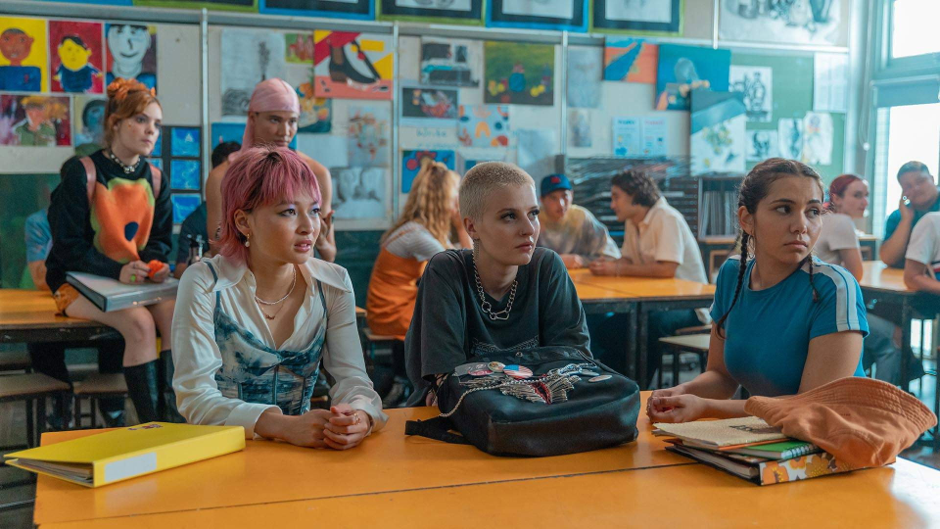
Another major strength of Heartbreak High is its nuanced representation of diversity. Screen Australia (2023) found that stereotypes, inadequate representation, and tokenism in storytelling are persistent in Australian TV dramas. Moreover, King (2022) reported that both on and off screen, popular media continues to be dominated by straight, cis white men, while the representation of LGBTQ+ people and people of colour is significantly lacking. By contrast, Heartbreak High prioritises diversity, centring characters with different gender identities, ethnicities, disabilities, sexualities, backgrounds and intersectional identities. The main character, Amerie, played by Ayesha Madon, is a hardworking, confident, and impulsive student of Indian descent. Her best friends are Harper (Asher Yasbincek), who has a difficult home life and struggles with PTSD; Darren (James Majoos), who is of South African descent and identifies as queer and non-binary; and Quinni (Chloé Hayden), who is autistic and identifies as a lesbian. Other characters include the main love interest Malakai (Thomas Weatherall), a bisexual First Nations student, and Ca$h (Will McDonald), who identifies as asexual. Additionally, both the cast and crew are incredibly diverse, ensuring authentic, credible, and nuanced narratives written for and by marginalised people (Riga, 2022). What’s special about this representationis how they are more than just their identities. Each character is deeply complex and multifaceted, with individual quirks, flaws, challenges, and stories that break free from predictable tropes and stereotypes. Contrary to the typical straight white male-centred stories and stereotypes common to mainstream media.
“It’s diverse but our racial backgrounds or our sexuality or our identities are the least interesting things about all of these characters and us as people.” —James Majoos (2022), SBS News
Jenner (2024) argues that as Netflix seeks to appeal to transnational audiences, it has shifted towards strategic “visibility politics” (p. 1479), in which social movements are reduced to visibility rather than representation. Visibility, defined by Jenner (2024, p. 1475), is the appearance of diversity, while representation is the linking of visual diversity with nationally specific narratives of marginalisation. Heartbreak High goes beyond visibility, exploring diverse, nuanced identities and narratives. For example, the characters Missy (Sherry-Lee Watson) and Malakai (Thomas Weatherall) showcase the everyday lives of First Nations teenagers and narratives surrounding community, culture, and racial discrimination. Weatherall told Elle, “I don’t know in how many—if any—there was a young Indigenous male going through the kind of stuff Malakai [his Heartbreak High character] does in his storyline,” (Pullar, 2022). Similarly, Chloé Hayden, who played Quinni, reported that growing up she had never seen authentic autistic representation in media, especially autistic women (Riga, 2022). Missy, Malakai, Quinni, and other leading characters in this series portray identity exploration, intersectionality, oppression and privilege in modern society, and the everyday lives of diverse Australian teenagers. Providing audiences with narratives and perspectives that are often excluded. Evidently, Heartbreak High prioritises nuanced diversity representation both on and off screen. By centring characters and narratives that are complex and authentic, this series helped bring the narratives of underrepresented Australian youth to mainstream media, highlighting the lack of and need for more comprehensive diversity representation and storytelling globally.
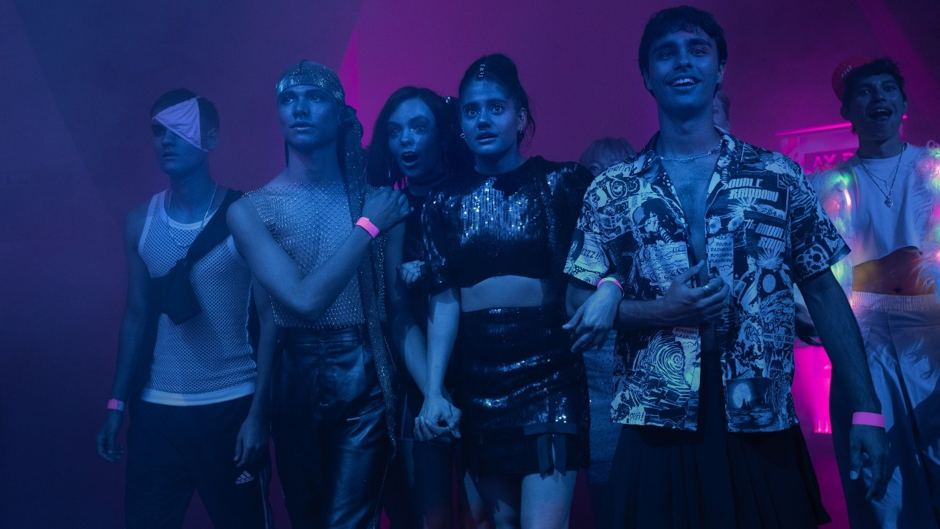
To generate important conversations, inform audiences, and support the acceptance of others, it’s critical that contemporary media meaningfully address societal issues. In Australia, there has been an upsurge in far-right extremist groups, hate speech, and increasing efforts to mainstream discriminatory views (Gallagher, 2026). Globally, violence against women remains a major, pervasive issue; specifically, transgender women and women with disabilities are at a higher risk of violence due to intersecting forms of discrimination (World Health Organisation, 2026). Television and film play a pivotal role in shaping self-images and identity as well as societal beliefs, attitudes, and understandings of others (King, 2022). Thus, it’s more important than ever that contemporary media engages in meaningful, inclusive storytelling to help audiences feel seen, drive important conversations, and encourage positive societal change.
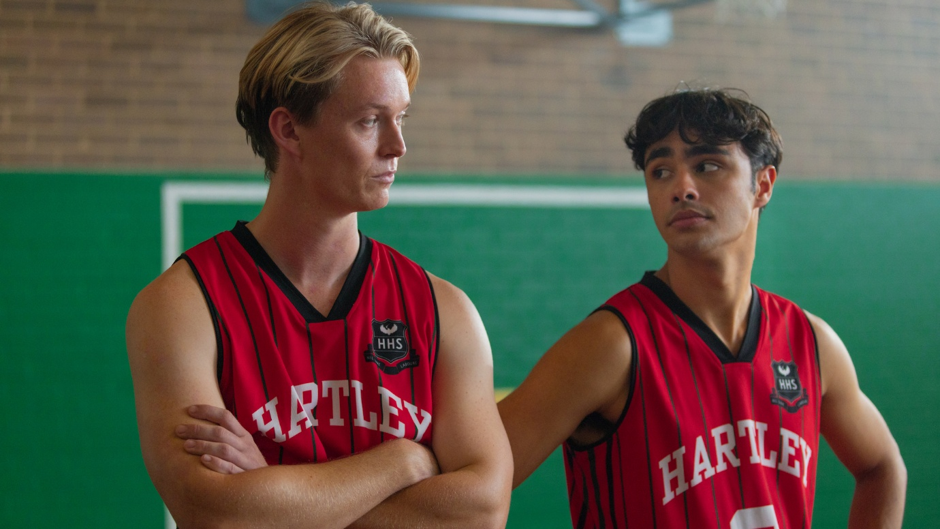
According to Screen Australia (2026), Heartbreak High had a significant cultural impact, supporting the normalisation and destigmatisation of underrepresented topics in youth media. Including narrative exploration of topics such as human rights, identity, drug use, mental health, misogyny, sexual relationships, and discrimination. This provided impactful social commentary that resonated with audiences worldwide and contributed to broader conversations around diversity and inclusion. This exploration prompted comparisons to other contemporary teen dramas, such as Euphoria, Sex Education, and Never Have I Ever (Screen Australia, 2026). However, their approaches vary; Euphoria is much heavier, Sex Education is more educational or informative, and Never Have I Ever is primarily comedic. What sets Heartbreak High apart is its ability to address societal issues and reflect the current social and political landscape through a refreshingly authentic, engaging and hopeful lens. Skilfully balancing entertainment and humour with sincerity, integrity, and meaningful social commentary. This approach was a driving force for the show’s significant local and international success. Over three seasons, it received 29 award nominations and 13 wins (IMDb, n.d.), achieved an average Rotten Tomatoes score of 85% (Rotten Tomatoes, n.d.), was ranked number one on Netflix in Australia one week after release, and entered Netflix’s top ten in 45 other countries (Riga, 2022). Not to mention the exceedingly positive online discussion and social media discourse (Screen Australia, 2026).
What sets Heartbreak High apart from other contemporary media is its incredibly contextual, diverse, and meaningful narrative representations of youth. Through this representation, the series brought authentic Australian teen stories to mainstream media, providing global audiences with an accurate depiction of Australian culture. Importantly, this depiction of Australian youth centred diversity, highlighting various identities and cultures through complex characters and nuanced storytelling. Further, the series meaningfully addresses societal and political issues in an inclusive, engaging, and impactful way. Heartbreak High’s global success and incredibly positive response from audiences highlight the want and need for more local, diverse, and complex stories. Hopefully, the success of this series encourages the production of more teen media like Heartbreak High and a shift towards more inclusive, authentic, and accurate representations of youth.
 Jessica Goff
 somewhatdamaged
 Fynn Thompson