
GTA VI is the biggest game of the year, and its physical edition has no disc. Sony is also about to end discs for new games. Who loses when you can only buy a licence?
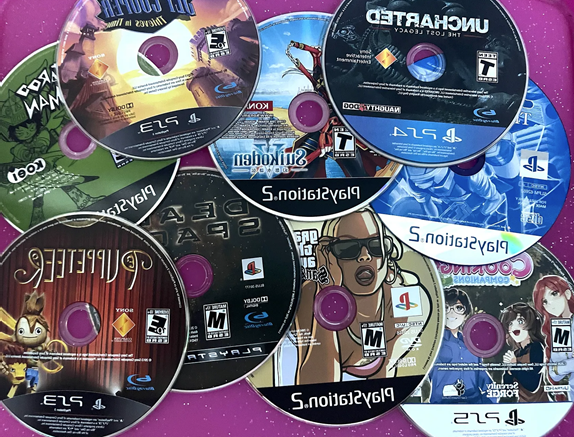

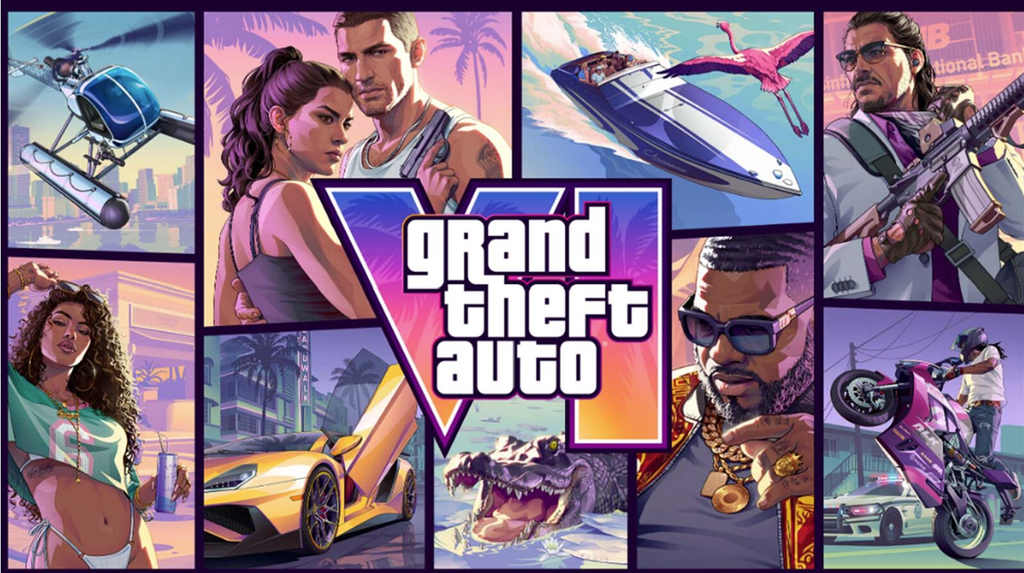
On November 12, shops will start selling the physical version of Grand Theft Auto VI. The standard edition costs $79.99. But when buyers open the case, they will not find a disc. They will find only a download code. The game itself launches a week later, on November 19, and the box lets players pre-load the game before then.
Rockstar’s announcement in June upset many players, and a guest post on MCV had already asked whether GTA VI could be a turning point for the whole industry. Then, on July 1, Sony said it will stop making discs for new PlayStation games from January 2028. The direction is clear. In the same season, the biggest game of the year and the biggest disc-based console platform are both moving away from discs.
Publishers still want boxes on shop shelves, because a box is good advertising. What they are removing is the part that gives buyers real ownership: the disc. This article argues that code-in-a-box releases are a corporate plan to end the second-hand game market and push buyers into closed digital stores.
A code is not a disc
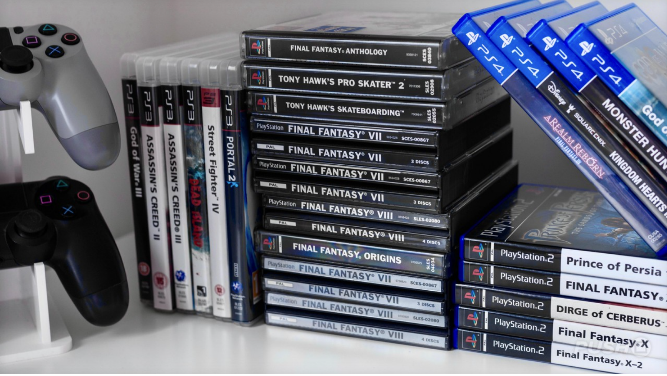
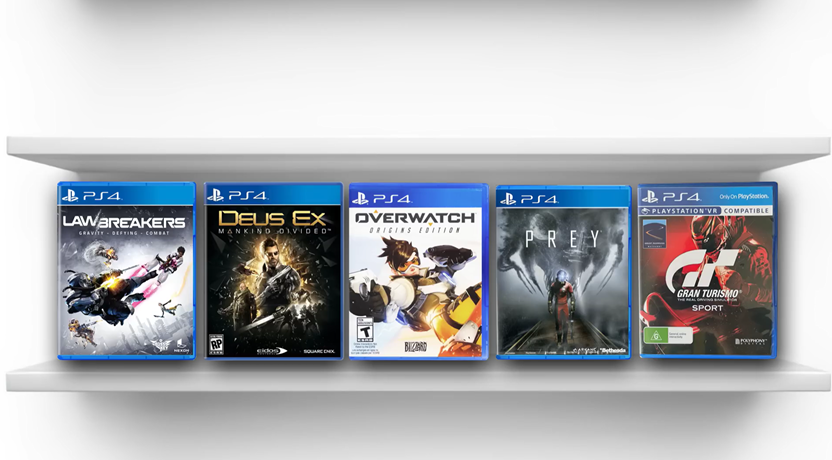
For decades, a game disc was your property. You could lend it to a friend, trade it in, or sell it when you finished. A download code works differently. Once you redeem it, the software is locked to one user account. You cannot sell that account, and the used code in the box is worth nothing.
This matters because of how money moves in the games industry. When someone buys a used game, the publisher earns nothing. A code that can be used only once removes that problem completely. No trade-in, no loan, and no cheap second copy means every player must buy from the publisher.
Publishers have other explanations. Reports suggest Rockstar wants to prevent early leaks, because a disc could reach players before launch. That may be true. But whatever the reason, the result is the same: a physical copy that cannot be resold.
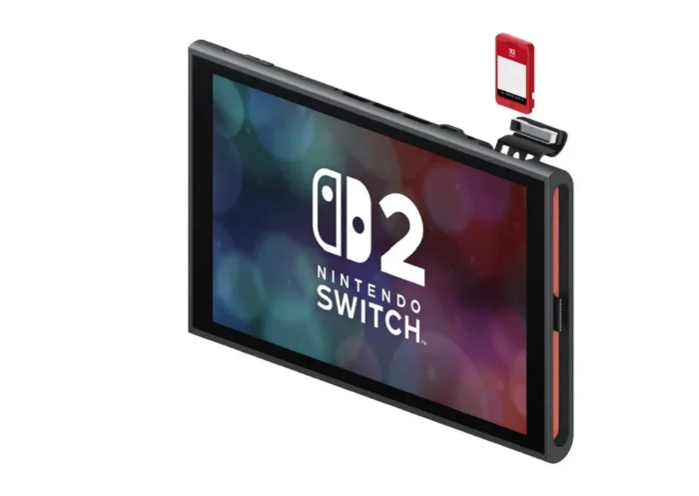
GTA VI is also not alone. Nintendo already sells Switch 2 cards that look like physical games but only unlock a download. Sony’s decision shows where the whole industry is moving. Sony explained it by saying that players now prefer digital. That may be true for many people, but preference is not the same as choice when the other option is removed. Sony says new games will still be sold in shops after 2028, but without discs, so what customers take home will probably be a code. The plastic case stays on the shelf and keeps the game visible, while the used market under it disappears. In other words, the box is advertising, not a product.
The first people to feel this are not the big companies. They are the shops that built their business on trading games.
The shops that say no
Independent game stores depend on trade-ins and resales to make a profit. New games have very low margins for retailers, so a shop that sells only new software earns very little on each sale. A used game is different. The shop pays a small amount to the customer, sells the game again at a higher price, and keeps the difference. That cycle pays the rent and the staff. These shops are also places where players meet, swap games, and ask for advice.
Code-in-a-box releases break this cycle, because a customer who has no disc has nothing to bring back. Nathan Ellingsworth of Pocket Tactics explains why this is a problem for shops on the Nintendo Switch: used stock never returns to the shop.
This summer, some retailers decided to say no. Video Games Plus in Canada and Loot Box Gaming in the United States both announced that they will not stock the physical version of GTA VI, because a box with only a code is not a physical game. Video Games Plus added that it would gladly sell a version with a disc. Their protest will not hurt Rockstar, and the stores know it. They are not trying to change the game’s sales. But it shows how seriously small retailers take the threat.
Their fear is understandable. US spending on physical games fell to about $1.5 billion in 2025, the lowest figure since records began in 1995. A shrinking market is hard enough. Without used games, many small shops may have nothing left to sell. A shop that only sells codes becomes a middleman. It earns a small margin, and it never sees the customer’s game again. That is not a business many owners can survive on.
Shops are not the only people who pay the price. Players on small budgets pay it too.
Budget gamers pay more
Games are getting more expensive. Rockstar’s standard edition of GTA VI costs $79.99, and the Ultimate Edition costs $99.99. For a student or a young person on a low income, that is a large amount of money for one game. A student who earns $15 an hour must work more than five hours to pay for it.
Until now, there was a way to cope with these prices. Players traded in old discs and used the credit to pay for new games. Others waited a few months and bought a cheaper second-hand copy. For many budget gamers, the used market was the main way to stay in the hobby.
Without used discs, that option is gone. Players must buy from official digital stores, where the publisher or platform sets the price. There is no shop next door to compete with, and no used copy to wait for. Discounts still happen, but they happen when the seller decides, not when the buyer needs them.
The result is a financial barrier. Lower-income players are forced to pay full price for the biggest releases, or to wait for years. Meanwhile, the people who can afford $80 on release day get the game first. Over time, a hobby that was once easy to enter becomes a hobby for people with more money. Removing the used market does not only change prices. It changes who is allowed to play.
The problem is not only about money today. It also affects what we will be able to play in the future.
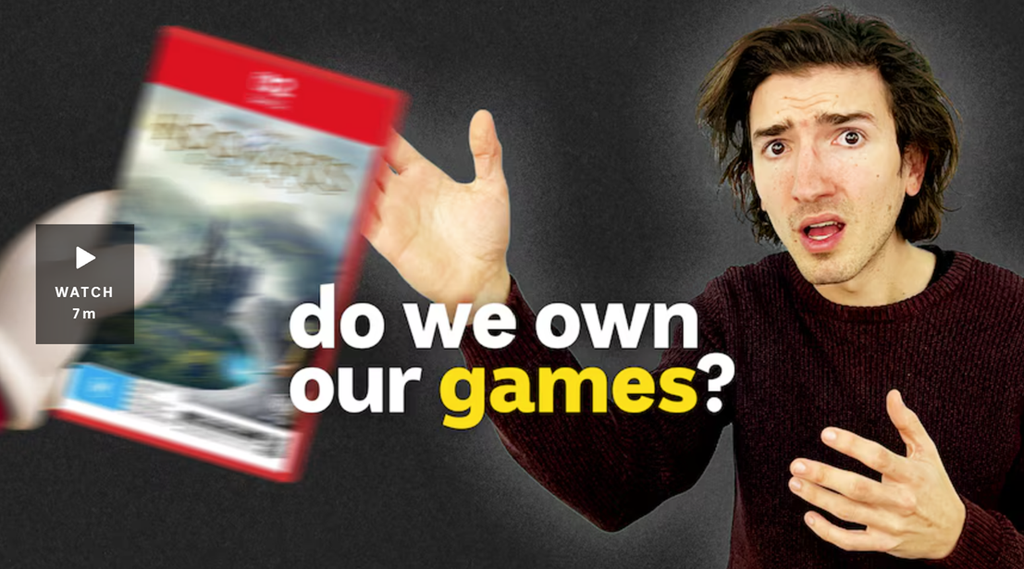
This shift raises a bigger question about whether buying a digital game means truly owning it:
When the servers go dark
A game on a disc can last for decades, and a disc is also a backup. If a store closes, the disc in your cupboard still works. A download code is different. It gives you a licence, and that licence depends on someone else’s servers and rules. Even if you keep your console and your account, you depend on the company to keep its store and servers open for as long as you want to play. When a company closes a store or a server, the game can become impossible to download or play.
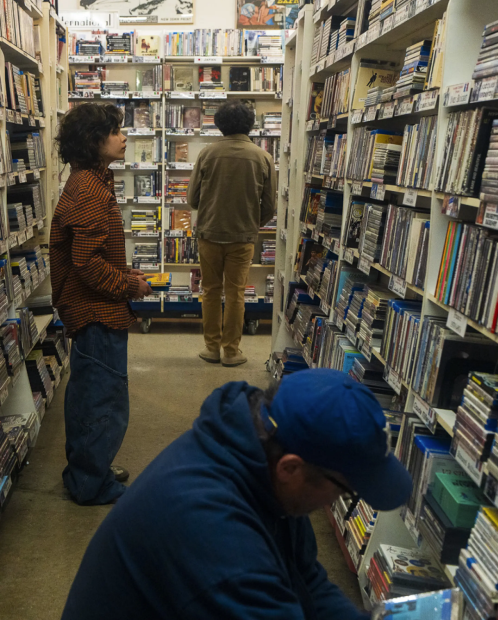
Code-in-a-box copies also leave no physical data behind, so there is no disc for a library or a museum to keep. This is already a serious problem. The Video Game History Foundation found that about 87% of classic video games released in the United States are no longer available to buy. If discs disappear, the same may happen to today’s games much faster.
Many players are worried. A European citizens’ campaign to protect the games people have bought collected 1,294,188 verified signatures in the European Union. In June, however, the Commission decided not to propose a new law. Instead, it promised talks with the industry and consumers before the end of 2026. For now, no law protects the buyer. The campaign says it will now try to add its ideas to the EU’s Digital Fairness Act.
The key point is simple. Buying a download code is not buying software. It is buying temporary permission to use it, and that permission can be taken away.
A marketing trick with a high price
Code-in-a-box releases are a marketing trick. They let publishers say “we still sell physical games” while they remove ownership, choice, and permanence. They harm small retailers who depend on trade-ins, they squeeze budget gamers who can no longer save money, and they put the history of the medium at risk.
Players do not have to accept this quietly. They can support shops that still sell discs, check what a physical game really contains, and tell publishers what they expect. The next time you pick up a game box, open it first. On November 19, millions of people will start GTA VI. Many of them will not notice what they never received.
YouTuber Ross Scott launched the Stop Killing Games campaign:
 Jessica Goff
 somewhatdamaged
 Fynn Thompson