
By Daniel Almanza
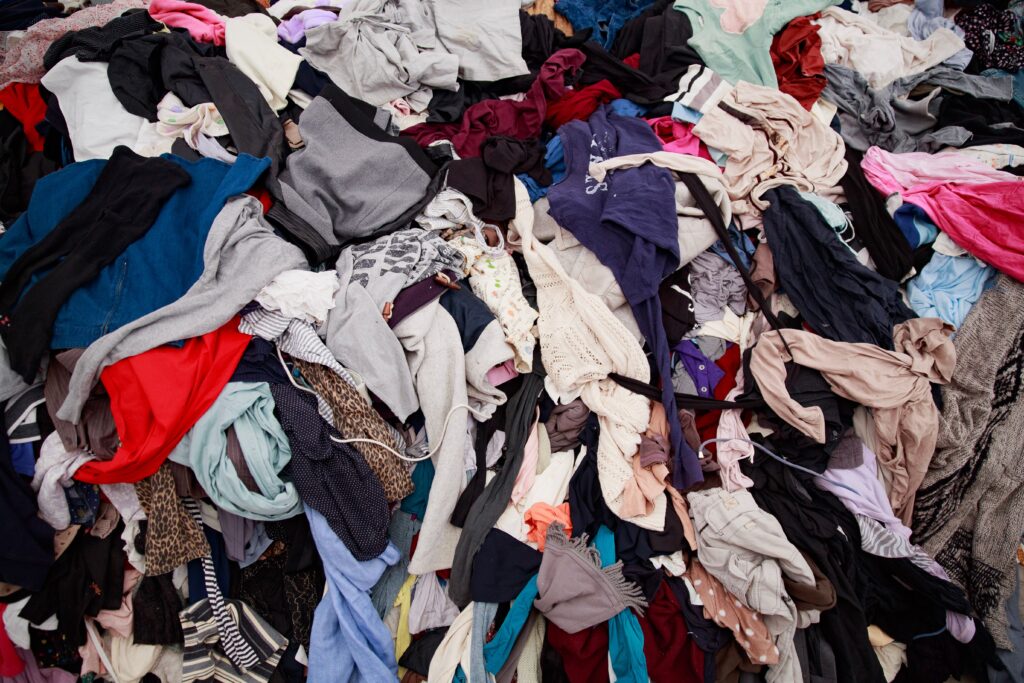
Photo: Pexels — clothing waste
- Millions of tonnes of clothing are thrown away every year as fast-fashion companies continue to release new styles.
France has introduced new environmental fees on ultra-fast-fashion clothing. The new rules mainly affect online companies such as Shein and Temu, which sell large quantities of low-cost clothing and continually add new products to their websites.
The fees started on 1 September 2026. According to Euronews, companies will pay fees of €0.50 for underwear, €2 for a T-shirt, €9 for jeans and €12 for a jacket in 2026. The fee could increase to nearly €20 per item by 2030. However, it cannot be more than half of the product´s original price before tax.
The French government hopes these fees will reduce the environmental impact of cheap clothing. They may also encourage people to buy fewer clothes, choose second-hand items or support brands that make longer-lasting products.
Why is Shein different?
Traditional fashion brands usually release new collections for different seasons. Fast fashion companies changed this system by producing new styles much more quickly. Shein has made the process even faster by leveraging insights into online trends and customer behaviour.
Customers can find thousands of cheap products on Shein´s website and app. New styles, sales and discounts appear regularly. This makes shopping easy and entertaining, especially for young people who follow fashion trends on TikTok and Instagram.
Social media influencers also promote large clothing hauls, where they show many items in a single video. This can make frequent shopping appear normal and harmless.
However, it can also encourage people to buy clothes they do not need. A cheap shirt may not feel important. Purchase, but the environmental impact becomes much greater when millions of customers do the same.
Shein says that its production system helps prevent waste. According to the company, it normally begins by making only 100 to 200 units of a new product that is unpopular, the company can stop making it.
Shein claims that this on-demand production system keeps its amount of unsold stock low.
This may reduce the number of unwanted clothes left in Shein´s warehouses. However it does not solve the complete problem. Customers can still purchases too many inexpensive clothes, wear them only a few times and then throw them away.
The Problem of clothing waste
The problem is not limited to shein. The entire fashion industry produces a large amount of pollution and waste.
The United Nations Environment Programme says the world produces around 92 million tonnes of textile waste every year. Clothing production doubled between 2000 and 2015, but people kept their clothes for less time. Only 8 per cent of textile fibres used in 2023 came from recycled sources.
Some unwanted clothes go to landfills, while others are sent to countries that do not have enough facilities to manage the waste. These clothes may be dumped or burned, causing more environmental and health problems.
The fashion and textile industry also produces between 2 and 8 per cent of global greenhouse-gas emissions, according to UNEP. This includes emissions from making materials, producing clothing and transporting products around the world.
Will higher prices change people´s habits?

NurPhoto via Getty Images
France wants ultra-fast-fashion companies to take more responsibility for these environmental costs. The new fees will make some products more expensive. For example, adding a €12 fee to a cheap jacket could make a second-hand or better quality jacket seem like a more reasonable choice.
Still, low prices are not the only reason people use Shein. The company offers a large range of sizes and styles, fast access to current trends and a convenient shopping experience. Some customers also depend on cheap fashion because they cannot afford more expensive brands.
The policy has created disagreement between France and China. China has asked France to remove the fees, arguing that they unfairly target Chinese businesses. Questions have also been raised about why some European fast-fashion companies may not face the same treatment.
The French government believes its policy is an important step towards reducing the environmental effects of ultra-fast fashion. However, it is too early to know if it will work.
The real test will be whether people buy fewer clothes and keep them for longer. If customers simply move to another cheap website, the environmental benefits will be small. France´s new policy may not solve fashion´s waste problem on its own, but it could start an important conversation about the real cost of very cheap clothing.
 Tilly Bunnage
  Josh
Josh  Idea Phochaiya