
Gone are the days when horror needed a supernatural monster to scare us. Traditional horror has always acted as a cultural mirror, reflecting the anxieties of its time: Godzilla emerged from fears of nuclear warfare, while Night of the Living Dead tapped into anxieties surrounding the collapse of traditional family structures. Two different kinds of “nuclear” anxiety, both equally horrifying.
Now, as Gen Z enters the entertainment industry, it brings with it a new catalogue of fears shaped by the world we grew up in. Our horror is no longer just about what might be hiding in the dark; unfortunately, we already have enough to worry about in broad daylight. For Gen Z, the scariest monsters have become the ones we recognise.
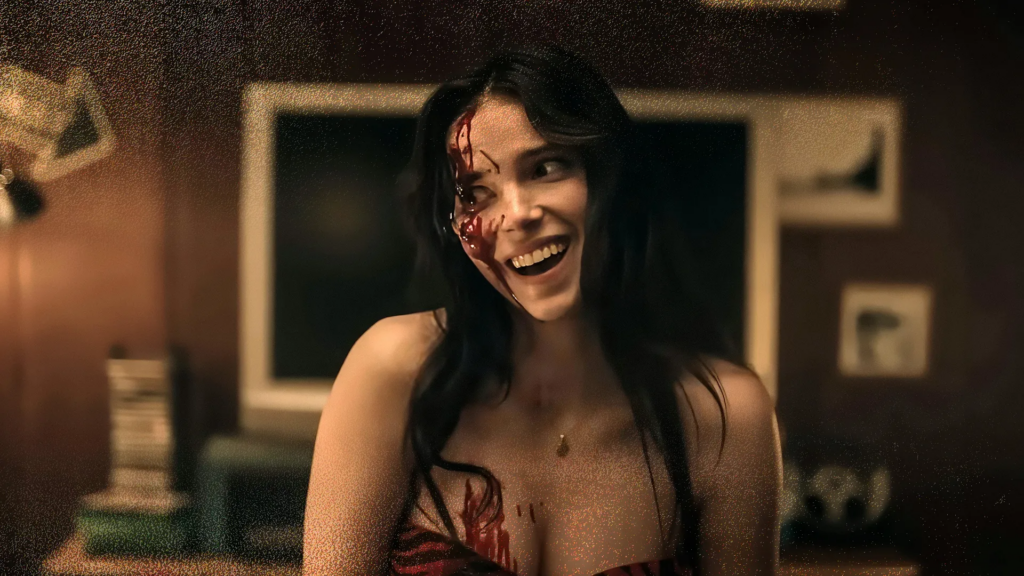
When Obsession, the low-budget horror film directed by Gen-Z ex-YouTuber Curry Barker, hit the screen, it proved you don’t need a Hollywood budget to make people uncomfortable. Because behind all the blood, guts and terrifying SFX makeup (yes, I’m talking about that scene) lies something arguably scarier: red-pill and incel culture.
By embedding themes of online obsession, consent and social isolation into horror, Obsession transforms a very real Gen-Z anxiety into a terrifying question – what if the worst parts of internet culture left the screen? By taking a familiar social topic and turning it into something disturbing, confronting and entirely unfamiliar in horror, it becomes something we can’t simply scroll past.
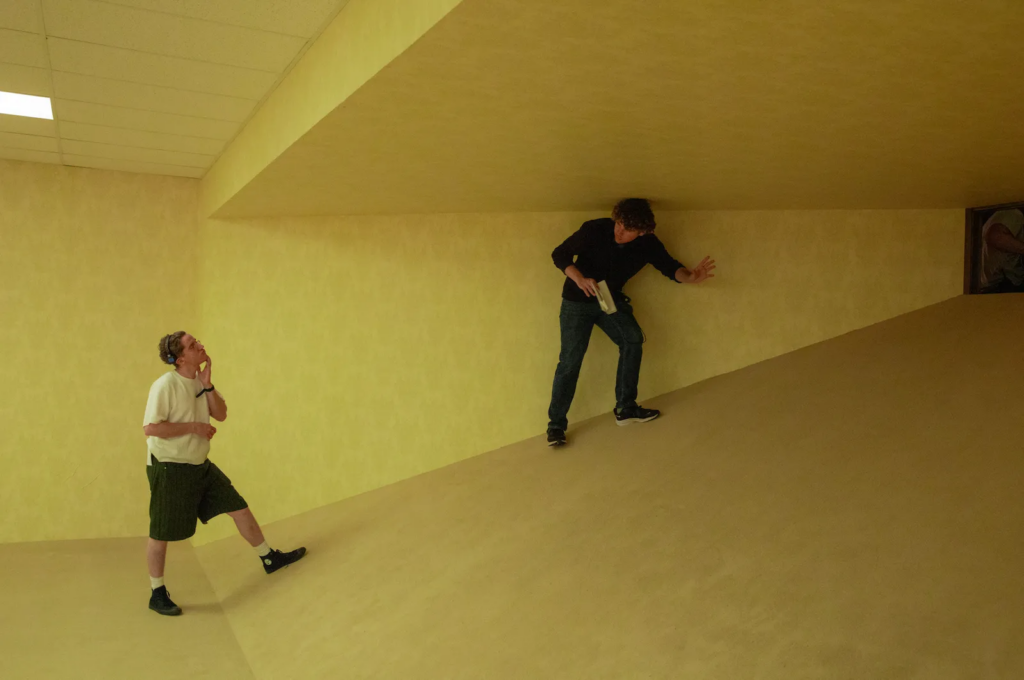
Take Backrooms, for example. What began as a creepy 4chan image of an ordinary furniture store somehow resonated with millions of Gen-Z, tapping into the strange feeling understood by a generation that was raised online, where you can be surrounded by people, entertainment, memories and connection, yet somehow feel completely detached from it all.
There are no slashers, knives or paranormal possessions here. Instead, the horror in Backrooms comes from the feeling that you’re somewhere you recognise, but you don’t feel like you belong there, you don’t know how you got there, and you have no idea how to get back. In a generation that grew up balancing both the physical and digital worlds, perhaps that is the real horror: being connected to everything, while feeling connected to nothing.
 denneyl
  Caufield1986
  Kyle Halcyon