

Everybody knows who the “It Girl” is. Every day, her presence continues to move and intertwine with pop culture and society. She is simultaneously instantly recognizable and incredibly difficult to define. She is the moment. Across decades, this title has been given to a pantheon of women – actresses, musicians, influencers, and internet personalities who seem to capture the essence of a particular moment. Rather than being a fixed category, the It Girl is constantly evolving alongside culture itself. As Vogue writes, the modern It Girl is “more than a person; she is an aesthetic, a cultural moment” who tends to embody – and often define – the cultural zeitgeist of her era. Similarly, Wikipedia broadly describes an It Girl as “an attractive, well-known young woman who is perceived to have both sex appeal and a personality that is especially engaging.” However, these vague definitions reveal the difficulty of pinning the concept of the “It Girl” down. The It Girl has never been solely about beauty, charisma, or fame. Instead, she functions as a cultural mirror, reflecting what society values in women at a particular moment in time.
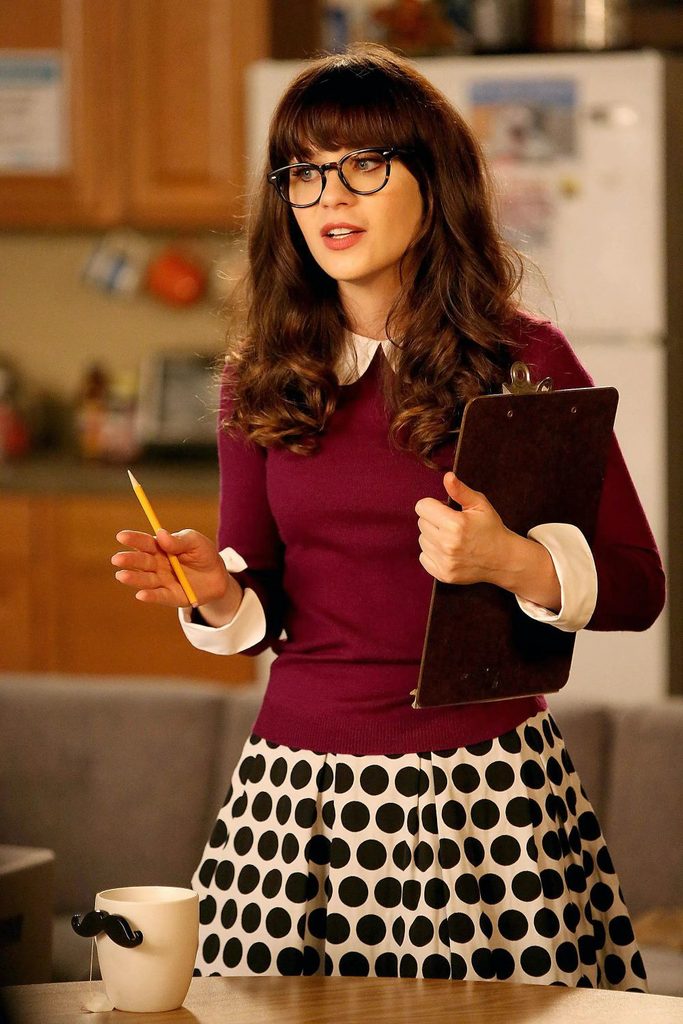
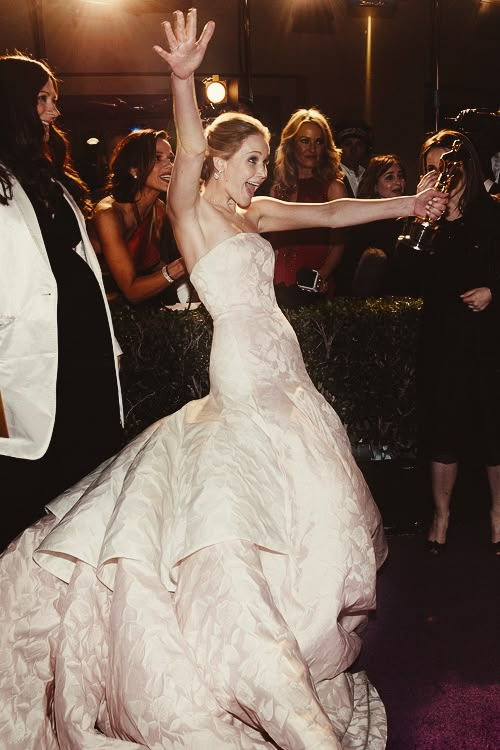
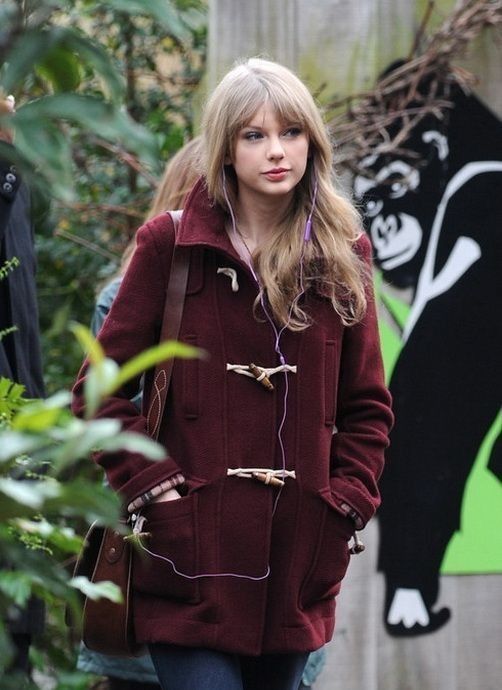
Just looking back at the past 15 years, we can see how dramatically those cultural ideals and values have shifted. In the early 2010s, we saw that the dominant version of the It Girl was defined by her relatability. According to Cosmopolitan, celebrities such as Emma Stone and Jennifer Lawrence amongst others, embodied the early 2010s version of the It Girl. They were celebrated by the culture not because they appeared perfect, but because of the opposite. They seemed awkward, self-deprecating, and ostensibly approachable. The era’s broader cultural trends reinforced this ideal. Tumblr aesthetics, shows like Gilmore Girls, Zooey Deschanel’s portrayal of Jess in New Girl, and even Taylor Swift in her early career could all be considered “cultural horcruxes” that defined the cultural moment for girls in which being quirky (and playfully awkward) was fashionable. The It Girls of the 2010s were often characterized by her ability to appear effortlessly uncool. She wasn’t trying too hard. She was clumsy, ironic, and endearingly strange – just like you. Audiences embraced authenticity over perfection, and relatability became a form of cultural capital.
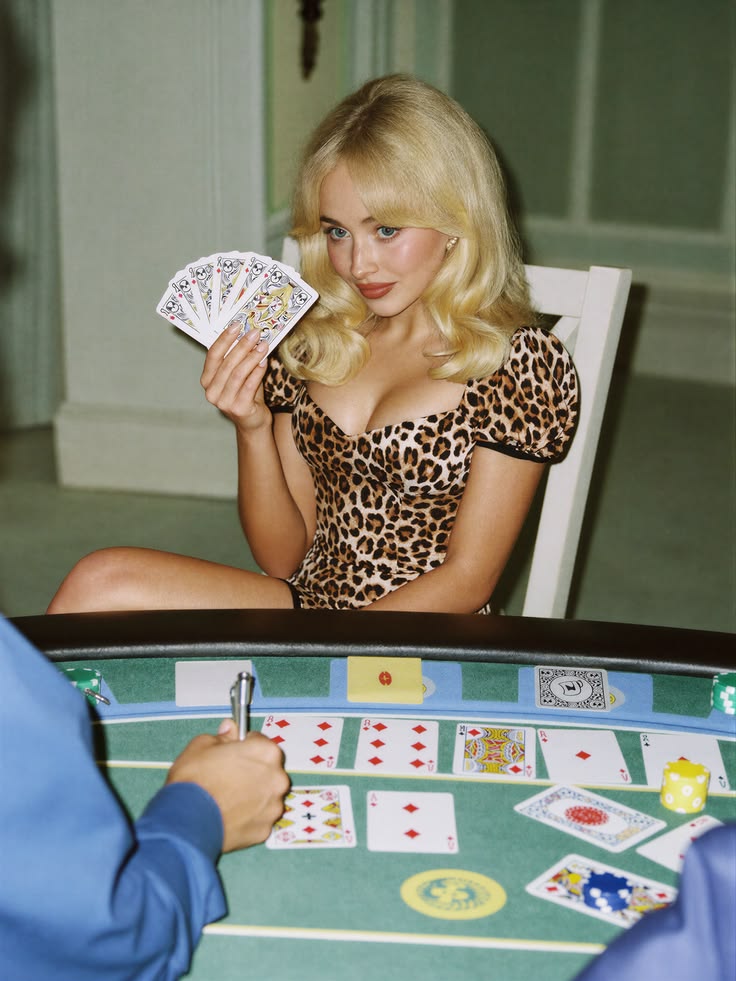

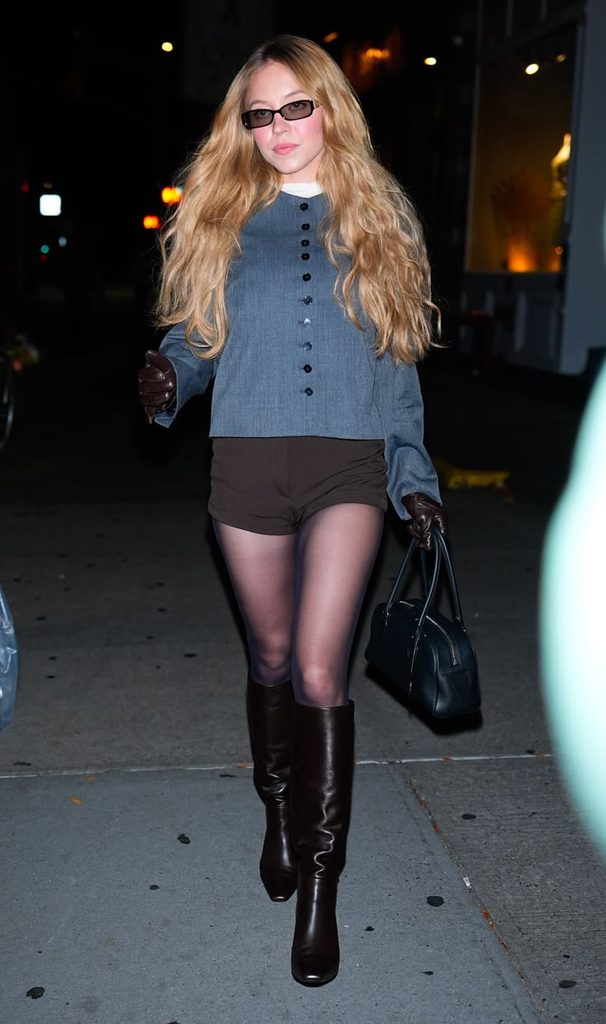
The It Girl’s of 2026 look starkly different. Today’s most celebrated female celebrities, such as Sabrina Carpenter or Sydney Sweeney, often project a version of femininity that is far more polished, self-aware, and glamorous. While each of the It Girl’s we see present in culture today clearly possesses a distinct identity, they collectively embody an ideal rooted in confidence and hyper femininity. She is loud, ambitious, and unapologetically herself. She’s the boss. Whilst the It Girl’s of today are often presented as empowered and independent; she also conforms to the many harsh conventional beauty standards in our society that often aligns with the ideals of the male gaze. Her appearance is meticulously maintained with hair and makeup, effortlessly glamourous with the dual expectation that she can – and will – get what she wants. This cultural shift then emphasizes an important question: provided in that with the idea of an “It Girl”, alternatively – what/who is out?
One answer can be found in the reception of emerging musician Audrey Hobert.
To be transparent, I disliked Audrey Hobert when I first encountered her music. Like many people, I knew her primarily as Gracie Abrams‘ best friend and songwriting collaborator. When her debut single “Sue Me” was released, I honestly found it irritating. The repeated lyrics in the chorus of “Sue me, I want to be wanted” felt grating rather than compelling. Judging by online reactions, I was not alone in this sentiment. Across social media, I saw many people commenting on Hobert’s strange nature, alleged nepotism and, of course, her appearance. User @Transleytanked on X commented:“I’m sorry but she has such an unseasoned boiled chicken pilgrim face 😭 some people are just not born to be stars”. She had become an object of ridicule rather than admiration.
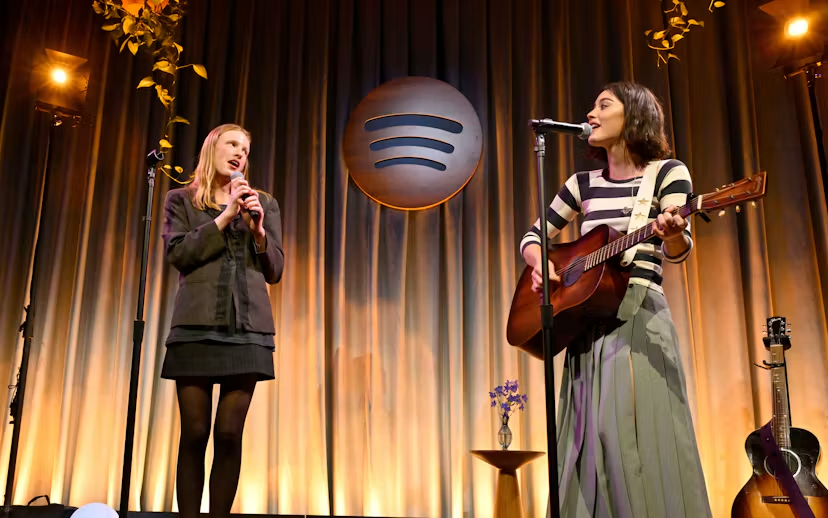
But as all my friends can tell you, over the past few months, I’ve become a bit obsessed.
The more I observed Hobert’s public persona, the more interested I became in what exactly people seemed to dislike about her.
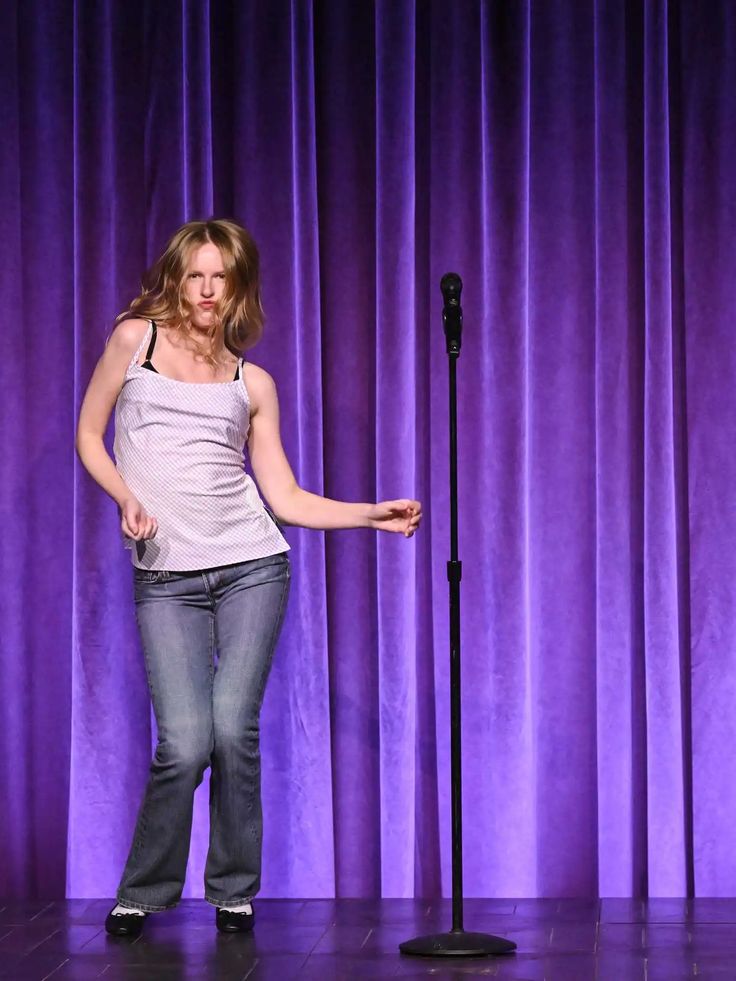
Unlike much of contemporary pop music’s female landscape, Hobert does not present herself through overt glamour. She does not rely on elaborate beauty routines, hyper-stylized fashion campaigns, or highly curated femininity. Instead, she appears onstage in oversized trench coats, wearing stilts and moustache glasses and embraces deliberately unconventional and almost off-putting performances. She bounces on trampolines. She leans into absurdity. She makes herself appear awkward. In many ways, she is the antithesis of the pop star that contemporary audiences reward.
Hobert’s position within the music industry is particularly interesting because, on paper, she possesses many traits associated with modern cultural success. She entered the industry through close proximity to an established star (Gracie Abrams). She demonstrates extraordinary confidence. She is thin, conventionally attractive, and white. She benefits from many of the privileges that typically facilitate cultural acceptance. Yet despite possessing many characteristics associated with the contemporary It Girl, public reactions to her remained notably hostile.
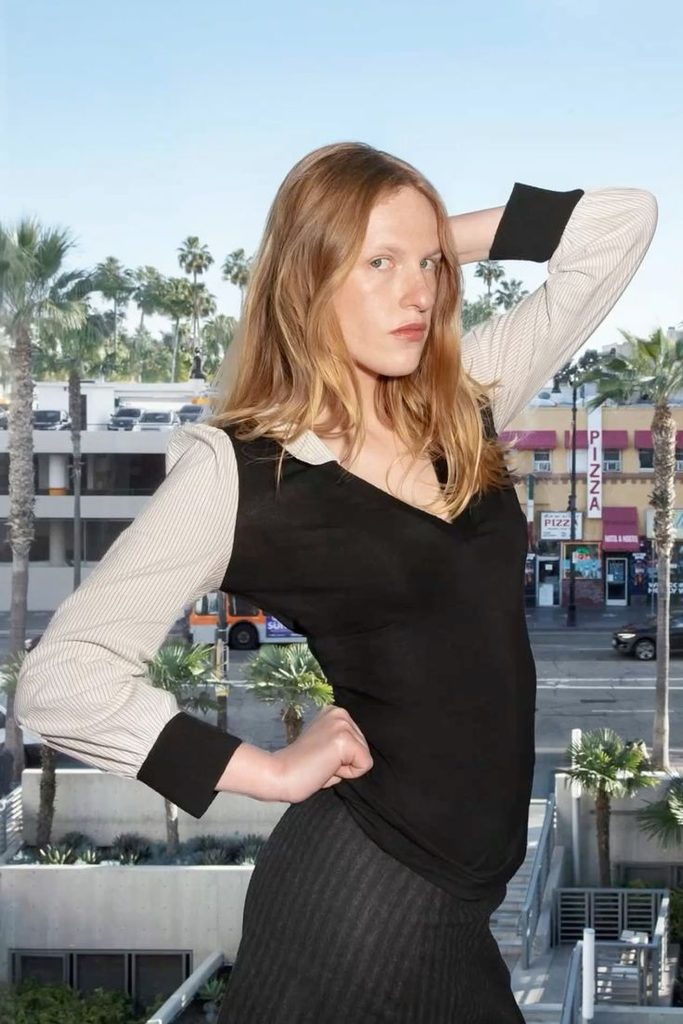
Much of this criticism is based on her perceived weirdness from audiences. The juxtaposition between who is welcomed and who is alienated across social media reveals the limits and strict boundaries present in contemporary feminist culture. Women today are frequently encouraged to be confident, ambitious, outspoken, and unapologetically themselves. However, that encouragement often comes with invisible conditions attached. Confidence is celebrated only when paired with conventional attractiveness. Individuality is rewarded only when it remains aesthetically pleasing. Authenticity is welcomed only when it fits within culturally acceptable boundaries. Audrey Hobert pushes these tolerable societal and cultural boundaries. Her reception suggests that society’s celebration of female empowerment remains heavily dependent upon performance – particularly towards white, cis-gendered, heteronormative male centered ideals. Women can embody confidence and self-assurance, but only if they package those traits within familiar frameworks of desirability. Once a woman becomes too strange, too earnest, or too visibly different, acceptance becomes significantly less guaranteed.
Referring to published articles helps explain this phenomenon. Chen and McCann (2026) argue that popular understandings of beauty and empowerment often overlook how restrictive beauty norms continue to shape women’s experiences. Rather than liberating women from appearance-based expectations, contemporary discourses of empowerment can simply repackage those expectations in new forms. Beauty becomes framed as a choice shaped by surveillance, discipline, and narrow expectations – whilst those social pressures underlying those choices remain invisible.
This framework helps highlight the difference between the quirky It Girl of the 2010s and the hyperfeminine It Girl of 2026. Both identities may appear radically different on the surface, yet both remain bounded by cultural expectations regarding what kind of femininity is acceptable. Hyper femininity is celebrated, but only when performed correctly. You are encouraged to stand out, but not too much. Audrey Hobert challenges these contradictions because she occupies an uncomfortable middle ground. She is attractive enough to fit within contemporary beauty standards, yet strange enough to make people uneasy. She possesses confidence without the glamour that the culture expects – She has the ambition without the aesthetic language audiences have come to expect from female pop stars.
Ultimately, this is not to suggest against women who enjoy makeup, glamour, or hyperfeminine self-presentation, as of course these forms of expression can be deeply empowering in their own right. Rather, I question why these forms of femininity have become so dominant within contemporary culture. If feminism claims to expand the possibilities available to women in society, why do so many women still feel compelled to conform to increasingly narrow ideals of desirability? The It Girl exposes this tension. While presented as an aspirational figure, she often functions as an exclusionary one. She establishes the boundaries of who and what is culturally desirable and in doing so, she limits the very diversity that contemporary feminism frequently claims to celebrate.
However, the story may not end there. The growing success of Audrey Hobert suggests that audiences may be beginning to embrace something different. Just as the quirky, awkward women of the early 2010s emerged in response to the cultural ideals that preceded them, Hobert may represent the beginning of another shift. Perhaps indicative that the next It Girl will be weirder, less polished, and less concerned with perfection – maybe she will reflect a culture increasingly interested in authenticity over aspiration. Suggesting that Audrey Hobert may not oppose the idea of a modern It Girl at all. She may be the first example of the next one.
 Jessica Goff
 somewhatdamaged
 C.L.Southall