
When is the last time you fact checked something you saw online? It’s a question we don’t often ask ourselves. In the digital age, we have access to more information then ever before. But if you search any topic, from cooking hacks to makeup tutorials, within seconds you’ll come across misinformation. The problem is so prevalent that a recent study by the Australian Communications and Media Authority (AMCA) revealed that 72% of Australian adults believe they’ve encountered misinformation online.
But even if we spot misinformation, it’s easy to tell ourselves that we wouldn’t fall for it. I know I have. But deep down we all know we’re susceptible. At one point, we’ve all shared something because it played on our emotions, only for it to be misinformation that tricked us into believing and spreading it.
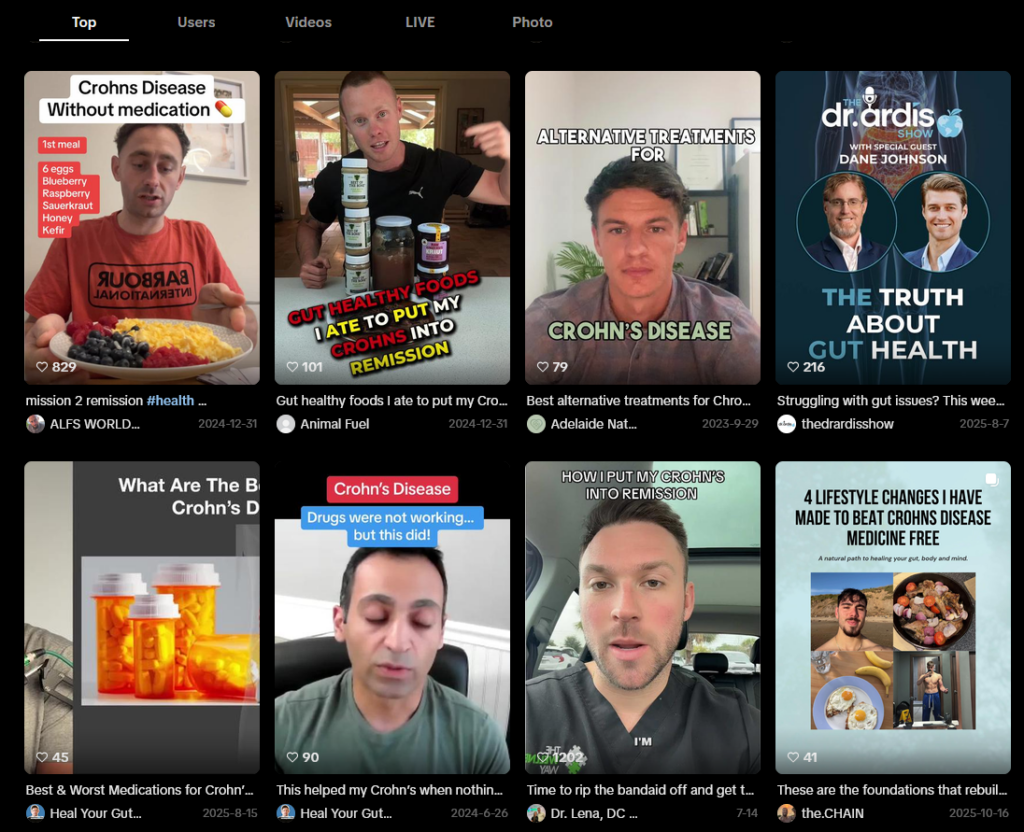
And that is when the greatest impact occurs. Unchallenged misinformation can influence us to act in a multitude of ways, including which brands we shop with and recommend to how we focus on our health.
Misinformation regarding health is incredibly dangerous. For example, last year misinformation regarding sunscreen causing skin cancer was spread across social media. Not only is this blatantly false, but very little has been done outside of posts by other creators to counteract this falsehood. This means there are likely thousands of people who are no longer using sunscreen because of a post or video online.
Something similar can be seen with mental health, with half of all videos about mental health on TikTok containing misinformation. This is made all the more serious by the fact 1 in 5 Australians have experienced a mental disorder over the last 12 months.
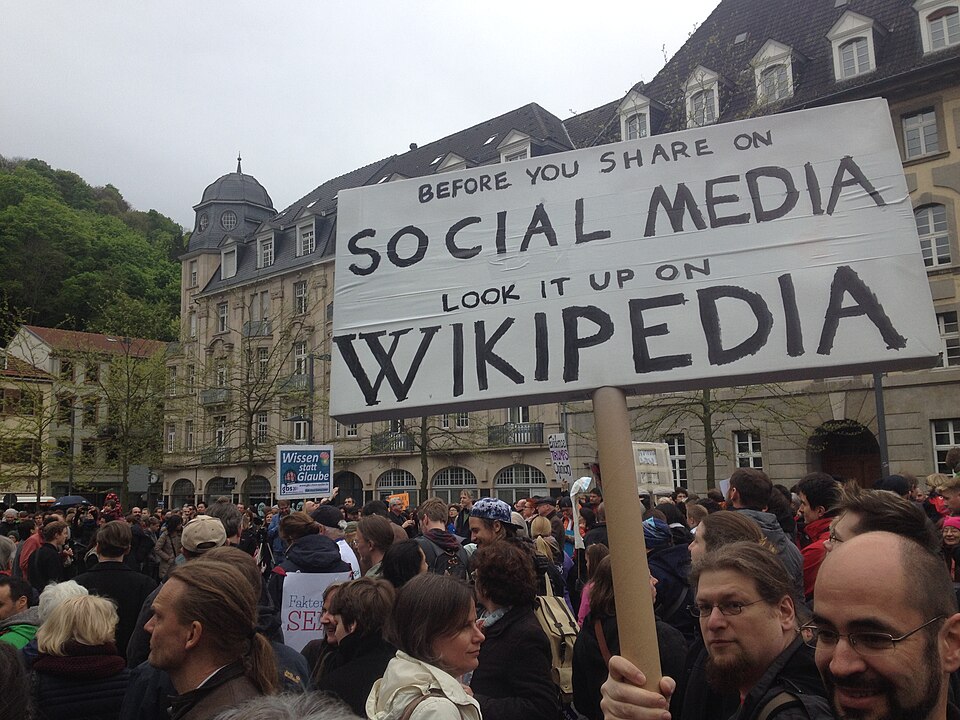
Yet despite all this, we continue to ignore the threat of misinformation. While the proposed algorithm choice policy may help, it’s up to us to start taking this more seriously, and to start examining everything we encounter online, rather than just liking, sharing and scrolling.
 Debbie Choo
 Bethany Miguel
 Tarkyn Sharples