
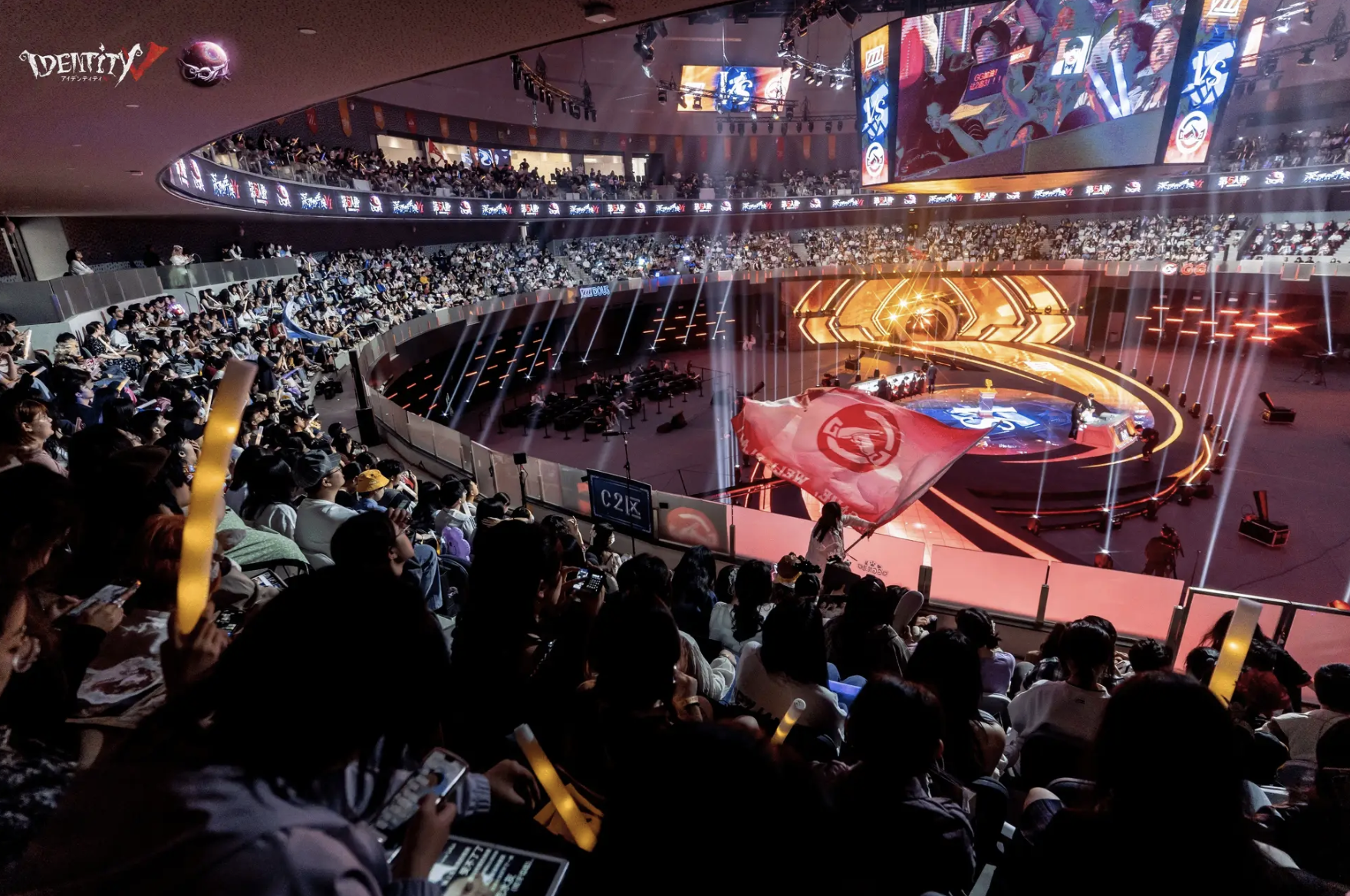
From cheering for your favourite team, to buying virtual items, to creating fan content, e-sports spectators are no longer just spectators of the game. Their emotional investment not only shapes the personal experience of watching the game, but also gradually becomes an important force to promote the development of the e-sports industry.
Introduction
In the past ten years, e-sports has developed from a relatively niche entertainment activity to a cultural and commercial phenomenon with global influence. Nowadays, various competitive games have attracted millions of spectators, especially the attention of young people who have been exposed to digital media for a long time. E-sports activities such as League of Legends Worlds, Valorant Champions, and the Identity V Call of the Abyss (COA) have upgraded the game experience to a scale and influence close to traditional sports events.
Compared with traditional sports audiences, e-sports fans usually show a higher degree of participation. They not only watch the game, but also participate in discussions, share content, support the team, and interact with other fans through live platforms, social media, online forums and fan communities. This continuous participation enables the audience to establish closer emotional ties with players and clubs and further enhances the attention and influence of e-sports. As e-sports organisations pay more attention to fan interaction, emotional attachment has gradually become one of the most valuable resources in the industry.
Therefore, e-sports fan culture not only strengthens the audience’s emotional investment, community participation and content consumption, but also promotes the commercialisation of the industry to a large extent. This article believes that fan culture has become an important driving force for the sustainable development of the e-sports industry. However, as the participation of fans continues to be commercialised, the emotional capital, commercial interests and potential ethical issues involved behind it are also worthy of further attention and discussion.
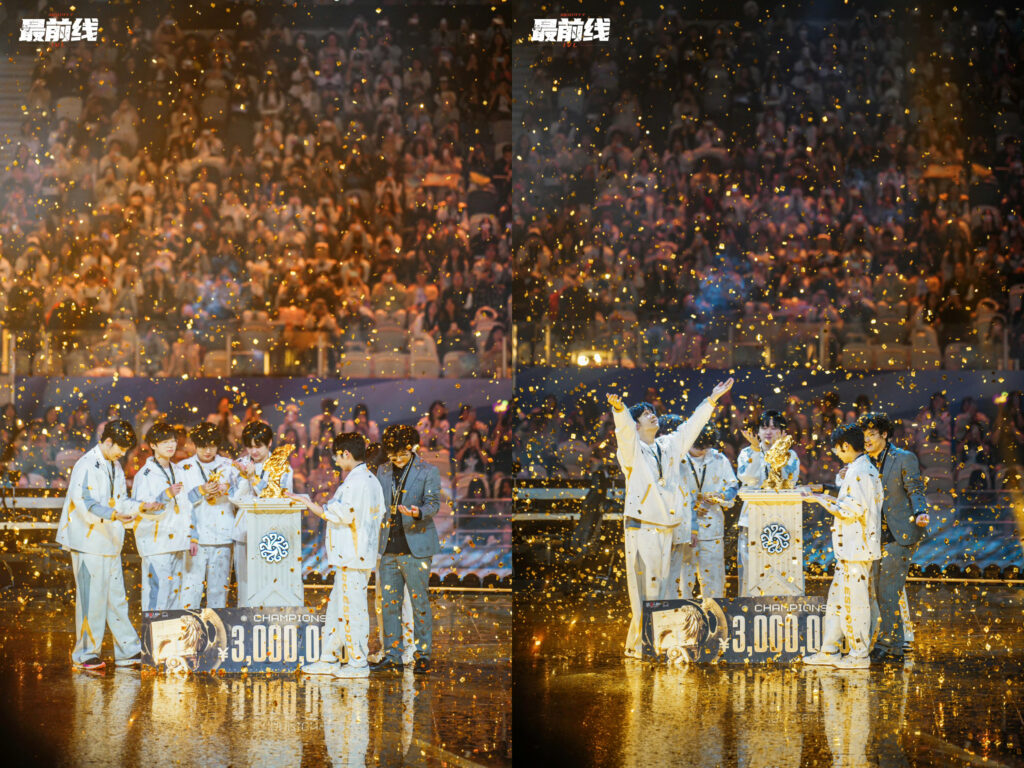
2.1 Emotional investment in e-sports fan culture
Emotional investment is an important foundation of e-sports fan culture, and it is also an important reason why fans can pay attention to players, teams and competitions for a long time. Through quasi-social relations and fan communities, the audience gradually builds emotional attachment, thus forming a strong loyalty and willingness to continue to participate.
2.1.1 Parasocial Relationships
In the e-sports fan culture, emotional investment is often based on the psychological connection between fans and professional players or teams. Among them, parasocial relationship is an important concept to explain this phenomenon. Although this relationship is essentially one-way, long-term contact will make the audience feel familiar and close, and gradually develop emotional identification with the players or teams.
Compared with traditional sports spectators, e-sports spectators can experience more content outside the competition. Live broadcasts, interviews, social media dynamics and behind-the-scenes titbits and other contents give the audience the opportunity to understand the personality, daily life and career growth of the contestants. Therefore, people are concerned not only about the results of the game itself, but also about the experience and changes of the players on their career.
The Identity V Call of the Abyss (COA) tournament demonstrates this phenomenon. Fans closely follow their favourite teams throughout the competition and actively participate in livestream chats and social media discussions, strengthening their emotional connection with players and teams.
At the same time, e-sports organisations also continue to launch content with players as the core, such as training documentaries, interviews and daily life records. These contents further shorten the psychological distance between the contestants and the audience, so that the emotional connection can be continuously strengthened. Research shows that emotional factors and social motivation are one of the important reasons for promoting e-sports participation and investment (Meng-Lewis et al., 2024). Therefore, quasi-social relations play a key role in maintaining the long-term participation and emotional investment of fans.
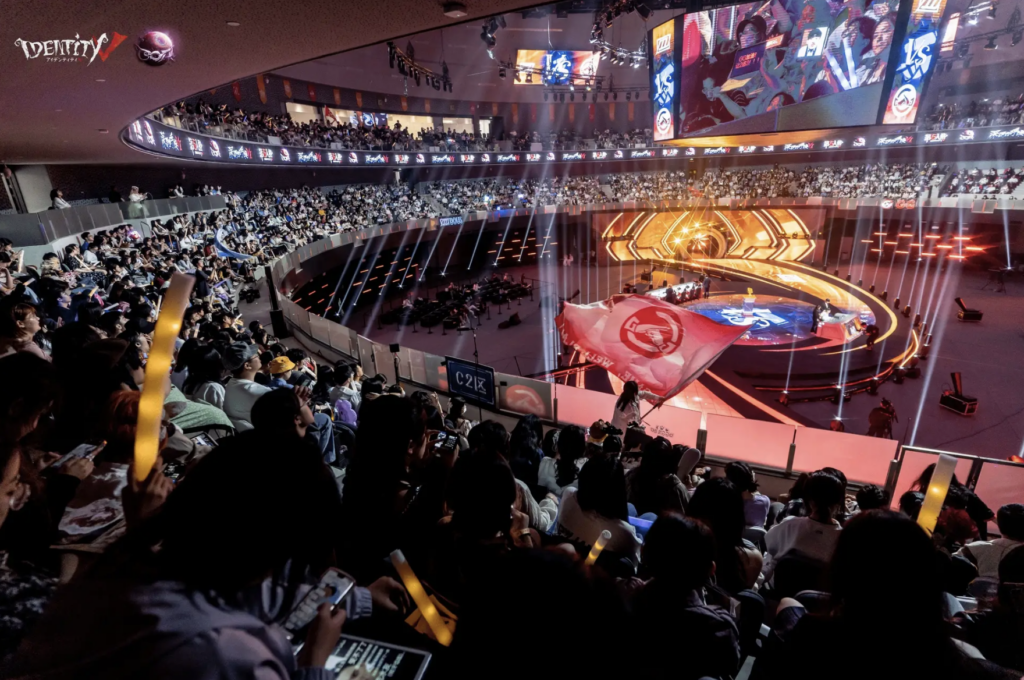
2.1.2 Fan identity and community
In addition to the emotional attachment to individual players, fan identity also plays an important role in maintaining the participation of the e-sports community.
Many e-sports fans will build their own identity by supporting specific teams, leagues or regions. Similar to traditional sports fans, they form a sense of belonging based on common interests and collective experience. Therefore, supporting a team is no longer just a simple entertainment behaviour, but gradually becomes a part of personal social identity.
This kind of identity is usually expressed through common symbols, slogans, emoticons and classic moments in the event. These shared cultural elements not only distinguish different fan groups but also enhance the cohesion within the group. Fans not only support the same team but also participate in relevant activities together and continue the common tradition in the community.
The network platform has further strengthened this connection. Through the Discord community, Weibo Super Talk, Reddit discussion area and live chat room, fans can exchange views, analyse the game, and celebrate the team’s achievements together. The sense of belonging formed by this continuous interaction can often be extended outside the competition.
The COA tournament shows this process. During large-scale international events, fans from different regions will interact on multiple platforms and actively participate in the creation of fan content. The research of Jiang and Zhou (2024)shows that the identity of a fan will significantly affect the way and degree of participation in e-sports culture. Therefore, the fan community is not only a place to exchange information, but also an important space for the continuous accumulation and strengthening of emotional investment.
2.2 Emotional consumption and commercialisation
The emotional connection formed in the culture of e-sports fans often does not stay at the level of participation but will further transform into consumption behaviour. With the deepening of fans’ emotional attachment to the team, players and the community, e-sports organisations have gradually transformed this emotional investment into commercial value.
2.2.1 Consumption driven by emotional attachment
Emotional attachment will greatly affect the consumption decision-making of e-sports fans. The stronger the emotional connection between fans and teams, players or events, the more likely they are to express their support by purchasing peripheral goods, event tickets, digital content or in-game items.
This phenomenon is especially evident in major competitions such as COA. Event-themed skins limited digital content and team peripheral products can usually attract a large number of fans to buy, because these products not only have use value, but also can strengthen the connection between fans and the event.
It is worth noting that this kind of consumption behaviour is not entirely based on actual needs. In many cases, they carry more sense of belonging and identity. Whether it is physical peripherals or digital items, it has become an important way for fans to express support, show their identity and maintain emotional connections.
At the same time, the community environment will also further affect consumption behaviour. By interacting with other fans and continuously contacting relevant content, individuals are more likely to be affected by the group atmosphere, thus generating the willingness to buy. Research shows that emotional and social factors have a significant impact on e-sports consumption behaviour (Majiri et al., 2025). Therefore, e-sports consumption is often not only a rational purchase decision but also promoted by emotional attachment and community participation.

2.2.2 Monetisation of fan interaction
The commercial success of the modern e-sports industry increasingly depends on the ability to transform fan participation into economic value.
As various e-sports organisations continue to seek more stable sources of income, fan interaction is gradually becoming an important resource that can be commercialised. Emotional investment not only affects the participation of the audience but also becomes an important economic basis for supporting the operation of the e-sports ecosystem.
The live broadcast platform is a typical embodiment of this process. Functions such as subscription, reward, membership service and virtual gifts encourage the audience to support their favourite players and teams in an economical way. These mechanisms transform the emotional input of fans into actual consumption, while further strengthening the connection between fans and content creators.
Events such as COA generate revenue through sponsorships, broadcasting rights, ticket sales and merchandise, demonstrating how fan participation contributes directly to the esports economy.
Research shows that there is a close relationship between e-sports consumption and sponsors’ brand value and commercial returns (Noh et al). At the same time, fans’ identity and social interaction will also significantly affect their willingness to consume (Zhang et al., 2023). These studies further show that emotional investment not only affects the behaviour of the audience but also can directly translate into the commercial value of e-sports organisations.
2.3 Critical perspective of e-sports fan culture
Although e-sports fan culture has played an important role in promoting community building and industrial development, its rapid expansion has also triggered discussions on fan labour, commercialisation and platform responsibility.
2.3.1 Fan labour and participation
Although e-sports fan culture can bring about a high degree of participation, this participation largely depends on the unpaid contribution of fans. Many supporters will take the initiative to create content, promote teams, produce competition highlights, write game analyses and participate in online discussions, to enhance the exposure and influence of e-sports organisations. These activities not only enhance the activity of the community, but also help the competition attract more potential audiences, and the relevant contributions usually do not get direct economic returns.
Cote et al. (2024) summarised this phenomenon as “fan labour”, that is, fan participation is incorporated into a broader media and economic system. Although fans can get fun, satisfaction and belonging from the process of creation and interaction, e-sports organisations can also get actual benefits from these unpaid contributions.
This also leads to a question worth further consideration: are fans simply expressing enthusiasm, or have their participation been incorporated into the logic of industrial operation and become part of the business model? There is no simple answer to this question, but it reflects that the boundary between “participation” and “labour” in digital fan culture is becoming increasingly blurred.
2.3.2 Sustainability and ethical issues
With the development of the e-sports industry, more organisations have begun to rely on the emotional input of fans to maintain popularity and income. While this model has brought commercial success, it has also sparked some discussions about sustainability and ethical dimensions. Limited-time activities, exclusive content, event linkage and marketing strategies around emotional identity have become very common in the e-sports industry. They can indeed attract the audience to continue to pay attention to the event, but at the same time, they may also put some fans under pressure to continue to consume.
In some fan communities, consumption is no longer just a purchasing behaviour itself but gradually becomes a way to express loyalty and a sense of belonging. For some supporters, buying related products means that they are still a member of the community and represent support for the team or players. For this reason, consumption decision-making is sometimes influenced by emotional factors, not just on personal needs. This also makes people think: when organisations constantly encourage fans to express support through consumption, how should the boundary between business interests and the welfare of the audience be grasped? Under what circumstances will active participation gradually evolve into a utilised resource?
Another issue of concern is the long-term impact. If fans begin to feel that their emotions are over-commercialised, their trust in the organisation may be affected. Too frequent business activities may also weaken the emotional connections originally established by the community, making participation gradually lose its original meaning. From this point of view, the e-sports fan culture not only shows strong cohesion and development potential but also comes with some issues that need to be taken seriously. How to find a balance between business development and fan experience may be a challenge that the e-sports industry needs to continue to face in the future.
Conclusion
E-sports fan culture has become an important part of the development of the industry. Through quasi-social relations, identity and community interaction, a continuous and stable connection is established between fans and teams, players and competitions. These connections not only enhance the participation of the audience but also create considerable economic value for the e-sports industry.
However, the influence of fan culture is not only positive. As emotional investment gradually becomes a commercial resource, there are more discussions about fan labour, consumption pressure and platform responsibility. The enthusiasm of fans has promoted the growth of the industry, but whether this enthusiasm is treated reasonably is also worthy of attention.
From this perspective, e-sports has long been more than just the competition itself. It involves emotion, identity, community relations and business operations at the same time, and forms a complex digital cultural ecology. The future development of the industry depends not only on the scale and commercial benefits of the competition, but also on whether the organisation can maintain the trust of fans while pursuing growth. Only when the sense of participation and belonging is respected, not just regarded as a commercial resource, can the e-sports fan culture maintain its long-term vitality.
 Joleen Jublee
  Jamez
Jamez  Scarlett Johnstone