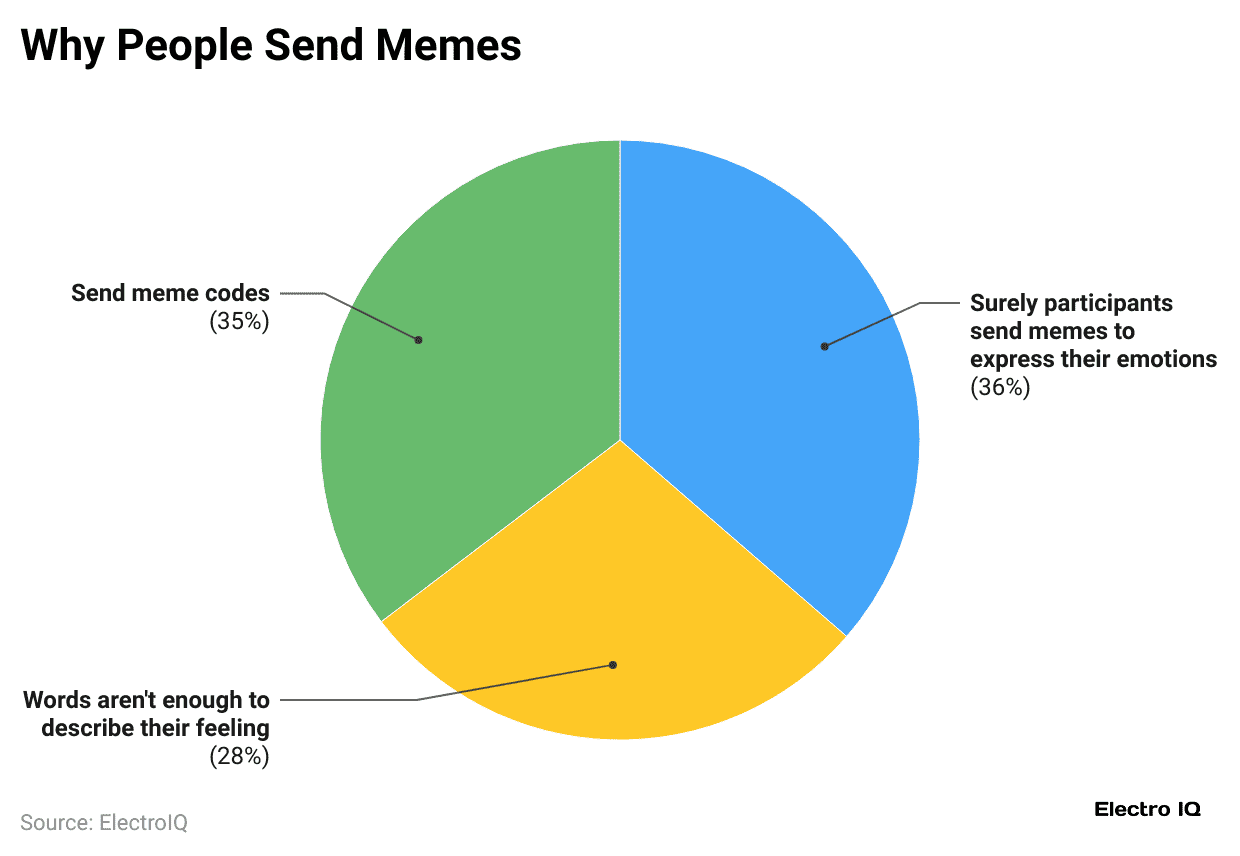
In the digital era, memes are more than just fun—they are a quick, visual way to express emotions, opinions, and humor. Whether it’s a reaction, a celebrity expression or a trending internet word, memes enable users to express intricate emotions without having to publish long messages. Memes are shared on platforms such as TikTok, Instagram, WeChat, and Reddit, which have become a cultural movement that has established common ground that transcends communities (Dita Ayu Lestari et al., 2024). Similar to the rapid rise and decline of trends such as Labubu and blind box culture, memes spread quickly through viral engagement and shared emotional expression across online communities (Hou, 2026).
In fact, research has revealed that 94.58 % of online users who are active in social media report frequenting memes, while 96 % find pleasure in reading them, showing how deeply meme culture is embedded in online communication (Younis & Amer, 2026). The use of visual symbols and emotional cues allows memes to be understood instantly and easily online. However, there are some compromises to this simplicity. Internet communication is increasingly becoming more real-time and emotional, especially as more people use memes to convey their messages (Dita Ayu Lestari et al., 2024). As online culture becomes increasingly driven by reaction images, remix templates and fast-consumed content, memes are reshaping digital communication into something faster and more emotionally engaging, while gradually reducing the space for deeper discussion and stable meaning.
Memes Make Online Communication Faster and Easier
One of the reasons for the rise of memes is that they help in making online communication quick, easy to comprehend and emotionally engaging. With increasing feeds of social media, people are less interested in reading long texts. Memes can compress complex emotions into a picture, an expression or a short sentence, so viewers can understand them in seconds. For example, the popular “gasp” meme features an older man’s hand to his chest with a surprised look on his face and the word “gasp”. Exaggerated facial expressions, chest-covering movements, and intuitive and concise text can quickly make viewers feel surprised, speechless, embarrassed, shocked, worried and other emotions. This low-cost-to-read expression makes memes more suitable for rapid dissemination in digital media than traditional text (Shifman, 2013).
Memes not only increase the speed of communication but also form a shared digital language across cultures. Their conciseness helps to rapidly establish emotional alignment among online communities and allows users to quickly align with others without lengthy explanations (Paul, 2020). Therefore, memes provide a way to share information and express emotions in a way that is easily understood by all, making them an effective tool for understanding the complexities of social interactions within digital environments.

Memes not only increase the speed of communication but also form a shared digital language across cultures. Many memes don’t rely on complex text, but instead use exaggerated expressions, fixed templates, and visual impact to complete communication. Confused Nick Young is a classic meme. It comes from a moment in an interview with American basketball player Nick Young. In the picture, he showed a puzzled expression and a question mark next to it. This reliance on visual intuition to express emotions has enabled it to spread rapidly around the world across languages and cultures.

The reuse and adaptation of memes help promote shared culture and understanding in online communities. Users use the same meme to express emotions, participate in discussions, and gain a sense of group identity and community belonging (Shifman, 2013). They are also shared inside jokes that transcend geographical and linguistic barriers and offer a shared point of reference for jokes, criticism or comment.
The spread of memes relies not only on viewing but also on user participation and reinvention. Repeated use creates the evolution of memes which transmit emotions rapidly as well as develop common references, norms, and symbols within online communities (Mahmoud & Ajijola, 2025). This has made memes a potent form of digital language that influences communication and understanding between users in the online sphere.For example, the platform like Reddit and Imgflip provide users with the opportunity to customize templates, add captions or even build completely new memes, so that audiences are involved as “prosumers” who produce as well as consume content (Otto & Sukmono, 2026; Jenkins, 2009). It is also because users are able to continuously recreate memes that they can continue to spread in digital media.
For instance, users have transformed Tao Heihei’s “right/wrong sign” meme into various contexts, from rating food to speaking in funny tones.


This meme gradually evolved from a single online content to a network communication phenomenon in which users participated together. The use of participatory culture in the creation of memes promotes creativity and influences online communication by inviting users to contribute to the symbols and references used in digital conversations (Zhang et al., 2026). This participatory process not only creates a meme that circulates widely but also evolves continually throughout the process.Therefore, memes are no longer just online entertainment content, but are gradually evolving into a shared communication language in digital media. It has changed the way people participate in communities and understand online culture, reshaping the way communication is done on the Internet.
Meme Culture Is Turning Online Communication into Instant Reaction
While memes have improved the efficiency of online communication, they are also making internet users increasingly rely on immediate emotional reactions rather than deeper discussions. Compared with the past online environment that relied more on long-text discussions, many users now prefer to express their emotions through memes, emojis and short reactions rather than detailed discussions. This shift is an indication of attention economy, which considers users’ focus as a valuable commodity (Bruineberg, 2025). As a result, fewer people are willing to spend time reading long-form content, while quick emotional reactions have become more common online. According to the research, 94.58% of social media users often engage with memes, highlighting their widespread usage (Younis & Amer, 2026). Thus, Memes package emotional and cognitive information into easily recognized patterns, which gives the user a quick understanding of the content but often sacrificing nuance.
The trend toward instant reactions is reinforced by platform design. The creation of emoji reactions, gifs replies, sticker communications, and remixable templates shows how social media applications like WeChat, Telegram, Discord and TikTok are integrating meme-worthy features (Hoseini, 2024). These mechanisms help users to respond quickly, making it normal to communicate through reactions rather than in detail. These features are made into a component of the digital context, which creates a default mode of interaction in an emotionally responsive way and influences how information is processed and shared by users (Hoseini, 2024).
In addition to being a quick way of communicating, memes also provide a way to package complex emotions and existential truths into formats that are easy to consume. Emotion-related experiences like anxiety, loneliness and mental fatigue, which used to be discussed in detail, are now commonly communicated via memes that capture the meaning of these experiences in mere seconds (Youvan, 2025). For instance, existential memes often employ extreme, ridiculous, or satirical pictures with minimal text that convey deep psychological insights. Some of the more popular examples are “If life is a simulation, please turn it off”, which collapses the themes of alienation, external crisis and existential anxiety, and “I am really good”, which is a visualization of emotional numbness and mental fatigue. These formats raise the efficiency of communication but also foster the user’s focus on speed and emotion over depth and reflection.

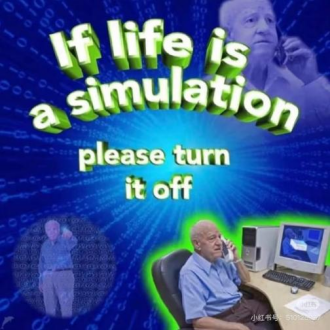
The emergence of memes has not only increased the speed of digital communication, but it’s slowly changed the way that people interact with information. Users are getting used to instant and emotionally engaging content, and platforms are creating features to make this easier (Olena et al., 2020). Memes represent a new way to digitally express complex ideas and emotions as fast-consumed, visually driven responses. This trend encourages participation and immediacy, but it also has drawbacks as it loses the nuances of discussion and greater understanding (Olena et al.,2020).
Therefore, memes have contributed to the speed of online communication and created participatory digital communities but have also created an environment that encourages users to respond to information online with a quick reaction to emotion rather than a well-thought-out response.
Meme Culture Makes Online Meaning More Unstable
While memes enhance engagement and creativity in the web, their ever-changing meanings also make internet communication more fluid and more susceptible to misinterpretation. Memes can easily diverge from their original meaning when they are reused, imitated and adapted by different communities. For instance, the meme “This Is Fine” was used to identify personal comfort when faced with stress but is now used as a means to satirize social crises, political chaos and collective apathy (Bülow & Johann, 2023).

This shows how a meme template gains different meanings as it goes through the process of recontextualization, which is a process whereby content is continually re-interpreted and transformed in relation to situational, cultural and community factors (Dita Ayu Lestari et al., 2024).

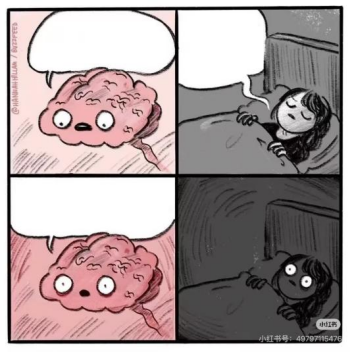
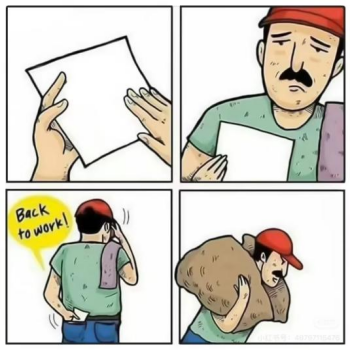
Meme templates such as those displayed above may be extremely versatile. While their visual structure remains fixed, users can replace text, swap content, or assign new emotional meanings. For example, the reaction of anxiety or nostalgia, shock or work fatigue, or social sarcasm can all result from a single meme, depending on the context. This flexibility means memes have the potential to go beyond being just a joke to becoming something of a cultural icon, and they can be continually refashioned by the communities to which they are targeted (Mukhtar et al., 2024). Memes help audiences engage creatively with content, and individuals can connect their own personal expression to the collective digital culture (Olena et al., 2020). Furthermore, this flexibility enables an immediate view of the social commentaries, whether on current news, humor or criticism, based on familiar formats. As time passes, participatory reinterpretation can give rise to memes with multiple layers of meaning, nuance, humor and emotion, as successive iterations add new layers to the original.
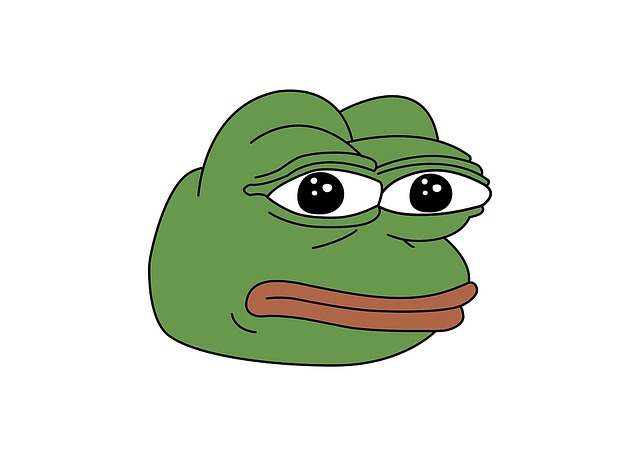
This also makes expression in digital media increasingly unstable. For instance, the image of “Pepe the Frog,” first created as a humorous reaction picture, was picked up by multiple factions for use as a political or offensive symbol, while others still use it as an emotional expression in a joking manner. The same meme may be given completely different meanings in different communication environments, and even lead to misreading and information bias. This illustrates the fragility of the digital meaning, by which the same image can evoke vastly different concepts in different cultural, political and social contexts (Stocchetti, 2014). Furthermore, this lack of consensus in interpretation can cause misunderstandings, disagreements, and debates within online communities, demonstrating the varying degrees of context, audience, and platform norms with which digital symbols are continuously evolving.
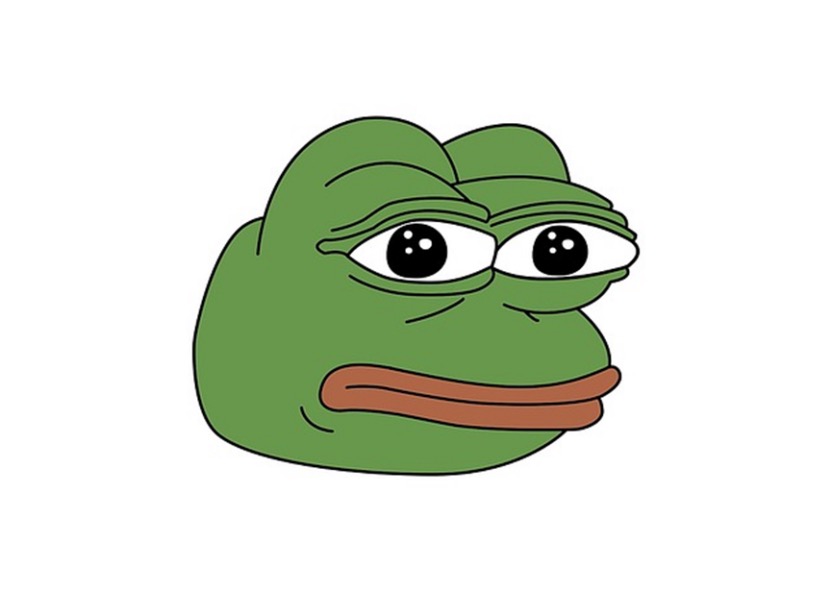
This phenomenon has also made communication on the Internet increasingly dependent on contextual understanding. Content may be misinterpreted because the user is not familiar with the cultural references. Memes promote creativity, community and quick engagement but they also undermine meaning, leading to miscommunication and disagreement. This demonstrates the importance of contextual literacy to deal with the volatile, rushed, and emotionally charged online discourse.
Overall,the emergence of meme culture has indeed made Internet communication faster and more direct and allowed more people to quickly establish connections with visual expressions through shared humor and reaction. In some ways, meme has become one of the most efficient web languages in the digital age. It lowers the threshold for expression and allows more ordinary users to participate in online culture and public discussions. However, as the Internet increasingly relies on memes, reactions and instant emotions to complete communication, people have begun to gradually lose the patience to express and understand complex issues in depth. More and more emotions, opinions and even social issues are being compressed into content that can be consumed in seconds. Memes themselves are not a problem. What is really worth being vigilant about is that the Internet has become accustomed to only quick reactions but is increasingly lacking real communication and thinking. Therefore, memes can be an efficient and creative communication tool in the digital age, but they should not slowly replace full expression, in-depth discussion, and true understanding.
 TianYuran
  Lu Yunyan
  Pauleen