
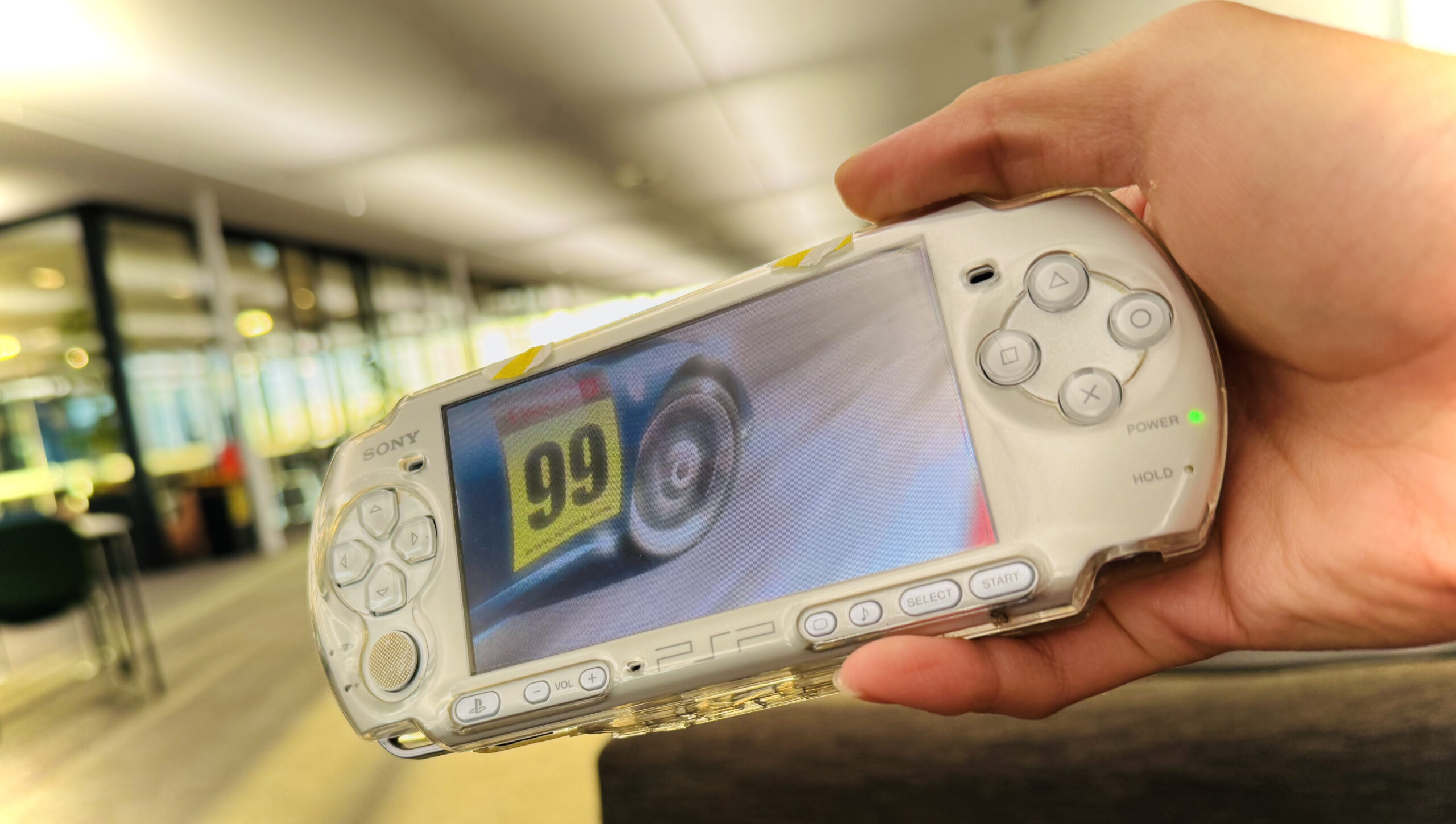
In the banal of undergraduate academic hell in the land down under, I went home for a while to unwind from the rigor of academic standards and the fright of tight deadlines. For vacation it was, but it became something more.
I ended up going through a painstaking process to replace an old and broken washing machine. If that was not enough, replacement of such a ginormous appliance meant spring cleaning a home that was akin to a torturous Mario Maker level. After all that, it seemed like being home was no better than being blinded slowly by online academic journals every waking day. Just as things could not get worse, I made a monumental discovery that would go down in personal history as the best thing that has happened to me. I found my PSP! After 13 years…
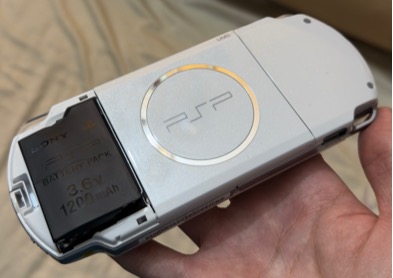
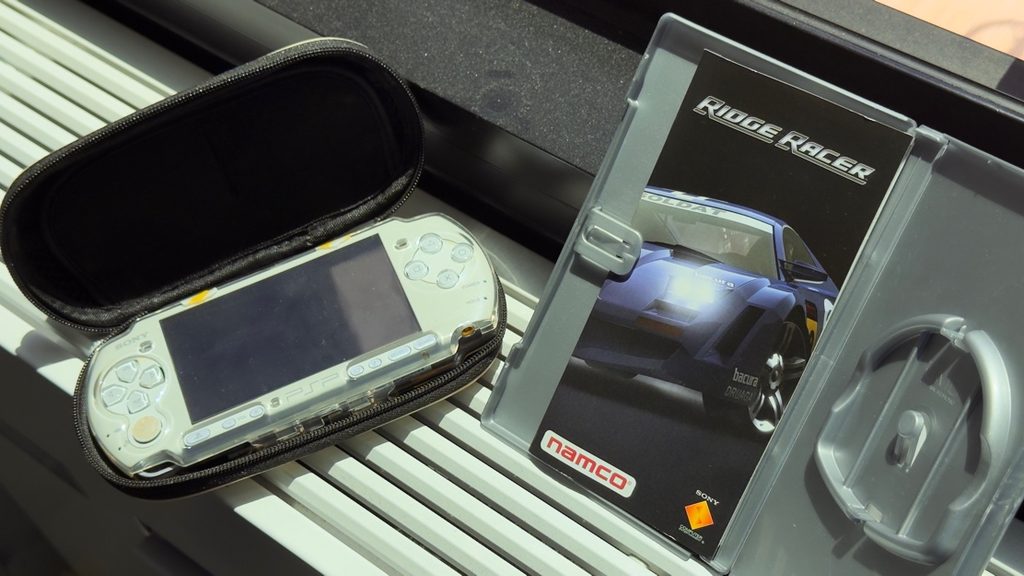
Once upon a time, I was a 6-year-old boy who received a pearl white Playstation Portable (PSP) gaming console for my birthday. Since then, I played it every single day, to the point where my life revolved around it. I remember the days I took it to dinner, to church, on vacation, to malls, and even injured myself because I was too engrossed committing vehicular manslaughter in Burnout Legends while walking up a mall escalator. Eventually, there came a time when my mother was afraid that I was academically stagnating and snatched it away from me. Apparently, my mother was a master at hiding stuff, for I could not find it anywhere no matter how hard I looked. Even my mother forgot where it ended up. To think that I would find it 13 years later because of a broken washing machine. Since then, I have resumed my retro gaming after a decade-long hiatus while squeezing my wallet to buy second-hand games at brick-and-mortar stores in the middle of nowhere. All that effort so I get to relive the “good ol’ days”.
But I noticed the current public sentiment of these retro memorabilia in the present could not have become ever more different than it used to be in the 2000s. From my perspective, current discourse surrounding the PSP is largely divided between people who want to experience retro video gaming as new players, and long-time enthusiasts complaining about larpers, also known as posers. The negativity is quite frankly understandable, however. Because of PSP’s newfound popularity in social media, there has been an ever-growing volume of second-hand sales of modded and stock PSP consoles and games. While there seems to be a wave of new players who genuinely want to immerse themselves in the experience of playing an industry-defining retro device, larpers are quite a bother among the gaming community as these “simpletons” consume to curate an aesthetic for self-representation rather than meaningful playtime. For many in the gaming community, these larpers are nothing but an outrage to gaming culture. Partly due to this phenomenon, second-hand PSP market prices have skyrocketed to meet with the nostalgia-driven binge buying, effectively barring access for some former and prospective PSP users who would genuinely want to relive a time lost to history. People who yearn for analogue immersion, regardless of old or new. People like me.
Personally, I would like to give them the benefit of the doubt, no matter how insufferable their pretentious personalities on social media can be, there may be reasons to their “madness”. To start off, let’s explore the PSP’s overwhelming popularity in the present day:
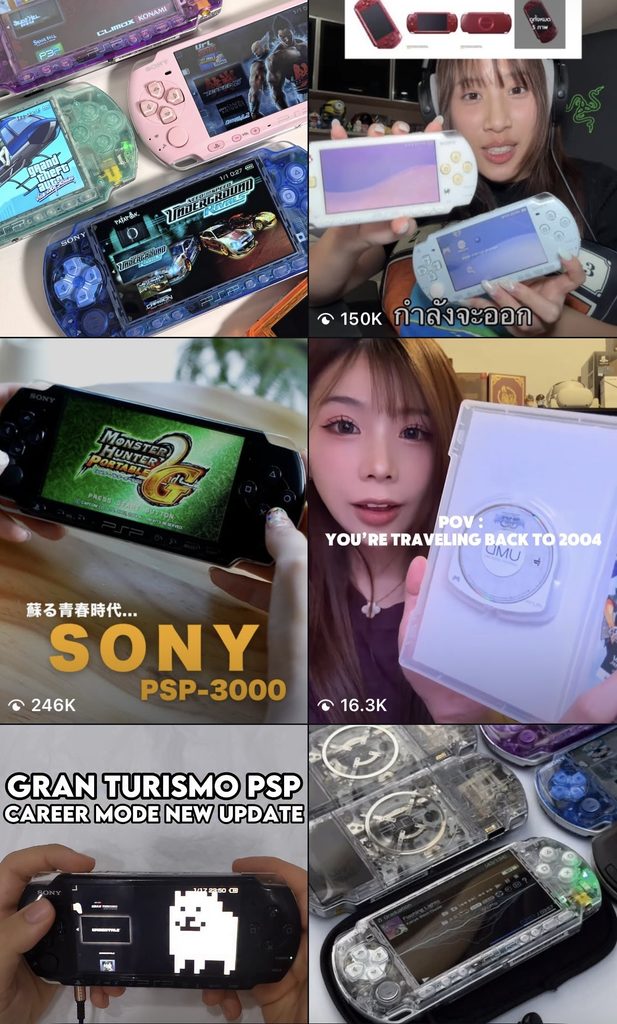
As an avid social media roamer, I can infer that the PSP has gained a pop culture cult following far beyond what I had thought possible as a child. That device has somehow become the representative medium of nostalgia for Gen Z individuals. Now how has it done that?
The PSP is as different as it can be from current gaming devices despite being made within the century. While current handheld consoles like the Nintendo Switch, Steam Deck, and arguably your smartphone, all have massive screens with touchscreen capability and digital media access, the PSP has… none of that. Instead, it has a smaller screen relative to its size, tactile translucent buttons, outdated charging ports that teens have never seen before, and believe it or not, a disc player. Commonly known as a Universal Media Disc (UMD) drive, it is proprietary technology produced by Sony exclusively for PSP handhelds and it is their primary method of playing games, music, and movies.
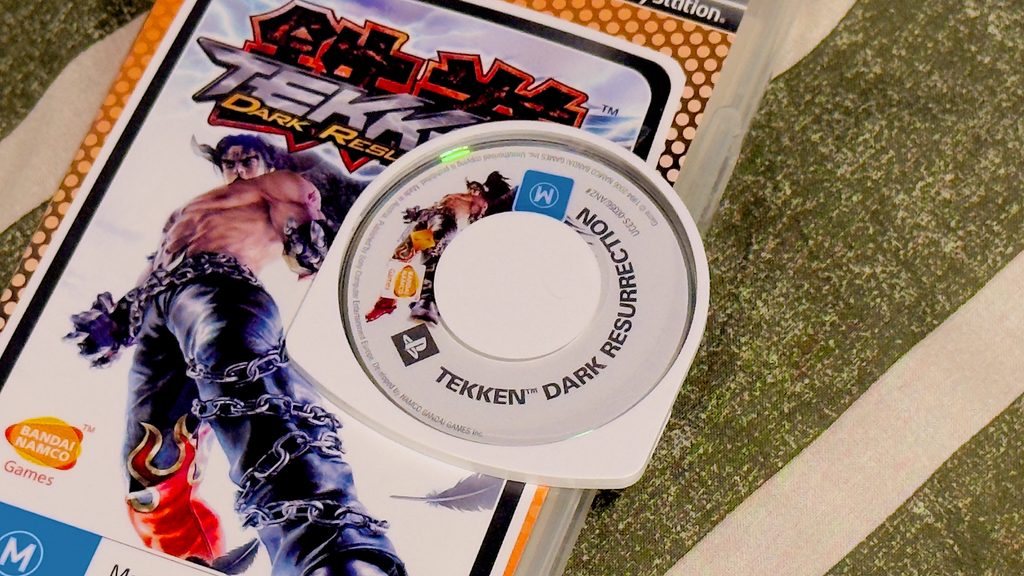
Therein lies the problem, however. As it is proprietary technology, you can only use UMD discs specifically on PSP platforms with no other alternatives. The more widely compatible CD and DVD discs were unfortunately off limits as well. In hindsight, it really was a hassle, indicative of a time in the 21st century before standardisation and digitised convenience took over the world. However, the sentiment could not be any more ironic today. Such a niche method of media consumption has been romanticised from hell and back as something “novel” and thereby cool in the eyes of the youthful digital natives who only know of today’s ubiquitous miniature TV screens. For being so unique in the era of digitisation, it is also notably rare today, rare and old enough for its notoriety to skyrocket despite a decade of irrelevance after its discontinued production.
This phenomenon is not just limited to the PSP though. Other discontinued handhelds such as the Nintendo DS and Gameboy Advance gained similar resurgences in popularity. All in all, it is quite heartwarming to see more people warm up to the superior tangibility and diversity of old technology, probably a biased statement to be honest.
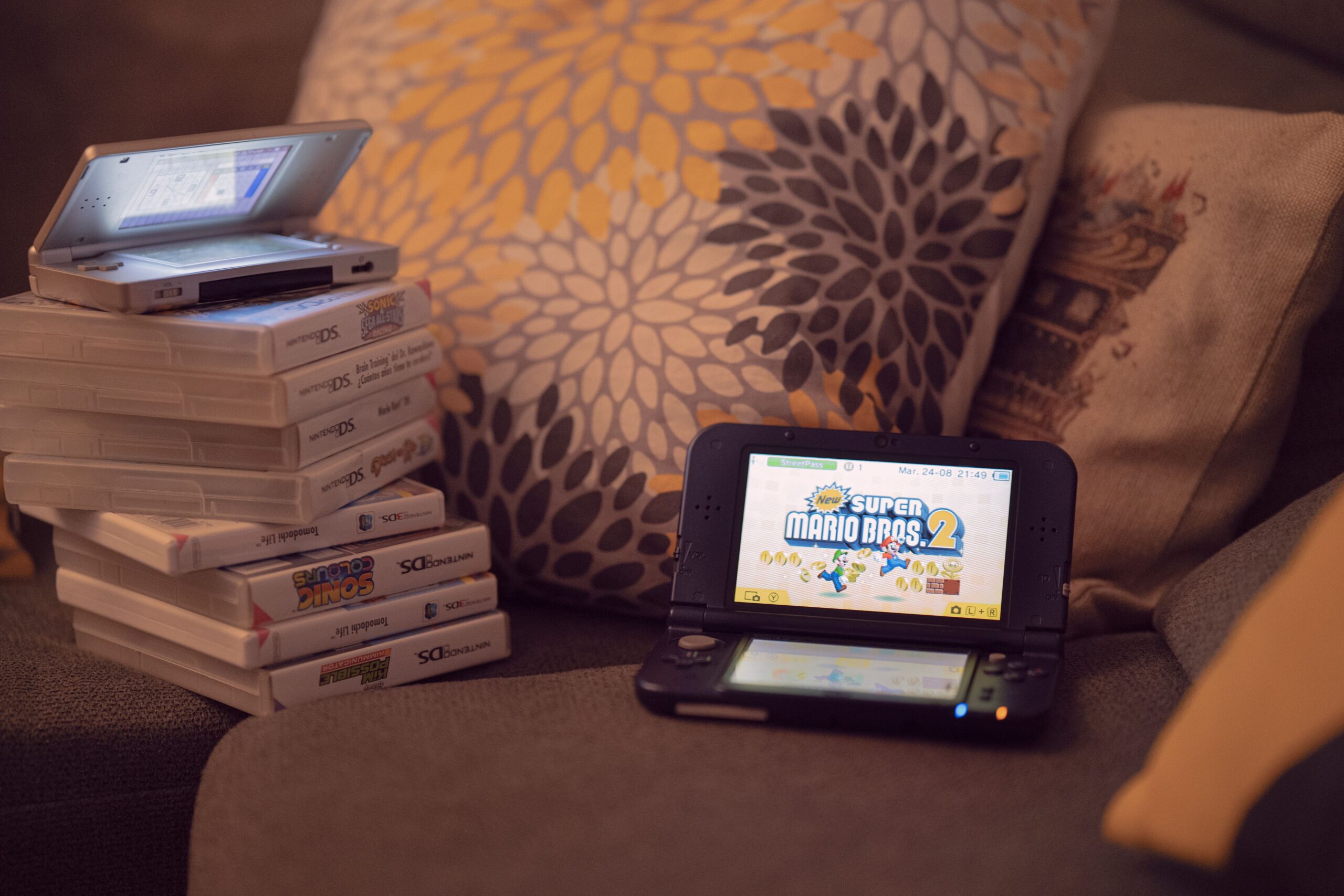
Despite my favouritism however, it stands to reason that retro gaming has indeed stolen the hearts of the digitally immersed masses, especially social media addicts. In an attention economy driven by scarcity and uniqueness, niche content has long been shared amongst youth as a way for them to showcase their unique individuality and personality through millions of screens around the world. Also, because it gets them a lot of likes and comments as well. Those social media metrics need to work overtime if they want to satisfy their influencer overlords’ hunger for attention and validation after all. That’s the problem though.
I will not deny that there is indeed a growing fanbase of people who genuinely want a taste of life before Apple’s empirical tech rule, but it cannot be ignored that a similar trend is happening among people who only see it as commodities, just like the relationship between Pokémon cards and unfair scalpers, pushing away passionate enthusiasts from the hobby. So that we are on the same screen, the issue I want to highlight here does not come from a place of trivial annoyance or pop culture gatekeeping from a “PSP loyalist”. It is the implication of a loneliness epidemic that haunts digital natives in a world where being “yourself”, is itself a manufactured identity devoid of truth. Have we truly “lost the plot”? Lost the ability to make genuine friends as an essential part of our biology as social beings?
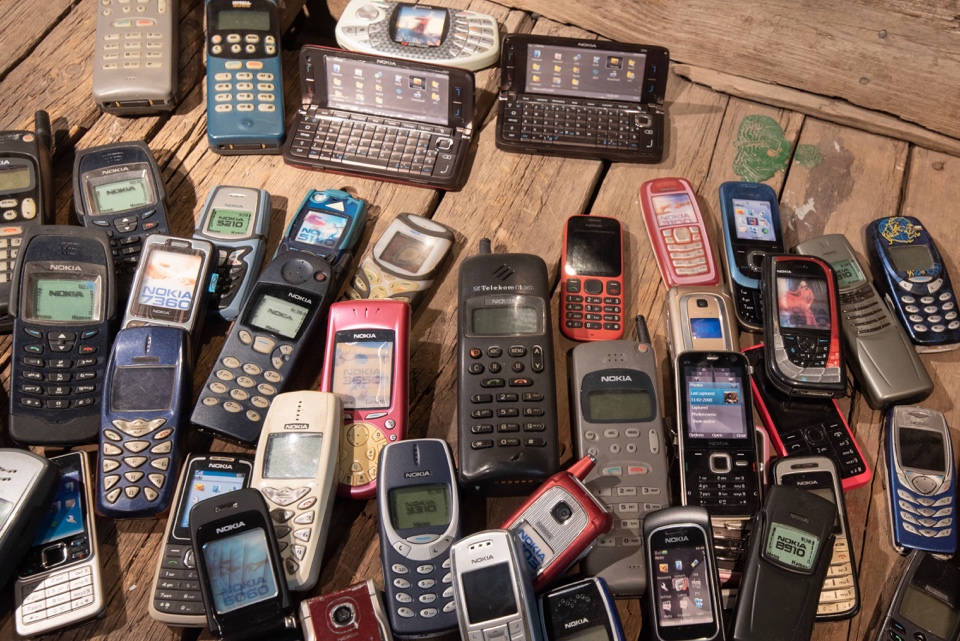
Similarly, the charm of retro tech has certainly highlighted the absolute cesspool that is modern-day tech corporatism. Gone are the days where technology looked spunky or unique – eye candy that actually served that one eccentric user it was made for, with so many different gizmos for others to choose from.
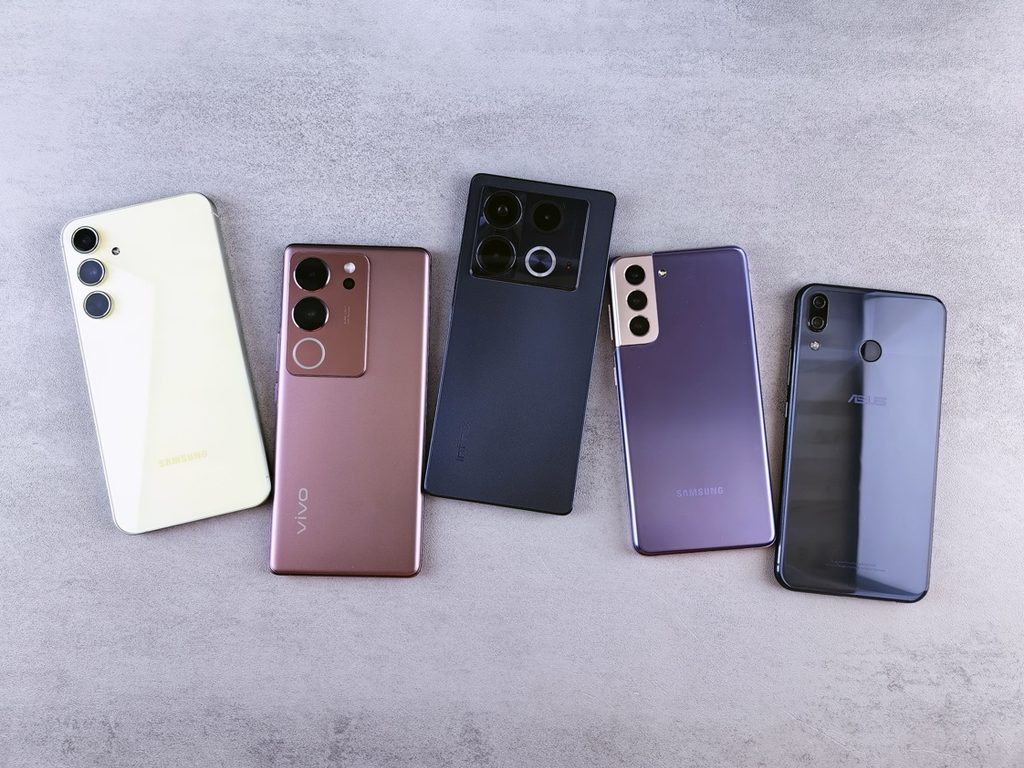
Now it’s all been homogenised to satisfy everyone but loved by no one. Different brands copy Apple’s dreadfully dull rectangle with a screen because it worked for them and nobody with endless resources have enough balls to make something out of the ordinary to protect profit margins. Smart devices have also become too smart, now serving as surveillance devices to track consumer behaviour for corporations whilst invading personal privacy.
Heck, digital transformation was meant to benefit the people, now turned into a digital subscription-based money-making mill designed to control the very freedom of access it provided for a high price. A world with no prize, just players with no more choice.
In an era where choice is endangered, where do we turn to? Well, it turns out many of us started activism out of nostalgia. Embracing the old and “dumb” to reject the new and “smart”. To challenge the status quo imposed by tech companies and the “tech bro” worshippers. There are still issues to this line of thinking though. Not all that is new is inherently bad, and not everything that is retro is good. The general public, however, loves their “good versus evil” narratives and used this mindset to arguably romanticise the appeal of the retro tech lifestyle. In conjunction with the resulting smart tech fatigue, the dumb device appeal, and Y2K nostalgia, it stands to reason that devices like the PSP would receive a second coming. It is a shame that its popularity would lead to needless overconsumption and the alleged loneliness plague.
But, no matter how bleak it may seem, I like to think it has done more good than harm in the grand scheme of things. In more ways than it has divided, retro gaming has brought more of us together through a shared emotion – nostalgia.
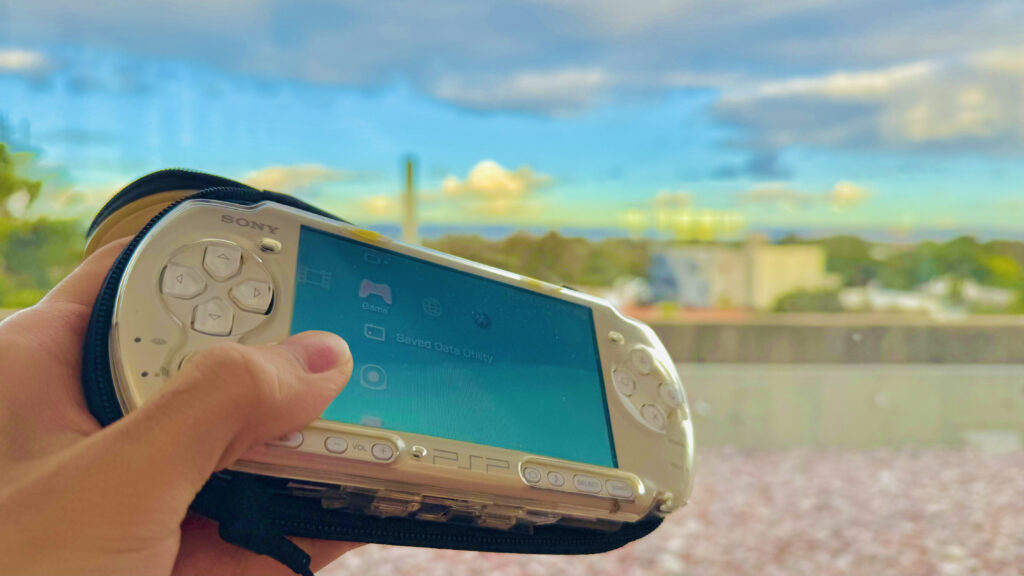
Helping me make new friends with its old-school charm.
People managed to find meaning and community through the nostalgia that oozes from retro games and consoles. Simple reminders of a time of buttons and pixelated graphics. A time when all there was to care about was having fun and making friends. A time where 2000s retro-futuristic designs were all the rage, when products served the user, not the other way around. Nostalgia is an emotion so powerful and complex that a device as redundant and outdated as PSPs with disc drives are somehow hopeful symbols of a “future that was promised”. A future that many looked forward to. I daresay, it is not cope.
Retro can indeed become the new hope for the future.
 Damien Humphrys
 Alessia Arcaro
 Victoria Katris