
Digital media and the ways we consume it has become more prominent in our current society, so why does PlayStation’s latest announcement feel so dystopian?
The Controversial Decision
On the 1st of July 2026, PlayStation announced on their blog that they had made the decision to stop producing physical copies of their games released from January 2028 onwards due to “consumer preference”. The announcement was met with immediate backlash on social media. PlayStation’s official Instagram and X accounts were filled with comments opposing the announcement. Instagram and TikTok algorithms were flooded with videos of people voicing their anger for the decision. The United Kingdom’s Domino’s Pizza account on X even chimed in on the debate, stating that it “makes about as much sense as us changing to digital pizzas.” Because of the outrage, PlayStation remained silent on their social media accounts until a week later. On July 31st, Chief Financial Officer Lin Tao justified the decision and despite the pushback, she states that the company will “cautiously move this forward.” She implies that “It’s not just for PlayStation, but for all kinds of content, digitalisation is progressing.”
A month before the announcement, PlayStation and Sony, PlayStation’s owner, were hit with a lawsuit by four consumers in California stating that PlayStation failed to clarify that buying a game from their online store does not mean they own the game, they just bought the license to play the game. In California, a law implemented in 2024 by current Governor Gavin Newsom states that companies selling digital media are required to clarify that consumers buying from their companies are acquiring a license for the product, not owning it. This law bans companies from using the words “buy” and “purchase” without clarification on what the purchase actually means. The lawsuit states that when purchasing PlayStation titles, phrases such as “Buy Now” and Confirm Purchase” are used. Sony fired back with a court motion to dismiss the lawsuit, stating that in Section 8.4 and 10.1 of PlayStation’s terms and conditions it clarifies PlayStation store purchases are licenses that can be revoked, and that phrases such as “buy”, “purchase” or “own” does not mean actual ownership of the product.
In response to the lawsuit and the ongoing backlash to July’s announcement caused Sony to send out emails to consumers the entire PlayStation’s terms and conditions in August, highlighting that buying digital goods from their store is buying a license, not actual ownership of the product, which caused even more online anger.
Consumer Pushback and Campaigns
Within 24 hours of the announcement, a petition was made by Jade Pearce of PNP Games, a Canadian video game store. In less than a week the petition reached almost 200,000 signatures. It is now October, and the petition has reached almost 400,000 signatures. Since PlayStation returned to social media, every post of theirs is flooded with comments such as “no disc, no buy”, disc emojis, and vowing to boycott the release of future consoles. In August 2026, after the email with PlayStation’s terms and conditions was received, A Boycott PlayStation campaign emerged, with consumers vowing to not interact with anything PlayStation for a week as a sign of protest. This campaign predictably had little to no impact on PlayStation’s numbers. Analyst Mat Piscatella from Circana, a market research company stated that their company oversaw no number changes that would be considered significant.
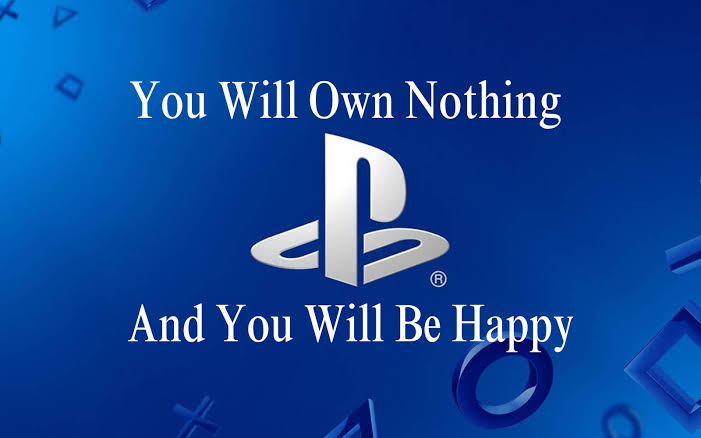
“You’ll own nothing and you’ll be happy” is a phrase by the World Economic Forum inspired by an essay written by Danish politician Ida Auken in 2016 predicting that by 2030, people will no longer be able to own only rent, and that technology has taken over to the point where there is no such thing as privacy. This quote has been used in many campaigns since its publication, and for PlayStation’s consumers it is no different.
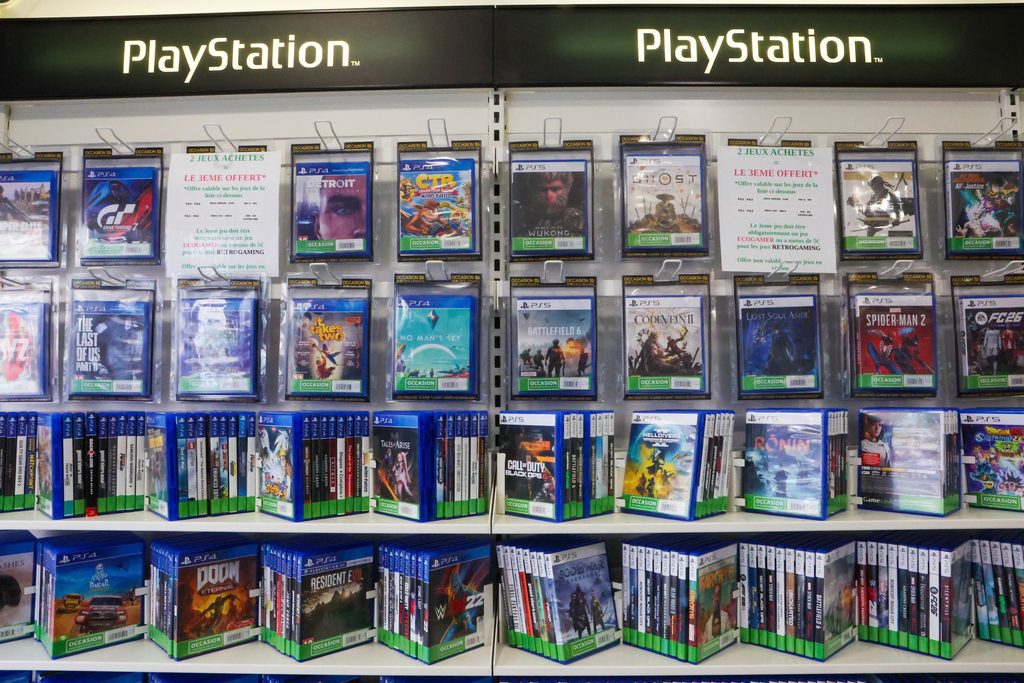
The predicted future of digital services being the only way that you can consume media is why different generations, specifically Gen-Z, are pushing back. A study conducted for the Journal of Consumer Research found that the participants valued physical media more than digital media due to the fact that it holds greater value. The study highlights the convenience of digital products, stating that one device can hold a substantial amount of an individual’s media content such as games, movies, television shows, music, and different types of reading material. Digital goods are becoming a main source to use in today’s society due to its ability to conveniently access many forms of content on one device. However, in this study participants showed that physical media goods are considered more important to them due to them being tangible. It is theorised that this is because holding physical items are more associated with individual connections and memories, while a digital item is unable to conjure those same types of feelings due to it being considered impersonal. For Gen-Z, the future seems bleak, with the ability to own anything being further and further away with the cost-of-living crisis, and big tech giants controlling how the world operates. Purchasing something as small as a physical media item gives people the ability to own and control how they engage with the item, and in a world where currently everything is being decided for you without consent, having a sense of ownership feels more important than ever.
Digital Ownership and Preservation
Ownership describes a situation where if someone purchases something, it usually means that it is theirs forever, right? But what does ownership mean from a digital media perspective? A study in the United States was conducted on how consumers perceive ownership of a purchasing a digital media product. The study goes into depth about the concepts of legal ownership and psychological ownership from a digital media perspective. Psychological ownership is the brain’s connection of thinking and feeling a sense of control over the item even without the presence of legal ownership. Legal ownership is an expression that describes the word ownership as a list of rules to abide by. The connection of these two concepts is suggested due to the psychological feelings of ownership taking over the concept that is legal ownership. The study connects the two concepts in a digital media perspective by the results of their study showing that consumers view having digital rights is important, and that depending on which digital rights they value it will affect the way they view digital media ownership.
A few days before July 1st Sony announced that they were removing over 550 bought movies and television shows from their PlayStation customers’ online accounts due to a licensing agreement ending with media production and distribution company Studio Canal. They did not state if consumers will be receiving their money back or another type of exchange.
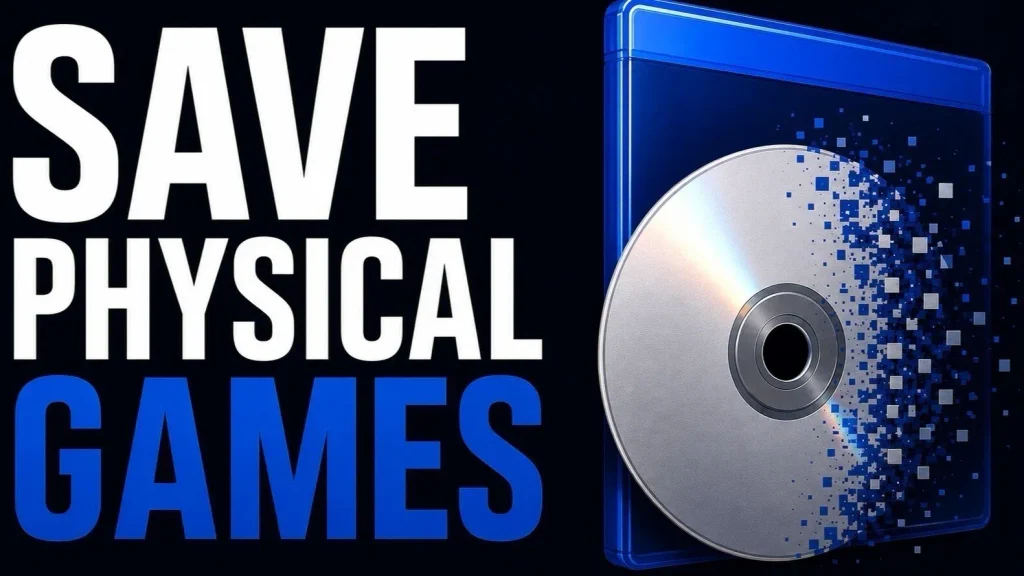
“If buying isn’t owning, then piracy isn’t stealing” is a phrase more consumers are using in situations involving media digitalisation. Markéta Gregorová, a politician from Czechia, used this phrase in her speech voicing her support for the Stop Killing Games Movement. Stop Killing Games is a global campaign advocating for more laws surrounding the preservation and ownership of video games. The campaign is dedicated to stopping published games being removed from servers to never to being seen again, especially when it is something that has been purchased by consumers. Journalist Brittany Vincent states the importance of game companies taking the preservation of digital games more seriously. She writes on how with physical media there is more certainty that you have the ability to play it forever; you can just slide it in to the console and it will be there for you to access. However, with digital media there is less certainty, which could negatively impact digital preservation as digital services are becoming the more commonly used route.
Conclusion
There is a rise of people turning to digital media services is because it is relatively easy to access and convenient. Because of this, digital media deserves its place, but that does not mean that it should be the only option. Both digital and physical items share different strengths and weaknesses that should be valued together. People should be able to have the ability to choose one option or both, especially when the digital option they purchase using their hard-earned money could easily be taken away from them in a click. The normalisation of digital media being the only option feels dystopian, and having a beloved brand such as PlayStation making this decision to contribute to that is pretty ironic for a company whose motto is “Play has no limits.”
 Damien Humphrys
 Victoria Katris
 Mei