
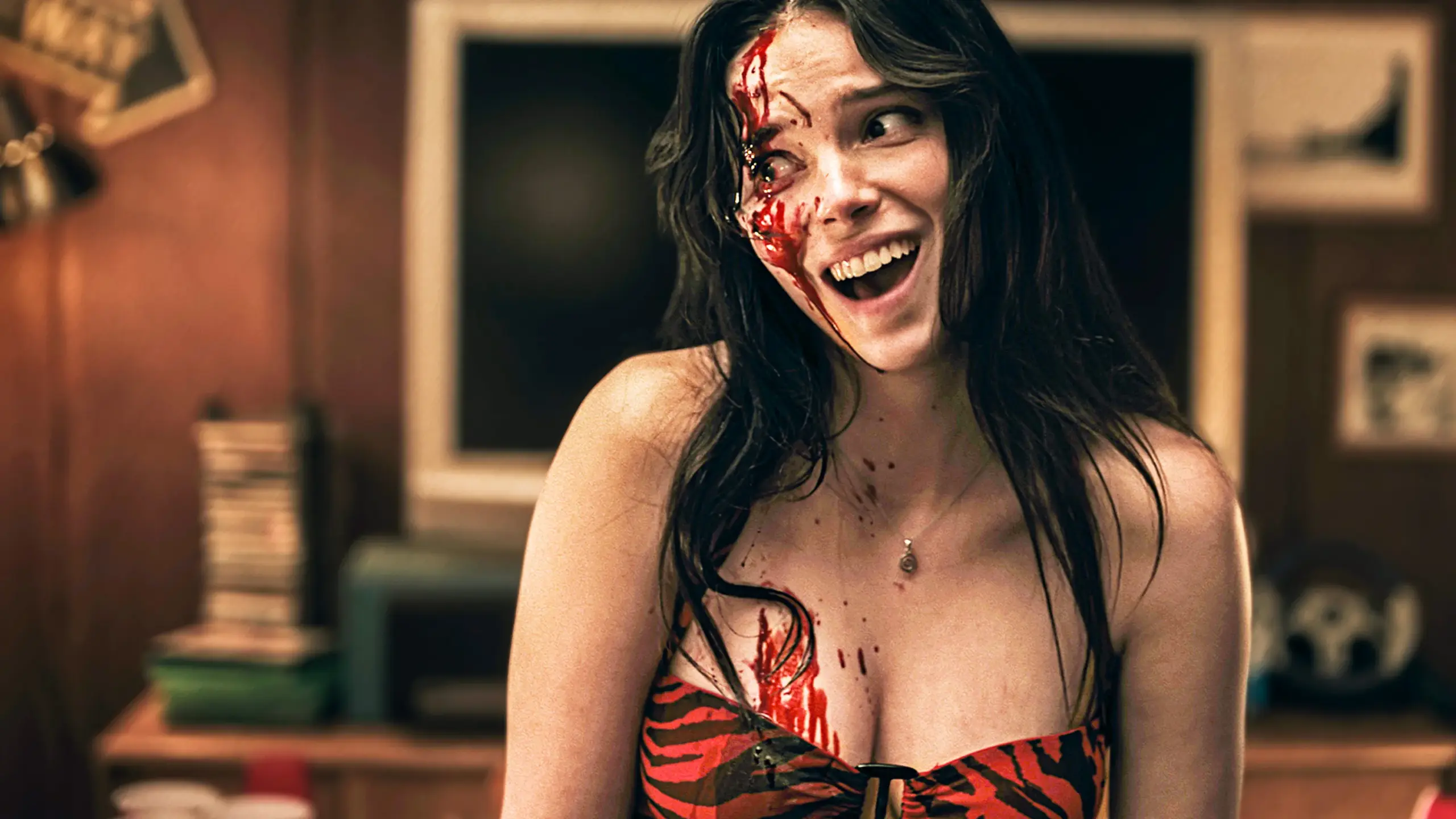
What if a movie could sell itself? Not through endless trailers and advertisements, but through the people watching it. That is what makes Obsession so interesting. The 2026 horror film has become a major online talking point with fans creating edits, memes and videos around the film. But this attention was not entirely accidental. Its marketing campaign was designed to give audiences something to interact with, turning fans into an important part of how the movie spread online.
Obsession follows Bear, played by Michael Johnston, who uses a mysterious object called the One Wish Willow to make his crush Nikki, played by Inde Navarette, fall in love with him. The wish works, but in a much darker way than Bear expects. Written and directed by Curry Baker, the film came from a filmmaker who already understood online audiences through his YouTube work. Baker and his creative partner Cooper Tomlinson had built a following of more than one million people before Obsession reached cinemas.
15.6 million views and 1.4 million likes on TikTok
Focus features, the film’s distributor, took advantage of that existing online audience. Instead of only advertising obsession as a movie, the studio brought parts of its fictional world into real life. The one wish willow, the object that causes the films supernatural problems, was turned into an actual product with its own website and advertisement. According to fast company, the promotional video received more than 5 million views and the product sold out within hours. Fans and influencers began posting their own videos featuring the willow.
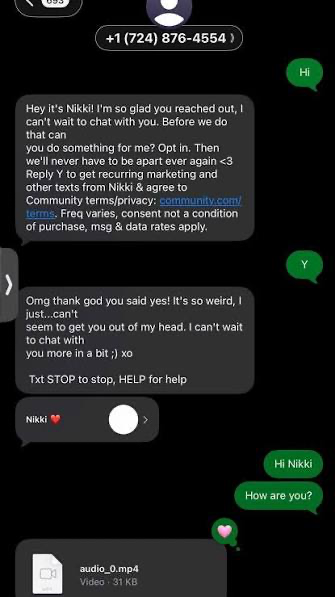
The campaign went further than a novelty toy. Fans could also text Nikki through a fictional phone line and receive voice messages recorded by Navarette. Focus features reported that the campaign attracted around 70,000 subscribers. The idea was not simply to tell people that Obsession existed, but to make them feel as though they could step inside its world.
The fans then took the marketing even further. One TikTok trend showed people comparing themselves “before” vs “after” watching Obsession, with their weird reactions making viewers wonder what could of possibly happened in the movie. other trends took scenes and sounds from the film and turned them into memes, jokes and makeup videos, with the hashtag ”obsession” having almost one million tags.
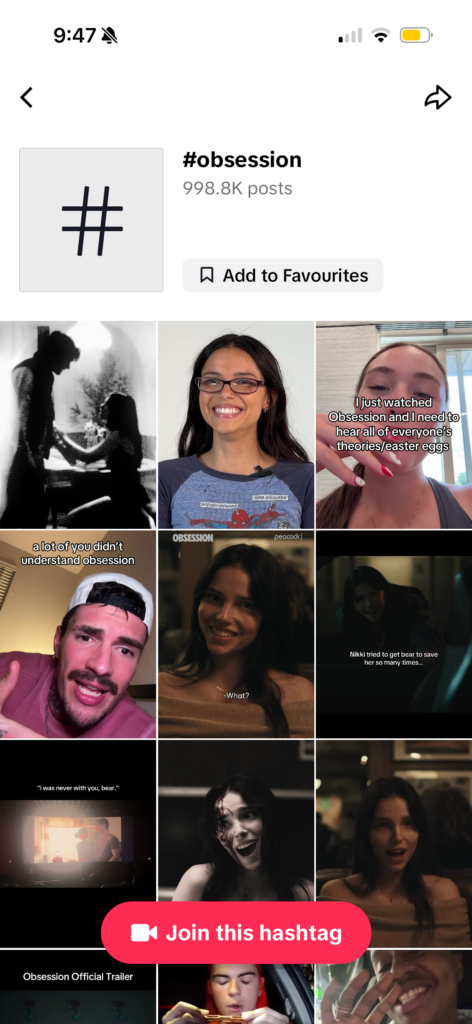
One creators look recreating Nikkis unsettling look reached 6.4 million views, while other reached 2 million, according to IB Times. These posts did not directly tell people to watch the film, but they created curiosity around at. if thousands of people appeared to be having an extreme reaction to obsession, it made sense for other viewers to want to find out what they were missing, myself included.
This is where Obsession connects to a bigger change in the way media circulates online. In the past, a movie advertisement generally moved in one direction, a studio created promotional material and audiences consumed it. Social media has made that process much less predictable. A viewer can watch a film, create a TikTok about it and potentially introduce the film to thousands of other people. Those viewers can then create their own posts, continuing the cycle.
This process reflects the idea of circulation. Online circulation allows content to move through communities rather than simply being delivered from a publisher to an audience. Platforms also collect information about what users watch, click, like and share using algorithms to recommend content based on these behaviours. For Obsession, a fan made video is therefore more than a reaction to the film. If it attracts enough attention, it can become another way for the film to reach potential viewers.
The film’s success suggests that this strategy can work. Forbes reported that obsession became a viral TikTok hit, inspiring fan edits, comedy skits, memes and theories while its existing online following helped generate word of mouth interest. The attention surrounding the film also helped it become a surprising box office success, despite its relatively small production budget.
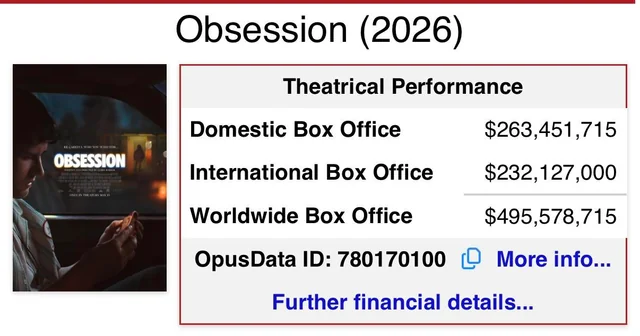
OBSESSION has officially become the highest-grossing original horror movie of the century, earning more than $408 million worldwide from a production budget reportedly below $1 million.
There is another reason fan created content can be powerful, it can feel more authentic than an advertisement. Someone excitedly recommending a movie on TikTok can seem more genuine than a studio telling audiences that its latest film is ‘unmissable’ but, as this unit has explored, authenticity and credibility are not the same thing. Online audiences may value personal perspectives and openness, but that does not automatically make everything a fan says accurate.
Obsession shows that audiences are no longer simply the people being marketed to. They can also become the people creating the conversation, circulating the content and attracting new viewers. The studio may make the movie, but in the age of social media, the fans can help determine how far it travels.
 Tilly Bunnage
  Josh
Josh  Idea Phochaiya