
Ariana Grande is well known for her powerful voice, high notes and catchy pop songs. However her eighth studio album, “Petal”, feels different from what many listeners may expect. Instead of making every song loud and dramatic, Ariana Grande chooses a software and darker sound. The album explores fame, pressure, relationships and personal growth might not grab everyone’s attention straight away, but its quieter style starts to make sense after a few lessons.
“Petal” was released on 31 July 2026 through Republic records. It comes after Ariana Grande’s 2024 album eternal sunshine and her role as Glinda in the wicked films. The album has 12 tracks and was co-written and executive produced by Ariana Grande and her longtime producer Ilya Salmanzadeh (Monroe, 2026). Ariana Grande explained that the title represents something full of life growing through a cold and difficult place (Simons, 2026). This fits the album because many songs are about growing and staying strong during difficult moments.
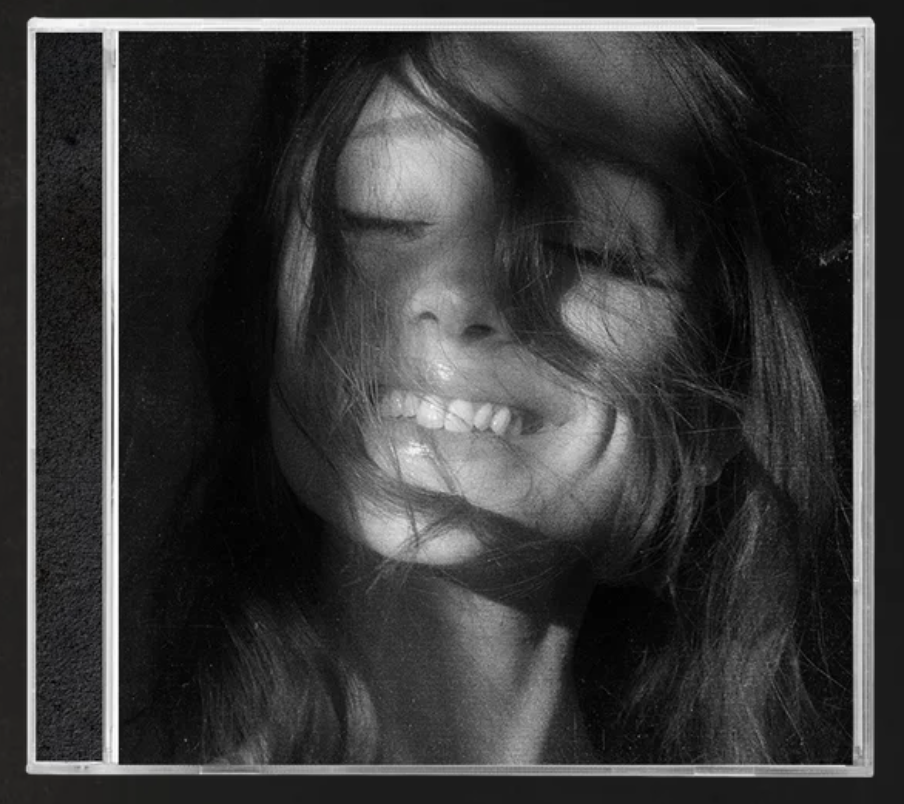
The album cover also supports this idea. It is a black-and-white photograph of Ariana Grande smiling, with some of her hair covering her face (Simons, 2026). Compared with the colorful images from some of her earlier albums, discover feels more natural and relaxing. It gives the impression that Ariana Grande is showing more on the side of herself. The flower team is also meaningful because a flower may look delicate. But it can still grow in a harsh place.
The biggest surprise for me was the way the album spreads. Ariana Grande usually shows the full strength of her voice, but on Petal, she often sings in a softer and calmer way. The songs use deep bass, unusual electronic sounds and layers of background vocals. Hawthorne (2026), explains that the production is darker than Ariana Grande’s usual music and sometimes places her voice underneath the instruments.
When I first listened to the album, I was unsure about this choice because I expected her vocals to stand out more. After listening again, I understood why it works. The quieter vocals match the tiredness, anger and pressure found in the songs. Ariana Grande does not need a huge high note in every track to make the listener feel something.
“Hate That I Made You Love Me” is one of the album’s strongest songs. It shows that attention from fans is not always comfortable or positive. Admiration can become too intense, especially when fans feel they should know every detail about an artist’s life Hawthorne (2026). The cold and distant production fits this massage because it creates space between Ariana Grande and the listener.
The title track, “Petal,” also stands out. It questions whether fame and success can actually bring happiness. The song connects to the image of a delicate flower trying to survive on hard ground. For me, this is one o f the album’s most meaningful ideas because it shows that someone can feel weak and strong at the same time.
Other tracks bring different emotions. “Kiss Me” gives the album an uncertain beginning, while “Oh Well” feels calmer and more confident. “Warning Signs” includes a clear moment of frustration before suddenly ending. Near the end, “Bad Thing (Bunny Hop)” brings more energy. This change is needed because many earlier tracks have a slow and serious mood.
However, the quiet sound is also the album’s biggest weakness. Some songs feel too similar, especially around the middle. Ariana Grande is singing about strong emotions, but her controlled voice can sometimes make them feel distant. Fans who want bright pop songs, powerful high notes or music that is catchy straight away may feel disappointed.
Even so, “Petal” works because Ariana Grande does not simply repeat her earlier albums. The dark production, black and white cover and flower theme gives it a clear identity. It shows that she is willing to experiment instead of only using the sound that made her famous.
“Petal” might not be the loudest or cathiest album, but it becomes more meaningful when listeners give it time. Most importantly, it shows that power does not always have to be loud.
 Tilly Bunnage
  Josh
Josh  Idea Phochaiya