
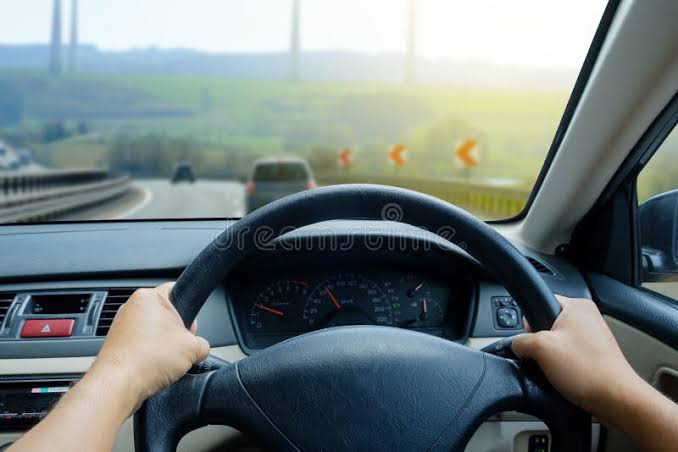
Dangerous driving is becoming a serious concern society is facing in this current age. Young drivers have recently become exposed to risk-taking trends through social media platforms such as Tik-Tok, Instagram and Snapchat, which share videos of ‘clout-chasing’ users speeding or participating in illegal road-related offences. While dangerous driving isn’t a new phenomenon, In the space of a week in August, the ‘wrong-way’ driving fad took the lives of 12 people in the United Kingdom and Ireland, leaving police officers and government officials with growing concern.
While the internet has made it’s bed in a lot of young people’s lives; it takes the blame for a boatload of current societal issues. Arguably, it is a cause for illegal road activity, however, dangerous driving is a multifaceted issue with several underlying causes, including film influences, psychological factors, distraction and drug and alcohol use.
Clicks traded for crashes
Just last August, an accident occurred in Middlesborough England, where seven people, including two police officers were killed in a ‘wrong way’ driving stunt.
The incident came after five teenagers in Dublin participated in the reckless trend, which ultimately took their lives.
Nicolls et al, (2024). explained through research it was identified that young drivers were more often exposed to content that encouraged the risk-taking behaviours, where middle aged and older roadsters were less likely to be influenced or shown the deadly stunts. It was also noted that younger drivers who may have a lack of experience on the road, are particularly susceptible to this online content, especially when the hashtags including #speedhunters, #needforspeed, and #racing, receive positive peer attention.
This article by Sarah Grealy examined the online glamorisation with driving stunts and street racing, which can make young people believe the unsafe hobby is entertaining or impressive, despite extremely serious consequences. Grealy explains that if the post is entertained or popularised on social media, it can work like an active addiction, pressuring posters to repeat or escalate actions to capture the sweet feeling of social media fame, furthering the cycle until the inevitable.
In August, twenty-one-year old, Auday Faris Dawood Alaswad was caught speeding in the South West at 259km per hour, almost 150km more than the 110km speed limit, and faced court in Bunbury last week. The founder of an Australian gambling company regularly posted on social media promoting his wealth, and unsafe driving habits in his orange Mclaren sports car.
There has been a plethora of social media related incidents in recent times, with young men typically being caught in the trap.
Social media can influence young people to act accordingly to what receives positive attention, but more traditional media is guilty against glamorising a number of dangerous or illegal activities, including dangerous driving.
The glamorisation of reckless driving
the Fast and Furious franchise captured young audiences with it’s themes of street racing and global espionage, promoting illegal activities with explosive sound effects, ‘cool’ music and bits of a comedic flair. While it can be argued that the multi-million dollar film series is just that, a set of films, Kostermans et al, (2014). conducted a study that followed participants aged 10 to 14 at the beginning of assessment, and assessed their driving behaviour around six years later. The research found that participants who witnessed reckless driving during adolescence through films engaged with the dangerous hobby years later, possibly imitating what they had seen in their fundamental years.
Watching films obviously doesn’t directly cause reckless driving, however it can be argued that alike social media, observation and imitation seen through media, especially in younger, more malleable minds it can be a catalyst. It was also noted in the study that audiences interpret films like the Fast and Furious franchise in different ways. While some may underestimate the dangerous stunts and try their luck performing them, others completely understand that these films are a work of fiction.
Drugs destroying discernment
While social media and films are argued as a contributor to reckless driving, they are legal and in some ways completely harmless. Drugs and alcohol are not only a killer but have roughly contributed to 12-30 per cent of fatal crashes nationally in the 2025-26 period from September, which the National Road Safety Data Hub recorded 1,334 deaths for that period.
Use of alcohol and drugs can lead to a diminished ability to respond to changing road conditions, while every case is different it is often that drivers may not realise the full extent of their impairment or choose to drive ignoring their intoxication.
The NRS Data Hub sounded the alarm against drug use while driving in their most recent report in 2023, which revealed it had become the most prominent risk factor in Australian fatal crashes. In 2010 it was reported to be around 2.6 per cent, and grew to 16.8 per cent in the report, which surpassed drink driving.
In a conversation article by Milad Haghani, he suggests that this boost in drug driving is because of users believing they wont be caught, due to drug testing being far less frequent than alcohol testing. According to Love et al, (2022). roadside drug testing in some states is extremely low, sitting below 2 per cent of licensed motorists are tested in a year. Haghani also suggests that users believe there is less stigma around drug use while driving in comparison to the hefty campaigns done by state government to lower road related fatalities in accordance with alcohol.
According to USA National Institute On Drug Abuse, teens who are less experienced and more likely to underestimate dangerous situations, so when lack of driving experience is combined with drug use, it can end in a tragedy.
Drivers who underestimate their impairment can leave devastating impacts to others on the road, as well as too themselves in an instant. Sources discussed in relation to this have highlighted that a driver does not need media influences or even a particular interest in cars or dangerous driving to engage in the deadly hobby. Drug driving can be influenced by a lack of executive decision making or beliefs that the offence is not particularly serious and that prosecution isn’t something that the driver should worry about. The sources also suggest that more public education on drug and alcohol use while driving should be enforced. The increased fatalities on roads cannot be solely contributed to internet trends.
Raging racers
Road rage isn’t a new, but it’s important to analyse why and how it is a factor contributing to reckless driving. Love & Nicolls, (2025). examined how aggressive driving behaviours including antisocial personality disorder, psychological dysfunction and difficulties regulating emotions can contribute directly towards reckless driving. The systemic report clarifies why some people may engage in these behaviours even when there is no social media following to gain, film that has influenced them or substances that have frayed their judgement and reaction times. The analysis also found that drivers who struggle to regulate their emotions may pass blame or respond aggressively to minor inconveniences, which can trigger aggressive behaviour.
According to MotoringResearch, Gen Z reported the highest rates of experiencing road rage while driving, with 16 per cent between ages of 18-28 said they experience it multiple times a day.
The analysis also found that drivers who struggle to regulate their emotions may pass blame or respond aggressively to minor inconveniences, which can trigger aggressive behaviour. Young drivers are increasingly lowering their tolerance against others on the road.
While social media has contributed to many recent accidents and dangerous near misses, evidence suggests that it alone cannot be the leading cause of reckless driving. While teens may engage with speeding and illegal driving trends to gain attention on social media, they are still largely vulnerable to influences via other formats of media, like films, a lack of experience in driving contributing to ability to judge a dangerous situation, impairment of drugs leading to fatal crashes and psychological factors that lead drivers to rage on the road, are all leading causes for young people to recklessly drive in current society. Other factors also include phone use distractions while on the road, and driving tired.
While education on dangerous driving is extremely prominent, more can be done to mitigate the risks of dangerous driving and reckless behaviours from young people, including the banning of trends on social media, which is indeed a cause of this issue.
 Flynn McQuade
 soraya
 Megan Anne