
Is knowing the difference now an essential life skill of the 21st century?
How do you tell when reading online that the information is legit? How do you know when something is AI-generated? Is Artificial Intelligence (AI) technology changing society? When Bill Gates, Microsoft co-founder, sounds worried, shouldn’t we all be listening?
“…the ability to tell what is true from what is not becomes an essential life skill.” — Bill Gates.
AI makes life easier, but the darker side is scary. Tailored social media feeds flood us with biased content, deliberate clickbait, and algorithm-driven half-truths. Navigating that is tricky—it’s no wonder a new cognitive skill set is required.
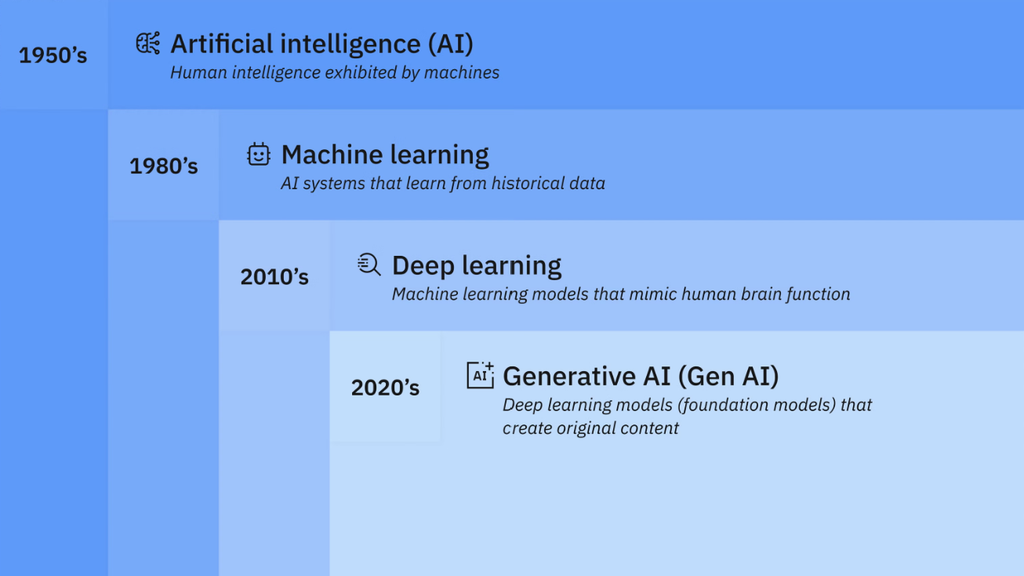
So AI has been around since the 1950s. Why the panic?
Large Language Models (LLMs) now generate convincing, human-like conversations. Although machines are only as good as their data, this leaves the backend open to data misuse, omissions, and widespread bias in a predominantly unregulated industry. LLMs enrich our lives, but I’d happily opt out if it means losing my humanness.
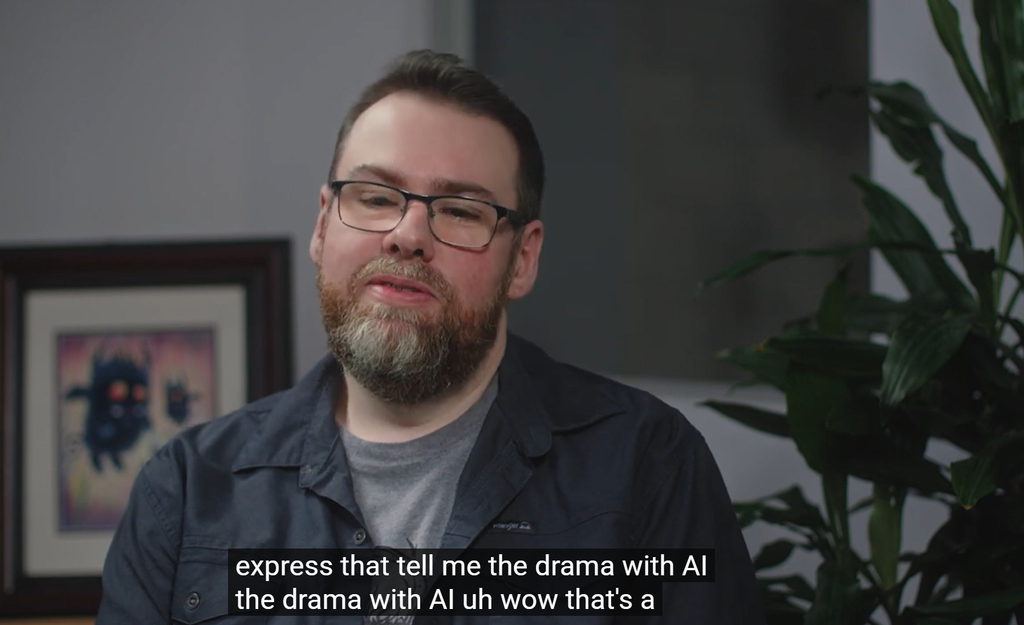
Look at the creative arts. Automated AI bots troll the internet, data-scraping the genuine work of artists without permission—hear multimedia illustrator Mark Gagne’s story.
Worse: if you upload your own original artwork into a free AI tool, read the fine print—you often forfeit the rights to your creation. It‘s legal theft, masked as free software.
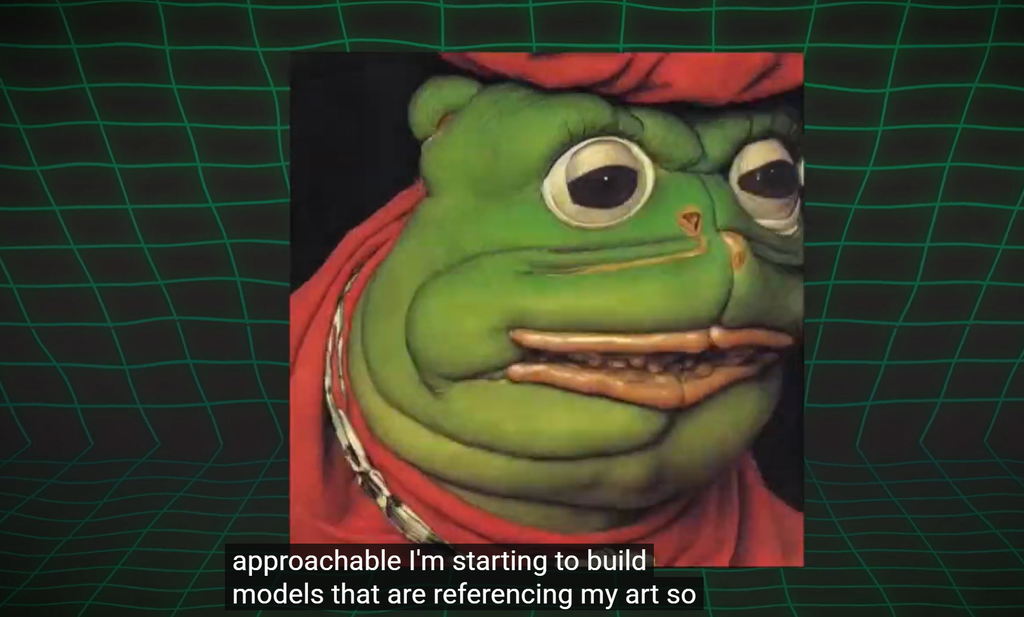
Yet some creators successfully embrace the technology, such as street artist Waxhead. Listen to how he combines his own content with AI to create new work and retain his unique style.
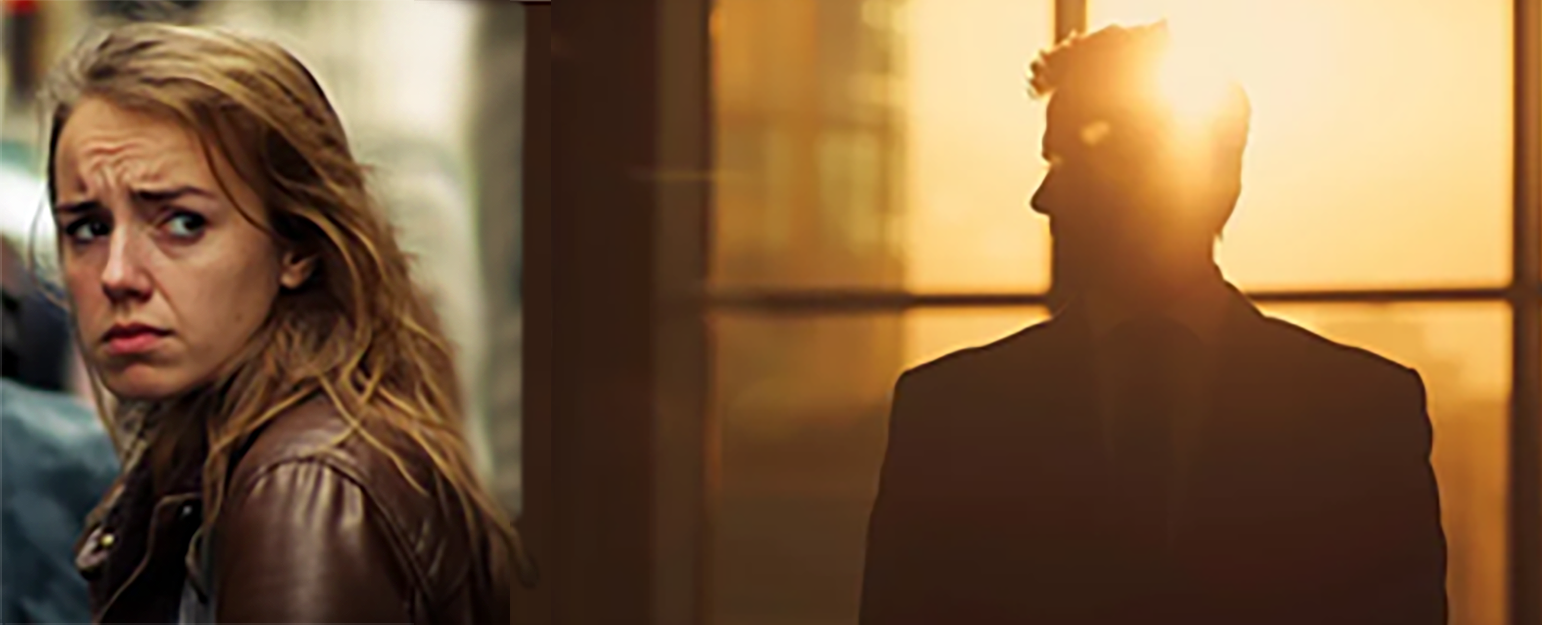
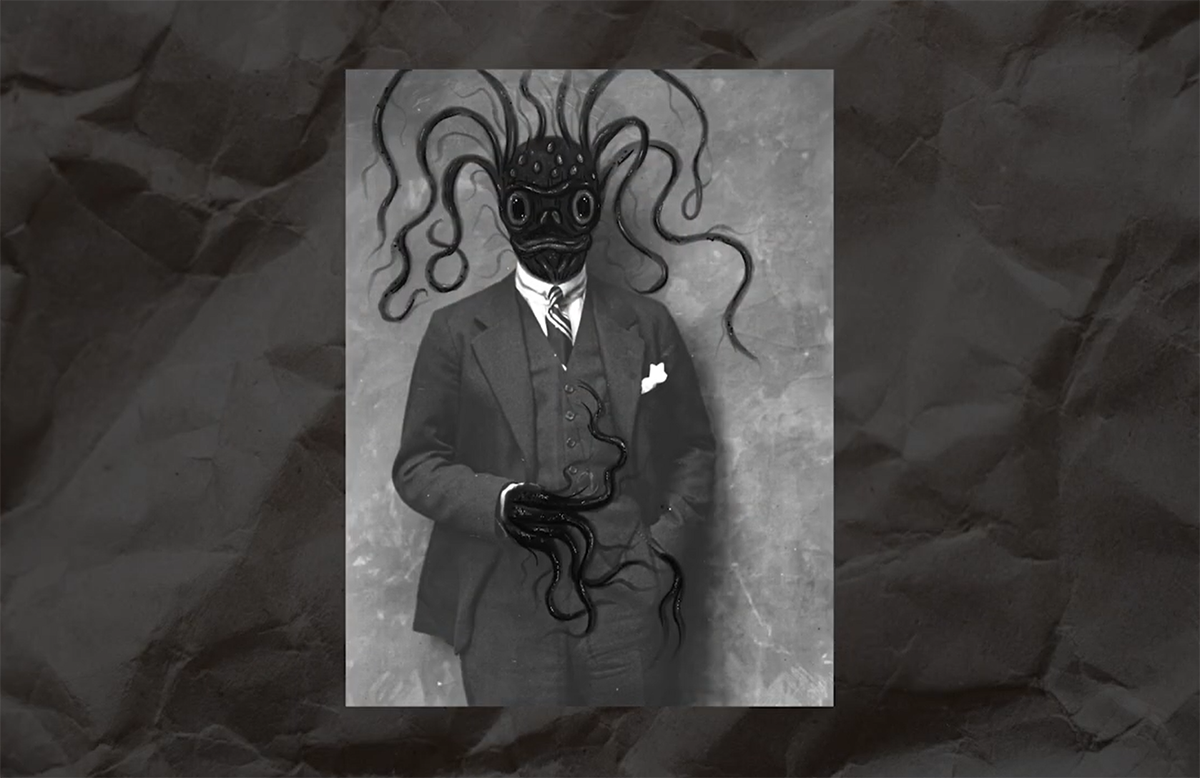
Still, detecting machine-led algorithms is not easy. Look at my proposed game design artwork. Is it AI-generated? It’s not, but my Curtin DIG10 tutor thought so. I blended two open-source images in Photoshop. When design experts struggle to tell the difference, the line between what’s real and fake has officially been blurred.
AI is here to stay. But by calling out what’s fake and verifying the facts, we build a more authentic online experience. For humanity’s sake, let’s be discerning and stay human.
 Bethany Miguel
  Tarkyn Sharples
  Sonya Murphy