

In my first hour at Trosky Region, I was a lowlife, wandering from place to place in dirty clothes, starving and exhausted. The villagers mocked me and commented on my smell. I ended up breaking into houses to steal food, coins and whatever clothing I could find. The game had another plan for me.
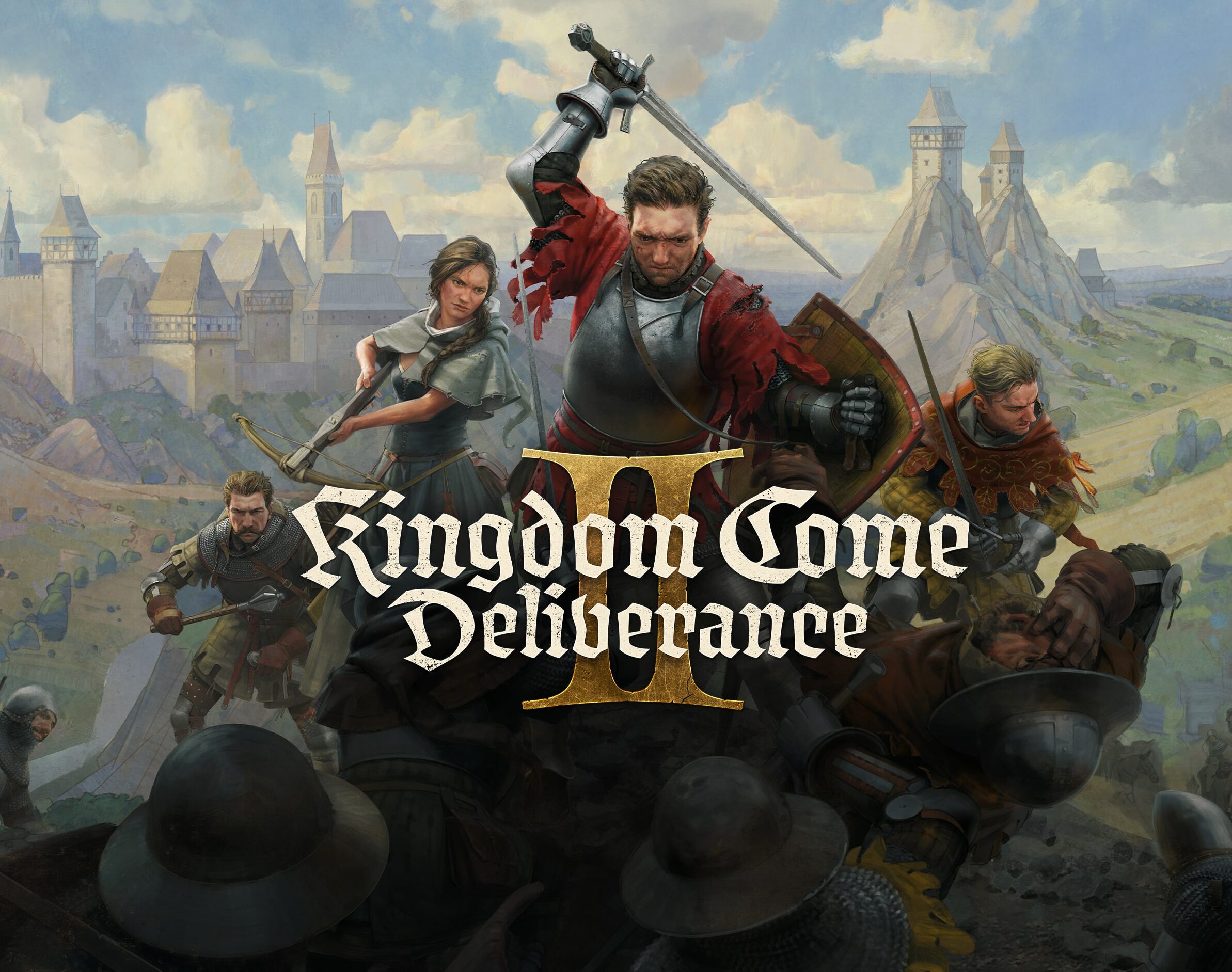
I was browsing Steam when I found Kingdom Come: Deliverance II at 40% off. I watched the trailer, read a little about it and decided to go for it. I had never played part one, so I went in completely blind. I have always loved history, and the medieval period especially, and I wanted to experience it.
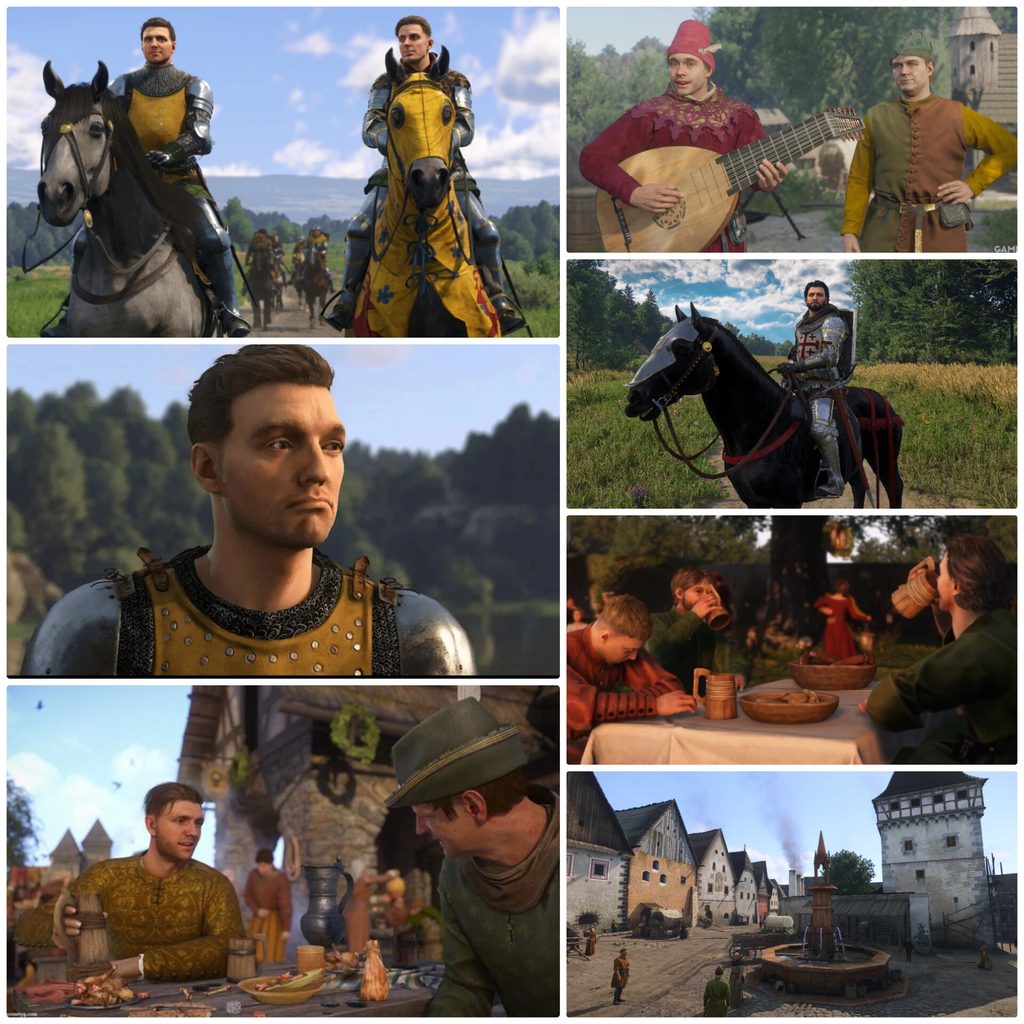
The opening of the game was exactly what I had imagined. Riding on horseback with a company of men, the cinematic countryside, a knight and bodyguard to a respected lord. I imagined more in my mind, a castle, a skilled warrior and a comfortable life in high society. Instead, I got humiliation. The brutal struggle of just trying to survive completely shattered my fantasy of a glamorous medieval world. I decided to quit and thought to myself, “I just wasted money and time.” Then I read more about the game and found it wasn’t broken. It wants you to feel what that century actually cost the people living in it, not the fairy-tale version we imagine.
So, what is this game? KCD2 is set in Bohemia around 1403, a real place at a real moment in history. The main character, Henry, the son of a blacksmith, is fictional, but many of the people around him actually lived. Warhorse Studios builds the game around historical authenticity rather than fantasy. No magic, no power, just an ordinary young man trying to survive among nobles who barely notice he exists. It is a first-person open-world RPG, which makes it more compelling. You don’t just observe difficulty, you feel it.
“Historical authenticity, more than historical accuracy, is the true brilliance of KingdomCome: Deliverance 2.” –Marloes Valentina Stella, Games Rader+ (Feb 2025)
Henry behaves like a real human being. He gets hungry, and you must feed him. If you overfeed or give him spoiled food, he gets food poisoning. He gets tired and needs a bed. With money, you can sleep in a tavern. If you don’t, you end up trespassing on someone’s property just to sleep. Ignore his needs for too long, and Henry grows weak and may even die. I chose to steal, which makes me laugh now when I think about it. In other RPGs, you start by doing something brave, or you are handed a quest that makes you somebody. In KCD2, you start by doing chores. Eat, sleep, wash. It takes time to understand the system and routine, and once you do, you will be ready for the quests. Some players find this boring or frustrating enough to quit, while others find it interesting. It depends on whether you go along with what the game is asking. At first, I hated it. Later, I liked it because the comfort felt earned.
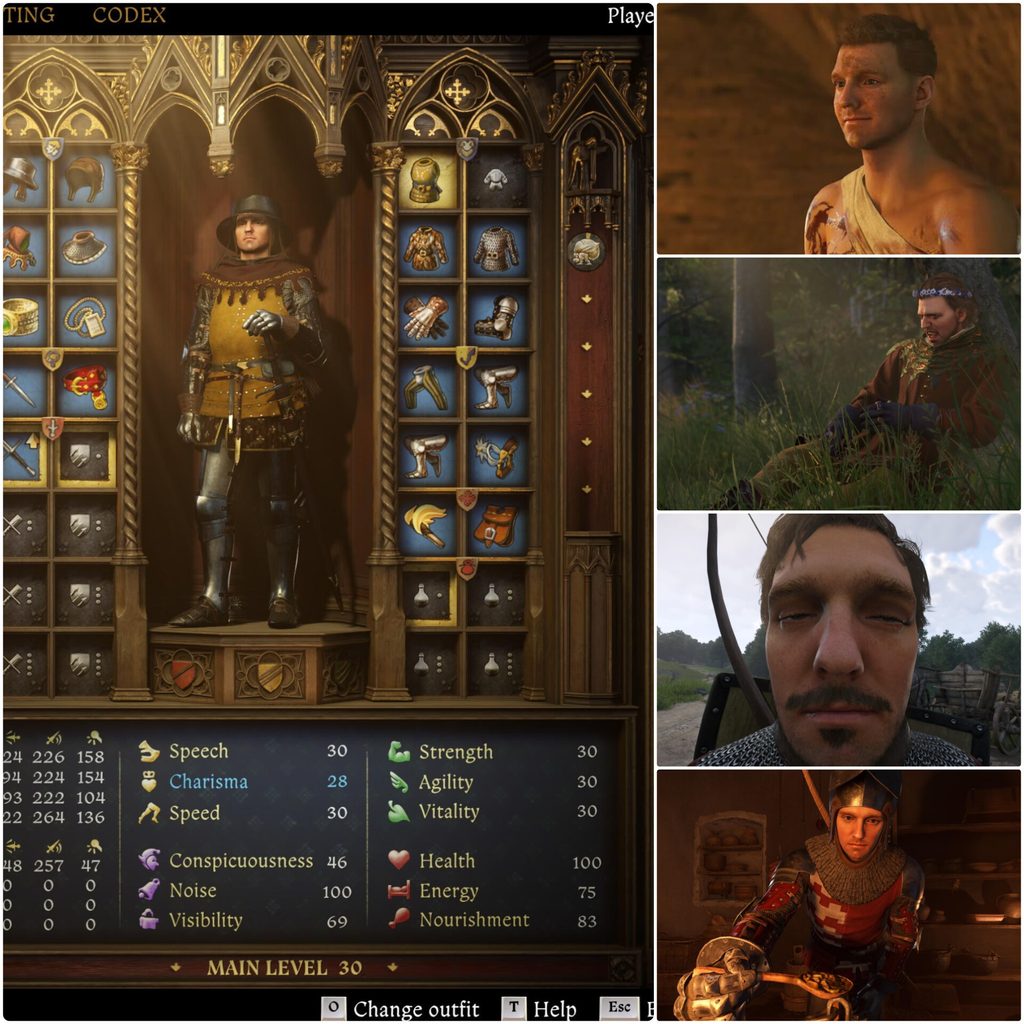
After the cut scene, when you really start playing, you start with nothing, no money, no reputation and no skills. Torn clothes, bad smell, people judging you by your appearance. When you look like a beggar, nobody takes your word seriously. Villagers cut you off, walk away, or insult you.
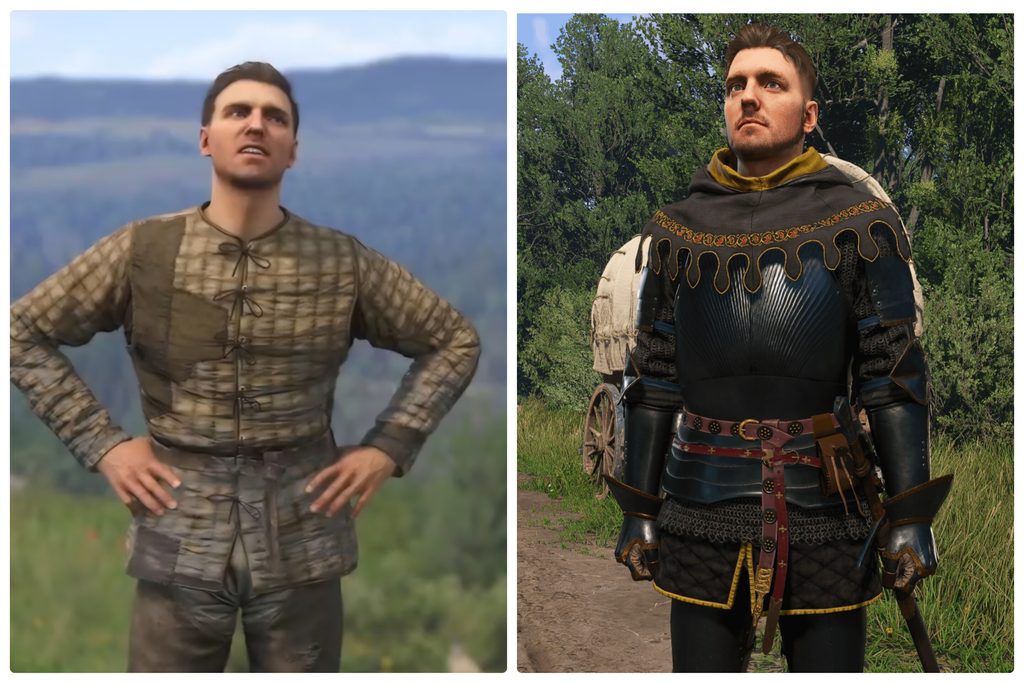
Then you wash, put on good clothes, and it is a different story. They treat you like someone who matters. Reputation works the same way; you earn it back through side quests, helping villagers with their problems. Help one person, and word spreads through the whole village. Most games hand you a status and never take it back, but this one lets you fall and makes you climb.

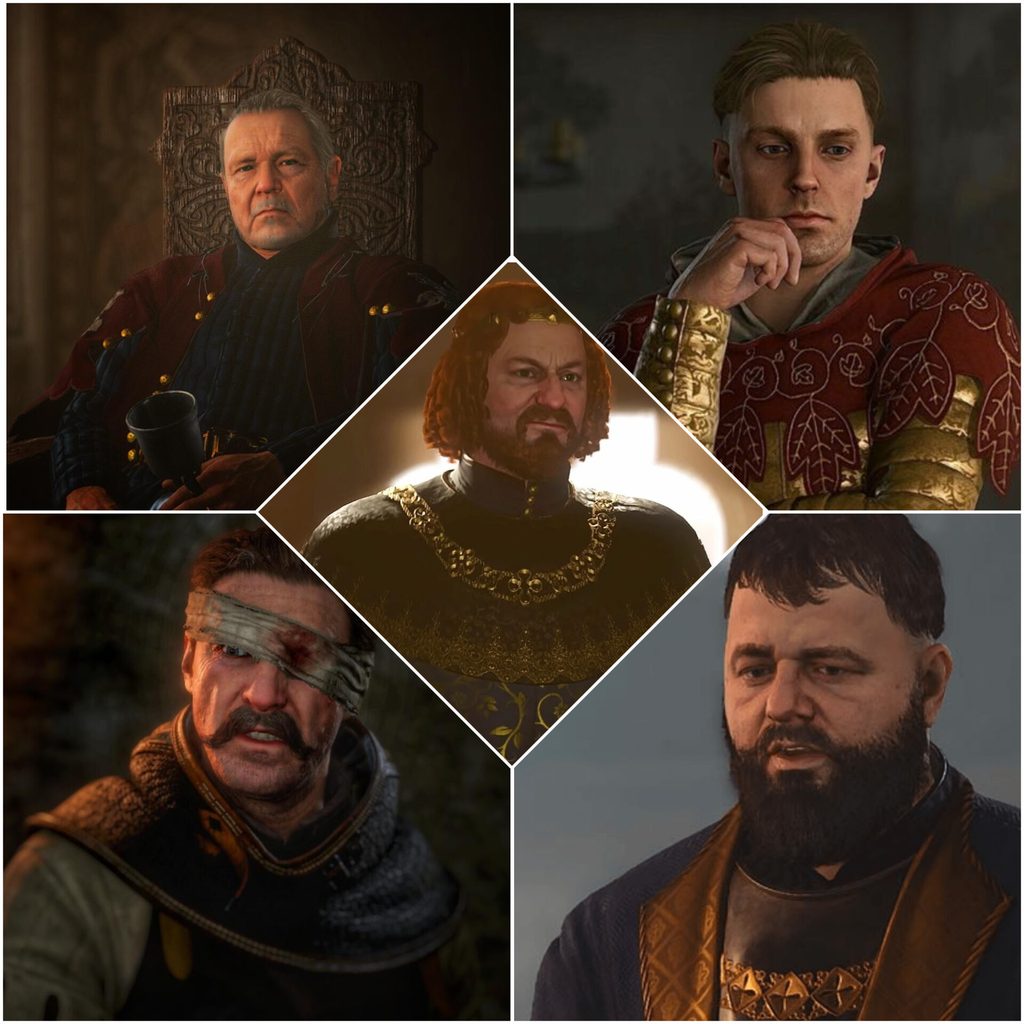
Before playing, I knew nothing about Bohemia in 1403. Now I know the kings and lords of that time, the politics, why the kingdom was tearing itself apart, and why an ordinary life was so hard. The game made me curious enough to go and read the history. Henry never existed, but the world around him did. Not many games give you that.
It won’t suit everyone. If you want a power fantasy, or you don’t have patience for the system the game refuses to explain, this isn’t for you. But if you don’t mind earning your place, there is nothing else quite like it.
 Michael Chiodo
 Bryana McGowan
 Audrey James