
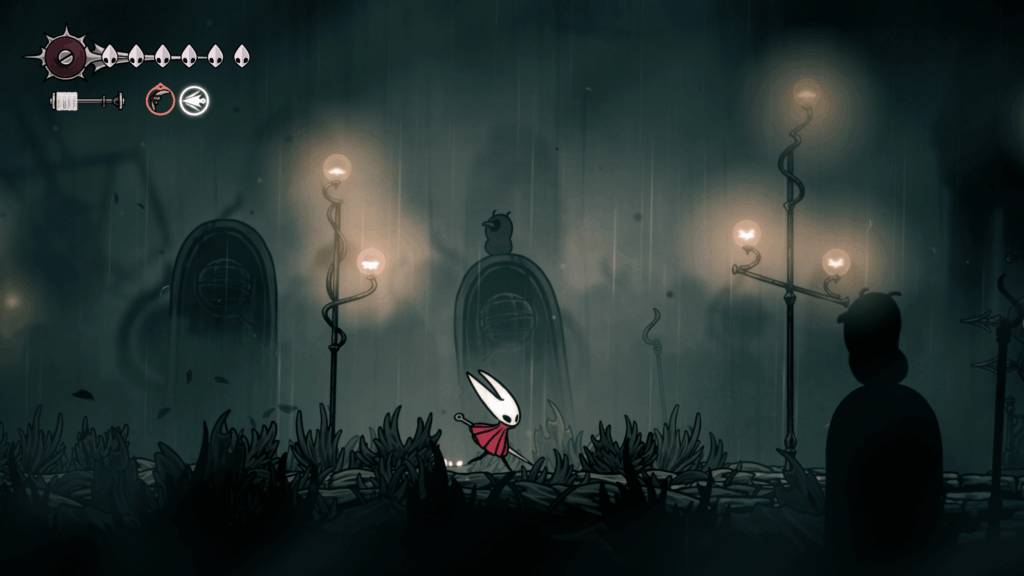
It’s safe to say I’ve been bitten by the Hollow Knight: Silksong bug. Not because I’m a die-hard fan of Hollow Knight, but because I got swept up in the hype surrounding the beloved 2017 indie game’s long-awaited sequel. I mean, who didn’t?
With Hollow Knight selling 15 million copies and earning a cult following, it’s no surprise fans were sent into a spin when Silksong finally dropped on September 4, after seven years in development by Adelaide trio, Team Cherry.
The short-notice release caused such global hysteria, it crashed video game storefronts and led other indie developers to delay their own game launches.
Silksong has since been downloaded more than 6 million times, is currently sitting on an average rating of 91 out of 100 on Metacritic, and has achieved an all-time peak of more than half a million concurrent players on Steam.
So, the hype really was justified.
As a casual Hollow Knight player, I was both excited and slightly terrified about playing Silksong – with good reason.
After about 25 hours into the game, it’s clear that the metroidvania is longer and faster than its legendary predecessor, with frustratingly difficult platforming challenges and every adorable little bug out to kill you even harder this time. But it’s also incredibly entertaining, rewarding, and visually stunning to play, making it worth the pain.
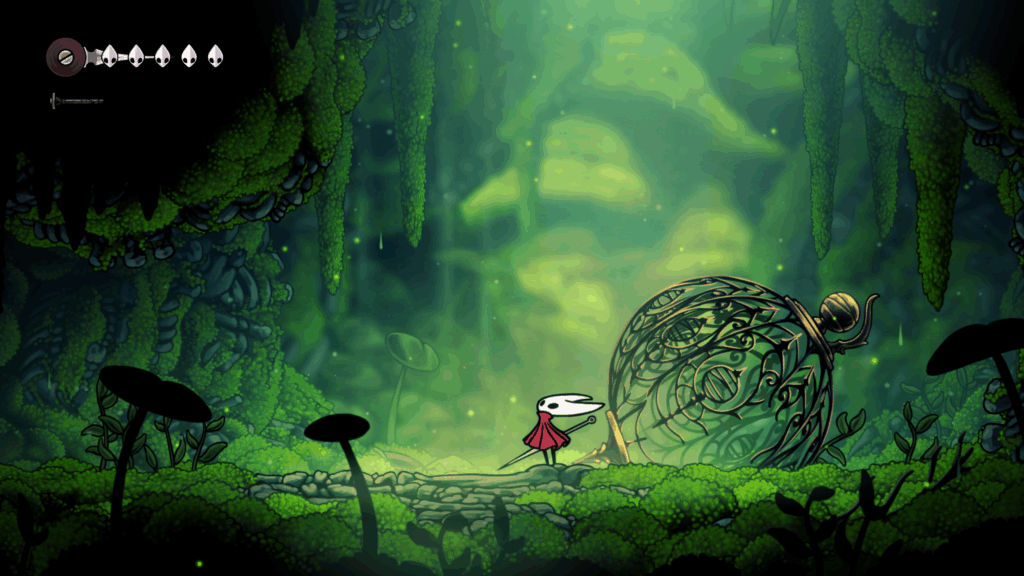
The story follows protagonist Hornet, a former boss from Hollow Knight, who is kidnapped and transported to the kingdom of Pharloom. After breaking free of her cage, the princess-protector plummets to the depths of the haunted world, where she begins her ascent to the majestic Citadel to discover why she was abducted.
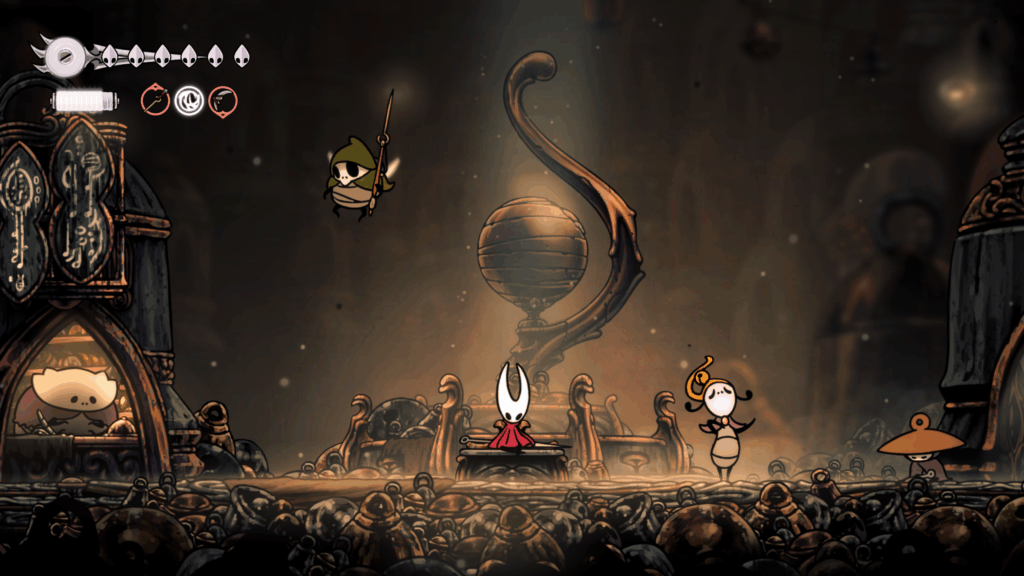
The game starts slowly, but not easily, with enemies hitting hard. Playing as Hornet, you have restricted movement and skills, armed with only your needle weapon and a 45-degree downward strike that’s difficult to control. To build up your strength and abilities, you must collect rosary beads as currency to trade and purchase items such as tools, maps and bench checkpoints. You find rosaries by killing certain enemies and exploring the vast underground kingdom, with its countless shortcuts, hidden areas, and secret rewards. If you don’t have enough rosaries for what you need, you’re forced to backtrack and find them, as I’ve discovered the hard way.
Like soul in Hollow Knight, silk is the life-force of Pharloom, so Hornet uses silk to heal and channel special combat abilities. You replenish your resource silk spool by hitting enemies with Hornet’s needle, and when you die, a silk cocoon is created at the point of death to contain all your rosaries. After respawning, if you die before returning to the cocoon to reclaim your currency, you lose it all, forcing you to backtrack once again.
Compared to the slower, silent Knight, Hornet is agile and acrobatic, with graceful strides, pivots, and mid-air spins that make it seem like she’s dancing when fighting. This helps to make gameplay fast and fluid, although I continually struggle to synchronise her moves when platforming and fighting bosses, which doesn’t make for entertaining viewing. What I do enjoy, however, is witnessing Hornet’s dialogue with friendly non-player characters (NPCs). As well as revealing her determined but compassionate character, it helps you to piece together Pharloom’s lore and her place in it, which really adds to the story.
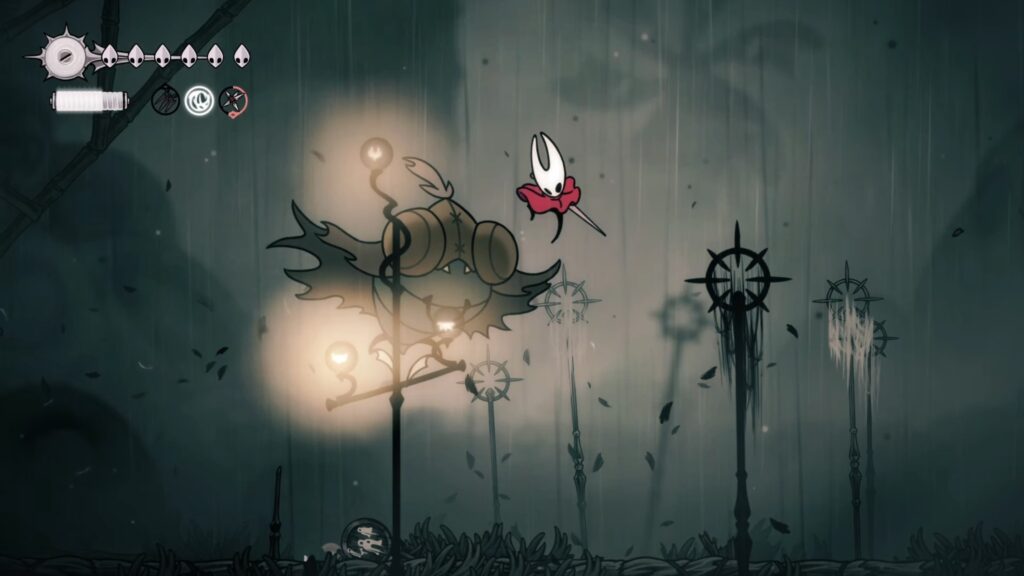
When it comes to boss fights, Silksong is brutal. Every boss behaves differently, with moves that you need to learn quickly to avoid instant death. If that isn’t punishing enough, many boss fights come with long runbacks that make you feel like you’re stuck in a hellish Groundhog Day. Having to follow the same tedious path from your last bench checkpoint back to the boss fight arena, only to die and do it all over again, is just plain cruel. Needless to say, I die a lot in boss fights, but at least the euphoria of finally winning makes up for it in the end.
Regardless of how many times I die in this game, I never get sick of experiencing the eerily beautiful 2D artistic world, hand-drawn to perfection by Ari Gibson. All the regions of Pharloom are interconnected but uniquely different, each with its own bespoke atmospheric theme, vibe, and melody. The moody, dust-filled lighting and creepy-crawly sound effects add to the ambience, while the melancholic music by composer Christopher Larkin sets the tone for each scene. The haunting orchestral score illustrates the religious undertones of Silksong, with the strong use of violin, piano, and choral notes.
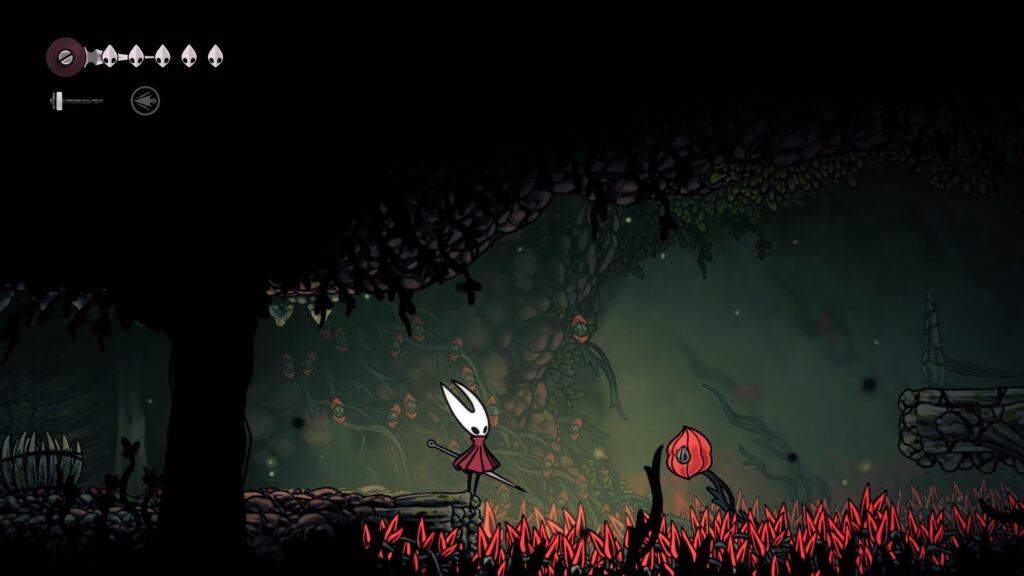
From lava-filled ancient structures to mist-covered overgrown caverns, each region is full of character and detail. While I have many yet to explore, my favourite so far is the deadly but dazzling red-themed cave of Hunter’s March, where tiny ants pick up the pieces of your dead enemies and carry them around the mossy ground. Sturt’s Desert Pea – the floral emblem of Team Cherry’s home state of South Australia – also features prominently in this optional area. As a South Australian myself, I can’t help but be impressed by that.
To me, Silksong is a beautiful nightmare that’s not easy to play, but is easy to be captivated by, thanks to Team Cherry’s extraordinary job on this sequel. If I ever get through the game, I look forward to seeing what they come up with next – in another seven years or so.
 Shoujie Wang
  Yinan Zhou
  SUN Yinchen