
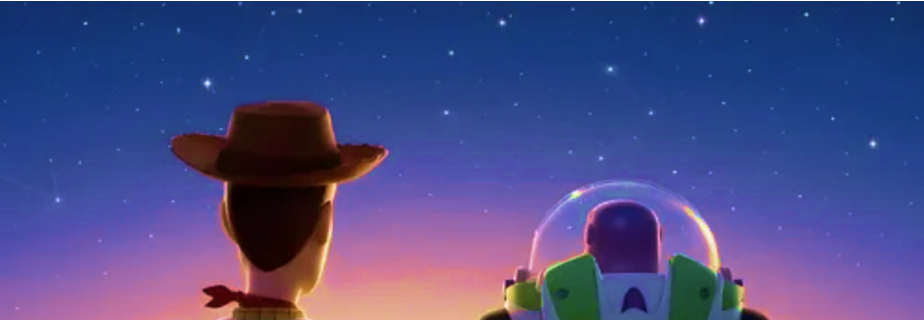
Toy Story has always been a narrative that follows the ideas of change and letting go, where across the franchise the core characters have faced abandonment, growing up, and the uncomfortable reality that childhood doesn’t last forever. And yet despite this, more than 30 years after Woody and Buzz first appeared on our screens, Pixar can’t seem to follow its own advice.
The Toy Story franchise began in 1995 and has become one of animation’s most recognizable narratives, following the secret lives of toys that come alive at the absence of humans. The original film introduces Woody, a loyal cowboy doll whose position as Andy’s favorite toy is threatened by the arrival of Buzz Lightyear, a modern space ranger action figure, where they find themselves needing to work together to get back home. Toy Story 2, premiering in 1999, expands the universe by delving into Woody’s origins, introducing feisty cowgirl Jessie and her devoted horse Bullseye, and explores the fears of being abandoned as children grow older. Moving forward we see a dramatic shift in Toy Story 3. Released in 2010 the narrative shows a grown-up Andy preparing to leave for college, facing the dilemma of his beloved childhood toys and their futures, he ultimately passes them along to the shy Bonnie in an emotionally powerful conclusion centered on growing up and letting go. Pixar then revived the franchise for Toy Story 4 in 2019, now following the childhood of Bonnie, Forky the recycled utensil is introduced, and the disbanding of the core toys occurs as Woody parts on a new life alongside Bo Peep. Finally in 2026 Pixar released a fifth movie to the franchise, reuniting audiences with familiar characters and a new challenge relevant to modern issues. The increasing attachment of digital technology in children’s lives become a key plot line of Toy Story 5 with traditional toys being abandoned at mass rates while the Lilypad, a digital iPad created for children, draws away the imagination and fun related to traditional play.
However, with each new instalment, a question becomes increasingly difficult to ignore: when should a beloved story be allowed to end?
While Toy Story 5 attempts to modernise the franchise through its exploration of present, digital childhood habits, it’s existence arguable undermines the emotional finality established sixteen years prior. Ultimately it is argued that Toy Story 3 delivered the franchises ideal conclusion, as the moving farewell between Andy and Woody and the other toys symbolizes the inevitable transition from childhood to adulthood, while simultaneously revesting themes of change present across previous Toy Story films.
Yet rather than allowing this conclusion to stand, Pixar has continued to revisit and “wring out” the nostalgic characters that established global success. This reluctancy to move beyond Toy Story reflects a broader pattern present across the studio, where nostalgia and the commercial security guaranteed across established franchises competes with the creative possibilities of new, original stories.
This pattern can be seen across several other Pixar franchises, including Cars, Finding Nemo, Monster Inc., and The Incredibles, which have all been revisited through sequels or prequels years after their original release

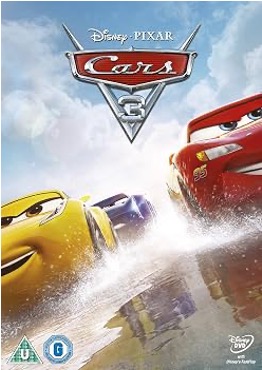
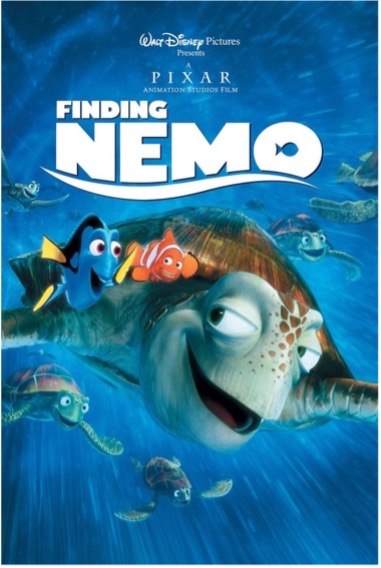


However, in fair contradiction to these criticisms, Pixar has demonstrated its ability to sustain audience interest and achieve a demanding level of commercial success through its established franchises. The familiarity and enduring popularity of nostalgic characters creates a level of emotionally tied attachment amongst audiences that fosters new narrative and drives them into theaters every release date. This can be displayed across Toy Story’s astonishingly high review rates, with no Toy Story film dropping below 90% on Rotten Tomatoes, and box office earnings that increase with every new installment.
In spite of this, the issue is not whether Pixar can continue producing success sequels, but rather whether its reliance on familiar narratives comes at the expense of recognizing when a story has already reached its natural conclusion.
 bella
 Hayden Price
 Finn Wilson