
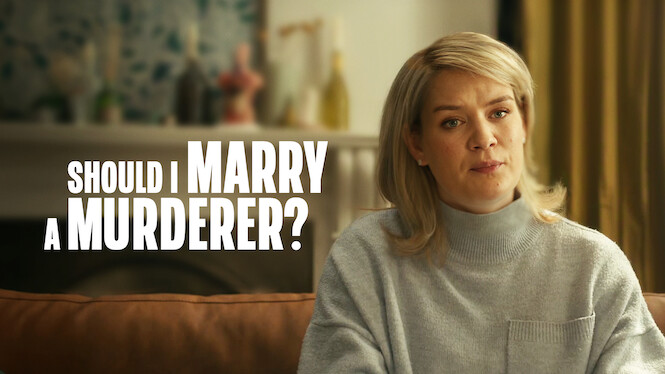
At first glance, Should I Marry a Murderer? sounds like the true-crime story designed to make you ask the obvious question: Why on earth would she stay with him? But after watching the three-part Netflix documentary, I found myself asking, what happens when the person helping the police, becomes another casualty of the investigation.
Directed by Josh Allott, Should I Marry a Murderer? follows Caroline Muirhead, a pathologist from Scotland, who falls in love with Sandy McKeller before discovering he killed cyclist Tony Parsons.Caroline goes to police and becomes a key witness in the investigation, but when helping means remaining close to a murder, Caroline is no longer giving police information; she’s living inside the investigation.
The series doesn’t simply tell us Caroline is struggling mentally, it lets us watch the events that allow it to happen. Caroline’s Snapchat footage becomes one of the documentaries most effective tools, giving us access to moments she recorded while the investigation was unfolding. We see her drinking, using drugs, and becoming increasingly overwhelmed, all while contrasted with interviews from her family and friend’s. The uncomfortable result is we see her deterioration presented not as something that suddenly happened, but as a series of events that happened alongside it.
The wedding dress scene makes this especially clear, specifically when Caroline helps police apprehend Sandy. After she discovers Sandy has been released, her wedding dress is delivered to her apartment. Earlier in the series we watch Caroline excitedly plan a future with her fiancé, which is then juxtaposed as it cuts to Caroline crying, sitting on the floor in her dress with a bottle of wine.
The documentaries’ chronological structure makes this scene hit harder because we understand what the dress meant to Caroline before we see what it means to her currently. The contrast between the traditional image of a bride and Caroline’s distress turns an ordinary wedding dress into symbol of the life she no longer has.
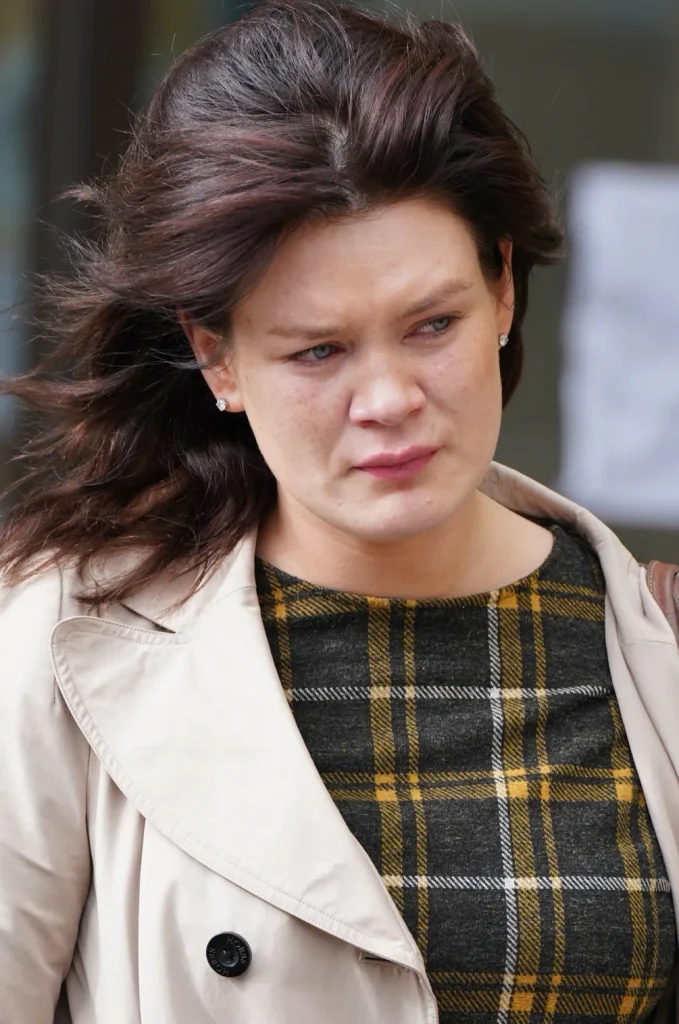
The same approach works during Carolines later breakdown, when she returns to Sandy’s property searching for the cyclists’ bike. The documentary moves between her Snapchat videos, interviews with her parents, police, and wide shots of the property as Caroline attempts to find the evidence. The editing builds the sequence rather than giving us the conclusion first, so we experience Carolines decisions as she does. Instead of asking why she did didn’t leave, the audience begins to understand how fear and isolation pushed her further into the investigation.
This makes the police’s later treatment of Caroline difficult to ignore. Throughout the documentary, Police rely on Caroline’s access to Sandy, yet the series depicts a distressed woman who is relied on as investigation continues. Caroline was supposed to have access to a therapy service designed for witnesses, yet she was considered ineligible due to her job and middle-class background, despite the phycological pressure she was under. The assumption that a professional woman with Caroline’s background did not need that support exposes a larger problem that being a capable person does not make someone immune to trauma.
Caroline’s experience is not unique. Duwayne Brooks who was with Stephen Lawrence when he was murdered in 1993, was both a surviving victim and key witness. The Macpherson Inquiry later criticised the way police treated Brooks, finding that he had been treated as a witness rather than a victim. The circumstances are different from Caroline’s, but both cases still expose the idea that witness’ are still people.
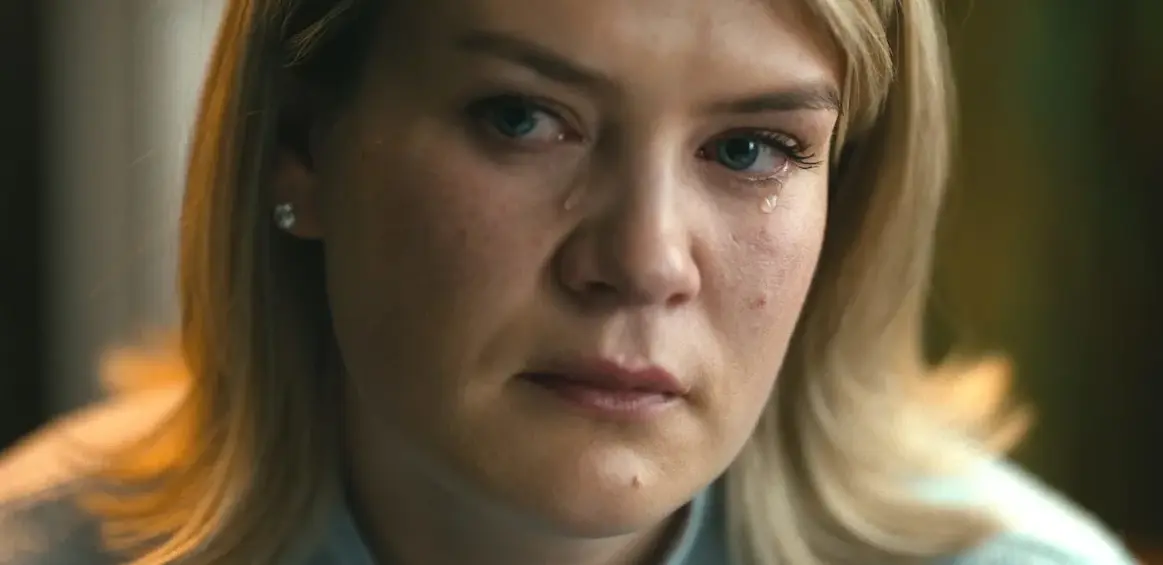
The police use Caroline’s relationship with Sandy to gather evidence, while the documentary uses the same relationship to create a gripping story. We watch her fear, her deterioration and the decisions that become increasingly difficult to understand from the outside. The series makes compelling television from experiences that were clearly devastating for Caroline. Rather than presenting Caroline as a foolish woman who stayed with a murderer or a heroic witness, the documentary gives us enough context to see the person caught between these two versions. Its use of personal footage, interviews and chronological editing gradually removes any preconceived biases we have of Caroline.
By the final episode, the question in the title almost feels irrelevant. The more interesting question is not whether Caroline should have married a murderer but if any of us would make better choices under the same circumstances.
 Michael Chiodo
 Bryana McGowan
 Audrey James