
Celebrity fan refers to a series of emotional investment, community interaction, cultural practice and consumption behaviour generated by people because of their love for stars, idols or other public figures. In China, this phenomenon is usually called “chasing stars” or fan culture. It includes organised online practises, such as following celebrity updates, joining fan groups, voting for idols, creating fan editors, purchasing goods, and defending celebrities in public digital discussions. Online fan participation is closely related to celebrity worship and program commitment, especially among young fans. This shows that celebrity fans are not only entertainment, but also a form of emotional, social and digital participation (Gong & Huang, 2022, p. 10-11).
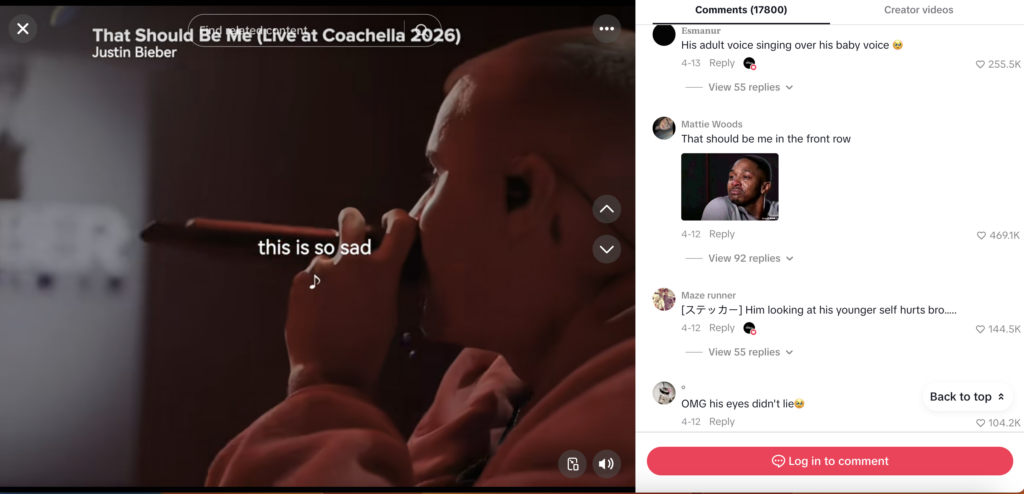
Comments on Justin Bieber’s video. Image: hitsonglyrics_1
The reason why this problem is worthy of attention is that many young people are at an important stage of the gradual formation of values, self-awareness, interpersonal relationships and identity in life when participating in star-chasing activities. Star fan culture is not necessarily negative, and it may also bring positive effects, such as inspiring inspiration, promoting creativity, building friendships, and making fans feel a sense of belonging. By participating in fan activities, young people may learn skills such as video editing, text writing, and social media communication. At the same time, it makes people feel that they are accepted and understood by people with the same interests. However, when fans’ emotional investment in stars deepens excessively, or when they feel the pressure of consumption, or even when the fan group’s sense of loyalty turns into online quarrels, fan culture may have a negative impact.
The main question of this article is: how will the celebrity fan culture in the social media environment affect the emotional attachment, online behaviour and consumption decisions of young people? The central argument of this article is that in the era of social media, frequent online interaction will constantly strengthen the emotional connection between young people and celebrities, and this connection may sometimes cause harm to young people, so that the originally ordinary appreciation gradually develops into pseudo-social relationship dependence, network antangem and pressure-driven consumption behaviour. Therefore, what really needs to be discussed is not whether young people can like celebrities, but how social media platforms and fan communities can further transform simple love into emotional burden, social pressure and commercial consumption pressure.
The first obvious impact of celebrity fan culture is that it will participate in the identity construction and community formation of young people. Young fans may associate celebrities with their values, such as self-confidence, success, hard work or emotional healing. This can make fans a form of self-expression. However, when the self-worth of fans is too closely related to the public image of celebrities, criticism of celebrities may feel like a personal attack.
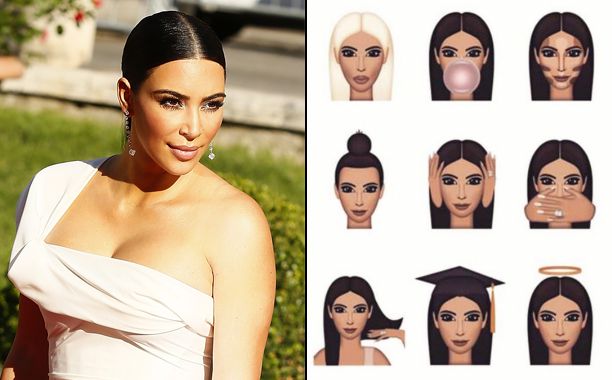
Fan-made celebrity emojis. Image: Madeline Boardman
This influence is especially obvious in the online fan community. Fans do not just consume celebrity content. They will also create and share video clips, make emoticons, reaction videos, comments and discussion posts. These activities transform young fans from passive audiences to active participants in media culture. There is a strong connection between online fan participation and celebrity worship and program investment, especially among fans under the age of 20 (Gong & Huang, 2022, p. 10-11). An obvious example is the Chinese idol competition Youth With You 3. In this program, fans are not just the audience. They actively support trainees by voting, promoting online, joining fan groups and purchasing sponsored products to get additional voting opportunities. The program later caused controversy because fans bought a large number of sponsors’ milk to scan the QR code to vote. It is reported that some milk was spilled after using the code. This case shows that the participation of online fans can go beyond ordinary viewing and become an organised emotional, social and consumer labour. It also supports the argument of this article because it shows how social media and platform systems turn admiration into stress-driven participation and consumption.
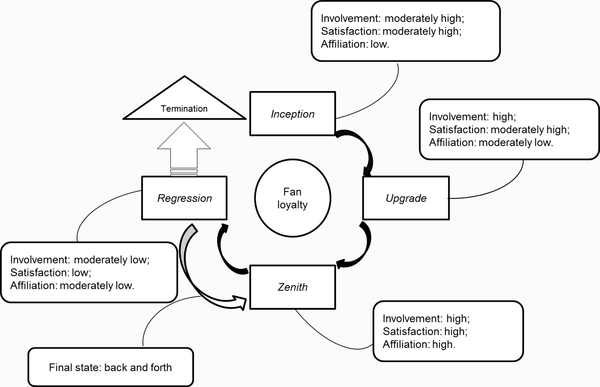
An Interpretative Framework of Fan Loyalty Development. Image: PLOS
The fan community can bring a strong sense of belonging to young people. Some young people may feel shy, lonely or misunderstood in real life, but online fan culture provides them with a common group identity. Fans will use common language, topic tags, avatars, slogans and symbolic colours to create a feeling of “we”. The fan community will form privacy rules and common expectations, making it an organisational space with social norms and emotional significance (Marsh & Lerner, 2024, p. 15-16).
Fan support. Image: erosarb
However, if fans overly build their identity on stars, it may bring emotional risks. When young people’s self-confidence depends on the success, fame or public image of a star, criticising the star may make them feel like they are criticising themselves. Star worship is not just a simple process from normal behaviour to pathological behaviour, because there are different relationships between different types of fans and anxiety, happiness and identity development (Wei & Huang, 2024, p. 1–3). Therefore, fan culture can support identity and a sense of belonging, but it may also increase emotional vulnerability.
The second important question is how social media can deepen the emotional and social relationship between fans and stars. Unlike traditional media, platforms such as TikTok, Instagram and YouTube allow fans to follow the daily dynamics, selfies, live broadcasts and personal stories of celebrities. This continuous online contact creates a sense of intimacy and makes the stars look like part of the fans’ daily life.
Social media creates a “cross-social” relationship, because fans can like, comment, leave messages, and sometimes receive replies. But this relationship is still unequal, because celebrities communicate with a large audience instead of communicating with every fan like a real private friend (Lou, 2022, p. 4-5). This supports the thesis, because online interaction can make admiration feel personalised and continuous, which may increase the emotional dependence of young fans.
This kind of emotional closeness can have a positive impact. Celebrity fan bases may inspire young fans to study harder, learn a language or become more confident. However, when fans rely on celebrity updates, achievements or public praise as the main source of emotional stability, this positive motivation becomes problematic. Pseudo-social relationships on social media can support happiness by providing social connections, coping resources and positive role models (Hoffner & Bond, 2022, p. 2–3). This means that fan culture should not be automatically regarded as meaningless or harmful.
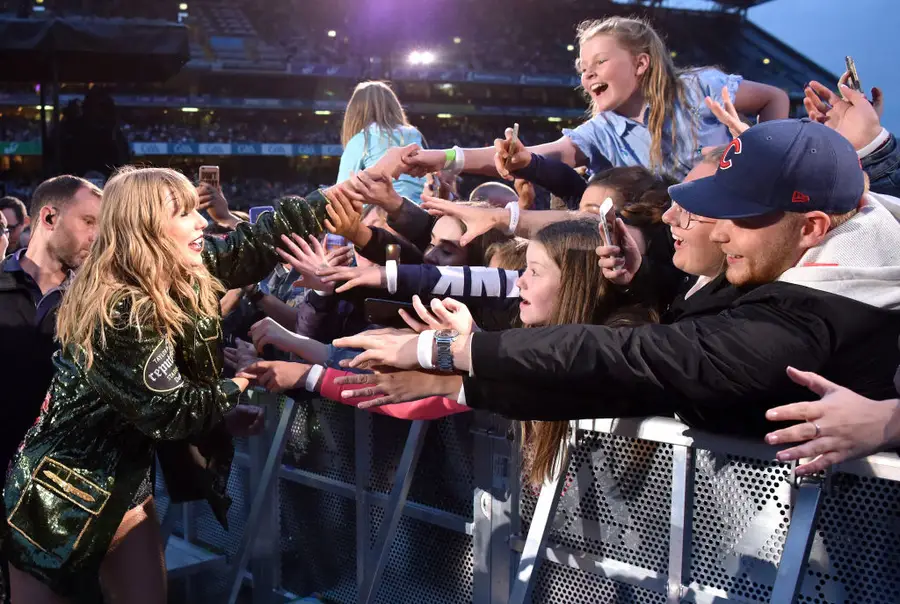
Celebrity interaction with fans. Image: Mike Spohr
However, when fans cannot distinguish the life of a star from their own emotional stability, the same emotional attachment may also cause harm. Pseudo-social relationships may produce negative happiness results, especially through harmful social comparisons and mental health stress (Hoffner & Bond, 2022, p. 4–5). There is a link between star worship and happiness, self-esteem and daily functions, and their research results show that the relationship between star worship and self-esteem may be particularly important for some young people (Zsila et al., 2021, p. 7–8).
The updated research also supports this concern. He and Liu have developed a scale to measure excessive celebrity worship in the new media era and identify some factors, such as impaired social functions, replacing real social relationships with virtual relationships, sleep and diet problems, withdrawal reactions, emotional changes, excessive purchases, and escape from real life (He & Liu, 2024, p. 1–2). This does not mean that all fan cultures are unhealthy. On the contrary, extreme star chasing may aggravate social, health and emotional difficulties.
For young people, fan culture should not be the main source of their emotional satisfaction or self-worth. It is normal to appreciate stars, but if you rely on stars’ success, awards or praise to be happy, it will be unhealthy, especially because social media updates are continuous. Fans may check the star news several times a day, which may cause anxiety and distrainment. Therefore, social media makes celebrity fan culture more intimate and emotional, but this sense of intimacy must be understood as a sense of intimacy shaped by media, business and unequal relationships.
The third important problem is that fan culture may cause online conflicts and privacy risks. Many fan communities are positive and supportive, but when stars are criticised, compared or involved in controversy, some fan communities may become aggressive. Because fan culture is closely related to identity and emotions, fans may understand criticism of stars as personal attacks on themselves. This may lead to fan wars, cyberbullying, group reports, malicious comments, and harassment of other fans, journalists, commentators or ordinary social media users.
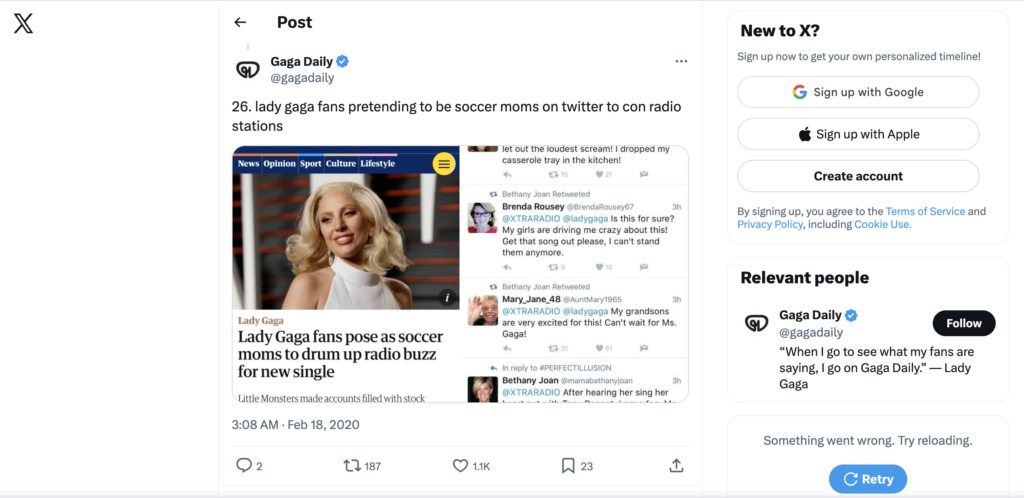
Fan conflict. Image: x.com
When fan culture becomes competitive, this behaviour will be more obvious. Fans may compete in terms of rankings, awards, views, sales, appearance standards, acting skills or the moral image of stars. Social media platforms will intensify this competition, because the numbers are publicly visible. Likes, shares, views, number of fans, rankings and hot topics will make the popularity of stars measurable. When popularity becomes visible data, fans may feel responsible for raising these figures. Therefore, fan culture may change from entertainment to labour and conflict.
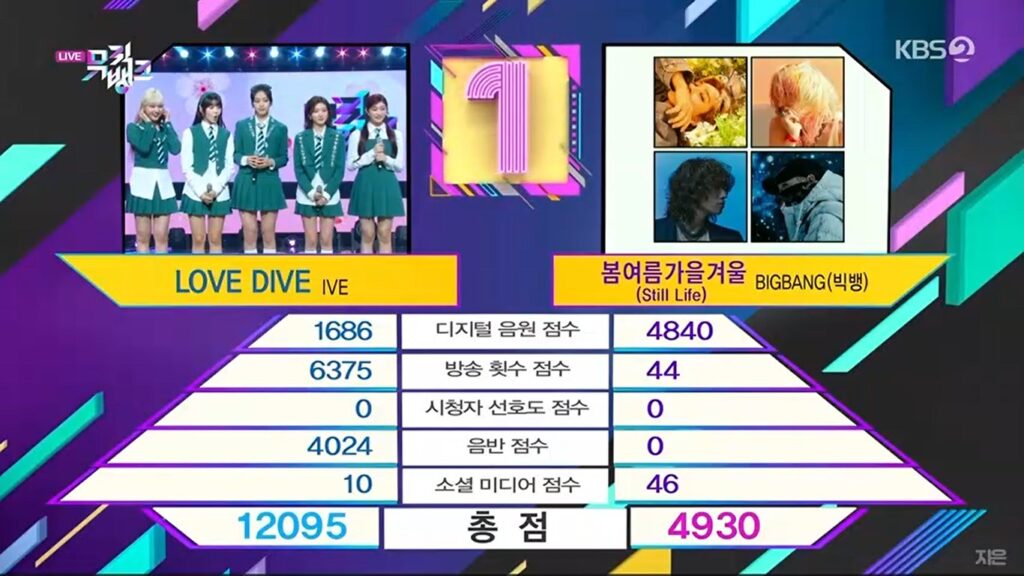
Fan vote. Image: reddit
Privacy is another serious problem. Online fan communities may face risks related to privacy, harassment and human flesh search. They also pointed out that when the platform does not provide detailed privacy controls, fans may be more likely to encounter unwanted online experiences (Dym & Fiesler, 2018, p. 1). Although their research focusses more broadly on online fan culture, this problem is still related to celebrity fan culture, because many young fans use kas, fan accounts and shared cyberspace. When a conflict occurs, users may expose personal information, screenshots, location, school information or private conversations. This may turn online arguments into real-life dangers.
Privacy is important for understanding the fan community, because harassment may put deleted, forwarded or exposed fan works and accounts at risk to users (Marsh & Lerner, 2024, p. 15). Because young fans often use fan accounts to separate their fan identity from school, family or personal identity. If this boundary is broken, online fan conflicts may affect their offline life.
Young fans may also lack enough experience to protect their digital privacy. They may share personal emotions, photos, or location information on their fan accounts. They may also join a group chat composed of strangers because of their common celebrity interests. Although this can bring friendship, it may also expose young people to manipulation, fraud, harassment or emotional pressure. In some cases, the fan community may require members to participate in collective action, such as attacking critics, voting collectively, buying products, or defending a star at all costs.
This does not mean that all fan communities are toxic. Many fan groups will make rules, protect members, organise charity projects, and support new fans. A healthy fan culture should allow differences, humour, criticism and privacy boundaries. Therefore, excessive celebrity fan culture may turn ordinary appreciation into cyber attacks and privacy damage.
Another important issue is the relationship between fan culture and consumption. In modern star culture, emotional attachment is often transformed into economic value. Fans support stars by purchasing albums, concert tickets, peripheral products, magazines and celebrity endorsement products. Entertainment companies and brands understand this emotional loyalty and often design products that encourage repeat purchases. For example, the album may have multiple covers, random cards, limited editions, fan meeting lottery qualifications, or exclusive online benefits.

Korean group album. Image: amazon
This will put pressure on young fans. On the one hand, buying products can be a normal and enjoyable part of fan culture. Fans may cherish an album, a poster or a concert ticket because of its emotional significance. On the other hand, fans may also feel that they have to spend money to prove their loyalty. The concept of “real fans” may be associated with purchasing power. This is problematic because many young people do not have a stable income, but they may still feel pressured that they must meet the expectations of the group.
Concert venue
Marginal pathological star worship can positively predict impulsive buying intentions, which shows that there is a connection between strong celebrity attachment and consumption behaviour (Chen et al., 2022, p. 4–5). Consumption-oriented star worship. Fans may spend money, time and emotion to help idols get more votes, which may lead to wasteful behaviour (Gong & Huang, 2022, p. 11). Because the excessive star worship scale lists “excessive purchase” as a factor in problematic star worship behaviour (He & Liu, 2024, p. 1–2). These studies show that consumption is not just an external result of fan culture. It may also become an emotional and behavioural pattern of excessive worship.
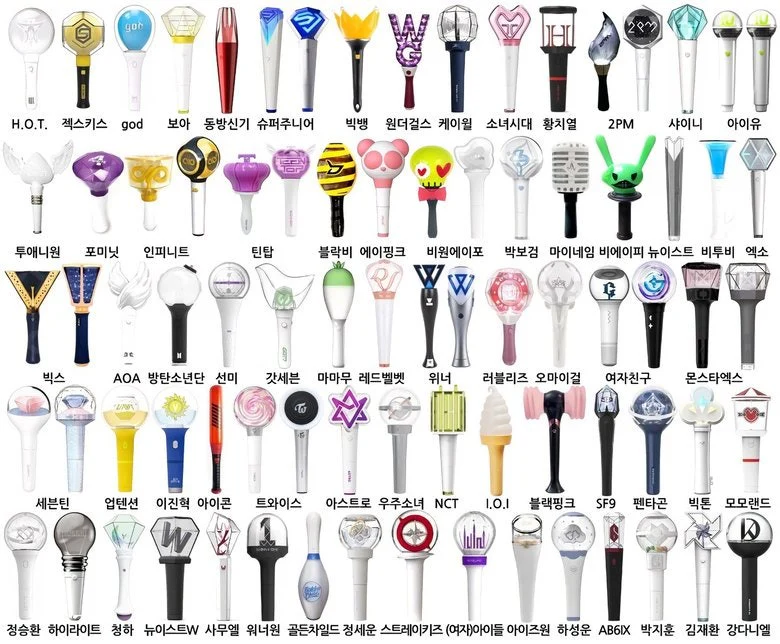
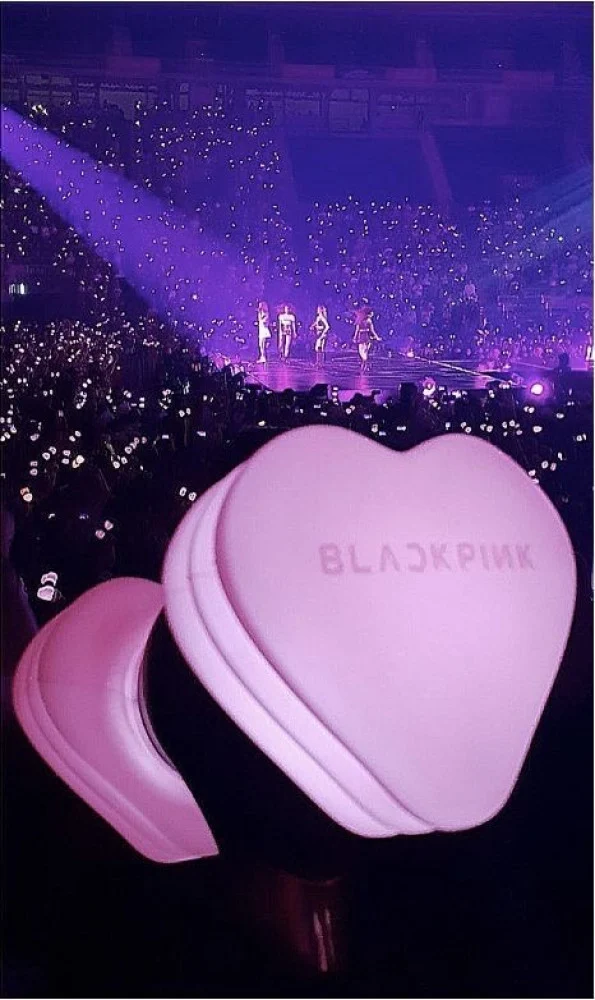
Korean group light stick. Image: Kpop Planet
This raises ethical issues for the entertainment industry. If the company knows that young fans will have emotional attachment, should they create continuous consumption pressure? Should the platform make the voting and ranking system more transparent? And do schools and families teach media literacy? Because the fan culture is shaped by the business system.
In general, celebrity fan culture is a complex social and media interaction. It can help young people build identity, find groups, express creativity, and get emotional support. However, it may also cause harm when emotional appreciation becomes attachment, loyalty becomes cyber attacks, privacy is ignored, or brings consumer pressure. The key question is whether young fans can maintain balance and boundaries. A healthy fan culture should allow appreciation but not be addicted, participate but not be controlled by stress, and maintain but not attack others.
 TianYuran
  Lu Yunyan
  Pauleen