
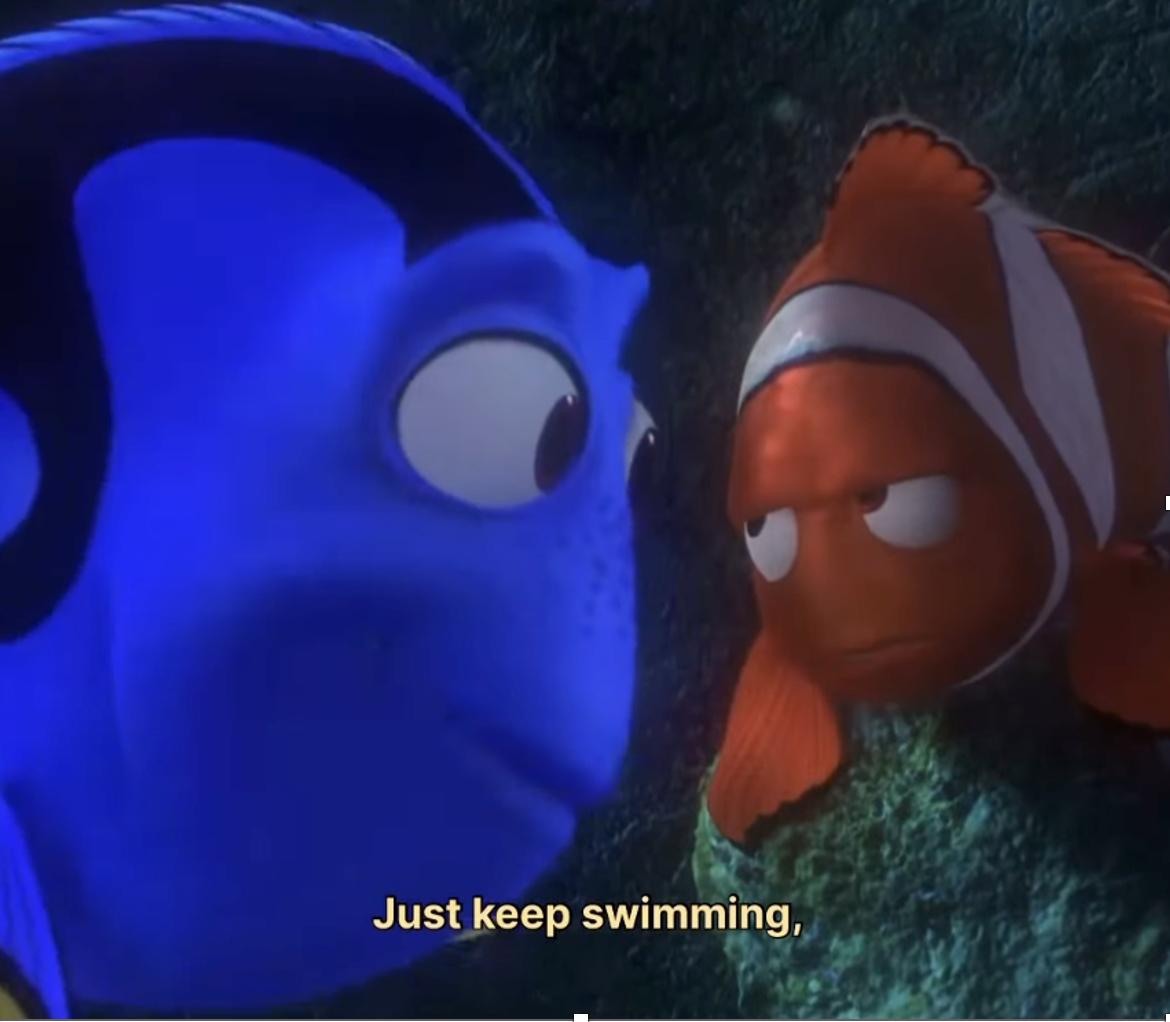
When watching animated shows, it’s easy for us to understand where the story is going if we can hear. The tone of voice, sudden fluctuations in pitch, background sound effects and supporting music. Those are all indicators to know what the animated characters are trying to tell us and it makes it easy to enjoy what we’re watching. That isn’t the case for Deaf or Hard of hearing audiences. They mostly rely on reading subtitles or captions to understand what the characters are saying and follow the storyline. Sure, they can see where the characters are and what they’re doing to provide context clues but they still would not understand the emotional circumstances being conveyed. Chrissy Marshall is a TikTok Deaf influencer who posts educational videos about Deaf culture within social situations or spreading awareness about deaf-own businesses. She shared a video about how it is mind-blowing how hearing audiences can recognise certain character’s voices while watching animated shows which gives them different context clues to follow the storyline. This creates a gap in experience when watching animated shows as hearing audiences rely on sounds to understand the plot whereas deaf audience rely on facial expressions and body language. Also, captions can either be inaccurate or unavailable which can lead kids who are deaf or hard of hearing to get frustrated or lose interest. That puts parents of young deaf audiences in a difficult position to find another animated show to entertain their hearing impaired children.
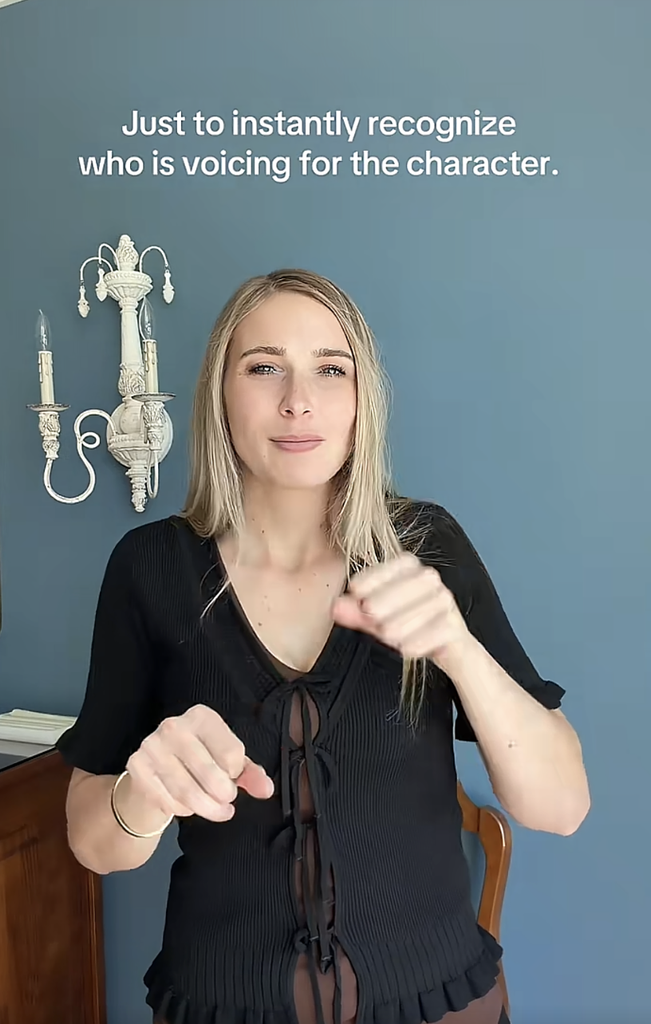
Credit: Chrissy Marshall (Instagram)
Using captions to watch animated shows is one of or maybe the main form of accessibility for deaf audiences. There are closed captions and normal subtitles which allows Deaf audiences to understand and follow the storyline. People who are deaf or hard of hearing may also read captions while watching their favourite animated shows as a technique to hone their English literacy skills. However, captions can sometimes be inaccurate or unavailable on certain streaming platforms, limiting the options that deaf audiences have in terms of what they can watch. Do note that audiences who are hard of hearing still prefer having certain background sound effects and music from animated shows. This is just to provide more context and thinning the boundaries of being totally cut out from enjoying the shows audibly. Subtitles for Deaf or Hard of hearing audiences (SDH) are specifically catered to those who are severely hearing impaired and depend on reading subtitles for context clues. SDH include texts describing sound effects such as [door creaking] and [thunder rumbling]. SDH prove to be a valuable asset to help Deaf audiences follow the storyline while watching animated shows especially since animated characters don’t exactly resemble accurate facial expressions at times. Even so, there is still that disconnection in terms of emotional understanding. Deaf audiences rely on their eyes to understand and be aware of what messages are being conveyed. Animated characters in general shows do not exaggerate their facial expressions and body language, leading Deaf audiences to easily get lost in what the character is feeling and thinking. Sure, the background setting can provide context clues but if deaf audiences are limited of their ability to understand what characters are feeling in animated shows, they miss out on genuinely connecting with the show. Long Story Short, is a Netflix animated show that includes fast-paced and overlapping dialogue with no subtitles specifically for Deaf audiences, (SDH), and lacks sign and body language. This is an example of an animated show that explores more fast-paced dialogues as an aesthetic to engage viewers. Yet, having animated characters with restricted facial expressions, Deaf audiences might end up rupturing their corneas in attempt to follow the dialogue with still little to no success of at all understanding. Unfortunate. Without clear body language, deaf people experience gaps in fully understanding situational and emotional context in animated shows.
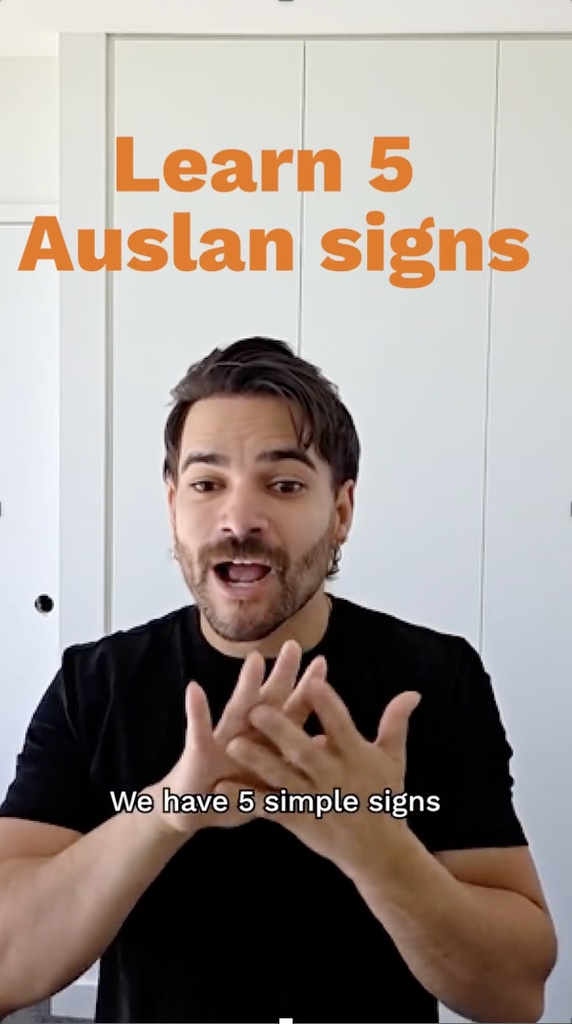
Credit: connecthearingau (Instagram)
Notably, watching body language and facial expressions are crucial for Deaf and Hard of hearing audiences. Those who are hearing impaired usually analyse facial expressions and read body language to understand context clues especially when watching animated shows. Gaining these observational skills allows them to also understand how to act within social situations in real life. Seeing a Deaf person or visual representation of how they interact in social situations influences how young Deaf audiences depict the social representations of Deaf culture within society. By watching how a Deaf person is socialising with and being treated by the general public who are not deaf, it teaches young Deaf audiences how to act in social situations in a way that does not alienate their disability in an off-putting perspective. This helps them gain confidence in learning their way to interact with others despite disability differences and navigate through society more naturally. An animated show, called Bluey, has recently started streaming a version with Australian sign language or Auslan which has an interpreter translating verbal conversations for Deaf audiences. Auslan provides an effective form of communication for Deaf people to use daily so Bluey, although catered to children, teaches those still learning Auslan in an engaging manner. This allows them to learn in an environment that is relatable to those who also watch the original version of Bluey, providing a positive outlook in learning sign language. Having animated shows such as Bluey also helps those who are unfamiliar with Deaf culture to further understand the perspective of being a hearing impaired person within society, including how they interact in social situations, live their lives and debunk typical stereotypes about Deaf people. Watching these shows clarifies what type of interactions with a Deaf person is appropriate and what is disrespectful or off-putting. By learning more about Deaf culture and sign language, it becomes more natural to learn basic signs in Auslan, and educates audiences without inducing as much stress as being in a school setting. So, watching animated shows with visual representations of Deaf culture and people educates audiences, deaf or not, about how Deaf culture ‘fits’ within society and introduces Auslan sign language, which could potentially break down language barriers if sign language was normalised.
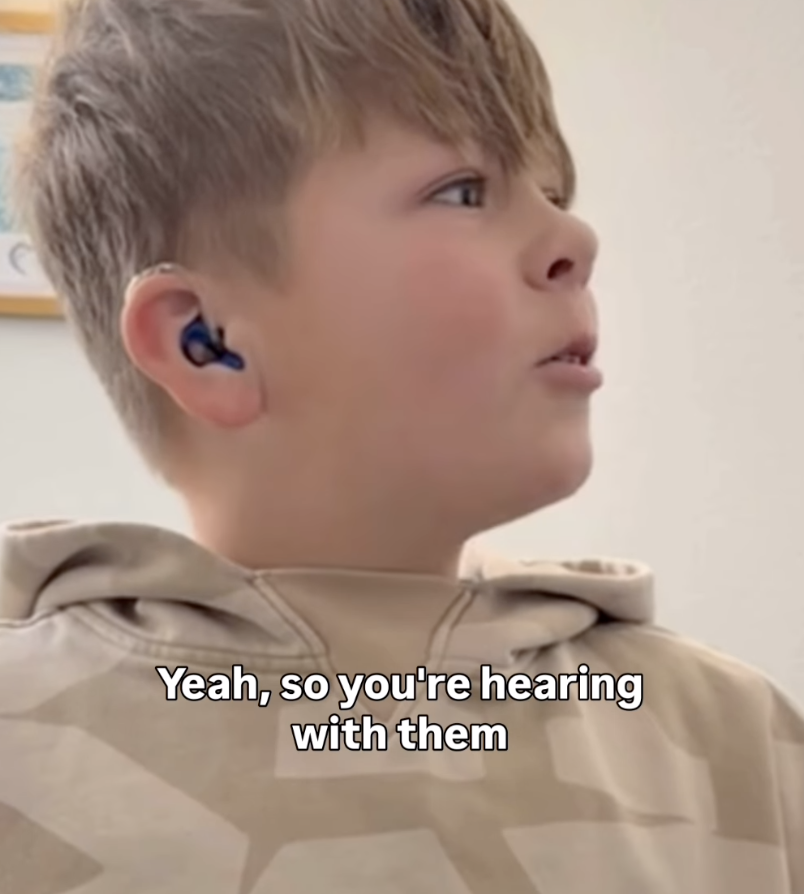
Credit: dogood (Instagram)
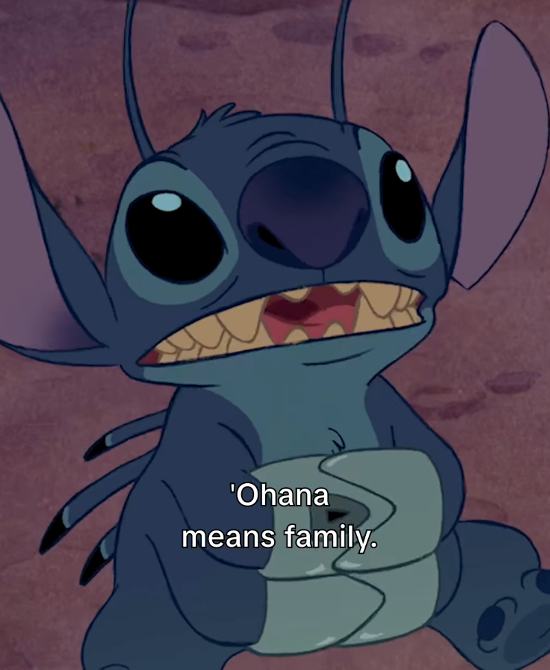
Animated shows with visual representations of Deaf culture and people brings a sense of community for those who are hearing impaired, especially those who are still navigating their way into society. The more deaf representation there is, the more exposure of deaf culture will be circulating throughout society, eventually making certain aspects of Deaf culture like basic Auslan signs to upgrade from niche to general knowledge. This makes people who are deaf or hard or hearing feel more seen and understood as more people learn about their culture especially since their disability is invisible. With more people learning basic sign language, it allows the Deaf community to feel more connected to society and in turn, bringing a sense of community. Not only will this reduce the amount of alienating people with disabilities, it will debunk stereotypes that disabled people would slow down or cause issues during social aspects like employment. It will alter mindsets to understand that Deaf or Hard or Hearing people might just need a different working system that suits their needs and improve productivity in a workplace. This would be different for hearing impaired people using hearing devices such as cochlear implants as they may not rely on sign language as much. In saying that, those with hearing devices who also watch animated shows with visual Deaf representation can still learn the importance of sign language and clear facial expressions to communicate effectively within social situations.
Credit: Disney (Instagram)
This brings back to how Deaf representation goes beyond captioning in animated shows, through using captions catered to hearing impaired audiences such as SDH captioning with texts explaining sound effects to provide context clues. Again, note that Hard of Hearing audiences still prefer turning on background music and sound effects for animated shows.This includes how captions has been one of the main accessibility for Deaf audiences to watch animated shows which then becomes a way for them to improve their literacy skills. Deaf representation educates young audiences or those who are unfamiliar with Deaf culture more about how Deaf people navigate through society with their disabilities and debunk stereotypes. Alongside learning more about Deaf culture, Deaf audiences and the general audience can learn more about the Auslan sign language which can bridge effective communication between anyone with those who are hearing impaired. Even Deaf or Hard of Hearing audiences who use hearing devices such as cochlear implants can still understand and learn the importance of body and sign language to communicate effectively within society. By watching, learning and exposing the importance of clear facial expressions and body and sign language towards the general audience, it allows Deaf audiences to feel more included within a society that is more aware of Deaf culture and basic sign language, thus, bringing a sense of community overall. On that note, captioning for Deaf audiences is not just an accessibility, it’s a way for them to connect and belong in a society despite differences in physical ability.
 Damien Humphrys
 Alessia Arcaro
 Victoria Katris