
When director duo Phil Lord and Christopher Miller announced they were adapting Andy Weir’s best-selling novel Project Hail Mary, expectations were exceptionally high. Following the success of Weir’s previous adaptation The Martian, sci-fi fans wondered if lightning could strike twice.
Released in theaters worldwide in March 2026, the film follows Ryland Grace, a middle-school science teacher who wakes up from an induced coma on a spaceship with total amnesia.
As his memories return, Grace discovers that an alien organism named “Astrophage” is consuming the Sun’s energy. To save Earth from extinction, he must travel to the Tau Ceti star system to find a solution.
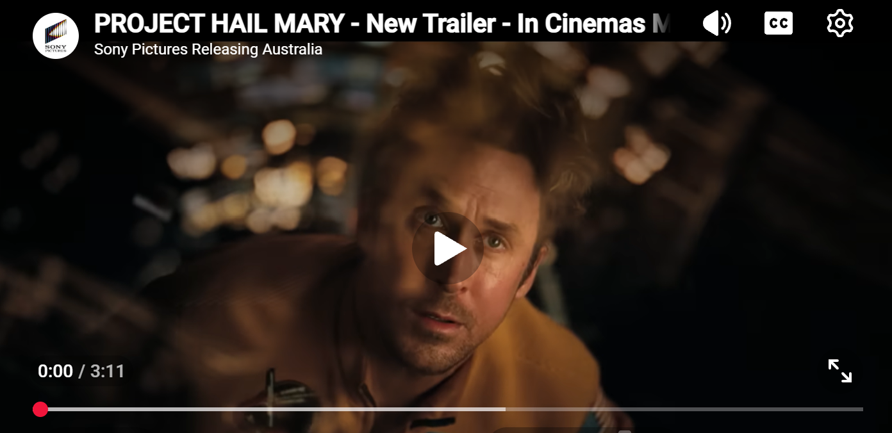
By avoiding pure spectacle in favor of meticulous problem-solving and emotional depth, the adaptation delivers a remarkably cohesive cinematic narrative. The film balances hard-science mechanics with personal stakes, testing high-concept ideas against the demands of popular entertainment. Instead of relying on passive exposition or convenient plot shortcuts, the story builds momentum by treating human intelligence, resilience, and connection as its main dramatic drivers. When measured by its technical execution and narrative focus, the adaptation proves to be a resounding achievement.
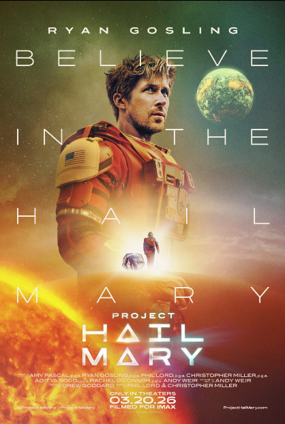
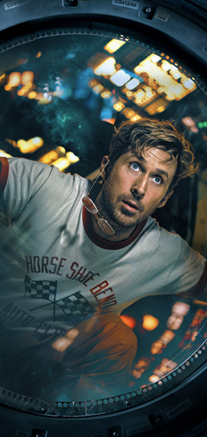
The first major test for any hard sci-fi narrative is whether its scientific logic holds up under pressure. Screenwriter Drew Goddard structures the story around believable trial-and-error chemistry, physics, and biology. Rather than relying on magic technology, every problem Grace faces is solved through real scientific principles. The narrative effortlessly moves between his high-pressure experiments in space and ground-based preparations led by project director Eva Stratt, played by Oscar nominee Sandra Hüller. This clever structure turns technical challenges into thrilling, high-stakes cinematic moments that keep the audience engaged.

The narrative relies heavily on a genuine human emotional connection so the story does not feel like a cold, detached textbook lesson. Ryan Gosling delivers a brilliant performance, portraying Grace’s fear, curiosity, and humor in a grounded and relatable way. Carrying a film almost entirely on one’s own shoulders in an isolated setting is a major challenge, but Gosling’s natural charm keeps the viewer deeply invested. This emotional resonance is further enhanced by composer Daniel Pemberton‘s musical score, which mirrors Grace’s psychological journey through space. However, a noticeable flaw arises in the third act, which relies on rapid, heavy-handed verbal exposition to resolve its complex scientific climax. As analyzed in Screen Rant‘s coverage, this abrupt shift in pacing temporarily disrupts the movie’s established rhythm and weakens the tension built during the first two acts. Nevertheless, this minor flaw does not completely undermine the powerful emotional bond established between the protagonist and the audience.
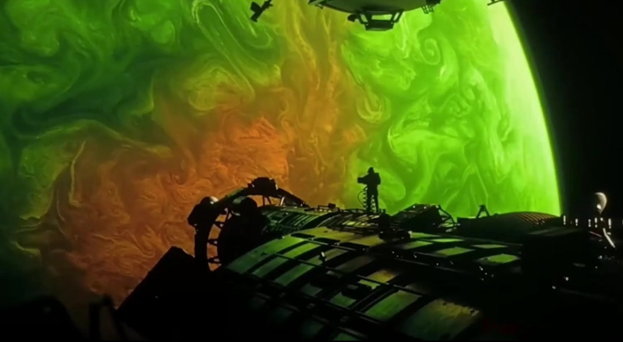
Finally, a great film must excel in its production design and technical execution. Industry reports on Variety’s Golden Trailer Awards Report and agency signing news on Deadline’s James Ortiz Artists First Article show how heavily studio backing relies on star-led, concept-driven narratives. The filmmakers also drew on real-world spaceflight expertise, including NASA’s input, to give the film’s scientific and zero-gravity elements a more convincing sense of realism. Furthermore, critical evaluation on The Hollywood Reporter’s Project Hail Mary Review, craft analysis on IndieWire’s Costume Design Feature on Ryan Gosling’s Sweaters, and original production coverage on Empire’s Ryan Gosling Astronaut Drama Announcement highlight how practical set designs and casting choices give the film a believable, functional feel.
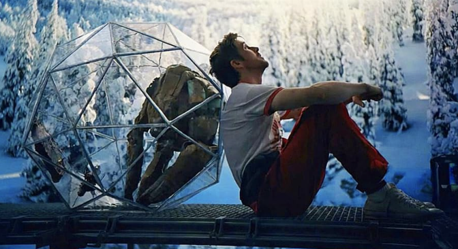
Ultimately, Project Hail Mary satisfies all three criteria of great science fiction storytelling. It combines authentic science, compelling human emotion, and outstanding visual craft into a unified, logical experience. By meeting these high standards so effectively, the film earns its place as one of the best cinematic achievements of 2026. Moviegoers seeking a story that combines smart problem-solving with true emotional heart should definitely catch this adaptation in theaters.
Amazon MGM Studios:
 Tilly Bunnage
  Josh
Josh  Idea Phochaiya