
For three days before the art world gathers in Basel, Zurich turns its galleries, institutions, streets (and some rather more private rooms) into a meeting place for contemporary art.
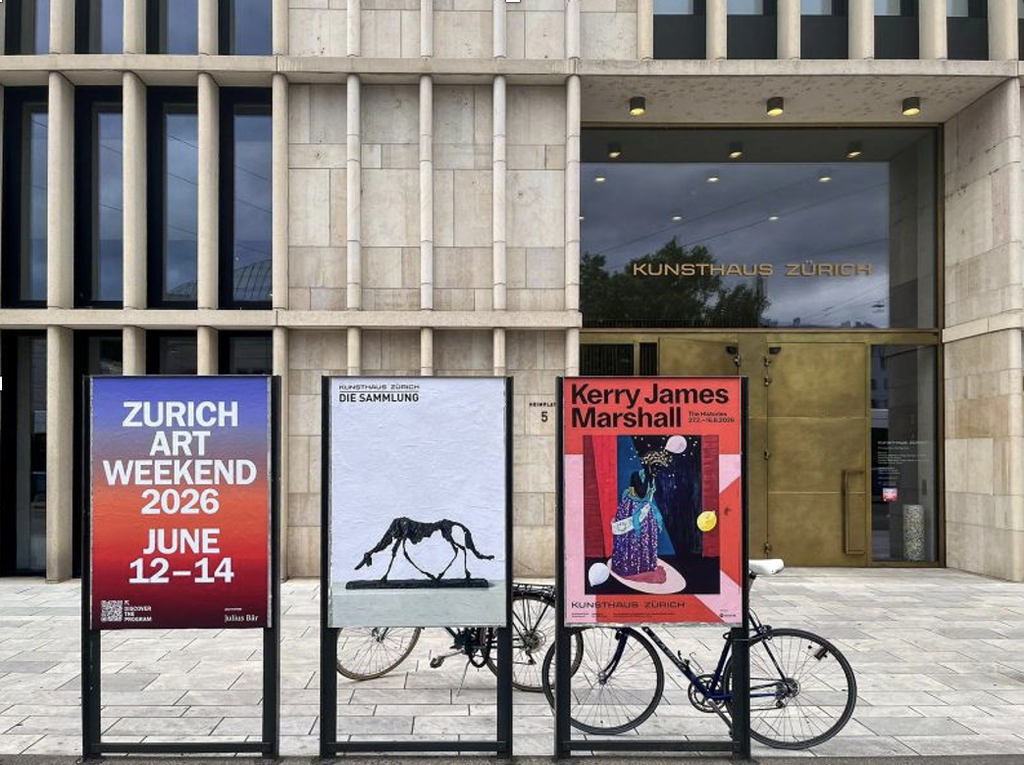
Impression from Zurich Art Weekend: Kunsthaus Zürich, © Staubli, B, ZAW 2026
Late on a June evening in Zurich, the galleries may have closed, but the art weekend has not. Conversations continue over drinks; collectors who have crossed paths before introduce friends to friends, and the distance between looking at art and talking about it begins to disappear. I first encountered Zurich Art Weekend this way in 2024. I was travelling through Europe with my family on our way to Art Basel when family friends, themselves collectors, invited us to one of the weekend’s private gatherings. I expected more art. I did not expect to meet the person I would fall in love with, who would eventually move with me to the other side of the world.
That is a very personal outcome, but it captures something Zurich Art Weekend understands well: art does not only happen in front of the work. It happens around it.
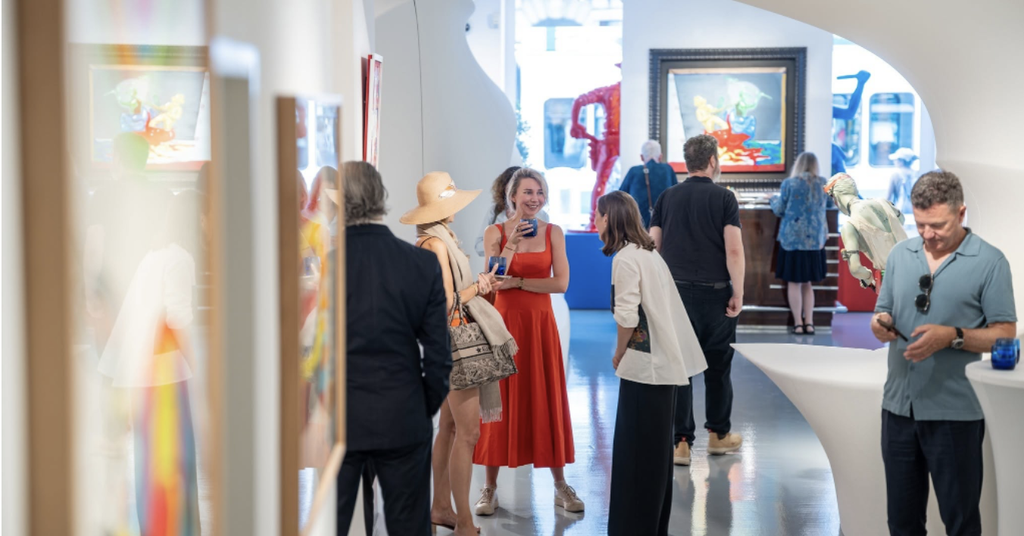
Image courtesy of Zurich Art Weekend, via Facebook
From 12 to 14 June 2026, Zurich Art Weekend returned for its ninth edition, bringing together more than 150 artists, 75 exhibitions and 150 events across over 70 venues. The public programme was largely free and open to all, moving between galleries, museums, foundations, universities, publishers and off-spaces rather than taking place inside a single fair hall.
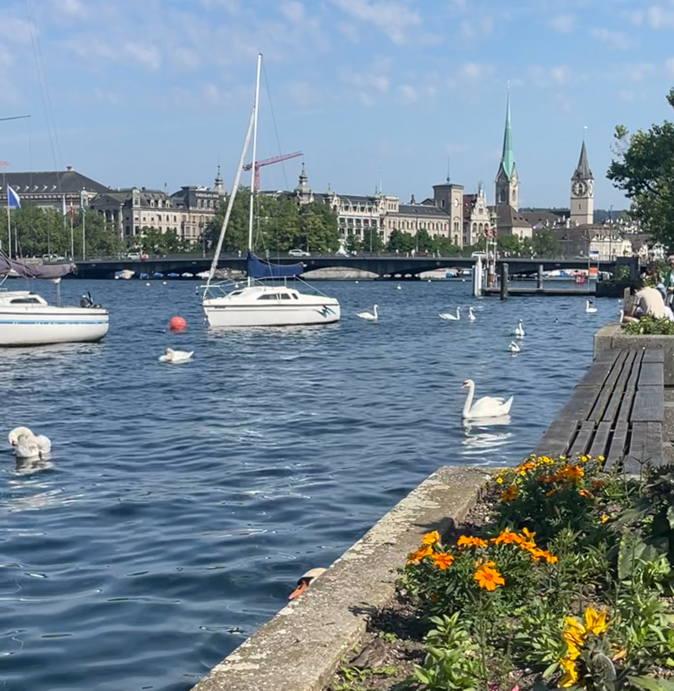
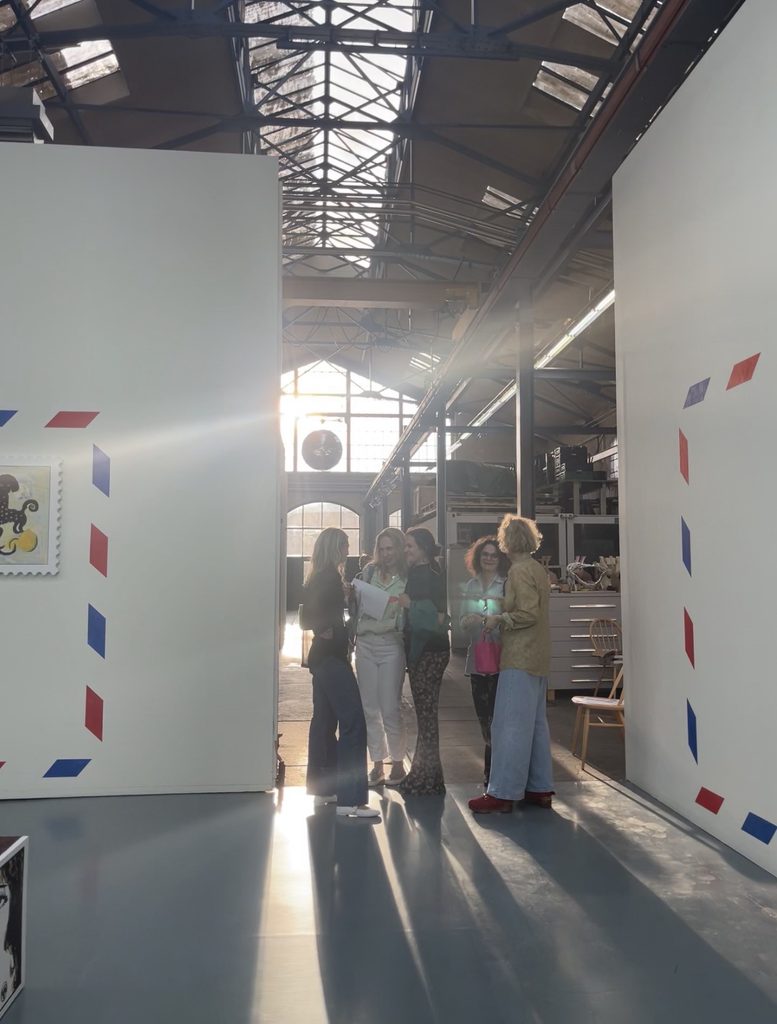
Zurich in June. Photographs by author
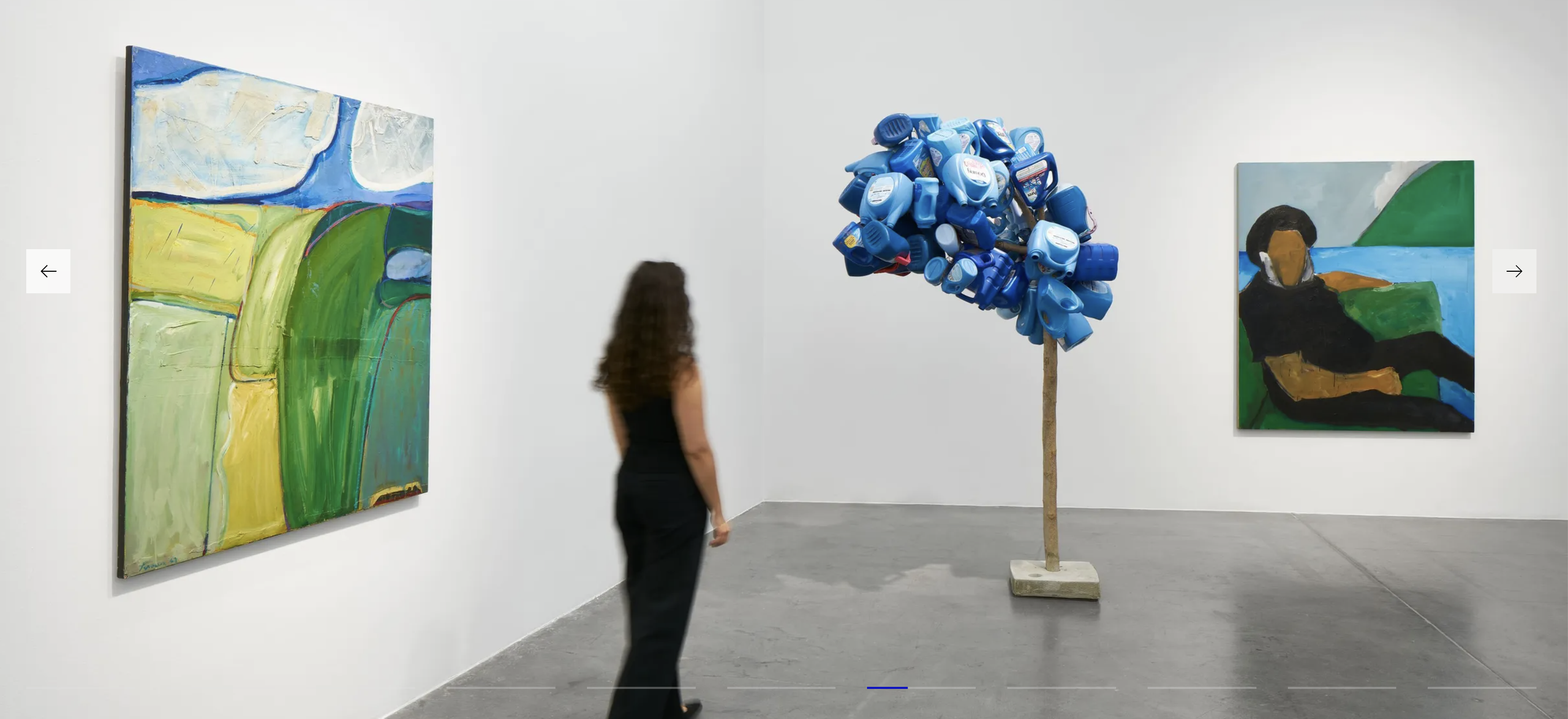
Exhibition view: James Jarvaise and Henry Taylor, Sometimes a straight line has to be crooked, Hauser & Wirth, Zurich, 2026. © The Estate of James Jarvaise / © Henry Taylor. Courtesy the estate, the artist and Hauser & Wirth. Photo: Jon Etter.
Only days later, the international art world gathered in Basel for Art Basel, widely regarded as the world’s leading modern and contemporary art fair. Founded in 1970, it began with 90 galleries and more than 16,000 visitors. Its 2026 edition brought together 290 galleries from 43 countries and territories and welcomed 90,000 visitors.
That timing is part of Zurich Art Weekend’s appeal. Collectors, advisers, curators and gallerists already travelling to Switzerland for Basel have a reason to arrive earlier. Artsy’s 2026 guide described the weekend as an “ideal pit stop” before Basel and noted that Zurich has one of Europe’s densest gallery scenes. Rather than an alternative to Art Basel, Zurich becomes an extension of the journey, offering a more local, contemporary and layered view of the art world.
That becomes visible in the programme. Curated art walks lead visitors through neighbourhood galleries and off-spaces. Research tours from Zurich University of the Arts (ZHdK) use Zurich itself as material.
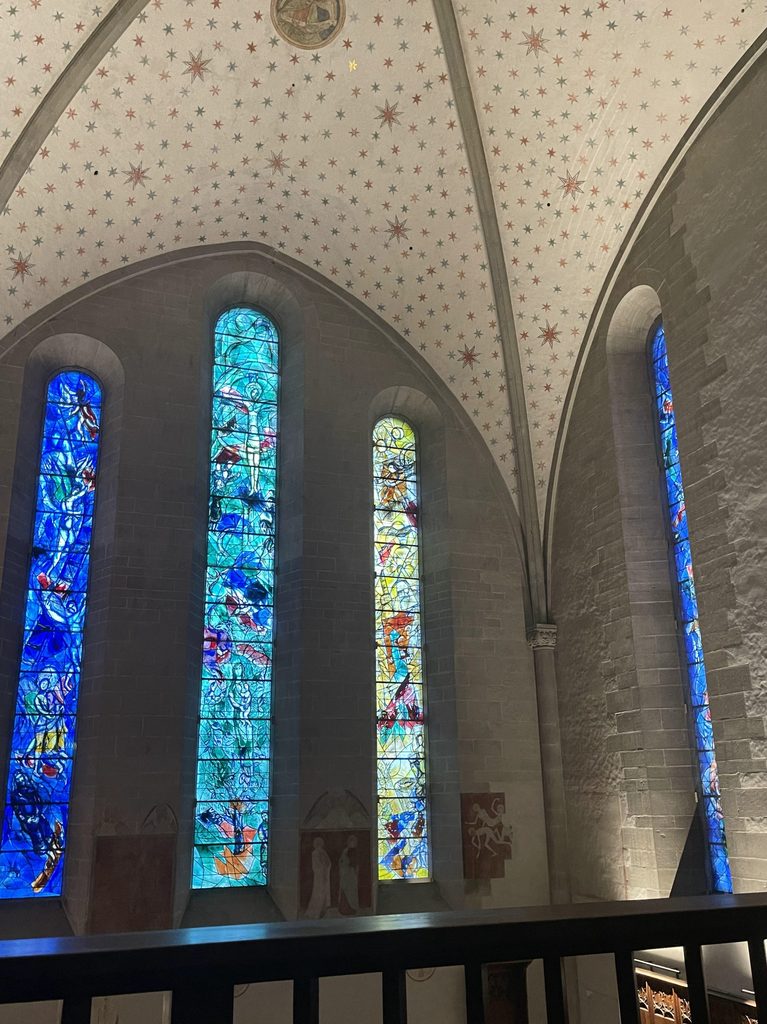
Reframing the Sacred connected contemporary practice with the city’s church-art history, from Augusto Giacometti to Marc Chagall’s stained-glass windows at the Fraumünster and Sigmar Polke at the Grossmünster. Chagall’s five-part stained-glass cycle and rosette were created for the Fraumünster in the 1970s and remain among Zurich’s best-known works of public sacred art.
Marc Chagall’s stained-glass windows at the Fraumünster, Zurich. Photograph by author.
Another walk through Oerlikon and Seebach traced public works by Fischli/Weiss and Olafur Eliasson against Zurich’s changing urban landscape. Cabaret Voltaire, where Hugo Ball and Emmy Hennings founded Dada in 1916, still operates as a cultural venue for temporary exhibitions, contemporary art and debate rather than merely a historical monument.
Yet the weekend never feels nostalgic. The 2026 programme moves easily between Zurich’s artistic history and its contemporary scene, from established institutions to galleries, performances and independent spaces. ArtMajeur’s coverage of Zurich Art Weekend 2026 similarly presents the weekend as a citywide platform for contemporary art and exchange. Past editions have also brought major international artists into that exchange; in 2024, media artist Refik Anadol joined ZAW’s Art + Science Talks for a discussion on the future of art and AI.
Founding director Charlotte von Stotzingen has described Zurich’s strength as a “culture of exchange”, a quality the weekend makes especially visible.
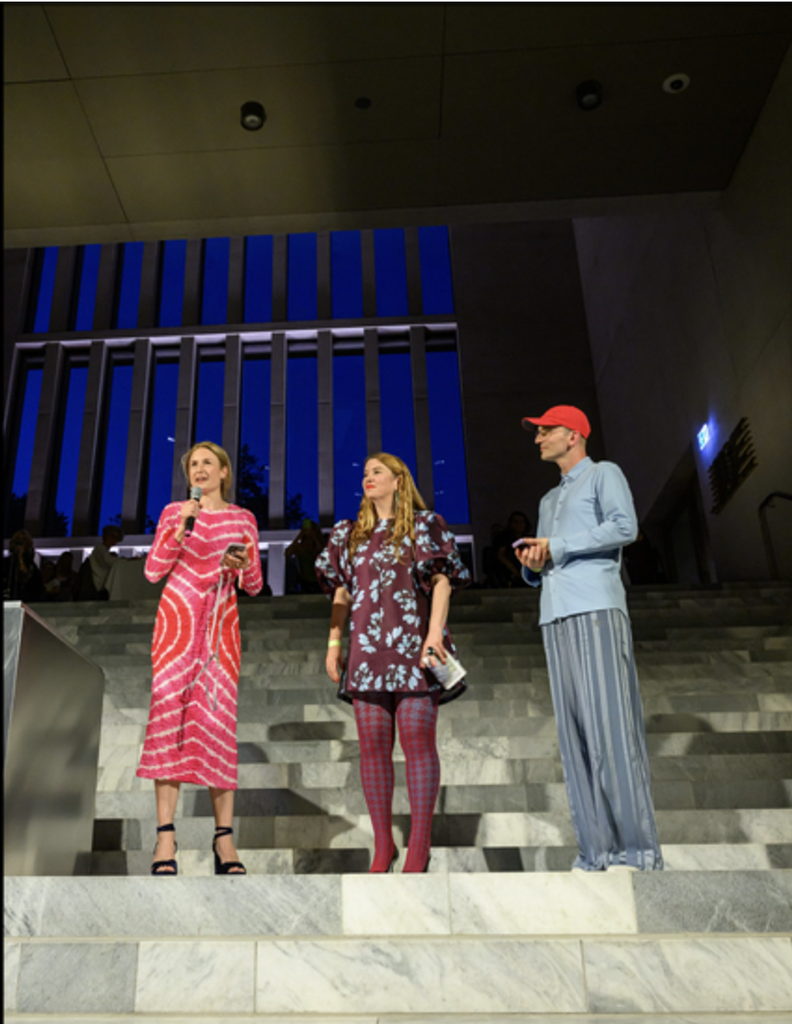
Charlotte von Stotzingen, Zurich Art Weekend Gala Dinner, Kunsthaus Zürich, 2026. Photograph by Michaël Huard / Say Who.
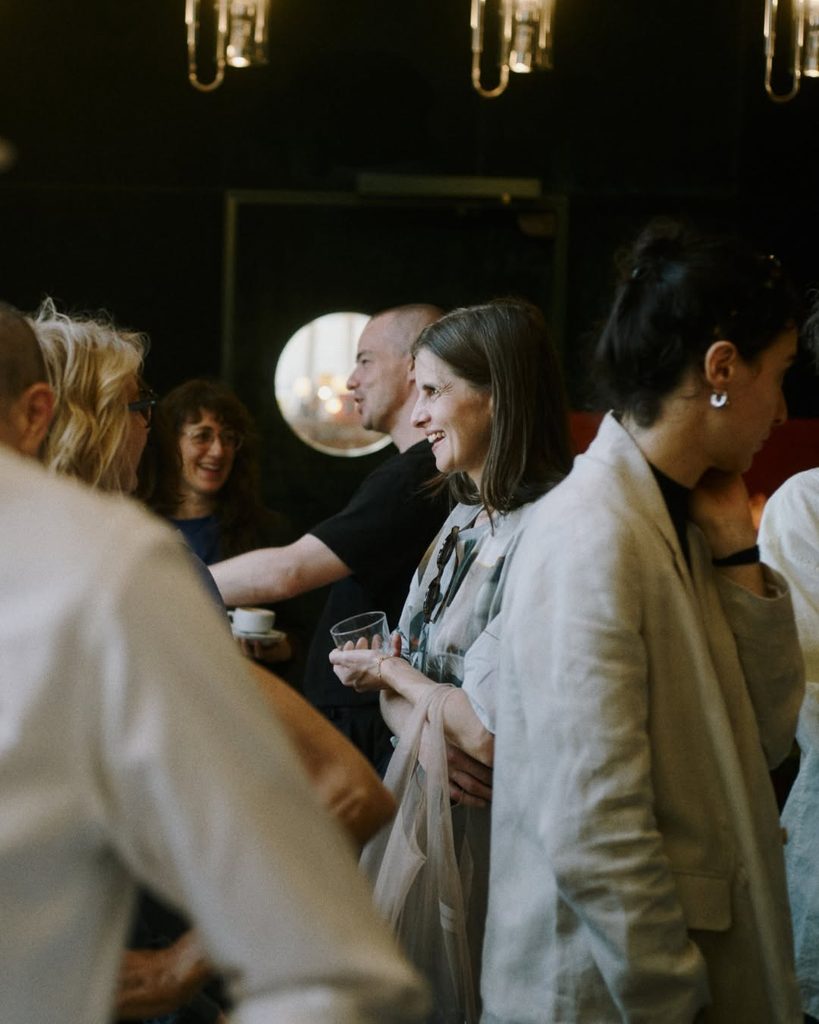
Image courtesy of Zurich Art Weekend 2026, via Facebook
It also has a deliberately private side.
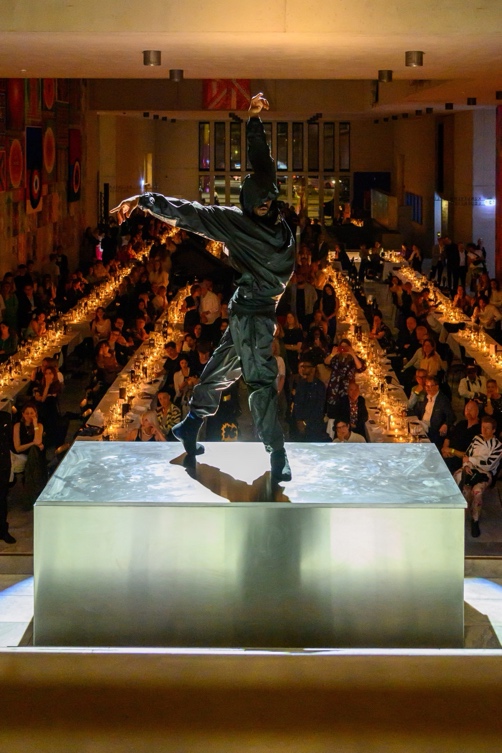
Zurich Art Weekend Gala Dinner, Kunsthaus Zürich, 2026. © Michaël Huard / Say Who.
The official VIP programme offered more than 50 invitation-only events, including artist studios, private and corporate collections, exhibition previews, city walks, cocktails and dinners. Its annual VIP Dinner and Party brings together more than 450 collectors, patrons, artists, curators and institutional directors at Kunsthaus Zürich. There is prestige in this world, and a distinctly Swiss kind of discretion: invitations matter, introductions matter, and some of the most consequential conversations happen away from the public programme.
That contrast is what makes Zurich Art Weekend compelling. It is open and exclusive, deeply local and unmistakably international, historically rooted and insistently contemporary. Art Basel shows what the international art world brings together. Zurich Art Weekend shows where an art world actually lives: in its institutions and collections, but also in its streets, histories, conversations and people.
 Michael Chiodo
 Bryana McGowan
 Audrey James