
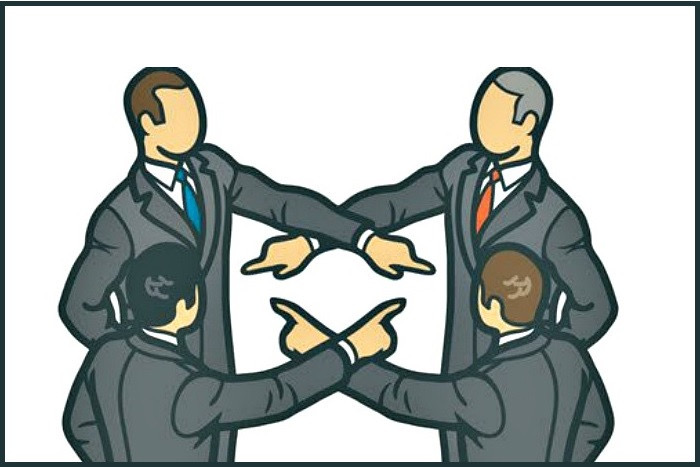
If I had to pick one trait that’s disappearing from modern society, it wouldn’t be resilience or hard work it would be accountability.
Somewhere along the way admitting you’re wrong has become a weakness instead of a strength. Whether its social media influencers, politicians, celebrities, or even people we know, the first response to criticism often isn’t reflection, its deflection. Theres always someone else to blame, the algorithm, the economy, bad luck, the teacher, the referee, or cancel culture. Rarely do we hear the simple words “I was wrong”.
Maybe that’s because taking responsibility is harder than we think. Psychologists call it the ‘self-serving bias ‘ which is our tendency to credit ourselves when things go well but blame external factors when they don’t. in ‘Exploring causes of the self-serving bias ‘ Shepperd, Malone and Sweeny explain that this bias is a normal part of psychology. That doesn’t excuse avoiding responsibility, but it helps explain why genuine accountability feels so uncommon. If our brains naturally protect our ego, then owning a mistake becomes a conscious choice rather than an automatic reaction.

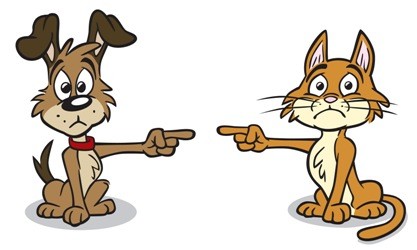
Social media only amplifies the problem. Every mistake is public, permanent and open to thousands of opinions. Instead of encouraging honest apologies online culture rewards carefully crafted statements that protect reputations. Looking perfect has become more valuable than being honest.
I also think we’ve confused accountability with punishment. The London school article ‘the blame game; whose fault is it?’ argues that people are more likely to admit mistakes when organisations focus of learning instead of assigning blame. That idea stuck with me because it changes the conversation. Accountability shouldn’t mean humiliation; it should mean growth.
“when it comes to accountability, its often framed as ,im right youre wrong, when realistically, thats not what drives the conversations- emotions do“
pontusaxis-reddit thread
Even scrolling through reddit, you’ll find countless discussions from people frustrated that friends, family members and coworkers refuse to own their actions. While those conversations aren’t scientific evidence, they show that this isn’t just my opinion, it’s something many people are noticing in everyday life.
Of course, saying that ‘ most people lack accountability’ is intentionally provocative. plenty of people quietly accept responsibility every day. But I still believe accountability is becoming rare enough that it stands out.
In a world where everyone wants to appear right, the strongest people aren’t the ones who never fail but the ones willing to say ‘that was my fault. I’ll do better next time’.

 Ava Northcott
  Victoria Katris
  Maya Pizzirani