
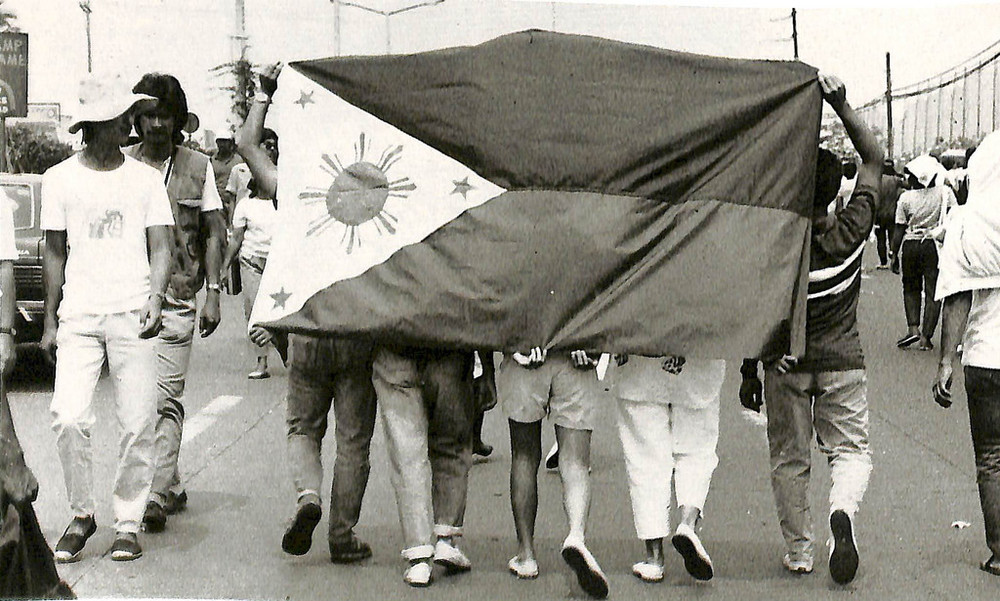
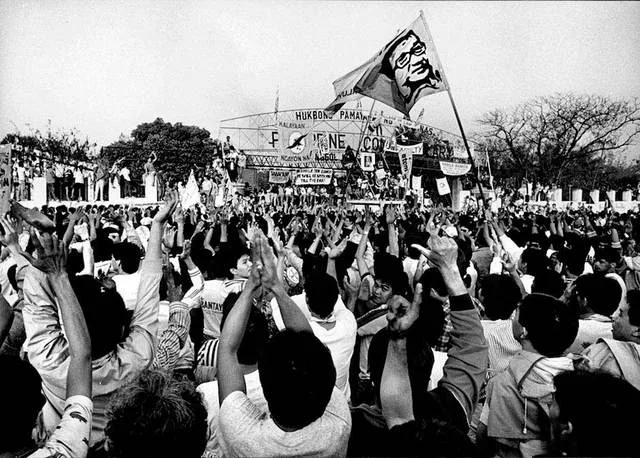
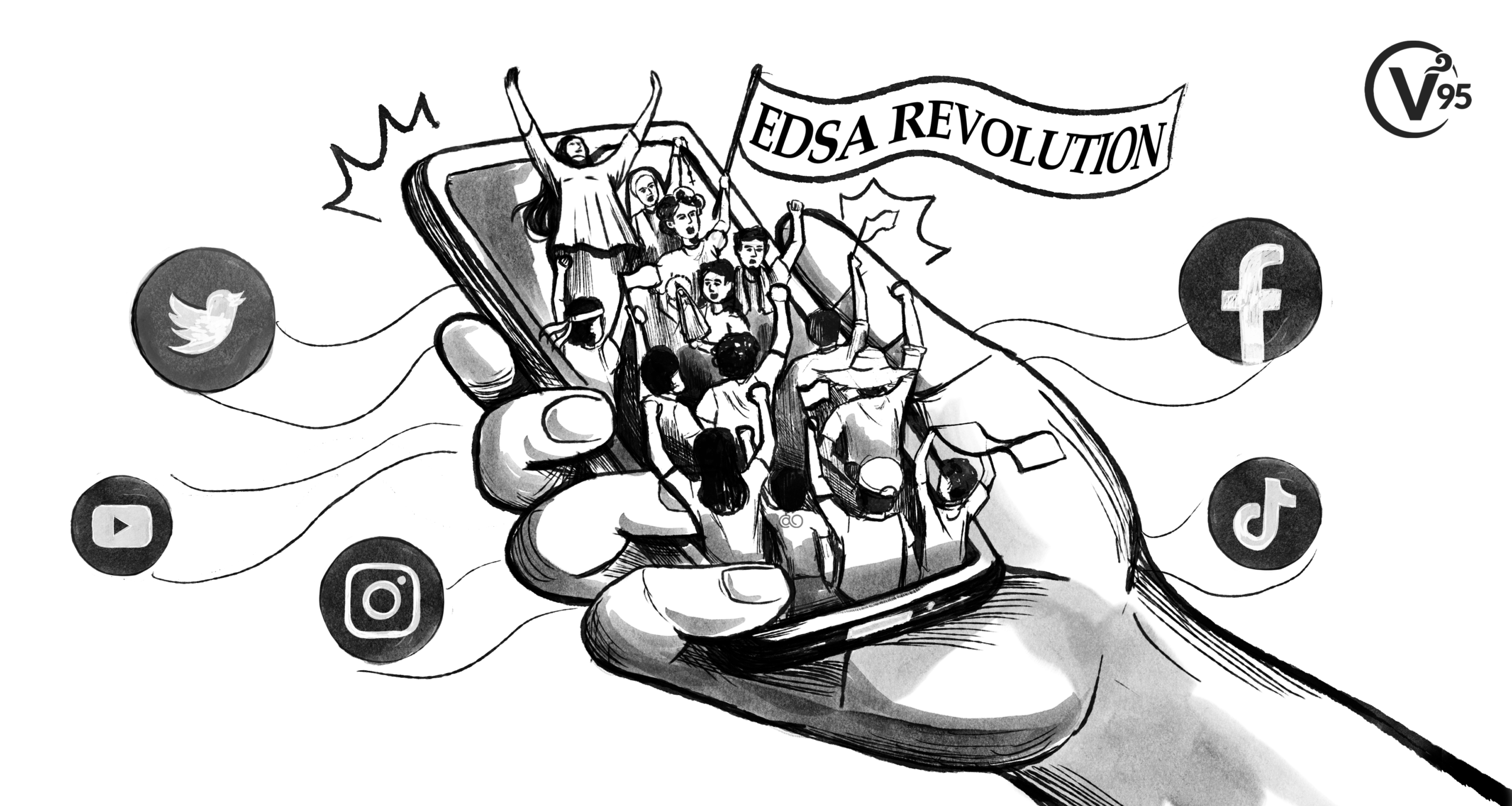
Millions of Filipinos peacefully ousted a dictatorship in 1986 by protesting in Epifanio de los Santos Avenue (EDSA). They reminded the world that common people could make history by banding together and carrying banners, rosaries, and unwavering resolve. Almost forty years later, activism is still going strong, but the battlefield has changed significantly. The action takes place on glowing smartphone screens rather than in streets with chanting crowds.
Today, activism is stitched, duetted, and hashtagged by Generation Z. Young Filipinos are igniting discussions about politics, justice, and truth on TikTok, a platform that was once written off as a place for comedy skits and dance competitions. A brief, straightforward video can organize community members, influence public opinion, and start a debate. This raises a crucial question Is TikTok the modern EDSA of Generation Z? Can activism carried out online have the same effect as protests in the streets? This article examines how TikTok has developed into a forum for political participation, highlighting its strengths and weaknesses as well as how it will influence youth activism in the Philippines going forward.
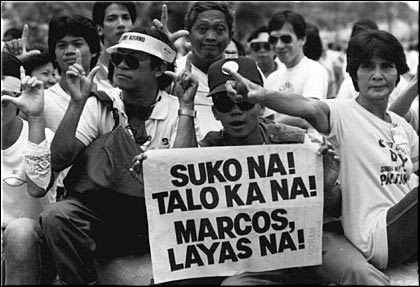
The Philippines will always remember the EDSA People Power Revolution of 1986 as a time when national unity shaped the trajectory of the country. Demanding the removal of Ferdinand Marcos’ dictatorship, Filipinos crowded EDSA for four days. They ended a government with nothing more than bravery, prayer, and unity. For many years, protests, marches, and rallies wherein there was a genuine chance of violence or arrest symbolized activism. Being present holding placards, yelling slogans, and being in the streets was the essence of activism. These street protests were significant because they demonstrated the strength of the people.
Activism has changed in the modern era. Social media feeds have replaced public roads as the new spaces. Young people can instantly and globally share their opinions thanks to platforms like TikTok. A small-town post can have a nationwide impact. Movements like #BlackLivesMatter and #MeToo on Twitter have shown how hashtags can encourage genuine conversations and social change. Furthermore, in the Philippines, the #BabaeAko campaign back in 2018 was an effective representation of digital activism, as women and allies used Facebook and Instagram to speak out against sexism and reclaim their voices.
According to research, Gen Z Filipinos are using social media more for political awareness and engagement as well as entertainment (Cadayday et al., 2024). The emergence of TikTok signifies a change: the megaphone turns into a trending video, and the placard into a hashtag. In which giving voice to those who want to be heard is still the fundamental goal.
TikTok and Modern Activism
The format is what makes TikTok powerful. Gen Z has adapted short, engaging videos for public expression because they demand attention. Reactions, duets, and stitches all become instruments for political discourse as well as content production.
TikTok’s influence comes from its enormous reach. As of 2024, with over 60 million active users, the Philippines ranks among the top five countries in the world for TikTok usage, with the majority of the users aged 16-24 (DataReportal, 2024). Because of its popularity with younger audiences, TikTok has become a popular space for Gen Z activism, allowing users to easily combine political commentary and entertainment.
In the past, Twitter once held that same energy. It played a crucial role in mobilizing protesters and broadcasting real-time updates throughout the Middle East during the Arab Spring (2010 – 2012). However, its impact decreased in recent years. This change illustrates how TikTok has overtaken Twitter in terms of social scale and quick access.
The Philippine elections of 2022 provide a striking illustration. Content creators combined comedy, music, narrative, and criticism into shareable posts in support of then-vice president Leni Robredo, and hashtags like #LabanLeni and #LetLeniLead went viral. These videos gave political messaging a lighthearted, interactive approach by frequently including facts, commentary, or even direct appeals to peers.
These videos demonstrated how TikTok can serve as a battlefield for memory as well as protest by using short-form storytelling to reframe difficult historical discussions. Other users responded by using TikTok to fact-check. One noteworthy instance is a video that was shared on the anniversary of martial law, in which a history expert refuted claims made during the Marcos administration by referencing facts and references. Over 1.6 million people watched that one video, which generated a lot of discussion in the comments section (Time, 2022).
These examples demonstrate that TikTok activism in the Philippines is not merely symbolic or trivial; rather, it actively shapes narratives, engages audiences, and influences formal politics.
TikTok Now vs EDSA Then
There are parallels and differences between TikTok and EDSA. Violence was evident at EDSA due to a large number of deaths in one area. TikTok substitutes digital visibility for physical presence; engagement, shares, and reach are what give it its power. Participation and personal risk were required for physical protests. Digital protests require boldness, narrative skill, and responsiveness. Today, being drowned out by algorithms or false information poses a greater threat than tear gas or arrest. However, censorship and account bans are risks. Although they are expressed differently, one through the presence of the body, the other through the presence of the voice, both call for courage.

EDSA’s success was not only because people filled the streets but also because of how it made an impact on the media of its time. There were live updates from Radyo Veritas that maintained public morale and coordination. Television and newspapers carried images of rosaries, priests, and civilians standing in front of the tanks, turning the protest into a global story of peaceful resistance. Similarly, TikTok makes it the new broadcast channel of activism because of its algorithm and virality.

Because EDSA was centralized, everyone congregated in one location at one time. With millions of posts, dispersed voices, and a common hashtag or trend, TikTok activism is decentralized. Instead of being a shared space, solidarity turns into shared content. Similar to how EDSA used radio and television to shape people’s collective imagination, TikTok uses short-form videos to do the same in this digital age. TikTok is revolutionizing the way that protests are made today, much like radio and print revolutionized activism in the periods that followed.
Strengths and Weaknesses
Strengths
- Accessibility and Inclusivity: Anyone with a phone and internet can participate. This provides a platform for voices that are remote or marginalized.
- Youth Resonance: Political messages seem more approachable when they are presented through memes, dance, music, or trends. The structure makes participating in politics more accessible.
- Potential for Growth: A viral video can reach millions of people, while a rally could attract just thousands. Overnight, TikTok has the power to transform specialized topics into national dialogues (Agojo et al., 2023).
Weaknesses
- Algorithmic Transparency: Users are mainly unaware of the content that TikTok promotes. A variety of entertainment may obscure important messages.
- Risk of Misinformation: Sites that share videos of protests also spread false information. TikTok has faced criticism for its lack of action to combat “fake news.” (Inquirer, 2024)
- Performative Activism: Posting without much thought just to get likes is simple. Hashtags could become meaningless symbols if they are not accompanied by action.
- Limited Depth: Full details or a sustained argument may not be possible in just multiple-second videos or a trending sound. Completely addressing complicated issues in TikTok’s format is difficult.
Although these flaws do not make TikTok pointless, they do require users and creators to be more mindful, critical, and strategic rather than merely reactive.
Impact for the Next Generation

The activism of the future will probably be a combination of protests to represent the community and TikTok to influence public opinion and visibility. The two can support one another. TikTok is where a lot of young Filipinos get their first taste of political participation through sharing, commenting, and posting. It integrates activism into everyday activities. However, that entails accountability, to confirm, consider, and not merely replicate popular content. Even creators need to acknowledge their influence. Opinions can be quickly shaped by a viral video. The next generation needs to learn how to go viral in a genuine way, not just how to do it.
The recent national elections teach us one thing. Since political advertisements are prohibited on TikTok in the Philippines, campaigns frequently use influencer-driven or genuine content (Inquirer, 2024). The platform itself admits that it is not a completely regulated public space that allows users and creators to make responsible contributions.
Finally, activism is about what it accomplishes rather than where it takes place. The fundamental goal is still to demand democracy, justice, and transparency, whether through crowded streets or viral videos. TikTok may not be a physical replica of EDSA for Gen Z, but it carries that spirit into the modern era.
The Spirit of EDSA Lives on
Filipino activism has always been able to change with the times. Millions of people united against dictatorship in the streets of EDSA in 1986. These days, Gen Z carries on the fight in their own digital space through hashtags, duets, and viral videos on TikTok. Although the stage has changed from road to algorithm, the core values of People Power, courage, independence, and solidarity, have not changed.
Consider the September 21, 2025, Trillion Peso March, in which thousands of people peacefully protested alleged corruption in flood-control infrastructure projects at the EDSA People Power Monument (ABS-CBN, 2025). With participants and attendees posting videos of the protest, chants, prayers, and the united sea of white on TikTok and other platforms, the march also turned into an online moment. By doing this, they brought EDSA to common screens and echoed the same spirit of mass anger.
The protest’s influence extended beyond its street presence due to its extensive TikTok sharing. The protest was able to transcend physical boundaries through the use of commentary, duets, stitches, and brief video clips. Similar to how EDSA rallies were initially disseminated through radio, television, and word-of-mouth, it became a part of Gen Z’s digital resistance tools.
TikTok is far from perfect: it has issues with algorithmic bias, performative posts, and false information. But just as EDSA gave earlier generations a chance to reclaim democracy, it gives young Filipinos the opportunity to learn, speak up, and challenge traditional narratives. Because of its security and censorship debate, ByteDance, a Chinese company that owns TikTok, faces increasing pressure to sell its global operations to American Investors. This raises concerns about whether there will ever be truly free activism on such platform. The paradox of modern activism is exposed by these conflicts, it thrives on platforms that are not built for it. Viral videos and Hashtag Campaigns exist inside the system that can also silence them. Yet, TikTok still provides a space for voices that would go unheard, especially among young Filipinos who use it for criticism, creating, and collecting.
Overall, activism is about purpose and impact rather than place. Truth, justice, and accountability are the same demands made whether through individuals marching across EDSA or viral TikTok posts. Even though today’s youth carry phones rather than placards, the flame remains the same. The spirit of EDSA lives on, not only in memory, but in every post, hashtag, and voice that dares to speak truth to power.
 Guan QiuYu
  REN Ren
  Tan Kane