
One Piece has grown to become a mainstream anime and manga franchise, garnering global success with audiences from around the world, effectively establishing itself as a beloved name for many. Japan has produced various unique and entertaining forms of modern pop culture media over the years. Among the most notable of these are manga and anime. Manga can be considered an umbrella term used for a variety of graphic novels and comic books created and published in Japan. There are various kinds of manga: shounen manga that target teen boys with common themes of action and adventure, shoujo manga that target teen girls with common themes of romance and drama, and seinen and josei that target adult men and women, respectively, with themes similar to their counterparts targeting the younger audience but with more mature themes, and finally, kodomomuke that target young children, featuring cute and fun themes. On the other hand, anime is a Japanese colloquial term derived from the English word “animation”, and is known for its unique art and animation style as compared to its Western cartoon counterparts.
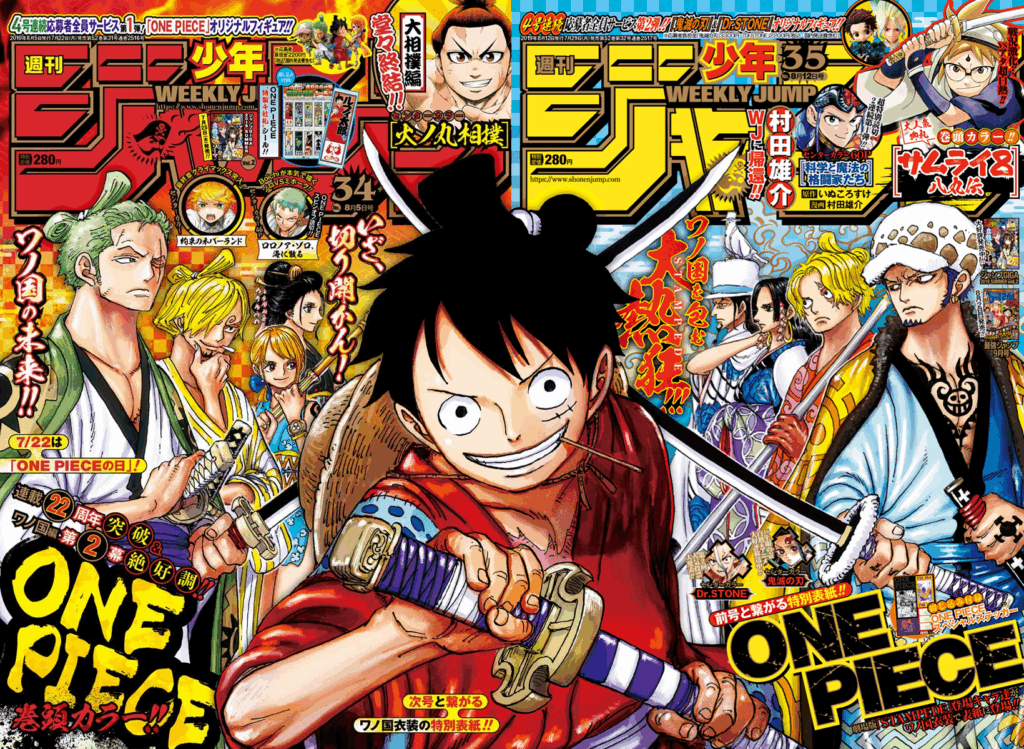
One Piece in Weekly Shonen Jump Japan 2019 / Reddit
One Piece, originally started off as a manga and began serialisation in 1997, is classified in the shounen manga category. Eventually, the manga became successful enough to have an anime adaptation in 1999. It offers its audience unique plots, interesting characters, and memorable scenes. It is also the longest-running manga and anime franchise, with its serialisation still ongoing presently. Among famous manga and anime franchises, there are titles like Dragon Ball and Pokémon, which are known all over the world and have established their presence globally. On the other hand, One Piece was originally a renowned franchise in Japan, but has recently also begun to grow its global following. With the release of its live-action series, One Piece became a sensation, drawing the attention of many.
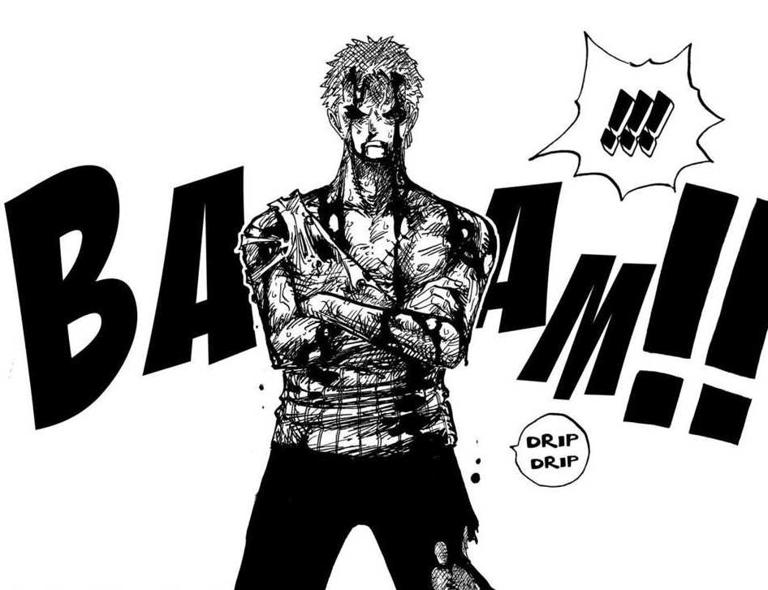
Roronoa Zoro’s “Nothing Happened” Moment in the Manga / MSN
Aside from its engrossing storytelling and amazing animation, One Piece also exhibits Japan’s colourful culture by showcasing its folklore and traditions by integrating them into its writing. Globalisation has allowed information and various forms of media from different countries and cultures to be enjoyed by people all around the world, including anime and manga. With their growing popularity, both have become forms of modern media that are mainstream today. Their popularity has boomed, garnering fans from all over the world and opening doors to new communities and areas of interest. Through globalisation, One Piece has also grown in renown globally. People worldwide now enjoy One Piece, with its movies being featured in cinemas and series available to watch on streaming platforms like Netflix. Its most recent endeavour, aside from its ongoing anime releases, is its live-action series featured on Netflix. It has been critiqued and praised by critics, long-time fans, and new viewers for offering a noteworthy adaptation with superb acting, while being loyal to the original material.
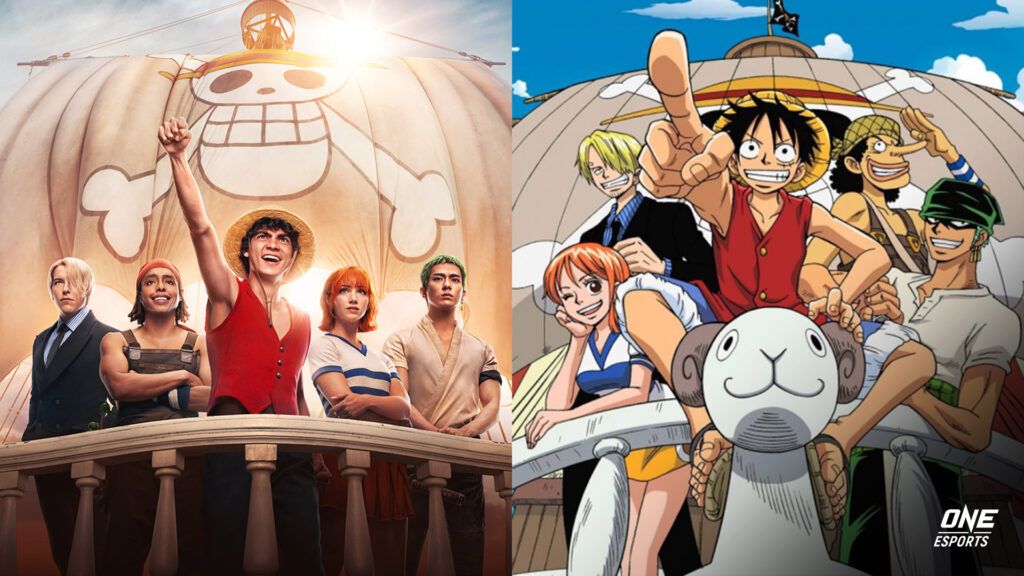
One Piece Live-Action & Anime Comparison / ONE Esports
Today, One Piece has grown exponentially, establishing communities through fandoms and groups, and paving the way to other forms of artistic expression for fans to engage in, like cosplay culture. It is evident that One Piece has grown to be both well-known and influential, not just in Japan, but all around the world. By transforming and adapting Japanese folklore and integrating Japanese values into its stories, One Piece is able to showcase these as a modern medium of storytelling. ensuring that these elements of Japan’s culture are preserved and remain relevant even in today’s age.
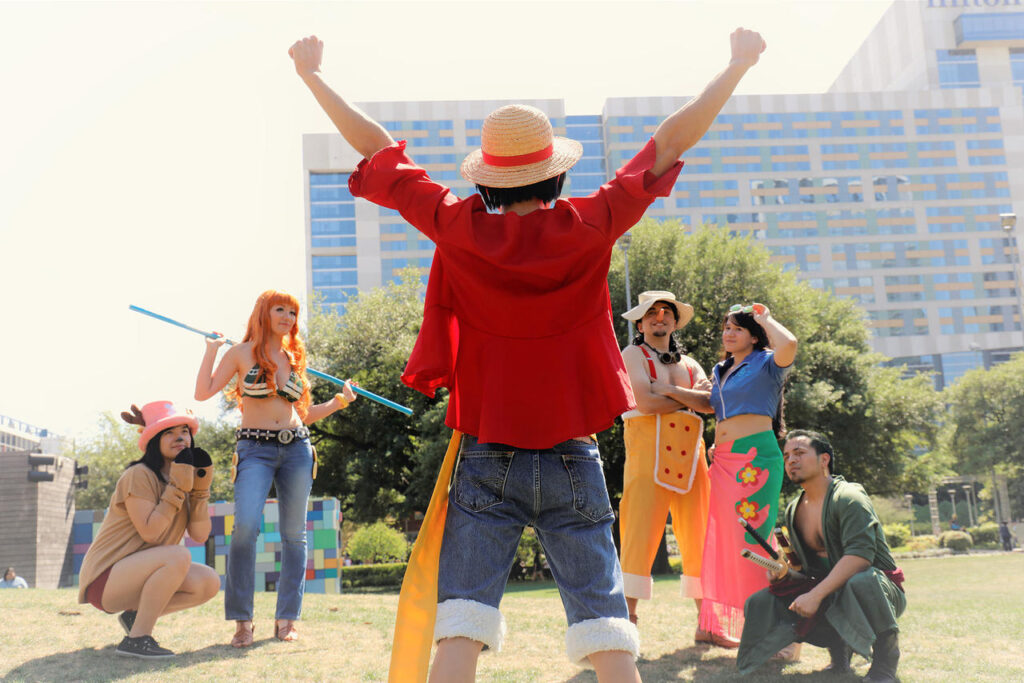
One Piece Cosplay / DeviantArt
Manga and anime are both forms of media aimed at entertaining their audiences and aiming to garner and establish a following. However, anime and manga also integrate Japanese folklore, culture and values within them, with the intent to preserve these while showcasing them to a larger audience beyond Japan. Like fables and other older media forms, they also have moral lessons and values reflected in their stories. Both of these can be observed in One Piece.
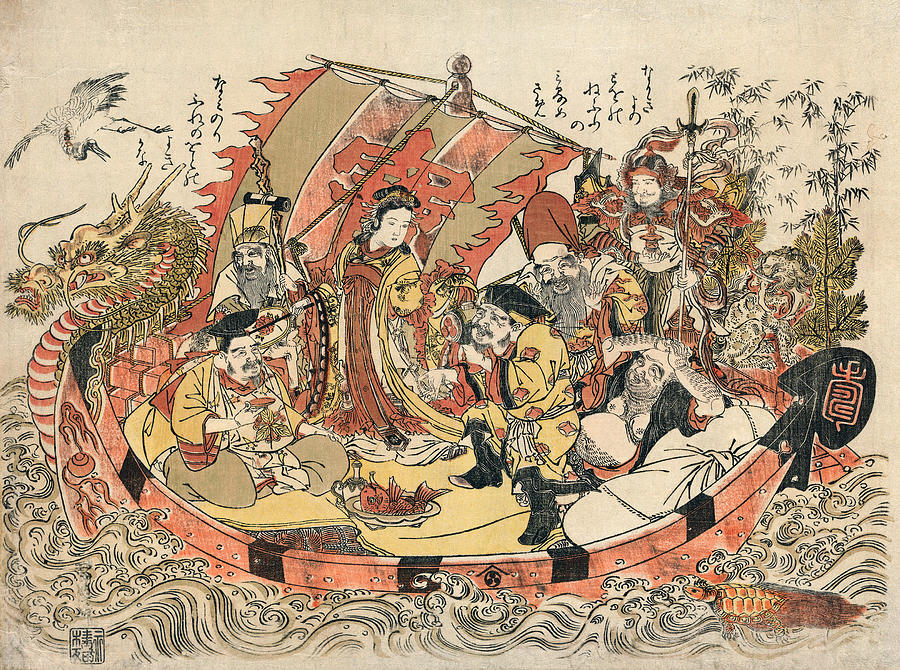
Japanese Gods / Granger Art on Demand
Japan is a country with a rich history and fascinating culture. It is filled with traditions and practices from long ago that have been preserved and are still practised today. This includes Japanese folklore. The country’s traditional stories are firmly rooted and heavily influenced by Shinto beliefs. Shinto refers to the faith that the Japanese practice. It is a polytheistic and animistic religious practice dating back to ancient Japan. Believers of Shinto worship gods and deities and believe in spirits and sacred forces. These spirits are said to reside and manifest in their surroundings, particularly in nature. Among these, the Japanese also believe in supernatural creatures. These beings are called yokai, which is a broad term referring to odd, supernatural creatures and phenomena of Japanese folklore. Many of these yokai have become well-known even outside of Japan, with some being featured in various other forms of media. Some of the most well-known yokai include the oni, ogres of Japanese folklore, ryu, dragons of myths, and kitsune, the nine-tailed shape-shifting fox spirit.
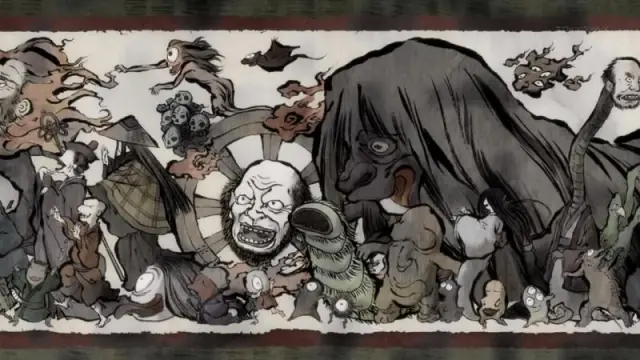
Kami & Yokai / Shinto Sanctuary
The story of One Piece is heavily influenced by Japanese folklore. This can be observed through its characters. Many significant characters in the franchise have features and abilities that resemble those of yokai and other creatures of Japanese folklore, while others are fully incorporated, maintaining the same traits as their mythological counterpart. Characters like Tenguyama Hitetsu and Kawamatsu, who resemble the mythical creatures tengu and kappa, respectively, have important roles in the story. The characters who possess devil fruits in the story, particularly those that are in the Mythical Zoan-type devil fruit categories, have traits and even transform into creatures of myth, like Kaido transforming into a dragon, Marco into a Phoenix, and Yamato into a nine-tailed fox. Other than the central characters of the story, One Piece also has mythical creatures adapted from Japanese folklore that are revered and possess magnificent power and standing. Creatures like dragons and sea kings serve as symbols of power and chaos in the One Piece world.
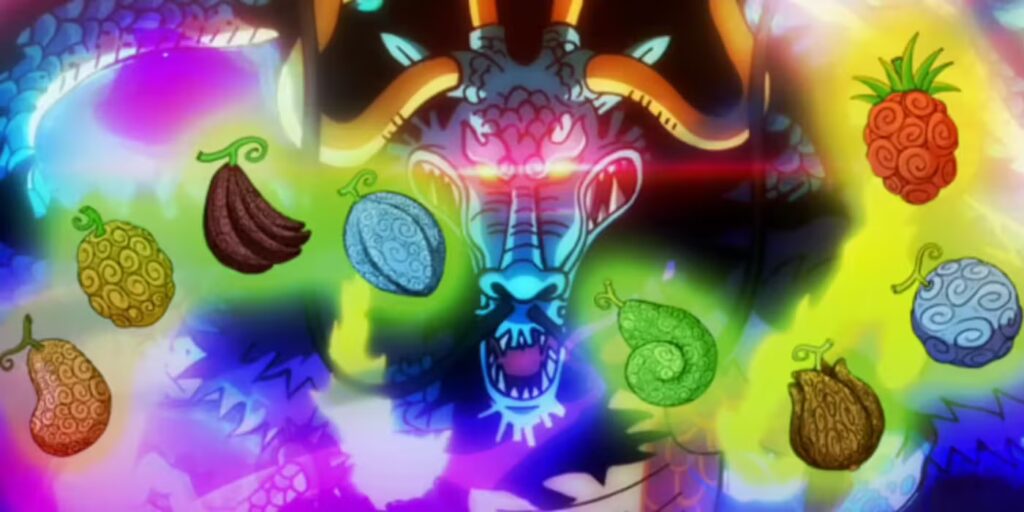
Devil Fruits in One Piece / CBR
Apart from the characters, the franchise has also adapted weapons from Japanese history and folklore and integrated them into the story. The most notable of these weapons is the two swords of Kouzuki Oden. The first sword is Enma, which is currently in Roronoa Zoro’s possession. Enma is the king of hell in Japanese Buddhist mythology, and the Japanese version of Yama. The second sword is Ame no Habakiri, which is currently owned by Oden’s son, Momonosuke. Ame no Habakiri takes inspiration from a sword with the same name in Japanese mythology. The sword was one of the weapons used by the Shinto god Susanoo to slay the legendary monster Yamata no Orochi. Aside from these weapons, One Piece also illustrates historical weapons used by its characters, like the naginata, kanabo, and kusari-fundo.
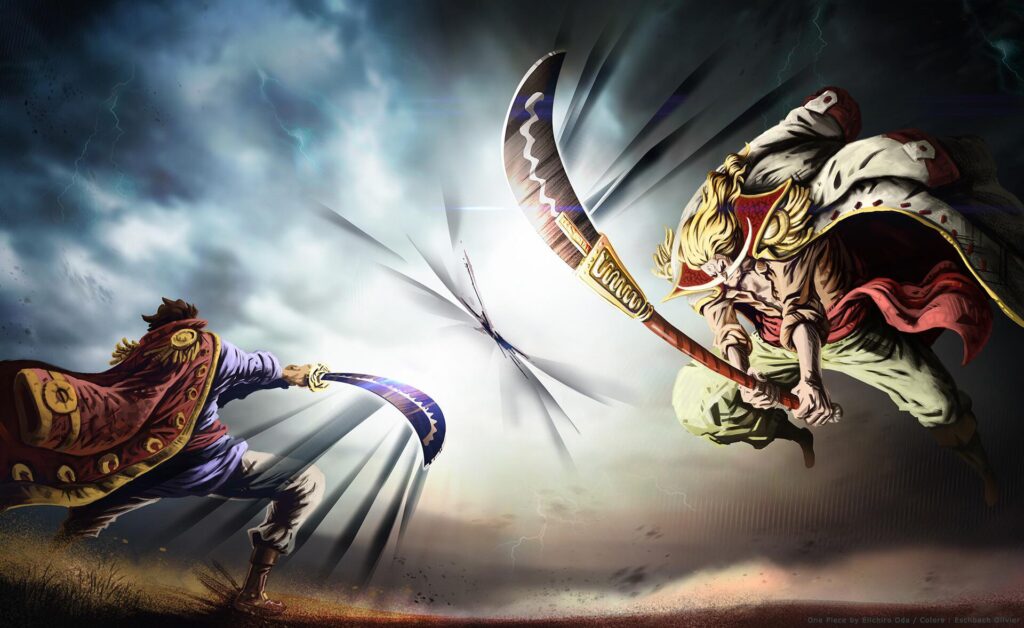
Roger’s Sword and Whitebeard’s Naginata Clash / Reddit
One Piece also integrated aspects of Japan’s history into its storytelling. This is showcased in the Wano Arc. This arc of the series takes much inspiration from Japan’s Tokugawa era. The closing of Wano’s borders reflects the sakoku decree during the Tokugawa era. Similar to Japan during this time in its history, Wano was also isolated from the outside world, forbidding foreigners to enter and locals to leave. One Piece also emphasises the importance of mentor figures, something that is deeply rooted in Japanese culture and history. From Shanks and Rayleigh to Luffy, Mihawk to Zoro, to Garp to Aokiji and Koby, One Piece exhibits numerous instances of mentor-student dynamics that are not only essential to the plot but also leave their marks in the hearts of viewers and fans.
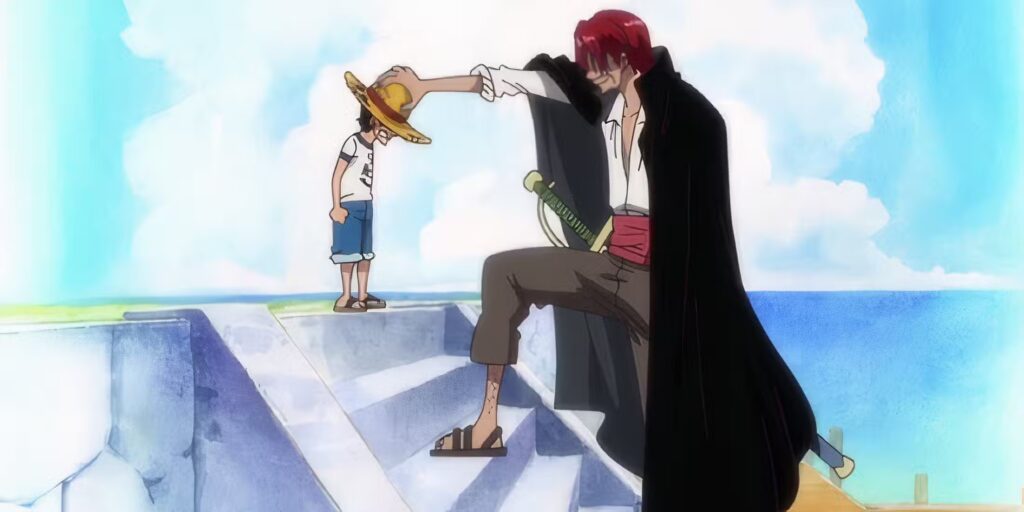
Shanks and Luffy’s Promise / Game Rant
Aside from folklore, the Japanese also put importance on their values and practices. The Shinto belief has had a great influence on the Japanese people that it has gone beyond a religion; it has become a way of life, becoming fully integrated into Japanese culture, practices, and everyday life. Shinto emphasises the importance of harmony between humans and those of the spiritual world. This is evident in their actions, making Japan known as the most polite country in the world. They put great importance on respect for themselves, others, and the environment. Aside from this, the Japanese also put great emphasis on honour. Bushido, also known as “The Way of the Warrior”, is the code of principles that samurai, ancient Japanese warriors, must adhere to. It emphasises values like honour, courage, honesty, and loyalty. Despite being a code from the distant past, its values are still evident in the Japanese of today.
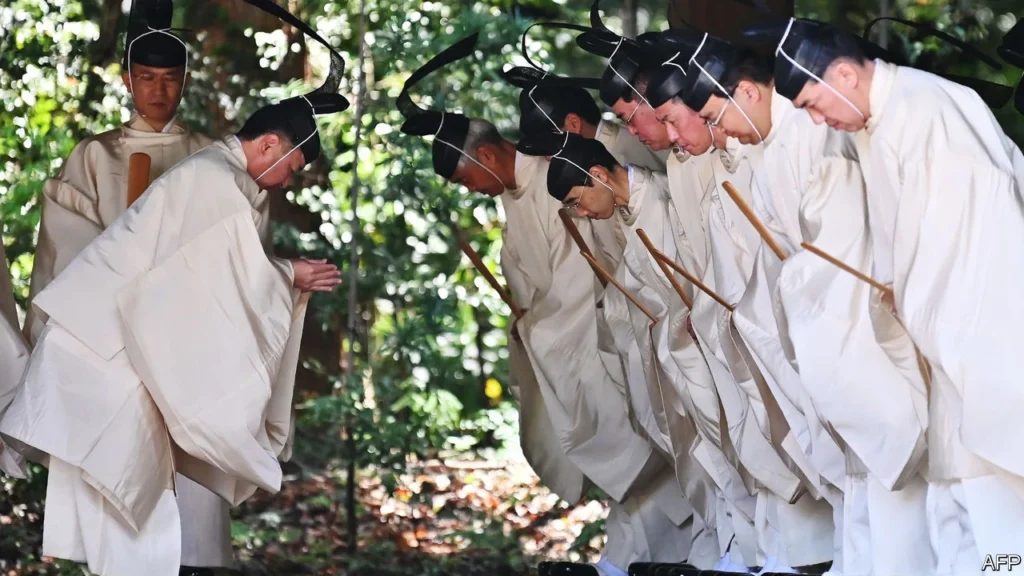
Shinto Ritual / The Economist
As a shounen manga, the characters of One Piece exhibit various principles and beliefs that make them exemplary and memorable to their audience. Many of these traits are based on the traditional values that the Japanese exhibit, not only from ancient times, but until today. The most prolific value that the franchise’s characters embody is the concept of nakama. Nakama can be defined as a deep bond between individuals, and in a more intimate sense, their camaraderie and brotherhood. It is perhaps the most important, central, and recurring concept in Luffy’s adventures. The whole concept of Luffy’s pirate crew is centred around the concept of nakama. Each member considers the others not just as colleagues, but as family. Along their journey, they form deeper bonds with one another, improving not just their relationships but also their individual selves in the process.
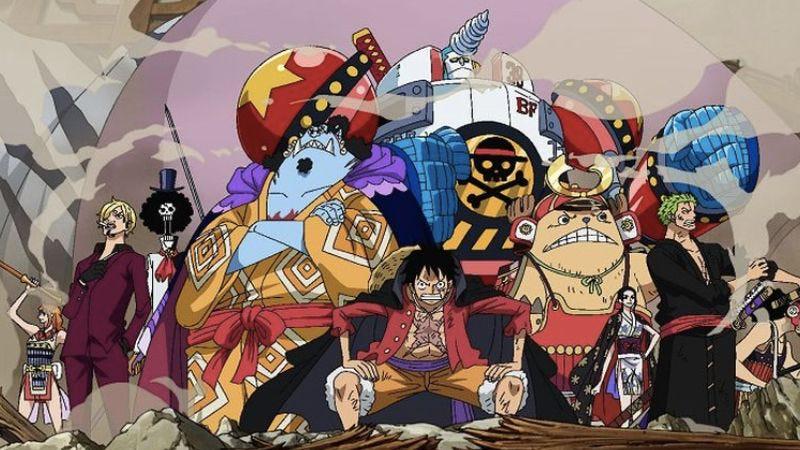
Luffy and his Nakama / Reddit
Another essential value that can be observed throughout the One Piece franchise is the concept of Bushido. Bushido is the code of the samurai of ancient Japan. It translates to “way of the warrior”. Though the concept of Bushido existed during ancient times, its values are still adhered to by the Japanese of today, and are still portrayed in contemporary Japanese media. Bushido consists of seven primary principles: righteousness, loyalty, honour, respect, honesty, courage, and consistency. In the One Piece franchise, various characters embody these principles. The most evident of them is Roronoa Zoro, the “Pirate Hunter” and Luffy’s first mate. Zoro embodies the samurai archetype as he is a katana-wielding swordsman who strives to improve himself to achieve his goals. Bushido also advocates honourable sacrifice. This is evident in the Marineford Arc, where Edward Newgate, known as Whitebeard, dies standing his ground. He dies protecting his “sons” without a single thought of retreat. Bushido is also exhibited through the characters in the Wano Arc. It shows that despite tradition and culture like Bushido being eroded by time, there are still those persistent in keeping them alive.
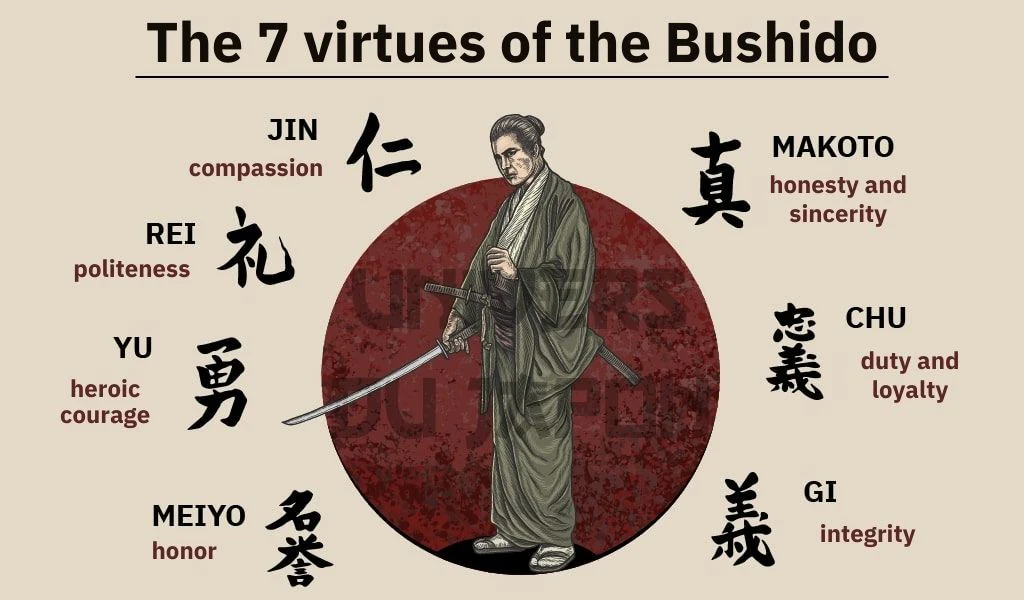
The Seven Virtues of Bushido / Japan Avenue
One Piece also portrays values that are controversial and complex. Throughout the series, we can observe the concept of giri. Giri refers to the Japanese value of duty and obligation. In Japan, duty is revered and honoured. It can be a sense of duty towards family, friends, and country. This is exhibited in Zoro’s immense loyalty to Luffy. He wholly dedicates his sword to Luffy, wielding it for the betterment of himself and his crew. However, while giri can be considered as honourable, it can also be incredibly complex, leading to individuals needing to make decisions to prioritise something over another. This harsh reality can be seen in the side of the Marines in One Piece. Despite the group being considered as the main antagonists of the franchise, they also have moments where they show their “humanity” and vulnerable side. Some characters must choose between their sense of duty towards the government and their personal emotions. This is demonstrated by Garp, Luffy’s grandfather and Sabo and Ace’s grandfather figure. Garp wrestled with emotions, ultimately forcing himself not to interfere and simply watch as Ace was captured and eventually executed.
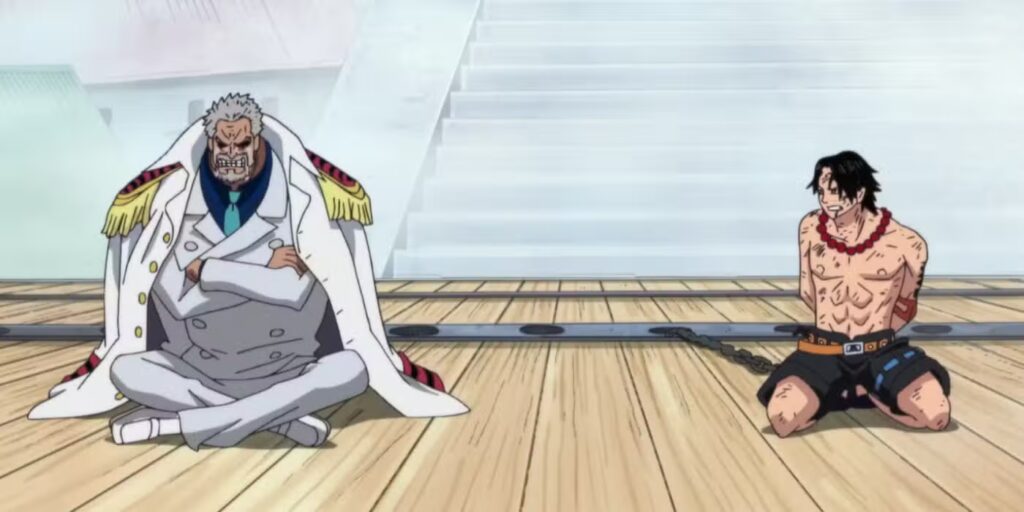
Garp in Ace’s Execution / CBR
Overall, aside from One Piece’s standing as the world’s longest-running and most successful manga/anime franchise, it also acts as a modernised medium that advocates for Japanese folklore and values, allowing viewers and fans to enjoy Japanese culture while learning about its principles. Through media like One Piece, Japan’s folklore and values are not only preserved but also broadcast to a global audience to enjoy.
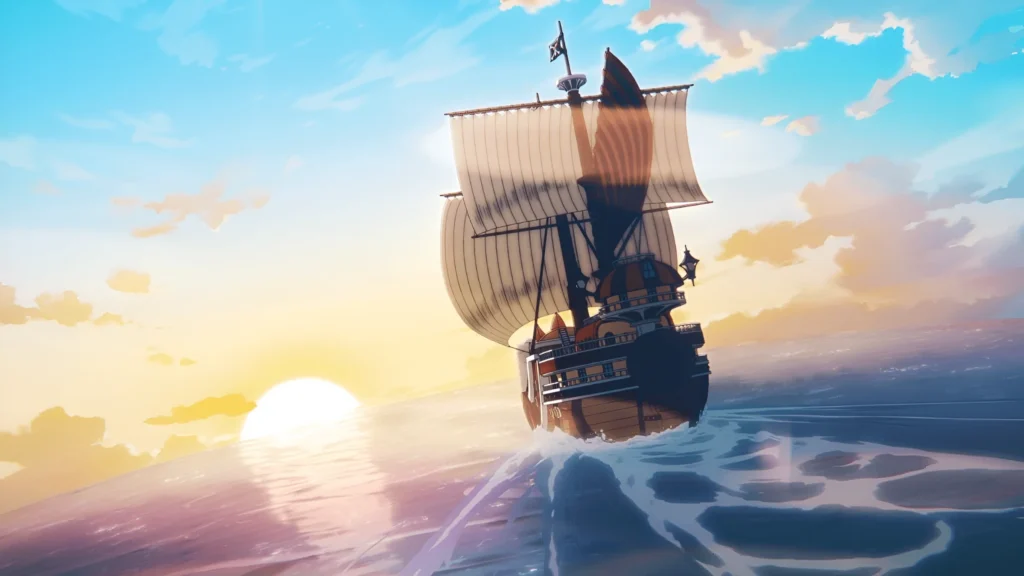
Thousand Sunny Sailing / Wall Murals
Despite the Straw Hats’ adventure approaching its final stages, their legacy and impact will continue to be an ambassador for Japan’s colourful folklore and values worldwide.
 TianYuran
  Lu Yunyan
  Pauleen