
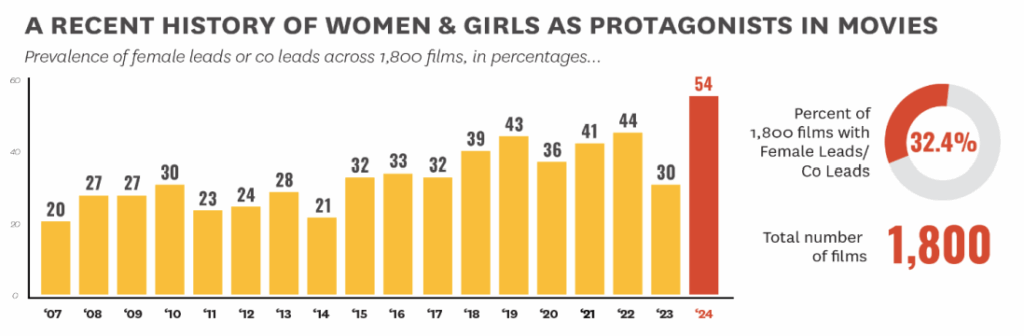
In 2024, for the first time in history, the number of female protagonists matched the number of male protagonists in the year’s highest-grossing films. With society instigating conversations around women’s rights and equality, production companies seem to have jumped on board. Women are moving away from side characters and supporting roles and stepping in to play strong, leading parts. After years of restlessly watching actresses struggle for screentime, this news came as a breath of fresh air for many moviegoers. However, life doesn’t always imitate art. Even with Hollywood profiting off women in lead roles, this step towards inclusivity appears to be performative as gender pay gaps continue to stay wide open.
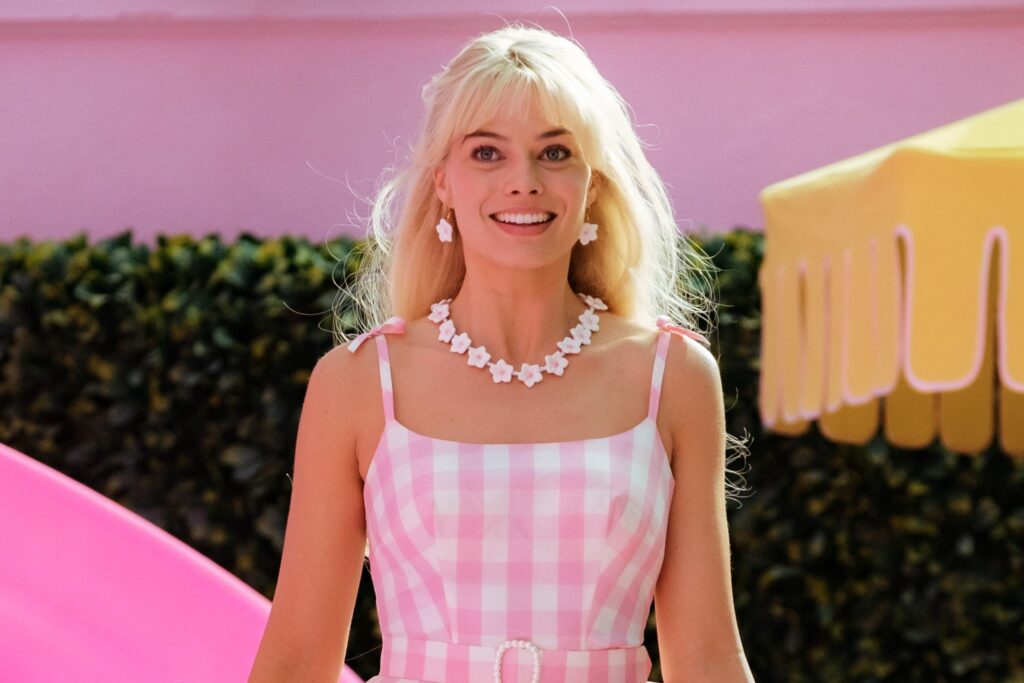

As female-dominated films have started to seize the big screen, many actresses are experiencing an increase in pay. We saw this in 2023 when Barbie took the world by storm, becoming the highest-grossing film of the year – earning Margot Robbie a total of $50 million. From Wicked to The Substance, 2024 paved the way for even more female-led films, marking the first time the US has achieved gender parity in cinema.
According to Christy Haubegger from The Creative Artists Agency, the success of these movies should instil confidence in filmmakers, incentivising them to take on even more female-centric scripts. As female characters bring in big box office bucks, the actresses who portray them should realistically begin to earn more too. With bigger roles and more screen time, critics are confident we are experiencing a turning point in the industry.
With actresses like Margot Robbie taking home such staggering amounts, it’s becoming easier to turn a blind eye to gender pay gaps in the industry. Researchers at Cambridge have explained that, as an actress’ profits become higher, empathy can become harder to muster. Understandably, for most of society, the difference between $50 and $52 million hardly seems like a pressing issue. But that’s not to say high-earning actresses aren’t aware of their privilege. In a short essay on pay discrepancies, Academy Award-winning actress Jennifer Lawrence admitted,

Whilst many agree that this is still a cause worth fighting for, it is not unusual to have conflicting intuitions. We are already seeing improvements in representation and overall wages in the industry, so the ‘plight’ of wealthy celebrities can easily become tiresome. Considering the average working woman makes significantly less than these actresses in question, the concept of ‘millionaire inequality’ will continue to be a hard pill to swallow.
Despite these actresses’ large and increasing incomes, there is no denying that a gender pay gap certainly still exists. Currently, female stars have an average unexplained earnings gap of $1.1m per movie – and no one is exempt (Zee, 2024). Even for the most well-known, highest-paid actresses, blatant inequality still exists at all levels, with the pay difference often exceeding this reported $1.1m average. Academy Award-winner Michelle Williams is just one of the many A-list stars who have spoken out over the years. During reshoots for her film, All the Money in the World, Williams was paid $1,000, whilst her male co-star, Mark Wahlberg, was paid $1.5m (Li, 2024). Unfortunately, she’s not alone. Many actresses are at a point of exacerbation, with Oscar-winner Olivia Colman speaking out in a 2024 CNN interview, stating, “I know of one pay disparity, which is a 12,000% difference” For these successful actresses, it’s not about the numbers in their bank account, it’s the premise of injustice. One gender is not worth more than another, and for these women, accepting less than what they deserve sets a dangerous precedent for the future.
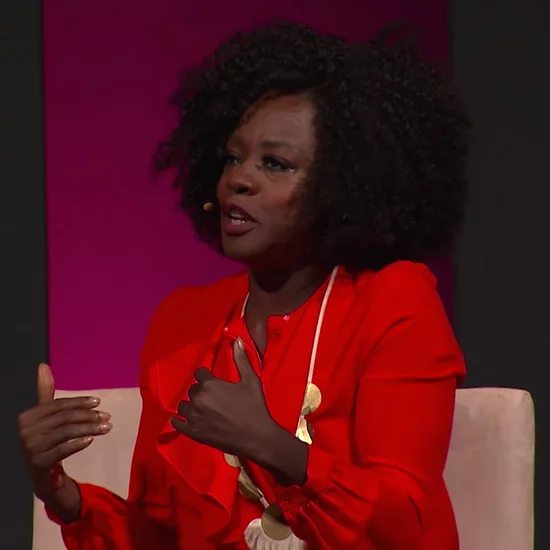
Yet, these inexcusable pay discrepancies fail to take in other major factors, like race. Sexism already leaves an oppressive stain on society – but when you consider racism too, the impact of gender discrimination can be felt even harder. Currently, women of colour are paid an average of one-third of what white male actors are making. When you take into account the centuries-old protection and privilege that white actresses have in comparison, women of colour have had a much steeper hill to climb. With society’s inherent racial prejudice, their talents have always been featured with less compensation. Academy Award-winner Viola Davis has spoken out about this disparity, stating,
Even at the top of the credit roll, racial discrimination is still felt, trickling down to all the up-and-coming women of colour in the industry. It’s apparent that gender does not always have to work alone; when it intersects with other spheres of inequality, its effects can be crippling and unjust. Even if women are landing more lead roles, equal talent, experience and work will not automatically equate to equal pay for everyone in the industry.
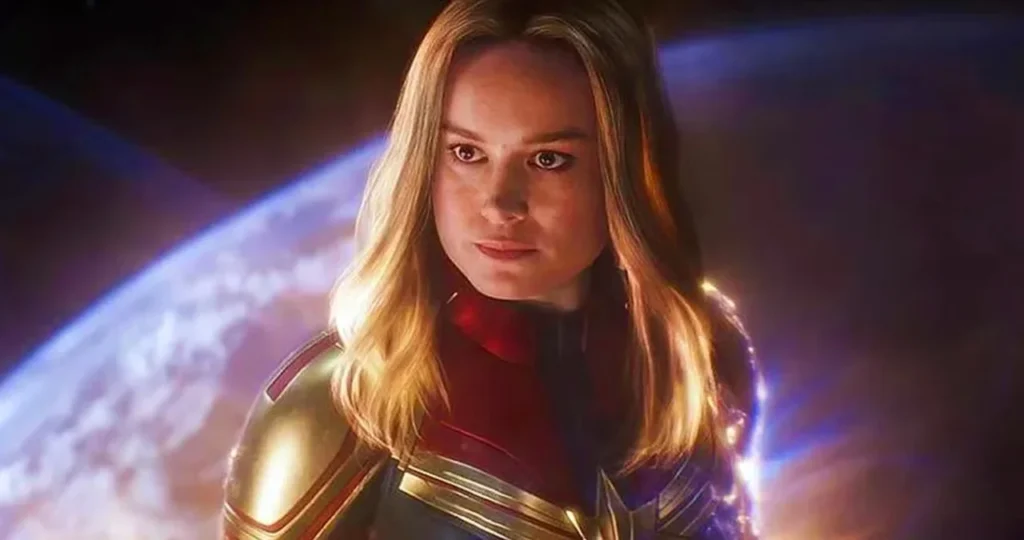
This crippling inequality is only amplified by stereotyping and typecasting, with men generally being favoured for higher-paying genres. This is most obvious in money-making action films, where women are still sidelined. Many claim production companies are simply giving the people what they want. That is, they assume audiences crave a ‘powerful’ male lead, someone who can deliver the rush and thrill that comes with action-packed genres. Somewhere along the way, the industry decided that women have less ‘market value’ in these roles and, therefore, their screentime should not reap the same financial rewards. But female superhero films like Captain Marvel beg to differ. This film brought in over $1 billion at the box office, proving there is demand for these heroines. As a society, views on gender roles are shifting – audiences are searching for these powerful, and high-paid, female action leads. With fresh stories and new perspectives comes wider box office potential. As such, women losing out on these roles is purely a show of sexist assumptions. However, if the film industry stays stagnant and continues to stereotype in these successful genres, the pay gap won’t be closing anytime soon.
There is no doubt that the increase in female leads is still a big win, but with these pay discrepancies glaring actresses in the face, Hollywood may have entirely missed the mark. In 2018, Shift7 CEO Megan Smith stated that with the success of female-led films, production companies should, “look at what audiences want and transform the industry.” However, in the 8 years since this interview, the off-screen industry has not transformed at all. Whilst the shift in representation makes an incredible cultural difference, without adequate compensation for their work, women’s leading roles can feel incredibly performative. Production companies are profiting off their screentime, exploiting the demand and success of these women for their own gain. Hollywood cannot empower women without honouring their rights, just as Hollywood cannot claim to be paving an inclusive path for actresses whilst leaving women of colour behind. Despite what you may see on the big screen, if women are paid less, they are valued less. For women to truly be empowered by all these emerging roles, Hollywood production companies must start to practice what they preach.
If society were to pull back the curtain and observe what’s happening behind the scenes, the gender inequity is even worse. Whilst Hollywood points the spotlight to lead actresses, women working as extras or crew members continue to be exploited outside of the public eye. Even though there may be an increase in lead actresses, as of 2024, women still only made up 31% of the entertainment industry as a whole. Japanese model, Sayo, recently shared her frustration at this, stating,

This isn’t just the case with big, directorial positions, it’s evident at all levels. For instance, those who work in costume design make 45% less than higher-paid, male department heads. But, unlike A-list stars, these workers don’t have a platform to speak out – production companies aren’t being held accountable. They can continue to produce and release top-tier tales of female empowerment, whilst the women on set, the true backbones of the film, are left in the dust. When it comes to these female-dominated roles and films, audiences are only being shown what the industry wants them to see, masking the gender discrimination happening behind the camera.
At the end of the day, as unnerving as it can be, Hollywood doesn’t just reflect society’s standards, it also shapes them. The bright lights of the industry shine down on everyone else, so much so that we begin to mirror what the industry does on and off-screen. From tourism to politics to art, celebrities are the biggest influence when it comes to public discourse. If audiences see that women are taking on bigger roles and working harder for less, it will only exacerbate inequality in everyday life – the opposite of what these female-driven movies supposedly promote. If big production companies, who are constantly in the spotlight, continue to get away with exploiting women with little to no repercussions, it’s not hard to imagine what’s going on elsewhere. From national protests to workplace walkouts, women everywhere are speaking out. The idea of equal pay is becoming more mainstream and supported, as people acknowledge the link between wage equality and basic rights. But, while society is fighting for wage equality more so than ever, workers are still being met with resistance. Even if Hollywood is privileged, and perhaps actresses are treated better than these women in other fields, it doesn’t mean the problem should be ignored. Once you excuse inequality once, you set off a perilous pattern of discrimination. At the end of the day, performative activism isn’t just happening in Hollywood, it’s happening to women in and out, of positions of power across all industries.
The cultural significance of having more women in front of the camera, telling female-centric stories, is invaluable. However, if the gender pay gap still exists, this newfound inclusivity may not be the win women everywhere had pictured. Gender inequality in Hollywood may seem like an exhausted dispute – but it’s still a battle worth fighting for. Even though these stars are already making millions, it does not mean we should stop confronting injustice as we see it. If the film industry continues to blatantly ignore actresses’ rights, there’s little hope for women everywhere. So, with more women on the big screen, it’s about time these talented stars reap their overdue rewards.
 WEI JIACHEN
  Guan QiuYu
  REN Ren