
By Chris Elliott
Readers should note this article discusses suicide, self-harm and depression.
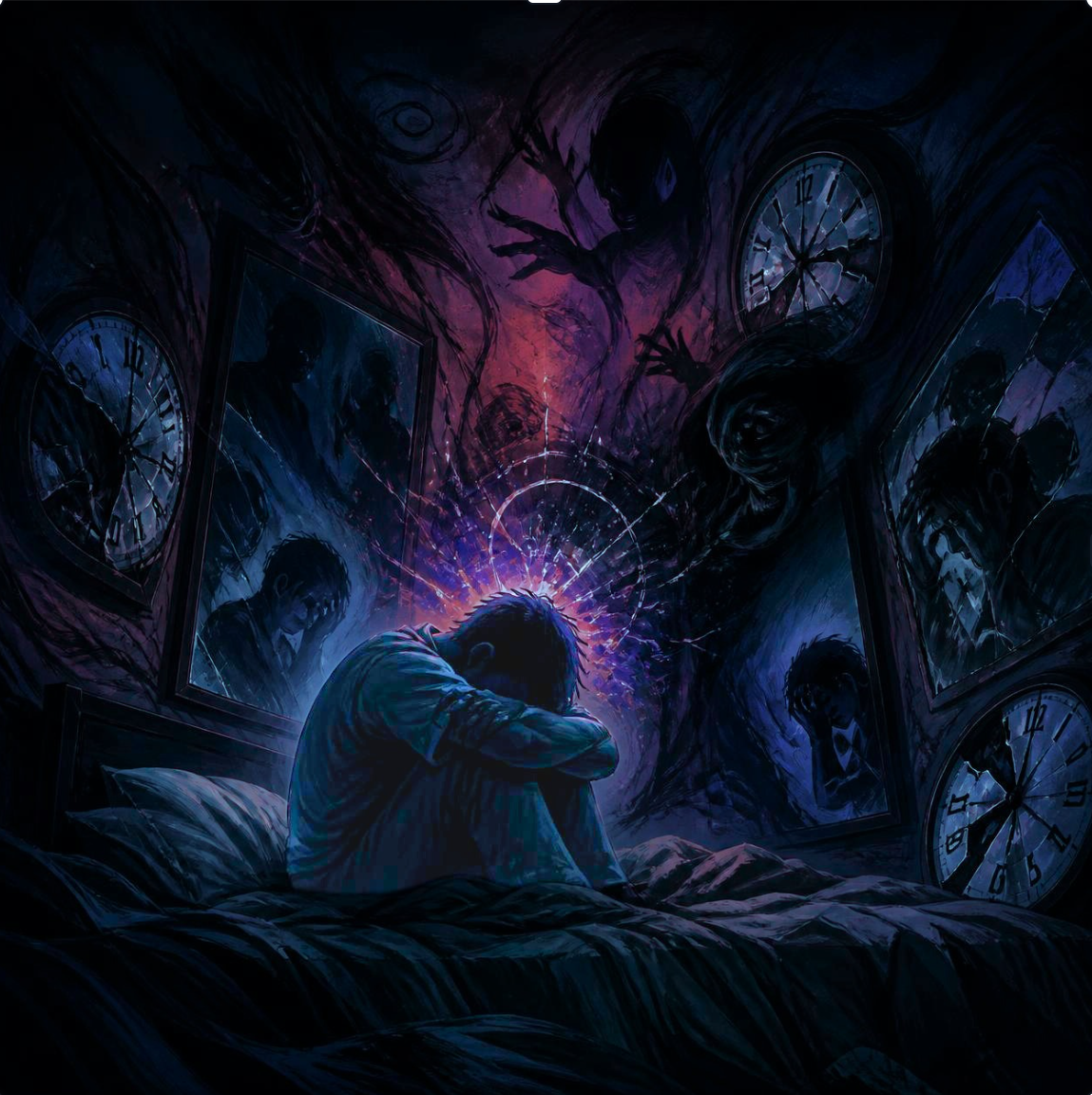
The morning wake-up is the usual step up to the metaphorical roulette table. Place a few bets, wait for the wheel to turn, and hope that I hit my winning number. However, this is a rough morning, and it’s more like Russian Roulette. My world spinning is common; the nausea and emotional paralysis are not. The plans to take the children out are ruined; light, heat, noise and movement are my enemies. The disappointment on their faces is only matched by my partner’s helpless glances. Lying in a dark room and silently weeping in sheer frustration is not uncommon.
Chronic Traumatic Encephalopathy (CTE) is a neurodegenerative disorder commonly associated with repetitive head trauma in contact sports. There is still significant debate around sports-related concussion causing CTE; as post-mortem diagnosis is all that is currently available. Current studies indicate that drinking, drug use and mental health issues cannot be ruled out as contributing factors either. However, symptoms of traumatic encephalopathy syndrome (TES), such as memory deficits, headaches, emotional changes and irritability are well documented. Furthermore, long-term participation in contact sports has been associated with higher instances of anxiety, depression, and cognitive abnormalities.
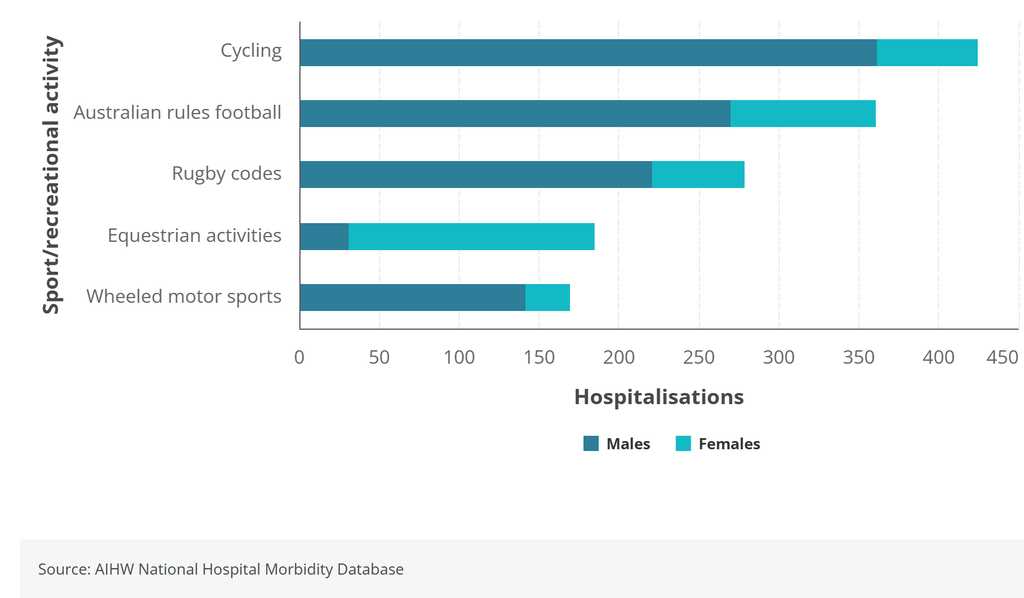
In a 2024 Australian Institute of Health and Welfare report, it was documented that one in five concussion hospitalisations involved sport, and out of 2,300 reported concussions, 910 occurred while playing rugby or some form of football. In short, the genie is out of the bottle.
A class action lawsuit against the Australian Football League (AFL), to be heard by the Supreme Court of Victoria (trial date scheduled for May 2027), could create shockwaves not just in the professional AFL landscape, but also in junior and grassroots football. This class action contains over 100 former professional players who played in the AFL between 1985 and 2023. The lead plaintiff in this case is Max Rooke, who claims he was concussed approximately 20-30 times and knocked unconscious on at least two separate occasions.
Late into the 2010s, players would remain on the field, even if potentially concussed, and would only come off if knocked unconscious. Joseph Friedman states that “Rooke alleges the club doctors, the clubs and the AFL failed to protect the players from themselves. Rooke also alleges that the AFL knew, or ought to have known, the potential long-term consequences of concussion sustained playing AFL football.” It is reported that each player is seeking $2 million in compensation plus medical expenses due to negligence and lack of due diligence by the AFL. If successful, the settlement could reach over $1 billion $AUD. A similar class action occurred in the USA: over 4,500 former NFL players received an initial combined payout of $765 million $USD. The NFL made no admission of guilt.
The pre-emptive panic is already being seen in professional sport. On May 1st, 2026, Zurich Insurance removed an AFL player’s ability to make an insurance claim for concussion and head injury; citing “widespread uncertainty” around future liability regarding brain injuries and CTE. On August 27th, 2026, the Geelong Football Club was fined $140,000 for failing to inform the AFL of a concussion waiver in the contract of Jake Kolodjashnij’s contract. Kolodjashnij has now retired due to medical issues.
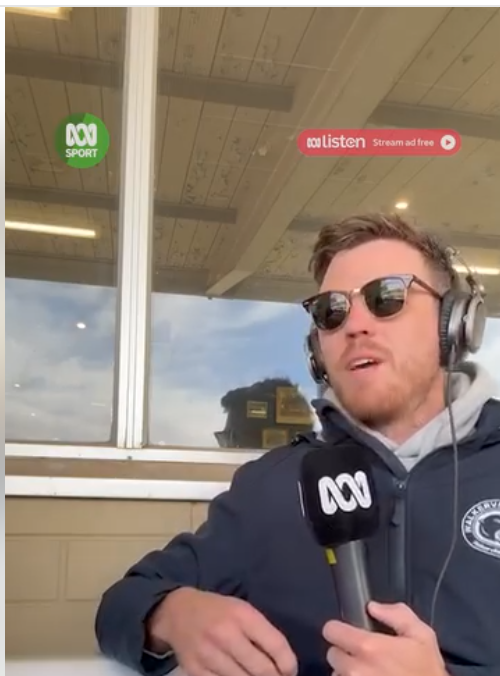
For former player Paul Seedsman, one would expect he’d give up all the potential settlement money for merely the chance to feel like himself, to live the day-to-day at ease, to not feel like a broken toy or flat battery.
“Some days I wake up and can’t get out of bed, and I’m sort of gone for the whole day. Other days, it just gradually increases throughout the day.”
Seedsman, a 135-game player who made the All-Australian squad in 2021, suffered a serious head injury in 2021; he battled for two years before retiring in 2023 and hasn’t played since. In a 2025 interview, he admitted he can’t sustain consistent work and has periods where he is in agony.
I remember the first time I saw Seedsman’s video in 2025. After being in bed all weekend, dealing with my own flat battery, I burst uncontrollably into tears. I rarely demonstrate any positive outward emotion anymore; joy is remembered more than regularly expressed.
The last major concussion I sustained was in 2015. I suffered a ‘cheap shot’ from a 120kg behemoth of a man. To add insult to injury, I didn’t even receive a free kick. I tried to get up several times but repeatedly fell face-first to the ground. When taken to the hospital, I couldn’t remember my home address or basic facts about myself.
The next month involved me sleeping and staring blankly in a dark room. It took me two weeks to phrase a full sentence. I have had three documented concussions. However, the count is closer to seventeen, due to being knocked out in games as a teenager, being administered smelling salts, and told to go to the forward line and ‘take it easy.’ This concussion (2015) turned me into an invalid for over a month.
Community Concussion Research Foundation founder, and AFL player advocate Peter Jess regularly discusses concussion issues and supports former players suffering from TES; describing symptoms that are relatable to my devolution. Since 2015, my levels of depression progressively increased, and my self-discipline progressively diminished. I started having issues with infidelity, self-sabotage, gambling and overall impulse control. There were countless times when I felt like I was living multiple lives and felt like multiple people. I wasn’t myself; merely a vessel wondering when it would all end.
| If You or Anyone You Know Needs Help: |
| Lifeline: 13 11 14 |
| Beyond Blue: 1300 224 636 |
| Concussion Legacy Foundation Australia |
| Concussion Australia |
| ConneCTErs Australia: 1800 199 955 |
| Connectivity |
I started to get severe migraines around 2019. It has taken over fifteen different ‘specialists,’ countless experimental therapies, Botox injections, routine electro-therapy, a daily handful of pills and dry needling to maintain any semblance of life. Dementia is my biggest fear, and I feel my brain deteriorating year by year. Ashamedly, there are days when I can’t express love for my children. I forget simple things like the alarm code. Life is short, and for some it can be shorter. When you can’t see light at the end of the tunnel, the darkness becomes increasingly appealing. However, it can always be much worse.
In 2021, Zac Stanton didn’t just suffer a concussion during an AFL amateur game; he had cerebrospinal fluid coming out of his ear, his skull was fractured behind his right ear, and bone had permeated his brain membrane. Along with not ever being able to play contact sport again, he can only work in a limited capacity; suffering from balance issues, dizziness, regular headaches and exhaustion. His mother explained Zac’s mindset:
“I think he’s tried to be positive, but it’s frustrating when you find it hard to concentrate when you’re tired. The fatigue is probably the thing I noticed most. For a 27-year-old to be so tired all the time, that’s not normal.”
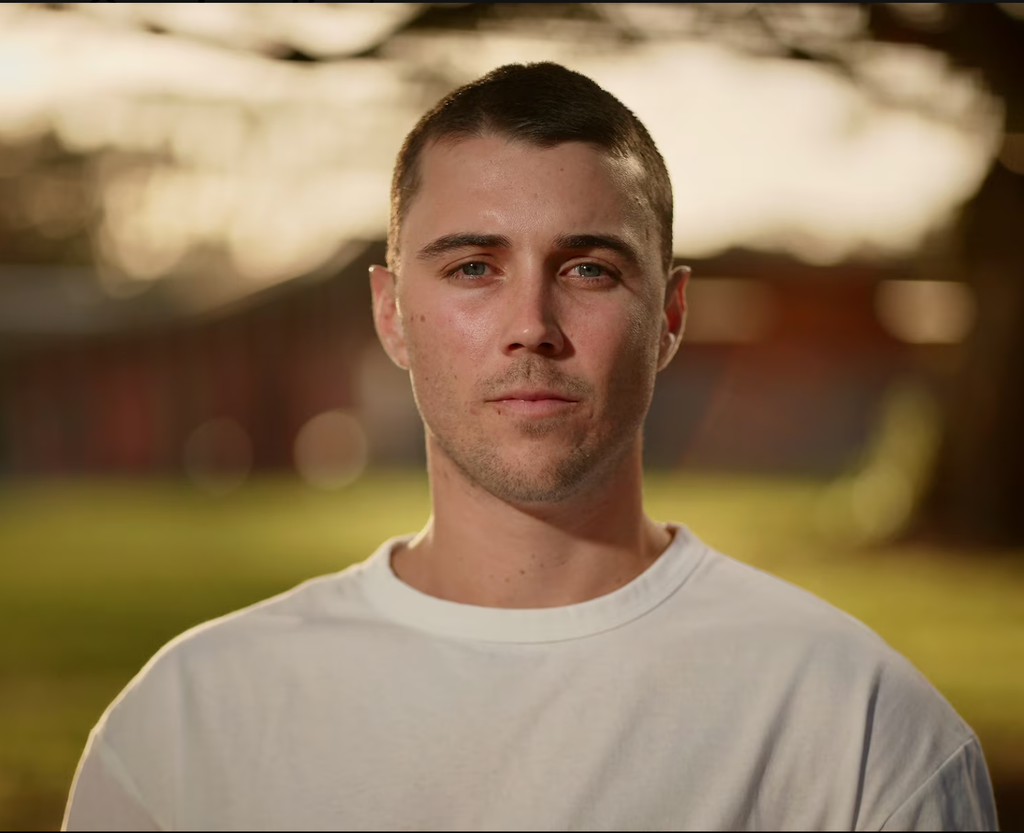
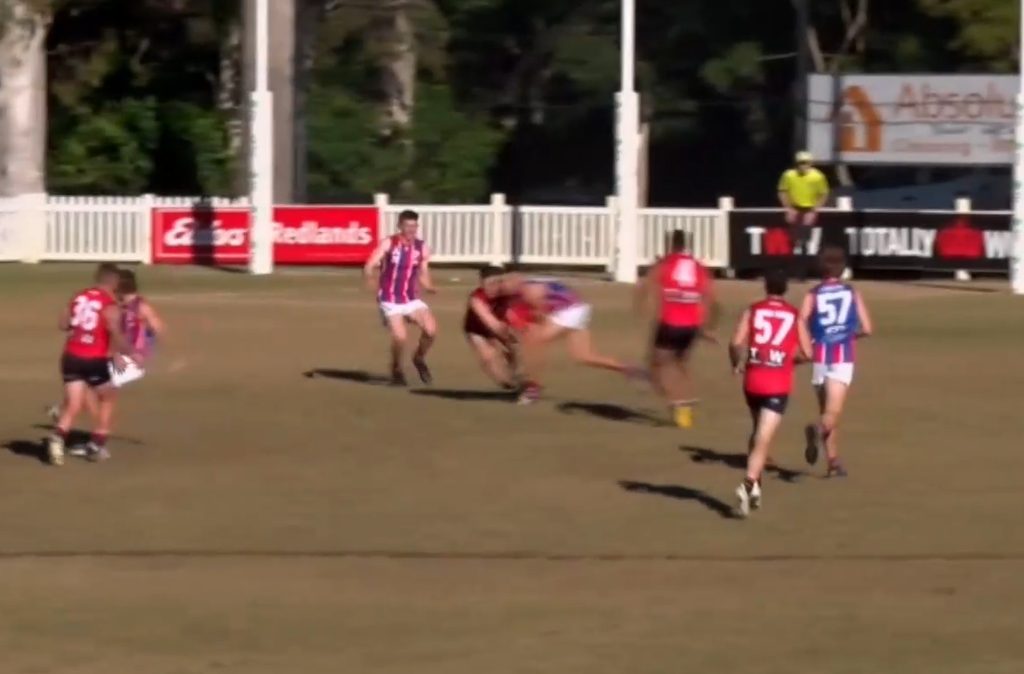
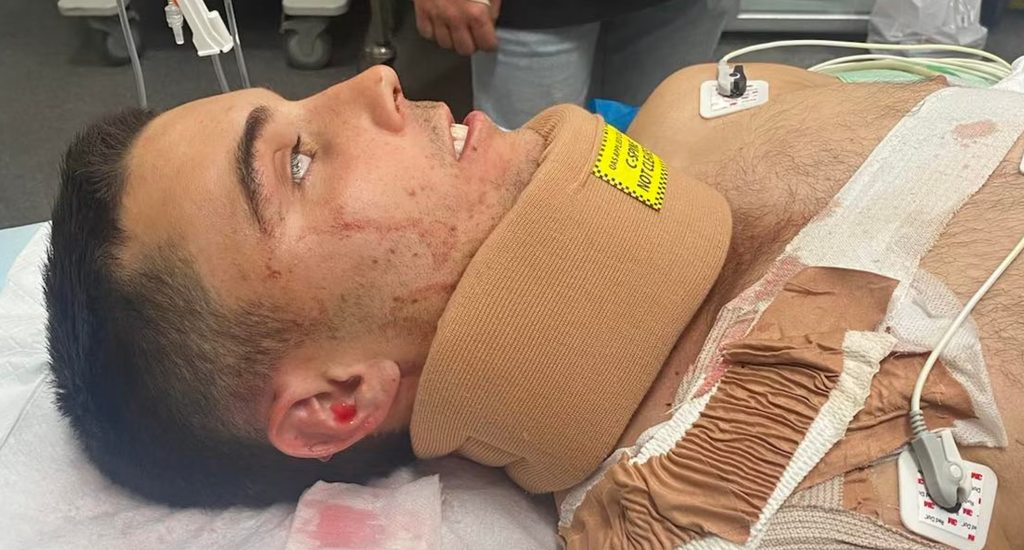
To add a cherry on top, his insurance did not cover brain injuries, and although he received a sum of money for permanent hearing loss, there is no guarantee he will ever return to normal. However, it can always be much worse.
In 2023, Nick Lowden died aged 23 years: the youngest Australian Rules player to be diagnosed with CTE. After a 2017 AFL game, Nick was tested for concussion symptoms but was cleared and continued to play. Afterwards, he showed signs of memory loss and couldn’t recall the words to the team song. Over the next year, Nick faced a constant battle. His mother recalls him saying, “What is wrong with me? What is wrong with my brain?” She also stated, “He ate well, he wasn’t a drinker, didn’t do drugs.”
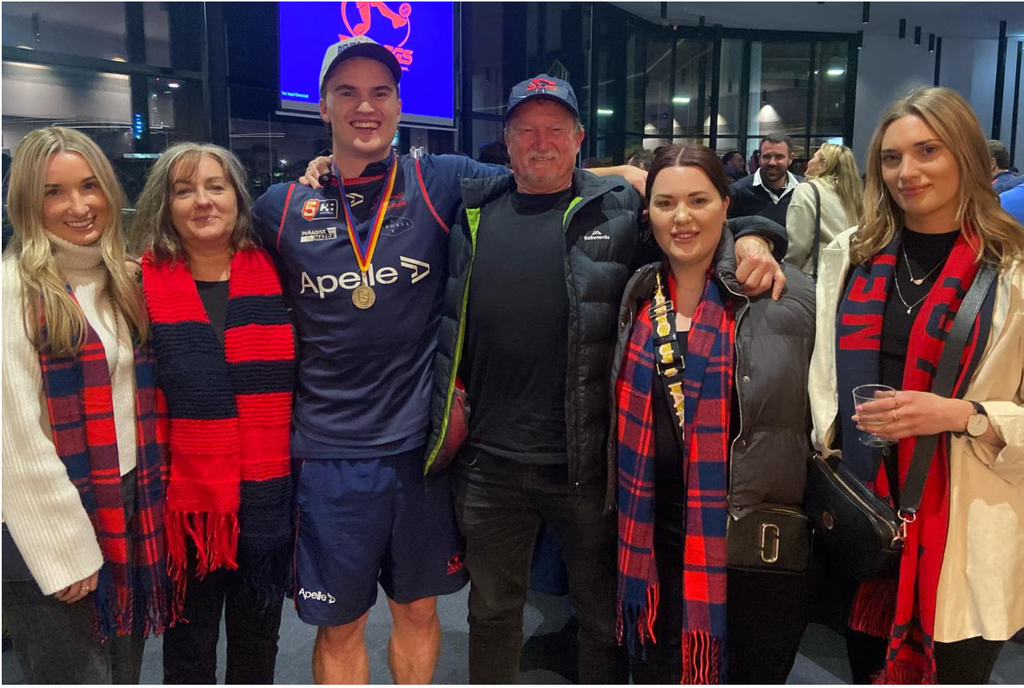
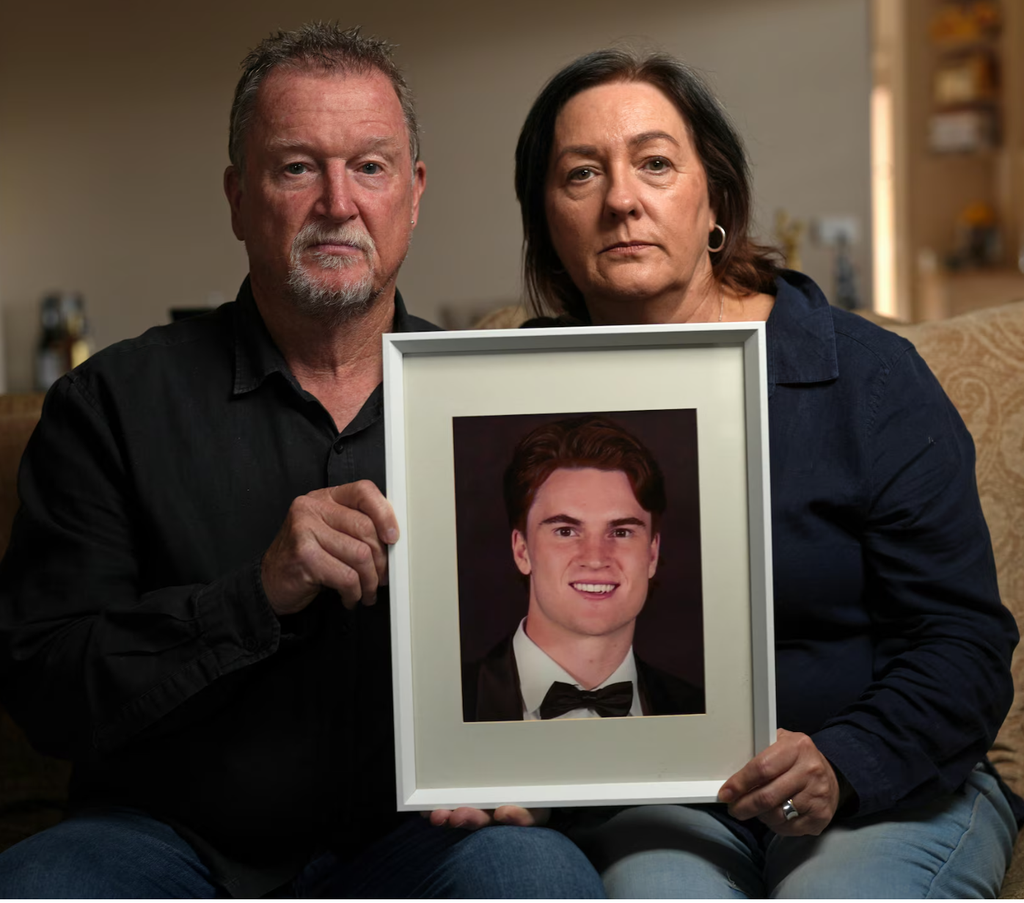
On August 3rd, 2023, she returned home with her husband from a holiday, only to find Nick had committed suicide. He joined a growing list of ex-players who have taken their lives due to mental health issues; where CTE was confirmed during the autopsy. However, it can still be even worse.
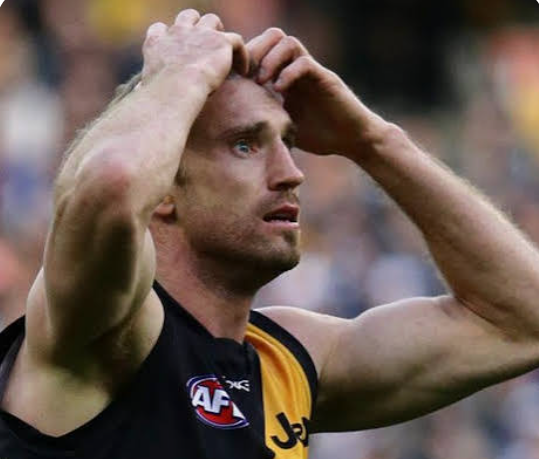
Ex-AFL player Shane Tuck’s brain was riddled with CTE legions; the worst diseased brain Professor Michael Buckland had ever seen. Shane’s sister, Renee, stated that he had been hearing voices, had suicidal thoughts, and was forced to stay in a psychiatric ward.
“His brain was literally rotting away, making Shane’s final days on earth a warzone in his head.”
The Play AFL Concussion Guidelines were updated in May 2026; yet it undersells the effects of repetitive head injuries and ‘cherry-picks’ the updated scientific evidence regarding CTE research. “A large-scale review of all studies on long-term changes suggests that men who participate in amateur sports are not at increased risk of changes in brain function compared with men in the general population.” No studies are referenced in these guidelines, and I was almost physically ill reading them.
In a 2018 Boston University study, the brains of deceased NFL players were analysed, and 345 out of 376 were diagnosed with CTE (91.7%). As of 2026, thirty-three professional and amateur AFL footballers have been diagnosed with CTE. Dr Anne McKee, one of the world’s leading experts in CTE, states that the evidence demands action. “There’s a potential financial benefit of pretending these sports don’t have risks, but I think the scientific data is incontrovertible.”
Furthermore, in a 2022 Australia Sport Bank study, of the twenty-one brain donors who had played sports with the risk of repetitive head injury, twelve had pathognomonic CTE, and six had committed suicide. Six of the eight donors (75%) who played AFL demonstrated neurological evidence of CTE.
Understandably, I took great offence reading the 2019 Australian Institute of Sport Position Statement that had the audacity to claim that “there is currently no strong evidence clearly linking sports-related concussion with chronic traumatic encephalopathy (CTE). This statement, which included input from the Australian Medical Association and was funded by the Australian government, claims there is a “paucity of evidence” with research concerning sports-related concussions and CTE. In an updated 2024 position statement, it is still being argued that “there is a lack of high-quality evidence indicating the degree of association with RHT (repeated head trauma), concussion in contact and collision sport with CTE.” Maybe they should spend a week in Paul Seedman’s shoes and see if their opinion changes.
What does this mean for the future of contact sports? In short, probably not a lot. In the NFL, despite improved safety and mandatory concussion protocols, it is still an incredibly violent (and profitable) industry. The AFL is a similar entity; Peter Jess goes as far as labelling the AFL “big tobacco.” As long as the sport is profitable, the show must go on.
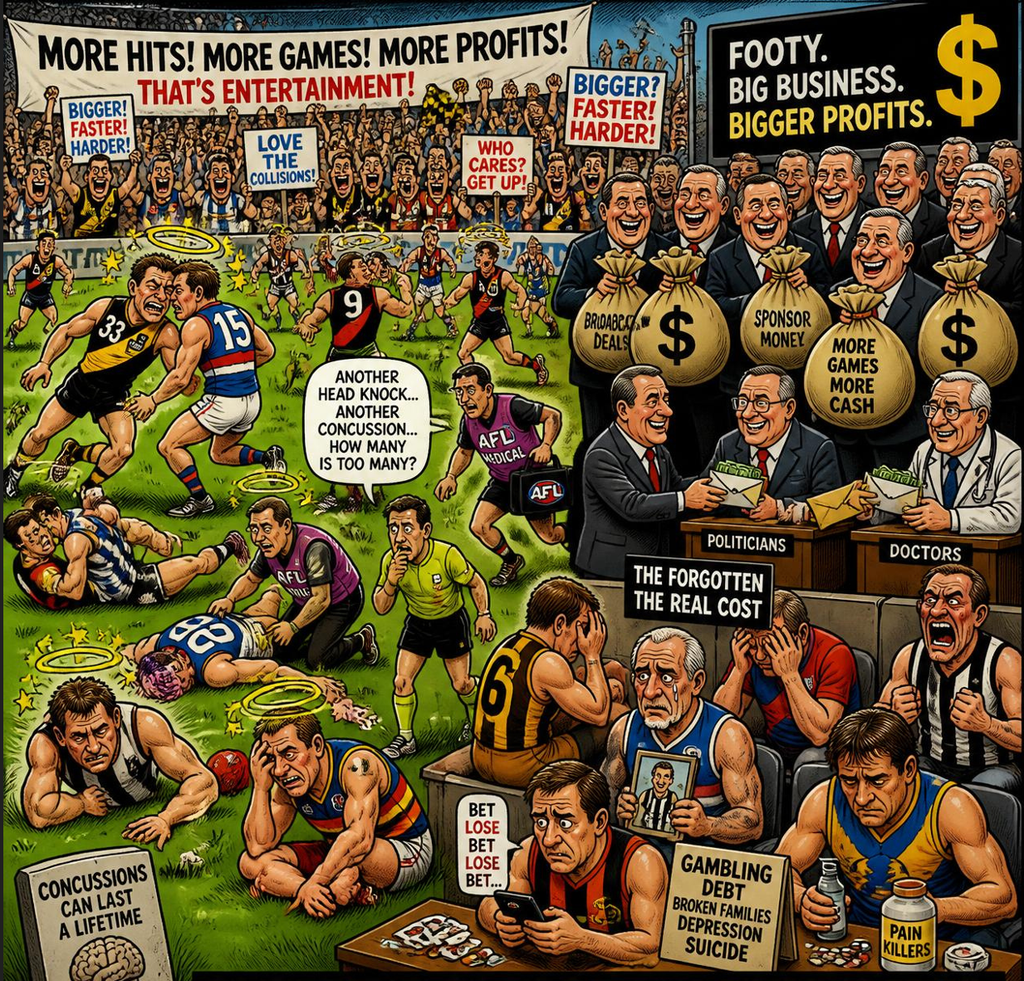
Until there is a push against self-regulation, self-serving agendas and haphazard reports disguised as truth, change will remain superficial. Until there are independent agencies monitoring, maintaining and regulating these multi-billion-dollar sporting agencies, the inmates will continue to run the asylum. Although the landmark class action commencing in 2027 may signal significant changes, I firmly believe, regardless of the result, there is an ethical responsibility for all stakeholders to improve safety standards.
Someone asked me the other day (fittingly, I can’t remember who) if I could go back and change ever playing AFL, would I have still played? I feel ex-rugby player James Graham, who reportedly suffered over 100 concussions during his career, summed up my feelings fairly accurately: “Maybe for me the meaning of life was finding something worth dying for. I went with it.” Simply put, if allowed, I would play tomorrow and risk the consequences. I know this is a destructive mindset, but unfortunately, it probably reflects the mindset of most players. I never played at a particularly high level or was a particular superstar… but therein lies the problem, and the main reason that players need to be saved from themselves.
 IAmAWeirdLittleKnickKnack
 Idea Phochaiya
 M.Ritchie