
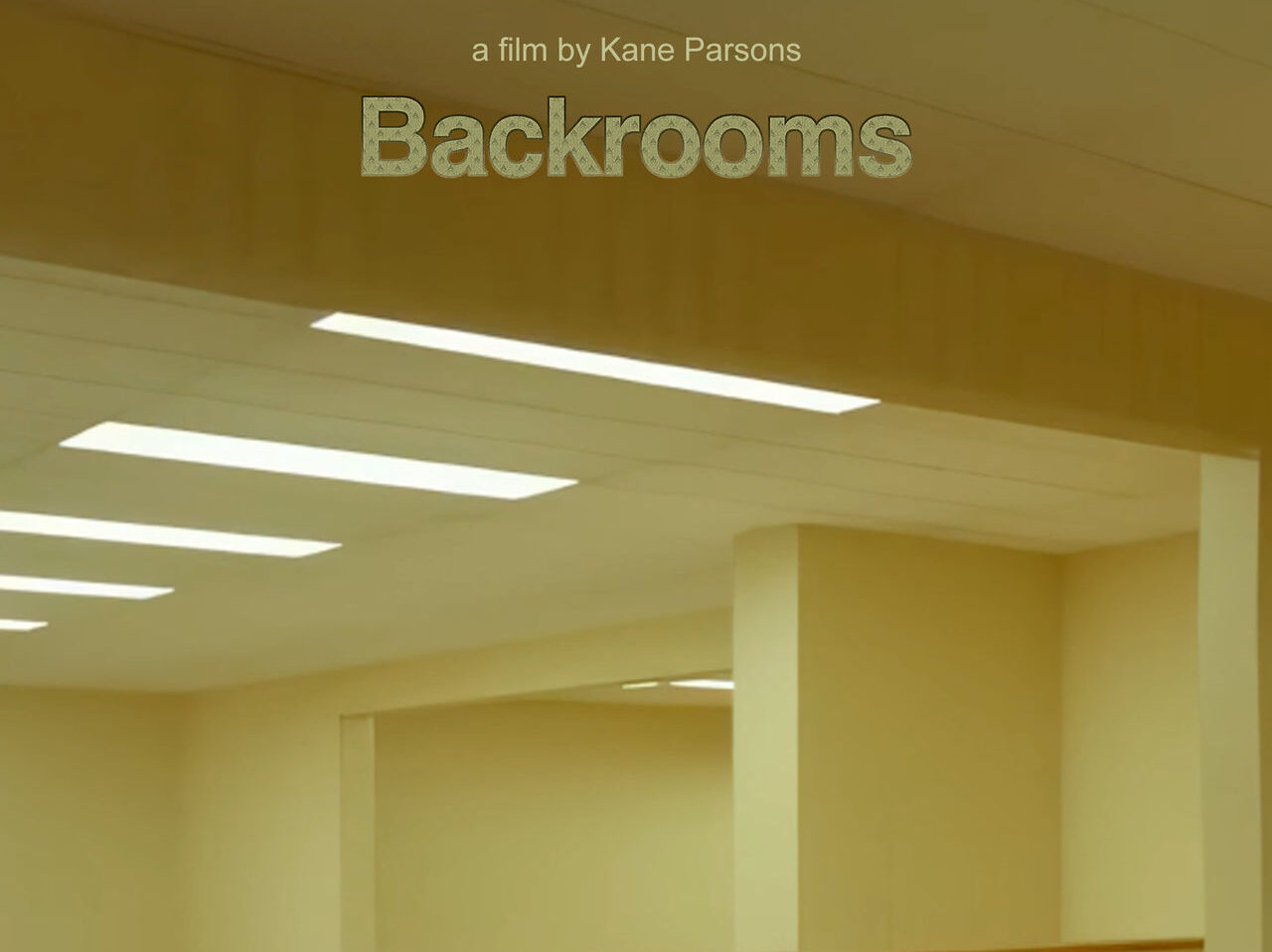
Kane Parsons’ film Backrooms which released in May 2026, is a psychological horror that transforms an internet horror fad into a feature-length cinema experience. The concept of the backrooms originated from a viral image posted to 4chan and later Parson’s series of YouTube videos, representing the growing influence digital culture has over mainstream media. Parsons’ unusual career trajectory from YouTube creator to feature film director is important when reviewing the film because it shows how quickly online horror can develop from a niche community creepy pasta and transition to worldwide mainstream success.
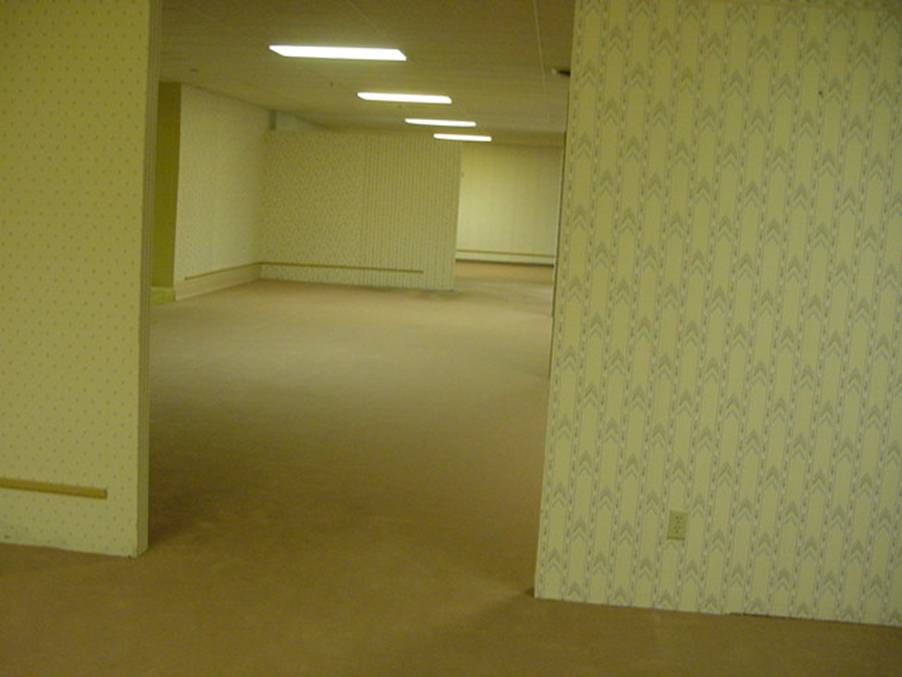
The film follows Clark played by Chiwetel Ejiofor, a struggling furniture store owner who accidentally stumbles into the backrooms through a wall in his store. The backrooms are characterised by endless yellow hallways and offices, lit by fluorescent lights. His therapist, Mary played by Renate Reinsve, eventually enters to find him. The film has an effective premise and is strongest when the space is not fully explained but rather showcased, allowing the audience to feel uncertainty and confusion like the characters. The repetitive architecture and rooms gradually deforming create a sense of entrapment. The audience was familiar with the backrooms because of the YouTube series but were not aware of how it works, or what is inside. This required context meant that the film had less explaining to do and more demonstrating which ultimately helped the experience.
This film was released during a resurgence of the horror genre in cinema. Horror has become a commercially reliable genre because of low production costs allowing for significant profits. Backrooms exemplifies this well, reportedly being made for around $10 million, and grossing approximately $394 million worldwide, quickly becoming the highest-grossing film to come out of A24 studios. Recent industry coverage of horror’s box-office resurgence shows that Backrooms success was part of a broader horror revival, with younger audiences returning to cinemas to get an experience unattainable at home.

Backrooms’ greatest strength is its visual design. The production design turns normal, boring architecture into something threatening and omnipresent. The repetitive corridors and fluorescent lighting create liminal spaces, which create an eerie nostalgic feeling that is hard to understand and makes the audience uncomfortable. The fear of not knowing what is around the next corner is what makes this film scary, it is facilitated by Parsons’ impressive utilisation of traditional horror conventions, using long shots to build anticipation, limited visibility and sharp sudden sound changes. The film’s sound design and experimental score are arguably as important to this film as its visual design.
However, the film is not equally successful across every area. Its atmosphere and film conventions are considerably stronger than some of the character development. Clark and Mary have enough of a psychological background compelling enough to carry the story, but sometimes it feels underdeveloped. This is especially noticeable because of the emphasis the film places on therapy and mental health. Critical responses to the film similarly note the tension between the atmosphere creation and the occasional over-explaining of the mythology.
The film’s themes are nevertheless relevant to contemporary audiences. The repetitive and empty backrooms can be connected to loneliness and disconnection being felt worldwide in a post-COVID screen-centred society. These themes have been seen across many well-received films this year including Spiderman: a brand-new day, Obsession, Project hail mary and many more. Like Backrooms, these films reflect a growing interest in stories that explore isolation and the difficulty of forming genuine connections in an increasingly digital world. While Backrooms does not directly address these issues, audiences can feel particularly represented by Clark’s journey and isolation.
Overall, Backrooms is a successful atmospheric horror experience rather than a fully fledged psychological drama. Its production design, sound and visual style are unique, exceptional and responsible for captivating the world. While its characterisation and slightly overexplained concepts hinder it slightly, there is no doubt that Parsons demonstrates an impressive understanding of the genre and showcases an incredible story of a real-life passion project achieving monumental success by being backed by niche internet communities and platforms with genuine interest. The reflection of internet culture and the exploration of modern themes create an experience that many people can relate heavily to, showing promising signs for the future of the genre and innovation in cinema.
 bella
 Hayden Price
 Finn Wilson