

Heartstopper, the award-winning young LGBTQ+ TV show, has always been about beginnings: first love, new friendships, coming out, finding yourself and people who support you.
So how do you bring that to an end?
Premiering on Netflix in April 2022, Heartstopper follows high schoolers Charlie Spring and Nick Nelson, whose friendship develops into an adorable but fraught romance amid bullying, questions of sexuality and mental health. Alongside them, the series follows Tao and Elle, Darcy and Tara, Isaac, Tori, and Imogen, each navigating their own relationships and identities. [link] As the characters mature across seasons two and three (2023–2024), the series expands into struggles with mental health, intimacy and the “uncertainties of early adulthood.”
In 2024, Heartstopper was renewed for a fourth and final season, intended to conclude Alice Oseman’s story using material from volume six of the graphic novel and the novella Nick and Charlie. Oseman said she was “overjoyed” by the renewal. But in 2025, Netflix announced that the final season would instead become a feature film.
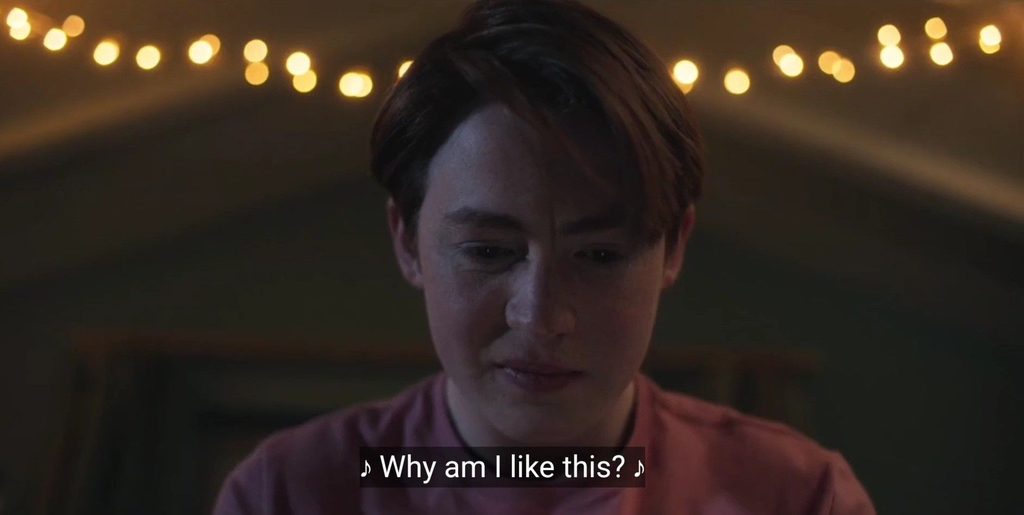
Heartstopper’s TV format included eight 30-minute episodes a season, the ends of which would either devastate you or promise you something magical. Ending episode two ‘Crush,’ Orla Gartland’s ‘Why Am I Like This’ plays as Nick types ‘am i gay?’ into Google. He clicks enter, and you’re left staring at the credits as the lyrics repeat. Showered with moments like this, I found myself flying through the show, captured by the emotional worlds it made me feel, rather than just watch. It’s no surprise that it earned “Most Bingeable Show” from the Digital Screenwriters’ Awards in 2022.
Nick and Charlie weren’t the only ones developing before our eyes. Tao grappled with his distancing friendship group, Elle navigated a new school and her feelings for Tao, and Isaac discovered his aromantic and asexual identity. Tara and Darcy confronted homophobia, family problems and questions of gender, while Imogen explored her sexuality and Tori offered another perspective on asexuality. This breadth of “varied and positive queer representation” has been credited with having a significant impact on young queer audiences.
Naturally, fans wondered: why change now?
Netflix and the creative team wanted to create a “tight, emotional ending that remains true to the characters and Alice Oseman’s original vision…rather than flog the story to death.” This meant avoiding “cliffhangers or episodic arcs” and instead focusing on a cinematic “mood, atmosphere, and emotional depth” to make the finale feel truly conclusive.
So, did it work?
Heartstopper Forever released on Netflix in July 2026. Critical responses were largely positive, with the film earning a 93% score on Rotten Tomatoes from 44 reviews. Yet even positive reviews criticised the compressed format, one described it as “rushed” while praising its emotional and dramatic payoff and lamented the lack of deeper exploration of side characters.
The title Heartstopper Forever brings the series’ central question – can a first love last forever? – to its conclusion. But “forever” also gestures towards what comes after the story: a happily ever after, not as an ending, but as a future. It conjures questions like:
Who will I become? Where will I go? Who will I love? What happens next?
The epilogue answers these questions in miniature. Tao visits Elle, who is pursuing art in Berlin, leaving the door open for their relationship to rekindle or remain friends. Tara and Darcy go interrailing together on a love-induced gap year, while Charlie visits Nick at university.
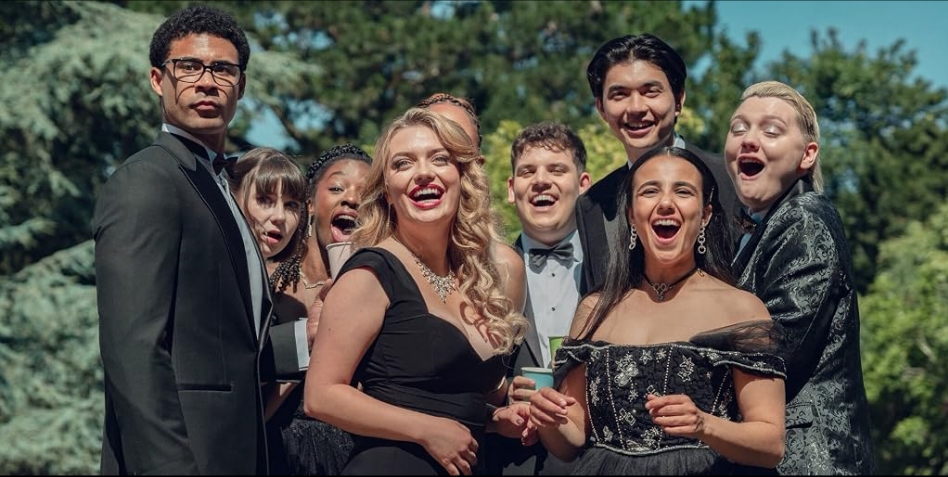
These snapshots give audiences certainty that these characters have futures beyond the story, but they also highlight what the movie has taken away: the journey of getting there. After three seasons of watching these characters grow, I found myself missing the emotional journey.
The brevity of the epilogue helps make that ‘tight, emotional ending’ and provides the feeling of a truly fitting conclusion. It leaves the characters at the beginning of adulthood, with choices still ahead of them. Their futures are defined by opportunities: relationships can change, careers can develop, friendships can evolve. For a series so concerned with growing into yourself, there is something fitting about ending before that process is finished, while leaving us with the impression, as one reviewer commented, that “queer lives deserve to keep moving forward.”
Another review pointed out the film’s compressed timeline, less nuanced conflicts and less substantial roles for some supporting characters. Yet audiences have also celebrated the chance to spend one final chapter with their favourite characters and see them off into adulthood. For those who aren’t ready to let go, Oseman’s original graphic novels and webcomics remain.
Ultimately, the move from television to film was never going to provide the same space for Heartstopper to unfold. Heartstopper Forever removes the conversations, mistakes, discoveries and ordinary moments between milestones for most of the characters – things I personally enjoyed about the episodes. Nick and Charlie’s story, though, truly packed a punch, sending me on an emotional rollercoaster.
Perhaps the hardest thing about saying goodbye to Heartstopper is that while the story may be over, the characters’ futures are only just beginning, leaving us with a world of possibilities to imagine – and plenty more fanfiction to write.
 bella
 Hayden Price
 Finn Wilson