
Scroll through TikTok or Instagram for five minutes and find someone who’s telling you what you should eat and buy and how you should live. You are bombarded by skincare routines, financial advice, fitness plans, and health solutions. But have you ever wondered if they are told with experience and expertise?
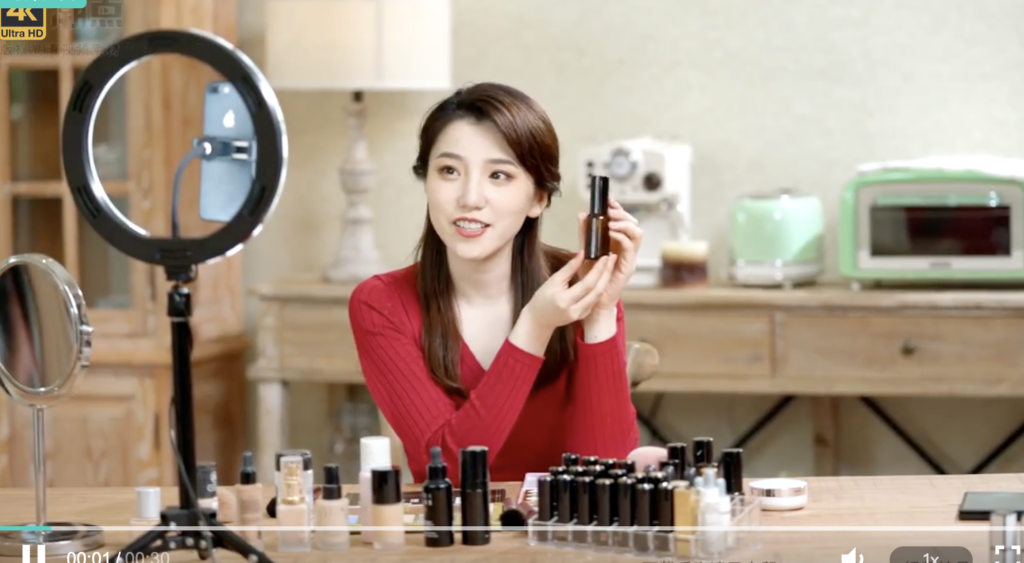
As influencer culture took off, the line between expertise and popularity blurred. The 2025 influencer marketing report found by Morning Consult found that audiences trusting their favorite influencers to recommend products has increased, and in fact, they are more trusted than even an ad. But trust doesn’t translate to credibility. Having a doctor’s coat, speaking medical terms, and 100,000 followers doesn’t make someone an expert on nutrition, well-being, and health.
But here’s the catch: in most cases, influencers are marketers. They’re just really good at selling you commodities. Take skincare advice as an example. An influencer after another recommends active ingredients like retinol or acids, while the follower takes it blindly, unaware of skin types or the medical implications. The influencer gets paid. This is not just harmless content. It’s a system that relies on perceived authority without accountability.
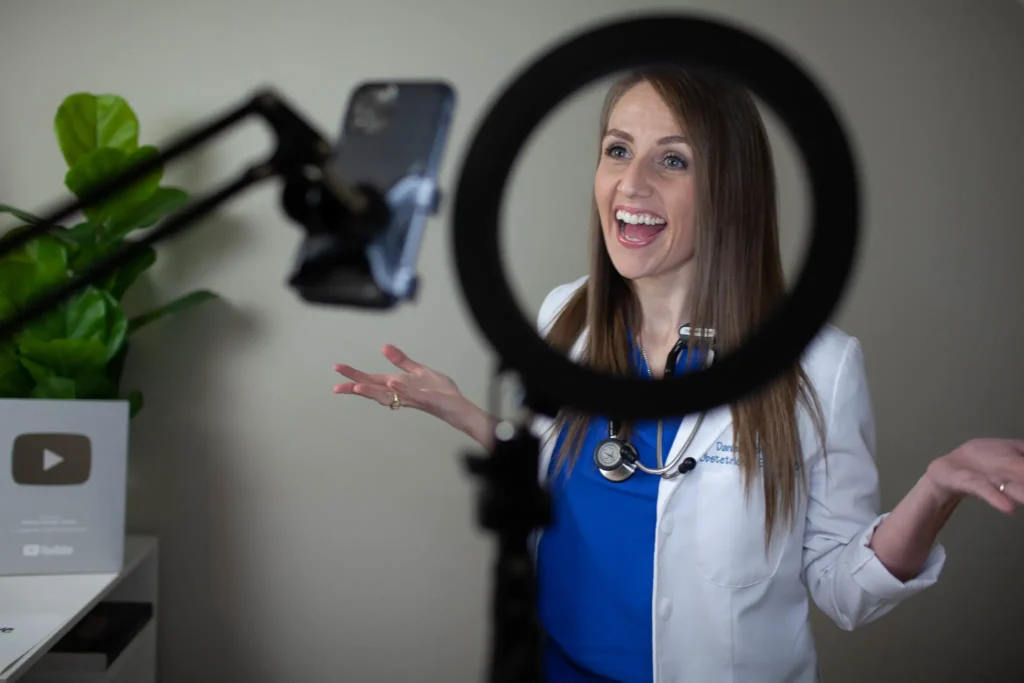
What makes this worse is how down-to-earth influencers are. Unlike professional marketers or sponsors, they seem “one of us” with experience. That accessibility creates trust, but it also creates a dangerous illusion: that lived experience equals expertise. It doesn’t. Trying something once doesn’t equate to being able to recommend it to millions.
It sounds easy, right? But the reality, unfortunately, is not so straightforward. To be clear, not all influencers are problematic. Some are professionals with solid expertise or working with professionals. But the social media system favors bold claims, uncomplex advice, and “life-changing” products, despite the lack of scientific conditions or complexity.
This content goes viral faster than the nuanced, evidence-based kind. Moreover, audiences are surprisingly trusting of recommendations under the bias of recommendation in influencer content. The system itself encourages performance over knowledge. And until the audience becomes more critical, the cycle continues.
So, what should change?
First, not every recommendation is a good one, especially in professional areas. Secondly, don’t confuse influencers with experts. And finally realize that something on the web isn’t the same thing as trusted advice. Because at the end of the day, influencers aren’t your doctors, your financial advisors, or your trainers.
Do you believe the influencers will take responsibility for your taking their advice?
 Shoujie Wang
  Han Tianyong
  Yinan Zhou