
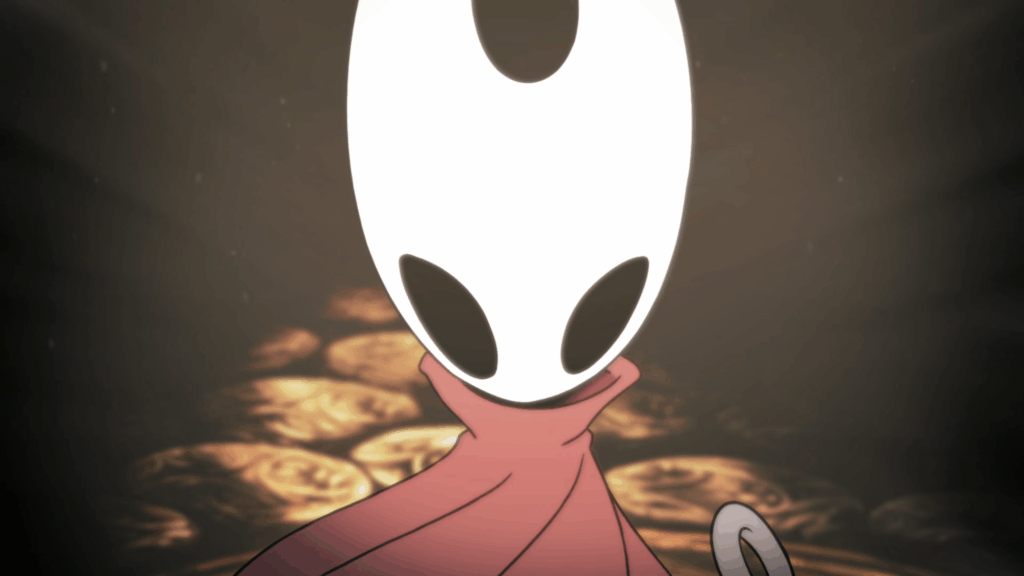
Image Credit: PC Gamer
When I was five years old, my family went to a big trip to Bali for Christmas and that’s when I first got my Nintendo Wii. It felt like a magical escape to different worlds that helped spark my imagination and bring together my friends and family like nothing else. A lot of my fondest childhood memories involve me and my siblings, family, and friends playing games like Wii Sports, Mario Kart, PokePark and more. Those memories are a core reason as to why and how I fell in love with video games in the first place.
But somewhere along the way, that feeling started to fade.
Over the past two decades, the gaming industry has exploded into one of the most profitable entertainment businesses in the world, if not the most profitable, now making hundreds of billions of dollars globally. With that growth has come the inevitable involvement of corporate stakeholders more interested in quarterly profits than in preserving the artistry or spirit of the medium, shifting around the early 2010’s when video games were viewed with a different perspective. Video games became much less of an entertainment product and instead focused on financial gain, with large studios like Nintendo once beloved for their innovation and community-focused design have begun to prioritise monetisation, brand control, and intellectual property policing over player experience.
This shift is a clear sign of corporatisation, when decisions within the gaming industry are driven more by financial gain than by the quality or integrity of the games themselves. And it’s not just visible in pricing models or micro-transactions; it’s seen in the homogenisation of game design, the crackdown on fan creativity, and the silencing of fans.
But when there’s darkness, there’s always a light. In the city of Adelaide in Australia, Team Cherry has created not only a modern artistic masterpiece in Hollow Knight, but it’s long-awaited sequel game Hollow Knight: Silksong, and it has not only annihilated the online world of gaming, but they have emerged as torchbearers for what gaming should be: authentic, creative, rich, and something that can be loved by everyone; something that reminds you of the love video games can give you. Team Cherry is among the best of the best when it comes to indie game developers, and their presence in the sphere of modern gaming.
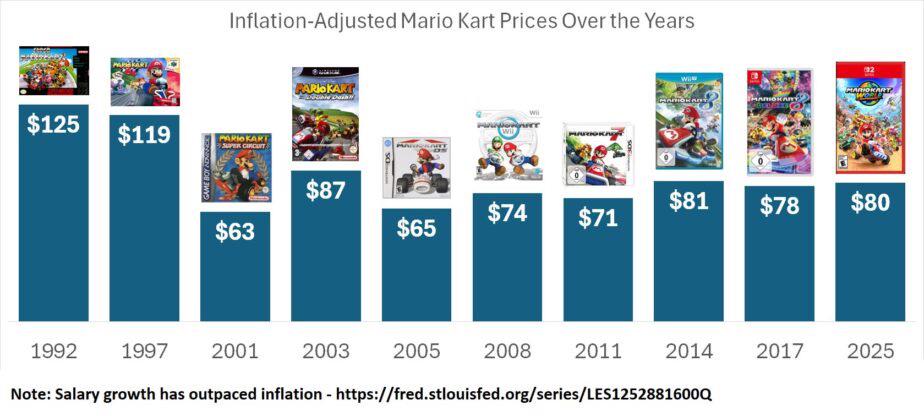
The contrast between Silksong and the modern industry becomes even clearer when you look at how the value of games has changed over time. Back in the 2000s, when I was playing the Wii, new games were usually around $49 US Dollars. These prices were still big, especially when you consider that adjusted for inflation this is about $70 US dollars today, which is about how much games cost now, but an entirely different economic climate surrounded these prices and made it made them much more affordable than they are now.
Today, many big releases easily surpass $100, not including downloadable content, season passes, or subscription services that have been born out of the corporatisation of the video game industry. On top of that, consoles and accessories have become more expensive than ever. What used to be a form of shared entertainment is now edging closer to being a luxury product, especially for younger players or families who can’t justify the cost of staying up to date.
Online discourse around this topic is relentless. On platforms like Reddit and YouTube, players constantly debate whether rising prices are fair or just another symptom of corporate greed. Triple-A publishers justify it with claims about bigger development teams and higher costs, yet players often end up paying more for unfinished or buggy products, or games padded with micro-transactions. People have began “voting with their wallets” instead, and the use of this phrase alone can tell you a lot about the public’s mindset.
Hollow Knight: Silksong’s $20 price tag becomes a giant statement because of the context it lies in. It promises high-quality content for a price that is not only significantly lower than the unfortunate “industry standard”, but Team Cherry’s incredible commitment to making fun games at an affordable price is what makes them so reliable and special to the gaming space today.
When looking at the state of gaming in our current year, it is important to lay down a solid foundation of what the biggest problems are, and how they have all come to be, and all comes down to one thing: the corporatisation of the video game industry, which many are calling corporate greed. According to Bartleby Research, “Corporate greed, by definition, is when a company chooses to place significance on increasing profits in a way that harms employees, consumers and the environment. It occurs when making money becomes the only goal, and the other company’s social responsibility is ignored.” In the video game industry, corporate greed can manifest in different ways, and looking at Nintendo’s business practices over the last 5 years, ever since Doug Bowser stepped in as President of Nintendo of America over Reggie Fils-Amie, it’s clear how the loss of a great personality and someone who worked hard for the fans and justice in the business has affected the way the company operates over time.
Significant price hikes for games that make them over 100 dollars, drip-feed content updates that make the full experience of a game take forever to get, Downloadable Content packs that feel like cut content resold to the consumer, insanely off-putting and strange business decisions like the re-release of the Virtual Boy console which was famous for giving people physical injuries like headaches, seizures, and dizziness, and odd or poor communication with their own customers and audience. This is all just the tip of the iceberg when it comes to Nintendo and its more recent public image and practices, and it hurts sometimes to think about because of how in love with the games I have been since I was little. In an analysis by Gale though, it seems as though Nintendo is still able to pull up big numbers of sales, but it comes along with a heftier price, saying that “enjoying (their) top titles requires an expensive suite of hardware, including a console and accessories. The Switch 2, for example, has a retail price of $449.99. That’s a steep commitment, especially in a market where inflation-adjusted home entertainment spending in the U.S. has declined by nearly 9% (approximately $10 billion) since 2014.”
The issue goes beyond what happens with prices and the global economic problem, as Gale also points out that “As consumer habits shift toward affordability and cross-platform access, Nintendo’s closed model becomes harder to justify for anyone not already bought in.” Nintendo’s once affordable yet fun business model has been destroyed over the last half-decade or so, and it’s left a sour taste in a lot of people’s mouths. However, also over the last half-decade or so, we have seen a meteoric rise in indie games and their continued success, and Silksong is not only a light in the dark, but also the very thing keeping the love of gaming alive.
Hollow Knight: Silksong could be quite simply be viewed as another indie Metroid-vania title that’s been popular since, well, it’s predecessor: Hollow Knight. But reducing not only one of the most highly anticipated games of all time, but also one of the greatest indie games ever is a genuine disservice. Silksong represents a philosophy of game development that feels increasingly rare in today’s industry, where a group of three Australians from humble beginnings can shatter sales and crash every single digital store available, with over 5 million downloads over three days for a game that only costs 20 dollars.
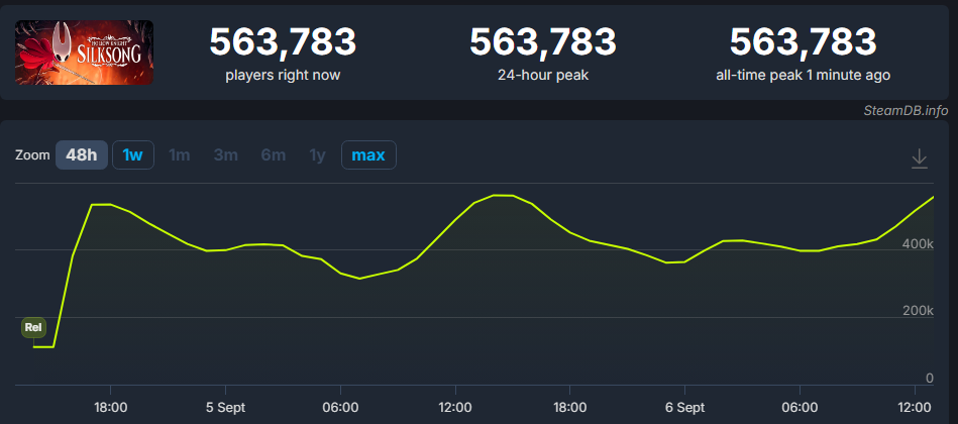
Image credit: Forbes
Hollow Knight: Silksong is, at its core, a continuation from the original iconic indie game Hollow Knight from the same team that expands on, improves, and perfects what made its predecessor beloved. Players take on the role of Hornet, the protector and princess of Hallownest after she is captured and taken to the distant land of Pharloom. With an incredibly expansive world to explore with her fluid movement options and combat skills, a loveable cast of characters and creatures, an incredible atmosphere with hand-drawn environments, a professionally composed soundtrack, a gripping and powerful narrative, and the perfect amount of detail to make the game feel full with love and passion.
Sharanya Udupa’s “Pixels of Passion: The Revolutionary Impact of Indie Games” takes a look further into how independent developers and games are able to thrive thanks to their creative control, saying that “What makes indie games truly remarkable is their ability to experiment and take creative risks. Where major game studios often play it safe, indie developers push boundaries, exploring unconventional themes, gameplay styles, and storytelling techniques. They transform technical and financial limitations into opportunities for extraordinary creativity, proving that passion and imagination can triumph over massive production budgets.”
The beauty of indie games like Hollow Knight: Silksong lies in this kind of authenticity and creativity; the vision that people who genuinely love and appreciate video games have can prosper without having shareholders breathing down their necks. That makes the experience of playing these kinds of games more sincere and personal. It’s people sharing art rather than a product made for a profit and to impress investors.
It’s true that Nintendo does make beautiful games, and among the multi-billion dollar Triple-A studios they are some of the best when it comes to treating their workers, their audience, and their own developers. A great example of this is the late Nintendo CEO Satoru Iwata, who voluntarily halved his salary in 2011 and 2014 to take responsibility for poor sales of the 3DS and Wii U to avoid layoffs and to help continue to create great games for the Wii U and the Nintendo Switch. While this is great, Nintendo and many other Triple-A studios still do not and can not deliver the same kind of magic and spectacle that they used to, and indie developers like Team Cherry have taken ahold of that role.
Team Cherry isn’t alone in this either, as over the recent years we’ve been able to see other independent developers be incredibly successful and create a massive cultural wave, from Stardew Valley and it’s insane popularity and incredible aesthetics and comfy vibe to UNDERTALE and DELTARUNE’s generationally impressive storytelling and writing, particularly DELTARUNE’s massive online success as well. Indie games are what help remind not only me, but millions of people, of what gaming is meant to be. Gaming is meant to bring people together, it’s meant to be something that can be enjoyed by everyone, and Hollow Knight: Silksong has unified people together from all over the world for a change in the gaming industry. Silksong and it’s success proves that the modern gaming audience is hungry for genuine creativity and love when it comes to their games.
When I look at Hollow Knight: Silksong, I see the same kind of magic and love that was there when I first began my gaming journey with my Wii, and the developers at Team Cherry have created something that has not only touched my heart and re-kindled my love for gaming as a medium of art, but it has done the same for those from all around the world. Silksong reminds me that video games aren’t a product to be created for a profit, but a form of art made to be loved and appreciated, something that is meant to fill people with joy, wonder, sadness, and hope, and that is what I will always believe video games can be.
Proudly powered by WordPress
 Guan QiuYu
  REN Ren
  Tan Kane