
Only 25.2% of lead actors in top theatrical films were people of colour in 2025. This shockingly low number is despite decades of creative, historical and even fantastical expressions of the human experience on screen. While surprising that it would be this low in 2025, numbers like these are hardly a surprise. This is because within society and film itself, there has historically been limited or inaccurate representations of people of colour on both the big and small screen. These years of misrepresentation of minority groups, alongside the perpetuation of harmful and demeaning stereotypes, particularly within Hollywood, are what has created this representational gap on screen. In recent years and in light of these historical issues, many people have been asking questions about this diversity gap. This has resulted in many studios attempting to shift this narrative, by creating films that are more racially and ethnically diverse, both on and off the screen. This positive movement has been giving more people opportunities within the film space, that may have otherwise not been possible. However, despite these trends towards inclusive filmmaking, there are still many viewers that disagree with some casting and creative choices, taking to social media to lash out against both actors and studios in what is known as Cancel Culture. These extreme responses enabled by online platforms can pose major risks to these groups in both their personal and professional lives, as they become vulnerable to unjust, racist or out of context commentary on their words and actions. This fear of being ‘cancelled’ has had the effect of limiting and reducing some creative expressions and representations, making the need for true diversity, more important than ever. Thus, while it can be argued that the rise in racial and ethnic diversity in film is a positive step towards inclusive filmmaking, I argue that this movement driven by woke ideologies has a long way to go, to achieve a media space that is truly inclusive and free from hate and discrimination.
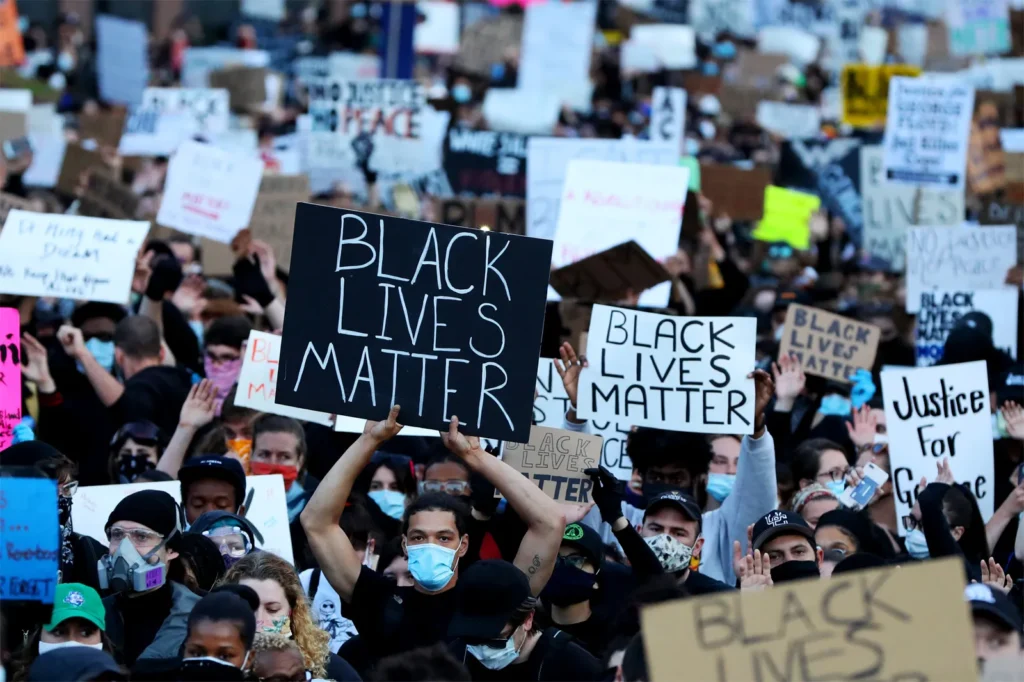
But what are woke ideologies, and why is diversity and inclusivity important in film making? The idea of ‘wokeness’ has been around since the 1930’s, but has become a prominent topic of conversation since around 2014 and the Black Lives Matter protests. It refers to the state of being aware, especially of social problems such as racism and social inequality, which are still very much impacting the lives of people all around the world today. Throughout history and even now, there are countless examples of extreme racism and violence against people of difference that have been committed, often without much reason besides prejudice. It is this exact reason why pushing an awareness of current and past challenges is so important to portray in the media.
Hollywood has historically been known for underrepresenting both women and people of colour, such as; Black, Asian, Hispanic and Latino individuals, with research finding that the negative or false cultural representations in cinema can produce harmful social effects, particularly toward women and racial minorities. These misrepresentations have not only a short- term impact on the actors themselves, but also a much larger long-term negative impact on these communities within society, if people continue to fail to truly understand these groups. Inclusive, colourblind, colour- conscious casting are all ways that film studios are helping to reshape these current representations of different cultures. Hence, the need for inclusive and diverse casting has been recognised, with films that have more diversity greatly helping to reshape existing narratives about minority communities, alongside helping to create a more inclusive film industry that accurately represents people of difference.
Gen Z and Millennial’s viewing preferences have been the driving forces behind this seemingly sudden rise in the focus on diversity and inequality in film and society. The Hollywood diversity report 2024 found that 74% of Gen Z and Millennials are interested in seeing diversity and representation when they stream TV and movies. In addition to this shift in audience preferences, there has also been a political shift towards more progressive and inclusive ideologies over the past few years. Despite many people, particularly conservative politicians’ concern that ‘wokeness’ is a threat to society and even a “dangerous form of decadence”, there is still the need to represent all types of people as equal and valuable members of society. Thus, despite current and historical negative narratives surrounding people of diverse backgrounds, there is an ever- growing need for inclusivity and awareness of cultural and social issues to be represented within the media space today, to create a society that is unburdened by prejudice and discrimination.
While the need for inclusive and diverse casts in film making is ever on the rise, social pressures often negatively affect many film-makers ability to effectively convey compelling and authentic stories. Cancel Culture is one of the biggest drivers of this fear, as it often inhibits many studios ability to creatively convey stories, without risking significant social backlash. Cancel Culture is “the highly visible calling for and enacting of boycotts, condemnation, and social exiling of a person or group whose harmful behaviours or attitudes have been deemed unacceptable, offensive, or inappropriate” (Traversa et. al, 2023). The issue with this is that in recent years, with the rise of much discourse surrounding gender roles, expectations and racial conflicts, it has become incredibly easy for people to become targets for mass harassment online. This poses major risk for film studios, as well as the directors in their personal and professional lives. This is because if they happen to make a statement or convey a message that a particular social group doesn’t like or agree with, they run the risk of significant reputational loss and future employment opportunities. These fears inhibit artistic and directive freedoms, and instead of directors willing to make wild artistic leaps forward, they cower and adhere to whatever hip narrative is trending, in an attempt to not offend anyone.
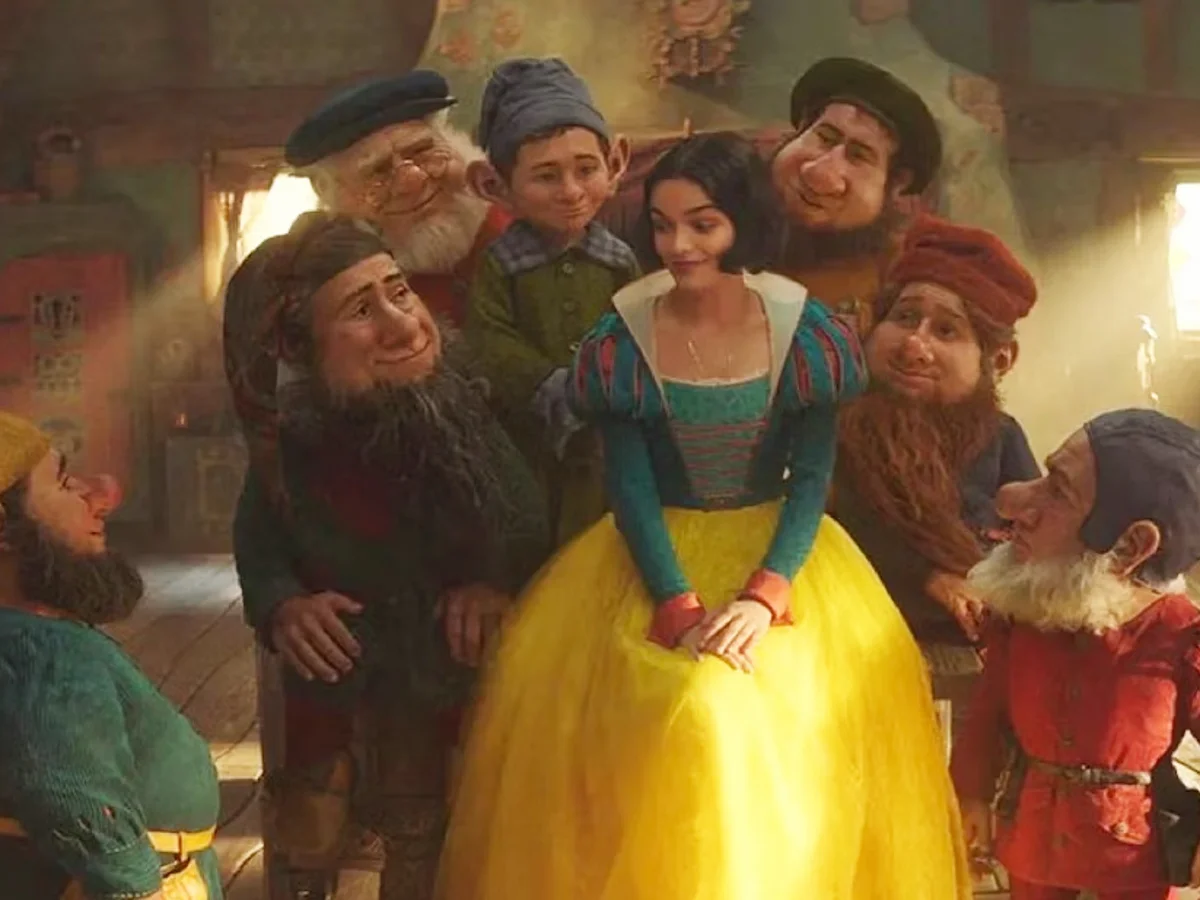
One such example of this attempt to make a politically correct film that resulted in significant backlash, is the recent live action Snow White by Disney. There were a multitude of issues audiences had with this film, including casting Latina woman Rachel Zegler as the titular character, as well as her many outspoken opinions about the original plot line of the story, that audiences did not respond well to. In addition to these issues audiences found with Zegler and her skin tone, Disney also made the choice to make the iconic seven dwarves CGI characters, rather than casting actual people with dwarfism. This was also met with serious outrage from people within the dwarfism community, particularly from Peter Dinklage, the Game of Thrones star with dwarfism, who expressed how he “was surprised Disney was so proud to cast a Latina actress as Snow White, while “you’re still telling the story of Snow White and the Seven Dwarfs””. He, along with many others thought that this casting choice to include people of colour, but not people with disabilities was disappointing and carried heavy double standards. Particularly as people with dwarfism have suffered significantly throughout history and even now, from severe mistreatment and misrepresentation within film and wider society, with prominent examples such as in the Wizard of Oz, and Charlie and the Chocolate Factory. Thus, as a result of Cancel Culture and the fear of upsetting audiences, directors fail to produce stories that are truly inclusive and creative, without the fear of challenging current status quos and modern ideologies.
The role of the web and social media platforms have dramatically changed the way audiences are able to interact with and react to both film studios, and actors themselves, particularly regarding hateful commentary. Modern ideologies about the need for more diverse casting within Hollywood and the film industry more broadly, is currently having negative effects on not only studios’ abilities to produce effective stories, but also on the wellbeing of the actors themselves. Despite the web’s many incredible benefits, the speed that information is shared online and the ability to access almost anyone through this platform, even A- list celebrities, has dramatically increased their risk of exposure to stalking, harassment, defamation and hate speech. This extreme and personal access, coupled with already existing racist beliefs, creates an unfair and harmful environment for these actors and studios to witness extreme hate being personally projected towards them. Examples of this extremely personal, targeted and racist behaviour has been on the rise over the last decade, alongside the rise in the diversity and ethnic casting and recasting of major film roles.
Roles such as Halle Bailey as Ariel in The Little Mermaid, and Leah Jeffries as Annabeth Chase in Percy Jackson and the Olympians, are all such examples of roles that have been recast with diverse actors that differ from the original source material. Despite having performed well in their respective roles, they both faced significant backlash, largely steeped in racism, for their casting. The backlash was particularly felt by 15 year old Leah Jeffries, as many fans of the original book series responded with outrage that she was playing the character of Annabeth Chase. She was attacked on her social media pages, as well as in public forums because her physical appearance didn’t match the book description. In a statement by Rick Riordan, the author and producer of the original series; he highlights how this public response was not only inherently racist but also bullying. The extreme responses she got to her being chosen for the role was not only unfair for her mental health and career, but also to the studio that believed she was the best fit for the role.
These extreme negative reactions were also faced by Halle Bailey in The Little Mermaid, who took on the character of Ariel, who was originally white. Bailey was destined to face controversy for this role, not only because of racism, but also of Disney’s recent focus on creating only racially diverse films. While well intentioned, it has often felt forced, causing audiences to check out from the story itself, and disengage with both the studio and actors. Studios need to redefine their approaches to creating these more inclusive films, to protect their employees and overall reputation. Actors deserve to work in a space that is free from discrimination where judgement is based on performance rather than physical appearance, like any other workplace would expect. Thus, despite the efforts of film studios to create inclusive and diverse films, as can be seen within the aforementioned films, society is still responding to these efforts with racism and aggression, negatively impacting the lives and livelihoods of these actors.
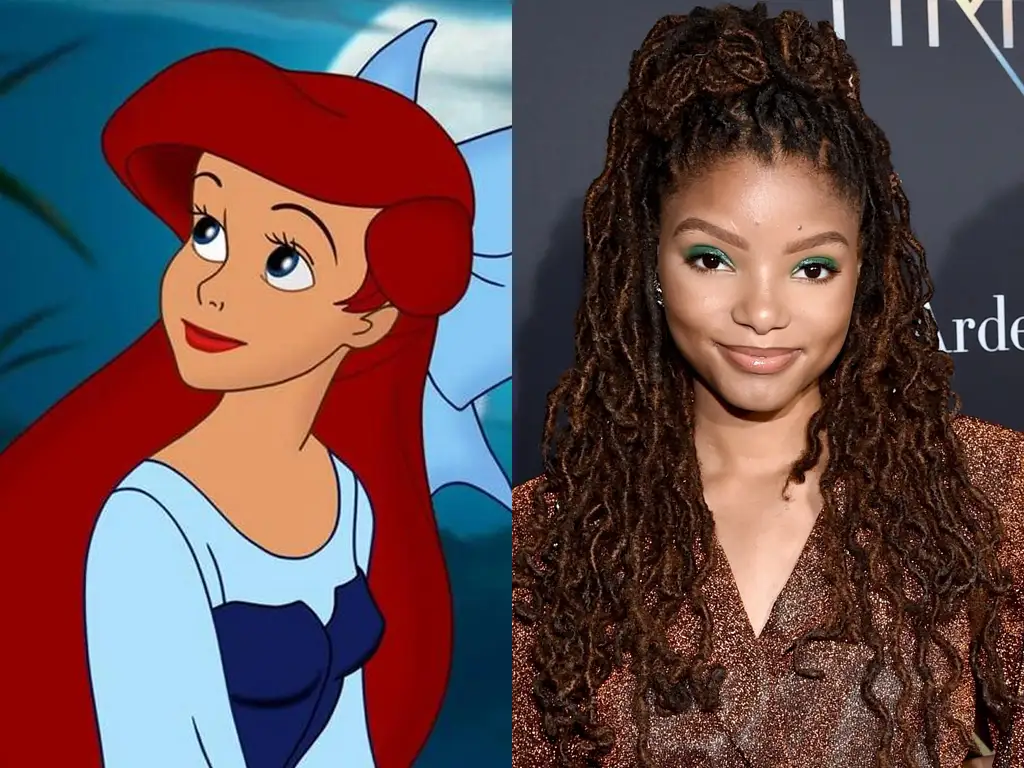
Years of misrepresentation and social inequality are the core reason for the ever-growing need for racial and ethnic diversity to be shown within in film. Despite this need, the current social climate makes that goal incredibly difficult to achieve. This is because woke ideologies and an online world that is quick to ‘cancel’ people has created an unfortunate paradox and a lose/ lose situation. If a studio were to produce a film that contains an all/ mostly white cast, they would likely be called out by ‘woke’ individuals for their lack of diversity. However, if they were to then create a film with an entirely diverse cast, both the studios and actors will experience significant online racist harassment. Hence, film studios need to critically evaluate and redefine their current approaches to creating honest, accurate and thought-provoking content that seamlessly integrates racial and cultural diversity. This continuous redevelopment of the media landscape is paramount to creating a space that is inclusive, free from discrimination and reflective of the cultural landscape of the time.
 Guan QiuYu
  REN Ren
  Tan Kane