
Baby Botox. Buccal fat removal. Blepharoplasties.
The list of trendy cosmetic enhancements promoted to women via social media is practically endless. Tired of those stubborn smile lines? A quick injection can smooth away any unwanted signs of past happiness. Or perhaps those cheeks are looking a little gaunt – good thing there’s a fat graft for that.
For every viral procedure, there is a newly invented physical deficit to go along with it. Audiences are being encouraged to correct these perceived flaws, whether they realise or not.
Introduction:
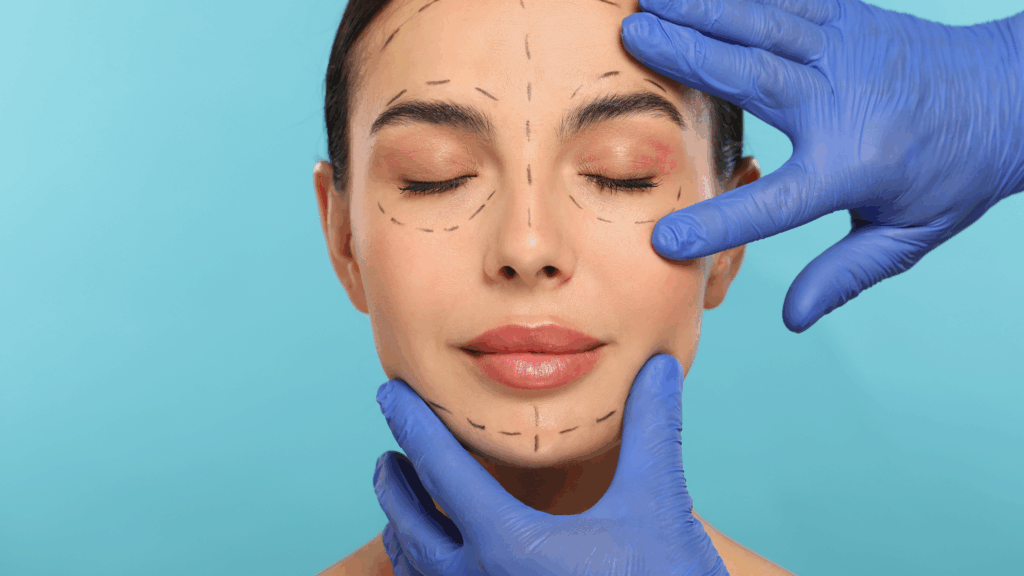
Aspirational social media content promotes the normalisation of cosmetic surgery, reinforcing an unrealistic and artificial beauty standard for women. The increasingly viral nature of these procedures is particularly concerning, as it suggests that certain physical features can go in or out of trend. Social media is flooded with pro-surgery imagery: ‘before vs. after’ transformations dominate the Instagram explore page, whilst user-generated TikTok videos promote these procedures to millions of viewers.
Plastic surgery is no longer considered a shameful practice reserved for washed up Hollywood celebrities. Rather, it is increasingly shaping how beauty is defined both online and offline. Treatments like filler and Botox have been rebranded as a routine part of physical maintenance, no more invasive than a hair or nail appointment. More drastic alterations like facelifts are also infiltrating the mainstream, thanks to celebrity endorsements.
Ideals like choice and self-expression are often framed as positive consequences of changings attitudes towards cosmetic procedures. However, there remains a critical distinction to be made between destigmatising surgery and encouraging it. The normalisation and promotion of cosmetic surgery online is neither harmless nor empowering; it fuels unattainable beauty standards and deepens body image issues amongst female internet-users.
Section 1: Media, beauty and the body image issue
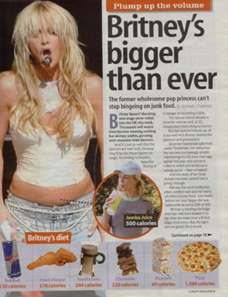
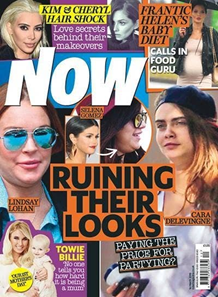
Popular media’s propensity to amplify body image and self-esteem issues amongst women is not new, nor is it unique to the rise of digital platforms. For decades, mass-media and the beauty industry have worked in tandem to reinforce the insecurities of consumers by framing beauty as an unattainable ideal and selling certain diets or lifestyles as the solution. From the ultra-thin “heroin chic” beauty ideal that was made popular in the 90s, to the tabloid craze of the 2000s, countless women have been publicly scrutinised and dissected by the media
Although women certainly aren’t the only victims of restrictive beauty ideals, studies have found that body image dissatisfaction disproportionately affects them . According to this research, body image can be thought of as a form of self-evaluation that “encompasses an individual’s perceptions and attitudes about his or her physical appearance”. Dissatisfaction with oneself is seen to be heightened when individuals are repeatedly exposed to images of other people’s bodies, leading to a worsened mood and decreased self-esteem.
This findings of this study are particularly worrisome in the context of social media. Platforms like Instagram and TikTok demand constant attention from users, with pervasive algorithms that encourage perpetual scrolling. As some of the most prolific social media users, young women are constantly being exposed to and interacting with imagery that negatively affects their body image and self-esteem.
Section 2: Empowerment, social currency and accessibility
Advocates for the normalisation plastic surgery voice ideals of freedom, bodily autonomy and self-expression. If an individual can choose to get a new piercing or tattoo, then shouldn’t they be equally entitled to make other choices in the name of bodily autonomy, like removing points of insecurity or enhancing certain features? In her 1997 work Reshaping the Female Body, Kathy Davis provides a counterpoint to the usual feminist line of thought that demonises cosmetic surgery, instead exploring the empowering possibilities it can present.
“A complex dilemma: problem and solution, symptom of oppression and act of empowerment, all in one”
-Kathy Davis, 1997
Her nuanced critique recognises that for many women, cosmetic surgery can be used as a tool to increase social currency and improve self-worth. Rather than labelling the women who choose to undergo these procedures as vain and immoral, Davis acknowledges the greater agency and autonomy made available to them. This perspective asserts that individuals can reclaim cosmetic procedures as acts of self-expression and empowerment.
Furthermore, social media has fostered greater individual freedom and choice regarding plastic surgery. Where traditional celebrities used to staunchly deny all cosmetic surgery rumours, influencers are quick to announce any tweaks they make. For example, reality star Kylie Jenner infamously lied about getting lip filler for years despite an intense storm of media scrutiny. Jenner did eventually admit to getting injections, citing her fears of being considered a bad role model as an explanation. Rather than perpetuating a shameful and secretive stereotype, contemporary influencers openly share the procedures they’ve undergone. Social media has fostered a more authentic approach to discussions surrounding plastic surgery, with some public figures even going so far as to upload detailed breakdowns of all their treatments:
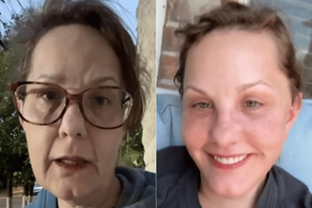
This increased level of transparency removes the stigma that once shrouded plastic surgery, encouraging individuals to pursue it without fear of judgement or shame. By shedding light on a once-taboo subject and empowering potential patients with greater knowledge of the surgical process, social media users have effectively made it much more accessible. For instance, one woman’s facelift journey has been watched by millions on TikTok. 50-year-old Michelle Woods generated an immensely positive response when she began documenting her surgery journey, with countless comments praising her rejuvenated appearance and celebrating her positive experience.
Section 3: The unattainable ideal
While advocates claim that popularity of surgery-focused content on social media is a positive force, it is critical to acknowledge the underlying motivations that are at play to understand just how harmful it can be. Nick Srnicek sheds some light on the business model of platforms, which are reliant on the monetisation of user interactions to function. Every engagement is monitored, generating data that can then be sold. In the case of cosmetic procedures being advocated for on social media, it is users’ insecurities that are being commodified. The claim that surgery is simply an individual choice ignores the role of social media and advertisers in manufacturing insecurities to profit from. After all, choices are not made in a vacuum.
Furthermore, the ‘trending’ and ‘viral’ nature of many emerging procedures is alarming. In late 2022, buccal fat removal became the hottest new surgical trend. The procedure, which involves removing excess fat from the cheeks for a more sculpted look, experienced a surge in online popularity that translated to real life patients. More recently, the upper blepharoplasty (or ‘upper bleph’ for short) has dominated social media with influencers and celebrities alike inspiring the trend.
What happens when certain surgeries are no longer popular? Will our faces go ‘out of style’? These trending procedures are not meant to empower women to feel their best; it’s all about constantly moving the goal post so that users are never satisfied with themselves.
According to Wen Zhao, the total number of cosmetic surgery procedures being performed has risen steadily during the past decade. Further research suggests that the popularity of certain procedures on social media has prompted a clear uptick in interest towards plastic surgery .
A key issue when considering the normalisation of surgery is the reinforcement of unattainable and artificial beauty ideals. The increase in interest towards these procedures is concerning as it fuels body dissatisfaction and unhealthy comparison. Young, female internet-users are constantly being exposed to surgically enhanced faces, contributing to the idea that natural beauty will never be adequate. The potential hazards of this cannot be ignored: Young women are at risk both mentally and physically. Heavy social media use has been linked to increased body dissatisfaction and depressive symptoms, especially amongst adolescent girls. If women choose to actually undergo surgery;
“Unsatisfactory outcomes may cause psychological problems, such as depression, anxiety, and mental disorders”
Wen Zhao, 2021.
These problems are not just limited to psychological risks. The potential physical issues associated with cosmetic surgeries are all too frequently forgotten. For instance, the hugely popular Brazilian butt-lift (BBL) procedure has claimed many lives and stands out as the deadliest cosmetic surgery option available. Procedures such as this one come with potential long-term complications such as infection and scarring. Yet on social media platforms, the realities of painful recovery and post-surgery regrets are rarely mentioned.
Conclusion:
It is imperative that social media users understand the harmful consequences of consuming glamorised content surrounding cosmetic surgeries. The push to normalise these procedures as seen online has the potential to seriously affect user’s mental health, leading to poor self-confidence and increased body-dissatisfaction as an unattainable beauty standard is continually promoted. The collective psychological and physical risks associated with plastic surgery far outweigh the few individual benefits it can offer.
The beauty ideals being presented on social media do not promote female empowerment. They have been engineered to generate profit from the insecurities of vulnerable young women, following in the path of traditional forms of mass-media like magazines and television advertisements. As users, we must be proactive in disengaging with content that promotes artificial beauty to ensure this cycle of harm is not perpetuated.
Next time you find yourself scrolling through transformation posts on social media, remember that every view, like and comment feeds an industry that profits from our deepest insecurities.
 Guan QiuYu
  REN Ren
  Tan Kane